2nd Gen 4Runner ABS Light On? Brake Troubleshooting Guide. 90–95
2nd Gen 4Runner ABS Light On? Brake Troubleshooting Guide (1990–1995)
An illuminated ABS light on your 2nd gen Toyota 4Runner is one of the more common — and more misunderstood — issues on these trucks. The good news: it's usually caused by something simple and inexpensive, and your brakes still work normally even with the light on. The important part is knowing how to tell a minor sensor glitch from a real brake problem. This guide breaks down what the ABS light means on your 2nd gen, the common causes, and how to approach the fix safely.
First, Know What System You Have
Not all 2nd gen 4Runners have the same braking setup. Depending on year and configuration, these trucks came with either rear-wheel-only ABS or four-wheel ABS. That matters because it affects how many wheel speed sensors your truck has and where they're located. Before diagnosing, it helps to identify which system you're working with — your owner's manual and the dash indicator (it may read "ABS" or "Anti-Lock") will tell you.
Important: ABS Light vs. Brake Light
This is the single most important thing to understand:
- The ABS light alone means the anti-lock system has disabled itself due to a detected fault. Your regular brakes still work completely normally — you simply lose the anti-lock function (which only engages during hard, wheels-about-to-lock braking). It's worth fixing, but it's not an emergency.
- The red BRAKE light (especially if it comes on with the ABS light, or on its own) is more serious and can indicate a problem with the base braking system itself — low fluid, a hydraulic issue, or worse. If the BRAKE light is on, treat it as urgent, inspect immediately, and don't drive if the brakes feel compromised.
Knowing which light you're looking at tells you how worried to be.
Common Causes of the ABS Light on a 2nd Gen
Here are the usual culprits, roughly in order of likelihood:
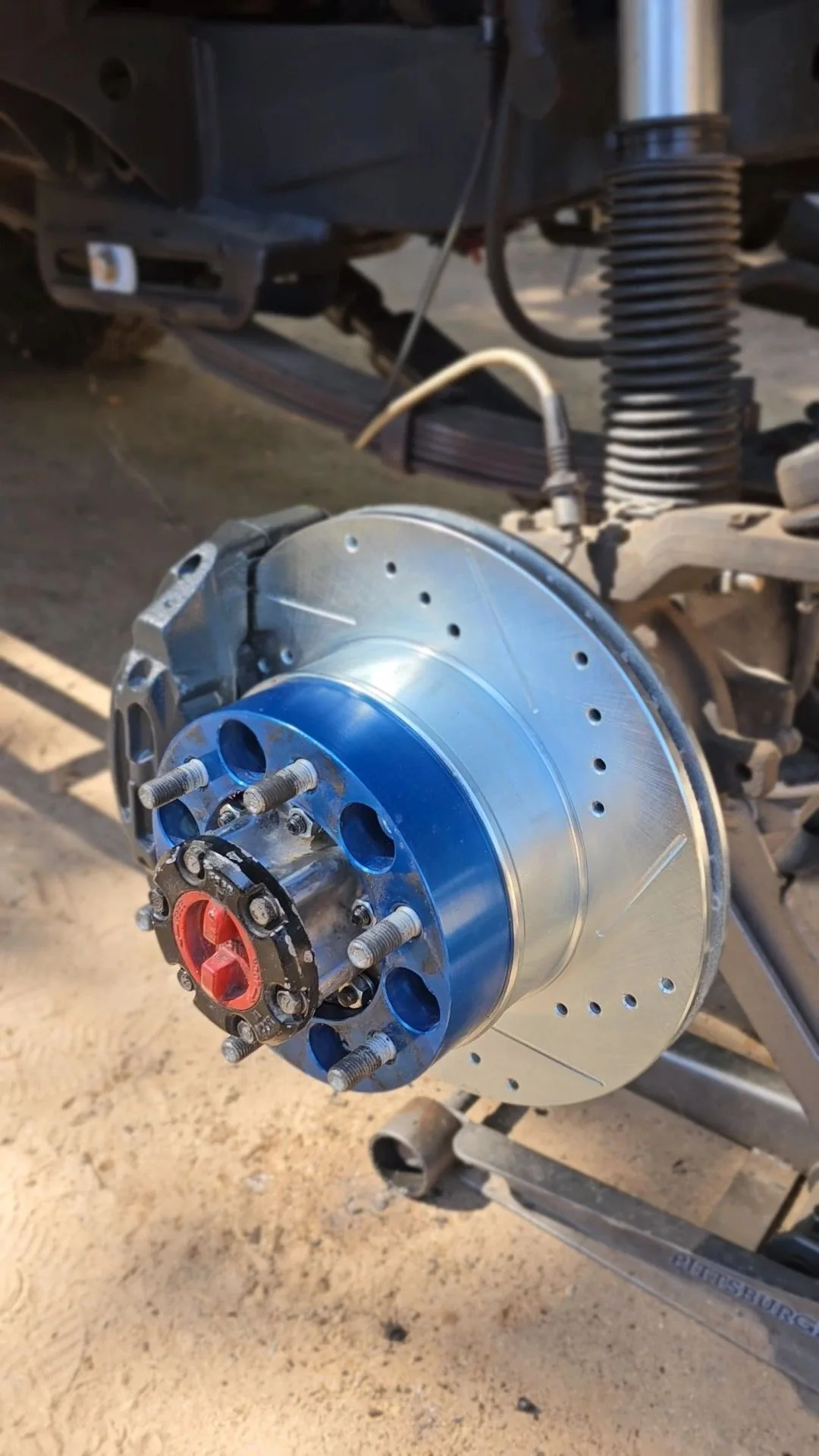
1. A dirty or failed wheel speed sensor. This is the most common cause by far. The sensors sit out in the elements — at the wheel hubs and on the differential third members — where they collect grime, mud, and metallic debris. A dirty sensor sends bad data and trips the light. Often, simply locating and cleaning the sensors thoroughly restores normal operation. If a sensor is actually failed rather than just dirty, it needs replacing.
2. Damaged sensor wiring. The wiring to these sensors lives in a harsh environment and can crack, corrode, or wear through over decades — especially near the wheels where it flexes and gets exposed to road spray. Inspect the wiring and connectors along with the sensors themselves.
3. Low brake fluid. A low reservoir can trigger brake-system warnings. Check the fluid level — and if it's low, look underneath for leaks at the lines and connections, because low fluid usually means fluid is escaping somewhere.
4. Low tire pressure. This one surprises people: a significantly underinflated tire spins at a different rate than the others, and the ABS system can read that wheel-speed difference as a fault. Check and correct your tire pressures before chasing more complicated diagnoses.
5. A blown fuse or bad relay. The ABS system has its own fuse and relay. A blown fuse or failed relay can disable the system and light the dash. These are cheap and easy to check early in the process.
6. A failing ABS control module. Less common, but the control unit itself can develop a fault. This is the more involved and expensive possibility, which is why you rule out the cheap, simple causes first.
How to Troubleshoot, in Order
Work from easiest and cheapest to most involved: check tire pressures, check the brake fluid level, check the ABS fuse and relay, then inspect and clean the wheel speed sensors and their wiring. The vast majority of 2nd gen ABS lights are resolved somewhere in that list — usually at a dirty sensor — without ever needing expensive parts. A basic code reader compatible with these older systems (or the factory service manual's diagnostic procedure) can help pinpoint which wheel sensor is reporting the fault.
A Word on "Just Disabling the ABS"
You'll find plenty of forum advice about simply unplugging the ABS relay, fuse, or module to make the light go away — and yes, that will turn off the light. But understand what you're doing: you're disabling a safety system, not fixing it. Without ABS, your truck reverts to braking like a vehicle without anti-lock, which means wheels can lock under hard or slick-surface braking. On a daily-driven or family vehicle, the right move is to diagnose and repair the actual fault rather than mask it. If you genuinely understand the trade-off and have a specific reason, that's your call to make as the owner — but going in informed matters.
Don't Overlook the Rest of the Brake System
While you're in there, give the whole braking system a once-over, since a 30-plus-year-old truck deserves it: inspect pads, shoes, rotors, and drums for wear; check the brake lines and hoses for corrosion or leaks; flush old brake fluid if it's overdue; and note that the 2nd gen uses a load-sensing proportioning valve at the rear axle that's worth being aware of if you're diagnosing rear-brake behavior. Healthy brakes are the most important system on any vehicle — ABS or not.
Keep Your 2nd Gen Safe and Dialed In
An ABS light on a 2nd gen 4Runner is usually a quick, cheap fix once you know where to look — most often a dirty sensor or a simple electrical gremlin. Diagnose it properly, keep your base brakes healthy, and your truck will stop confidently for years to come.
At Standard American Outdoors, we're the premier one-stop shop dedicated entirely to the 2nd gen Toyota 4Runner. From reliability fixes to suspension, roof racks, and lighting, every product we offer is engineered specifically for your rig and built in America. Browse the full lineup at standardamericanoutdoors.com and sign up for the newsletter to get 10% off your first purchase.
Sorting the stance? We build the complete 3" lift kit for the 90–95 trucks — shipped from Delaware.