2nd Gen 4Runner Engine Showdown: 22R-E vs. 3VZ-E
2nd Gen 4Runner Engine Showdown: 22R-E vs. 3VZ-E for Your Trail Standard Offroad Adventures
For any enthusiast considering a 2nd Gen Toyota 4Runner for their next off-road project, one of the most critical decisions revolves around the engine. The 1990-1995 4Runner was offered with two primary powerplants: the venerable 2.4-liter 22R-E four-cylinder and the more powerful 3.0-liter 3VZ-E V6. Both have their ardent supporters and distinct characteristics that influence the vehicle's performance, reliability, and suitability for a trail standard offroad lifestyle. This article dives deep into the 2nd Gen 4Runner 22R-E vs 3VZ-E debate, helping you understand the pros and cons of each for your off-road aspirations.
The Contenders: A Brief Overview
The 22R-E: The Indestructible Workhorse
The 22R-E is an electronically fuel-injected version of Toyota's legendary R-series engine. Known for its simplicity, durability, and ease of maintenance, this four-cylinder engine has powered countless Toyota trucks and 4Runners for decades. While not a powerhouse, its robust design and ability to run reliably under harsh conditions have earned it a cult following among off-roaders who prioritize longevity and mechanical straightforwardness. For many, a 22R-E equipped 2nd Gen 4Runner is the epitome of a reliable trail standard offroad machine.
The 3VZ-E: The V6 with a Reputation
The 3VZ-E V6 was introduced to provide more power and torque, addressing criticisms that the 22R-E was underpowered for the heavier 2nd Gen 4Runner. On paper, the 3VZ-E offered a significant boost in performance, making it seem like the natural choice for a more capable off-roader. However, this engine gained a notorious reputation for head gasket issues, which has often overshadowed its potential. Despite this, a well-maintained or properly addressed 3VZ-E can still provide a strong foundation for a trail standard offroad build.
Performance on the Trail: Torque, Power, and Gearing
When it comes to off-roading, torque is often more critical than raw horsepower, especially for crawling over obstacles or navigating steep inclines. The 3VZ-E, with its V6 configuration, naturally produces more low-end torque than the 22R-E. This can be a distinct advantage in situations requiring immediate power delivery without excessive throttle input, making climbs smoother and less strenuous on the drivetrain. For those who frequently encounter challenging terrain, the V6's extra grunt can make a noticeable difference in maintaining momentum and control, contributing to a more confident trail standard offroad experience.
Conversely, the 22R-E, while having less torque, often benefits from its lighter weight, which can improve the overall power-to-weight ratio in some configurations. Its predictable power delivery and excellent throttle response make it easy to modulate, which is crucial for precise maneuvering in technical sections. Many 22R-E owners compensate for the lower power with appropriate gearing changes in the differentials, effectively multiplying the available torque at the wheels and transforming their vehicle into a highly capable trail standard offroad rig.
Reliability and Maintenance: A Tale of Two Engines
This is where the 2nd Gen 4Runner 22R-E vs 3VZ-E debate often heats up. The 22R-E is almost universally praised for its legendary reliability. Its simple design means fewer components to fail, and parts are readily available and inexpensive. Routine maintenance is straightforward, making it an ideal engine for DIY mechanics and those who value dependability above all else. A well-cared-for 22R-E can easily exceed 300,000 miles, making it a true workhorse for any trail standard offroad adventure.
The 3VZ-E, unfortunately, is infamous for its factory head gasket design flaw. This issue, if not addressed, can lead to overheating and catastrophic engine failure. However, it's important to note that many 3VZ-E engines have had their head gaskets replaced with improved aftermarket versions, effectively resolving the problem. If you're considering a 3VZ-E 2nd Gen 4Runner, verifying that this service has been performed is paramount. Once the head gasket issue is sorted, the 3VZ-E can be a reliable engine, though its complexity means maintenance can be slightly more involved and costly than the 22R-E.
Customization and Swaps: Beyond Stock
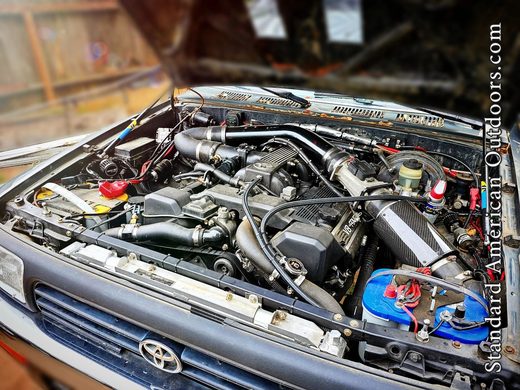
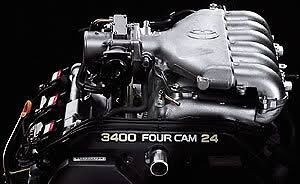
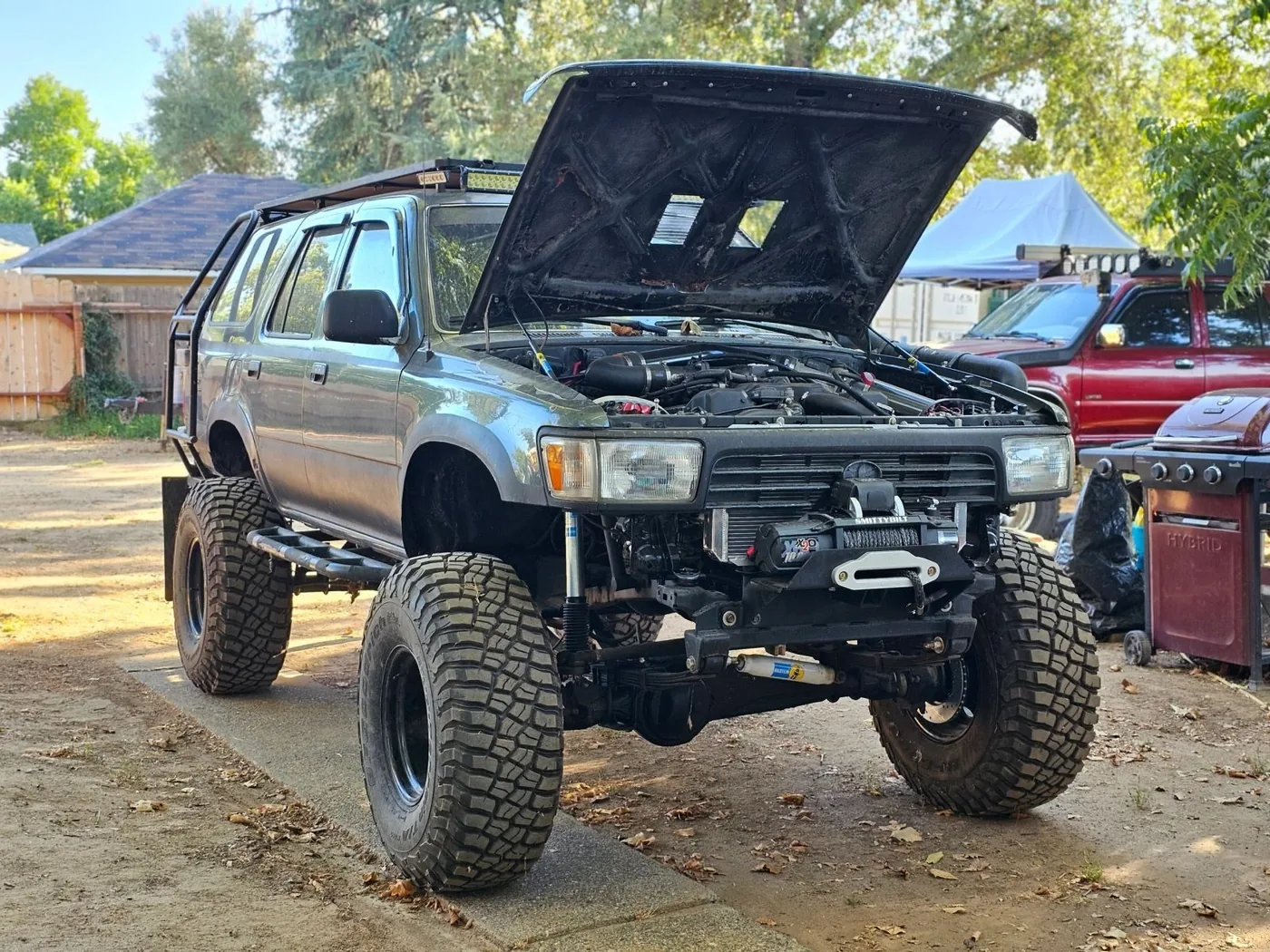
Both engines offer different pathways for customization. The 22R-E, while robust, is rarely swapped out due to its inherent reliability. Instead, owners might focus on bolt-on performance enhancements or simply enjoy its stock dependability. The 3VZ-E, due to its head gasket reputation and the desire for more power, is a frequent candidate for engine swaps. Popular choices include the 3.4-liter 5VZ-FE from the 3rd Gen 4Runner or even the powerful 1UZ-FE V8. These swaps can dramatically transform the 2nd Gen 4Runner's performance, creating a truly unique and potent trail standard offroad machine.
Which is Right for Your Trail Standard Offroad Build?
The choice between the 22R-E and the 3VZ-E ultimately depends on your priorities and intended use. If you value bulletproof reliability, mechanical simplicity, and lower running costs, the 22R-E is an excellent choice. It's a fantastic foundation for a no-nonsense trail standard offroad rig that will get you there and back, every time.
If you're looking for more power out of the box, are comfortable with potentially more complex maintenance, or plan on an engine swap down the line, a 3VZ-E 2nd Gen 4Runner (especially one with a documented head gasket repair) could be a good option. It offers a different driving experience and a higher starting point for performance.
At Standard American Outdoors, we appreciate both engines for their contributions to the 2nd Gen 4Runner's legacy. Whichever you choose, with the right modifications and maintenance, your 2nd Gen 4Runner will undoubtedly become a formidable trail standard offroad companion.
*Ready to upgrade your 2nd Gen 4Runner? Visit Standard American Outdoors for expert advice and parts tailored for your trail standard offroad adventures, whether you run a 22R-E or a 3VZ-E.*