Night Driving a 2nd Gen 4Runner: Why Stock Lights Fall Short
1993 candles in 2026 traffic
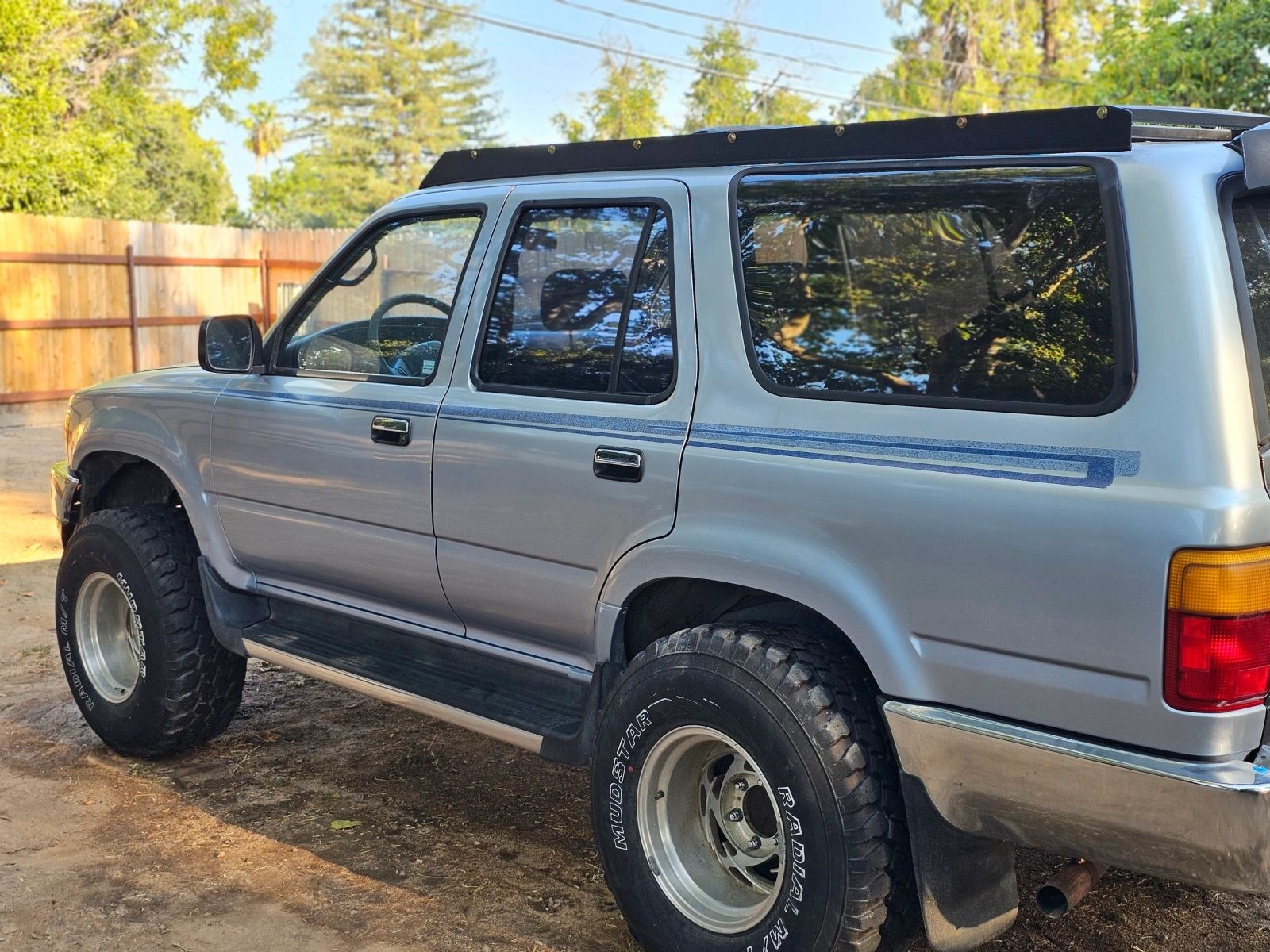
Drive a bone-stock 2nd gen on a rural two-lane tonight and you'll rediscover what headlights were in the early nineties: a warm yellow suggestion of the road ahead. It's not your eyes and it's not nostalgia — the reflector-and-bulb technology of the era simply put a fraction of today's light on the road, scattered loosely enough that oncoming traffic got a share of it too.
Thirty years of hazing, pitting, and corroded connectors take that modest starting point and cut it further. Plenty of "weak headlight" complaints are really tired wiring delivering low voltage to a bulb doing its best.
What a real upgrade changes
Modern projector optics change the physics, not just the brightness. A projector focuses light through a lens with a sharp cutoff — a wall of light that ends exactly where oncoming drivers' eyes begin. The result is more light on the road and less in other people's faces, which is the whole game.
That cutoff is also why aiming matters more than wattage. Any headlight — stock or upgraded — aimed high is a hazard, and aimed low is wasted. After any headlight work: park on level ground 25 feet from a wall, mark the lamp centerline height, and set the beam's cutoff a couple inches below that mark. Ten minutes with a tape measure is the difference between lighting the road and lighting the trees.
For the 92–95 trucks specifically, this is the upgrade our whole catalog was built around — from OE-style DEPO clear-lens replacements for the purists to the full projector line, topped by the ATOM. Whichever route: fresh connectors, healthy grounds, and a proper aim session finish the job.