
2nd Gen 4Runner Legend: Why It’s Still the Trail Standard offroad
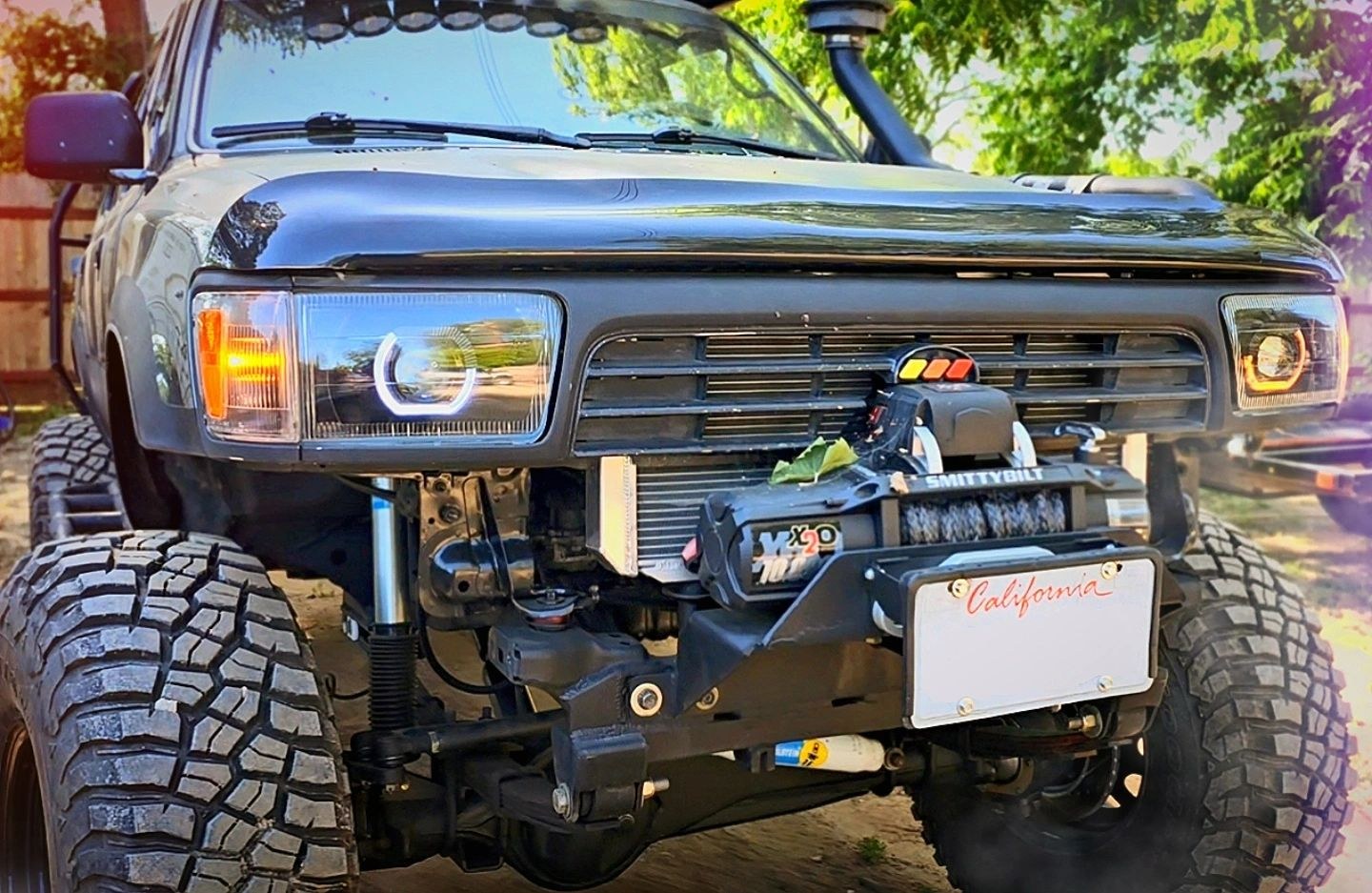
The Legend of the 2nd Gen 4Runner: Why It’s Still the Trail Standard Offroad
When it comes to the history of rugged, go-anywhere SUVs, few vehicles command as much respect as the 2nd Gen Toyota 4Runner. Produced between 1990 and 1995, this iconic machine didn’t just follow in the footsteps of its predecessor; it redefined what a family-friendly off-roader could be. For enthusiasts today, the 2nd Gen remains a trail standard offroad choice, offering a perfect blend of classic Toyota reliability and mechanical simplicity that is increasingly hard to find in modern rigs.
In this article, we’ll dive into why the 2nd Gen 4Runner is so highly regarded, how it paved the way for the legendary 3rd and 5th generations, and why it continues to be a trail standard offroad powerhouse for adventurers across the globe.
A New Era of Comfort and Capability
The transition from the 1st Gen to the 2nd Gen 4Runner was a pivotal moment for Toyota. While the original 4Runner was essentially a Hilux pickup with a fiberglass cap, the 2nd Gen introduced a fully integrated steel body. This change wasn't just about aesthetics; it was about creating a cohesive, durable platform that could handle the rigors of the wilderness while providing a more refined interior for the daily commute.
Even with these "creature comforts," Toyota never lost sight of the vehicle's primary mission: off-road dominance. With its solid frame and available 4WD systems, the 2nd Gen quickly became the trail standard offroad benchmark for the early 90s. It proved that you didn't have to sacrifice utility for comfort, a philosophy that has guided every 4Runner generation since.
The Engines That Won’t Quit
One of the most debated topics among 2nd Gen owners is the choice between the 2.4L 22R-E four-cylinder and the 3.0L 3VZ-E V6. While the 3.0L V6 offered more torque for climbing steep grades, the 22R-E earned a reputation for being nearly bulletproof. Regardless of which engine is under the hood, a well-maintained 2nd Gen is a trail standard offroad machine that can easily clock over 300,000 miles.
For those looking to push their builds even further, the 2nd Gen platform is incredibly versatile. Many owners have opted for the legendary 1UZ-FE V8 swap or the 3.4L 5VZ-FE swap from the 3rd Gen, turning their classic rigs into modern trail standard offroad monsters. This adaptability is a testament to the over-engineered nature of the 2nd Gen chassis.
Paving the Way for Future Generations
The 2nd Gen 4Runner was the bridge between the utilitarian past and the tech-heavy future of Toyota’s SUV lineup. It introduced features that we now take for granted, such as the four-door configuration and the iconic power rear window—a feature that remains a staple of the 4Runner to this day.
By proving that there was a massive market for a capable, mid-sized SUV, the 2nd Gen paved the way for the 3rd Gen’s refined suspension and the 5th Gen’s advanced Crawl Control. Without the success of the 1990-1995 models, the 4Runner might have evolved into a soft-roader like many of its competitors. Instead, it stayed true to its roots, remaining a trail standard offroad icon for over three decades.
Why the 2nd Gen is the Ultimate Trail Standard Offroad Build
If you’re looking for a project vehicle that is easy to work on, has a massive aftermarket support system, and possesses undeniable "cool factor," the 2nd Gen is hard to beat. From simple suspension lifts to full-blown rock crawler builds, the 2nd Gen 4Runner is the ultimate canvas for any off-road enthusiast.
At Standard American Outdoors, we live and breathe these trucks. Whether you’re restoring a bone-stock 1992 model or building a dedicated trail rig, the 2nd Gen offers a mechanical connection to the road (and the dirt) that modern vehicles simply can’t replicate. It is, and always will be, the trail standard offroad legend.
Essential Mods for Your 2nd Gen 4Runner
To truly unlock the potential of your 2nd Gen and ensure it meets the trail standard offroad criteria, consider these essential upgrades:
| Modification | Benefit | Why It Matters |
| :--- | :--- | :--- |
| Suspension Lift | Increased ground clearance and better articulation. | Essential for navigating rocky terrain without bottoming out. |
| All-Terrain Tires | Improved grip on mud, sand, and loose rock. | The single most important upgrade for any trail standard offroad rig. |
| Rock Sliders | Protection for the body panels and frame. | Prevents expensive body damage during technical trail sections. |
| Upgraded Cooling | Prevents overheating during slow, high-torque climbs. | A must-have for the 3.0L V6 engine to ensure long-term reliability. |
Conclusion: The Legacy Lives On
The 2nd Gen Toyota 4Runner is more than just an old SUV; it’s a piece of automotive history. It taught us that a vehicle could be a reliable family hauler during the week and a trail standard offroad warrior on the weekends. Its influence can be seen in every modern Toyota truck, from the Tacoma to the Land Cruiser.
If you’re lucky enough to own one of these legends, cherish it. And if you’re looking to start your journey into the world of off-roading, there’s no better place to start than with the truck that set the trail standard offroad for generations to come.
*Ready to take your 2nd Gen 4Runner to the next level? Visit Standard American Outdoors for the best gear, guides, and community for Toyota enthusiasts.*