2nd Gen 4Runner Maintenance Guide: How to Make Yours Last 300,000
2nd Gen 4Runner Maintenance Guide: How to Make Yours Last 300,000 Miles (1990–1995)
The 2nd gen Toyota 4Runner is famous for going the distance — but a 30-plus-year-old truck doesn't stay reliable by accident. The difference between a 4Runner that nickel-and-dimes you and one that cruises past 300,000 miles comes down to consistent, informed maintenance. This guide walks through everything that keeps a 2nd gen healthy, the intervals that matter most, and the known weak points to stay ahead of. Bookmark it as your ongoing maintenance reference.
The Big Picture: Why These Trucks Last
The 2nd gen was overbuilt by design, with simple, robust mechanicals that respond well to basic care. The trucks that fail early almost always fail from neglect — skipped fluid changes, ignored cooling systems, or deferred maintenance that snowballs. Stay ahead of the wear items and your 4Runner will reward you with the legendary longevity these trucks are known for.
Engine Oil: The Foundation
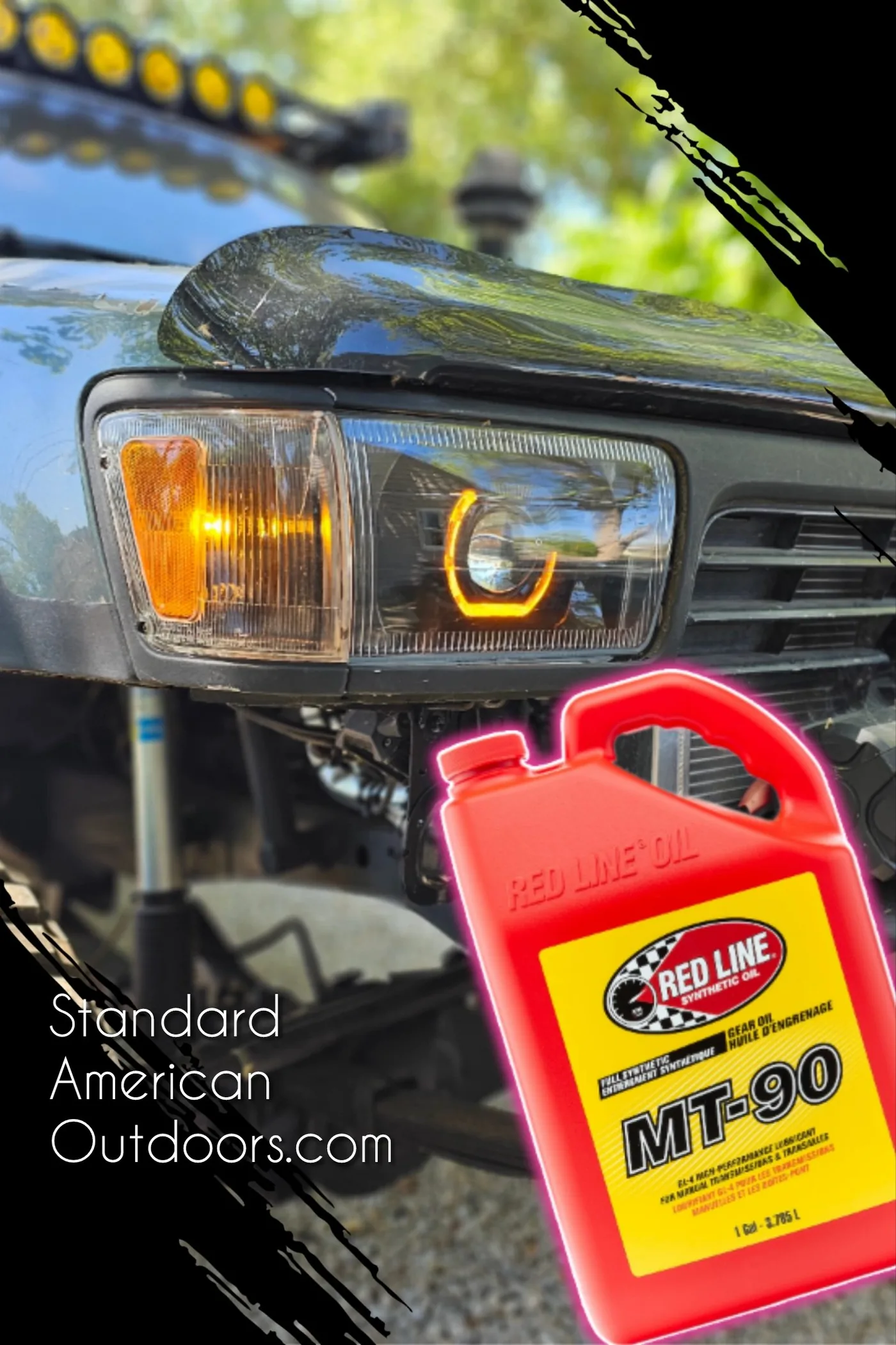
Nothing protects your engine like clean oil changed on schedule. On a high-mileage 2nd gen, regular oil and filter changes are the single most important habit you can build. Use a quality oil of the correct weight for your climate, don't stretch the intervals, and check your level regularly — these older engines can consume a little oil between changes, and running low is far more damaging than the cost of topping off.
Cooling System: Critical, Especially on the 3.0L
If there's one system that deserves obsessive attention on a 2nd gen, it's cooling — particularly on the 3.0L V6, which is sensitive to overheating and where an overheating event can lead to the head gasket failures these engines are known for.
Stay on top of it: replace your coolant on schedule (and use the correct type — the wrong coolant can erode gaskets over time), inspect the radiator, hoses, and water pump for leaks and age, and replace the thermostat if there's any doubt. Watch your temperature gauge religiously and address any creeping temps immediately. A healthy cooling system is the best insurance you can give either engine, and it's cheap compared to what overheating costs.
Timing Belt vs. Timing Chain: Know Which You Have
This is a crucial distinction on the 2nd gen, because the two engines are different:
- The 2.4L 22RE four-cylinder uses a timing chain, which is generally long-lived and not on a fixed replacement interval — though it's worth listening for chain noise on cold startup as the truck ages.
- The 3.0L 3VZE V6 uses a timing belt, which must be replaced on schedule — commonly around every 60,000 miles. This matters: because it's an interference engine, a snapped belt can cause serious internal engine damage. Always replace the water pump at the same time as the belt, since you're already deep into the front of the engine and the labor overlaps almost entirely. Doing both together is standard practice and saves you from repeating the job.
If you own a 3.0L and don't know when the belt was last done, treat it as due. It's the kind of deferred maintenance that turns into a destroyed engine.
Transmission and Driveline Fluids
Fresh fluid keeps your drivetrain alive. Service the automatic transmission fluid (and filter) to keep shifts crisp and the transmission cool — and use the correct ATF type, taking care not to overfill. Don't forget the often-neglected fluids: the front and rear differentials, the transfer case, and (on manual trucks) the transmission gear oil. These are cheap to service and catastrophic to ignore. If your off-road or tow your 4Runner, service these more often, since hard use and water crossings accelerate contamination.
Front-End and Steering Components
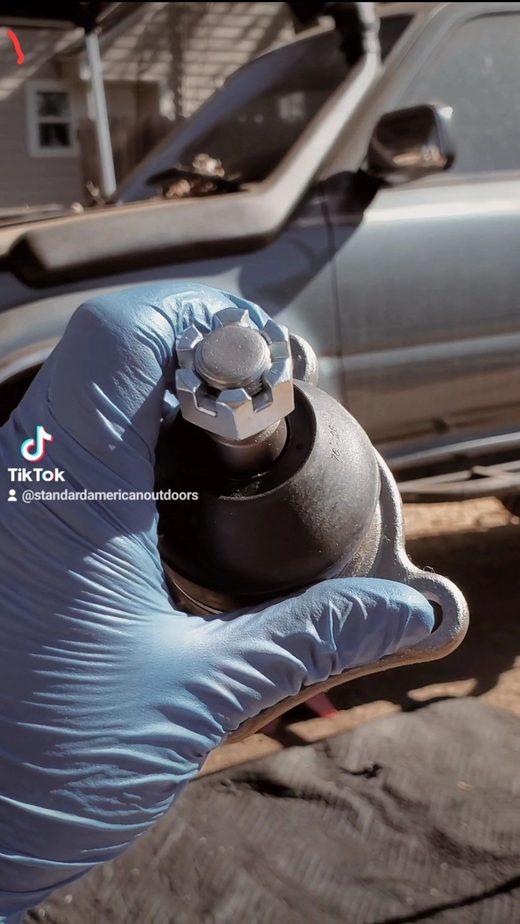
The 2nd gen's front suspension has a few known wear points that affect both safety and how