2nd Gen 4Runner MPG: Real-World Numbers & What Actually Helps
The honest numbers
Let's set expectations like owners actually report them: a healthy 3VZE automatic sees roughly 12–15 mpg around town and high teens on the highway; a well-driven manual can nudge into the low 20s on a flat freeway cruise. A 22RE four-cylinder does a little better in town. If you bought a 2nd gen for fuel economy, we have some difficult news — you bought it for everything else, and that was the right call.
The useful question isn't "how do I make it a Prius," it's "is mine performing where a healthy one should?" A truck getting 9–10 mpg has a problem worth finding, not a personality.
What actually helps
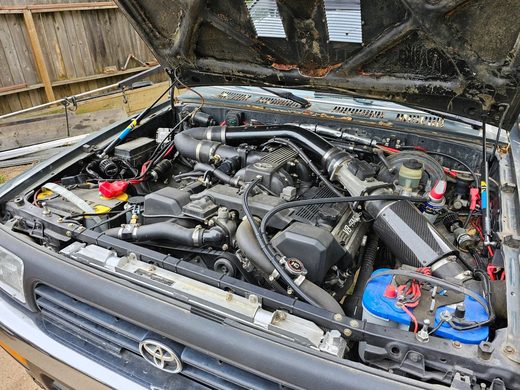
Basics first, because on engines this age they're usually overdue: fresh plugs, non-leaking wires, a clean cap and rotor, correct base timing, a fresh O2 sensor, and unclogged air filter. Each one is small; together they're the difference between 11 and 14.
Tires and dragging brakes matter more than any bolt-on: verify pressure weekly and make sure a lazy caliper isn't quietly costing you two mpg. Cracked intake plumbing leans on the O2 sensor and hurts drivability — the 3VZ's aging factory intake pipe is a known offender when it splits.
Driving style is the last free upgrade: these engines like momentum, not throttle. Gentle roll-ins and looking two lights ahead beats any gadget.
What doesn't
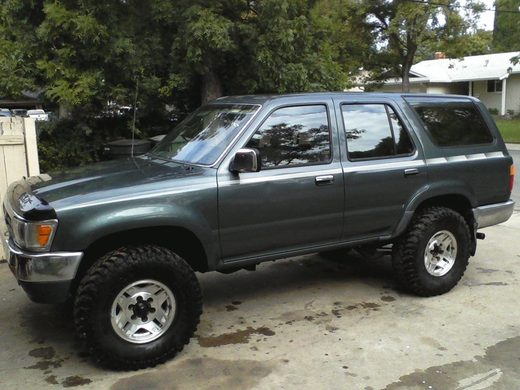
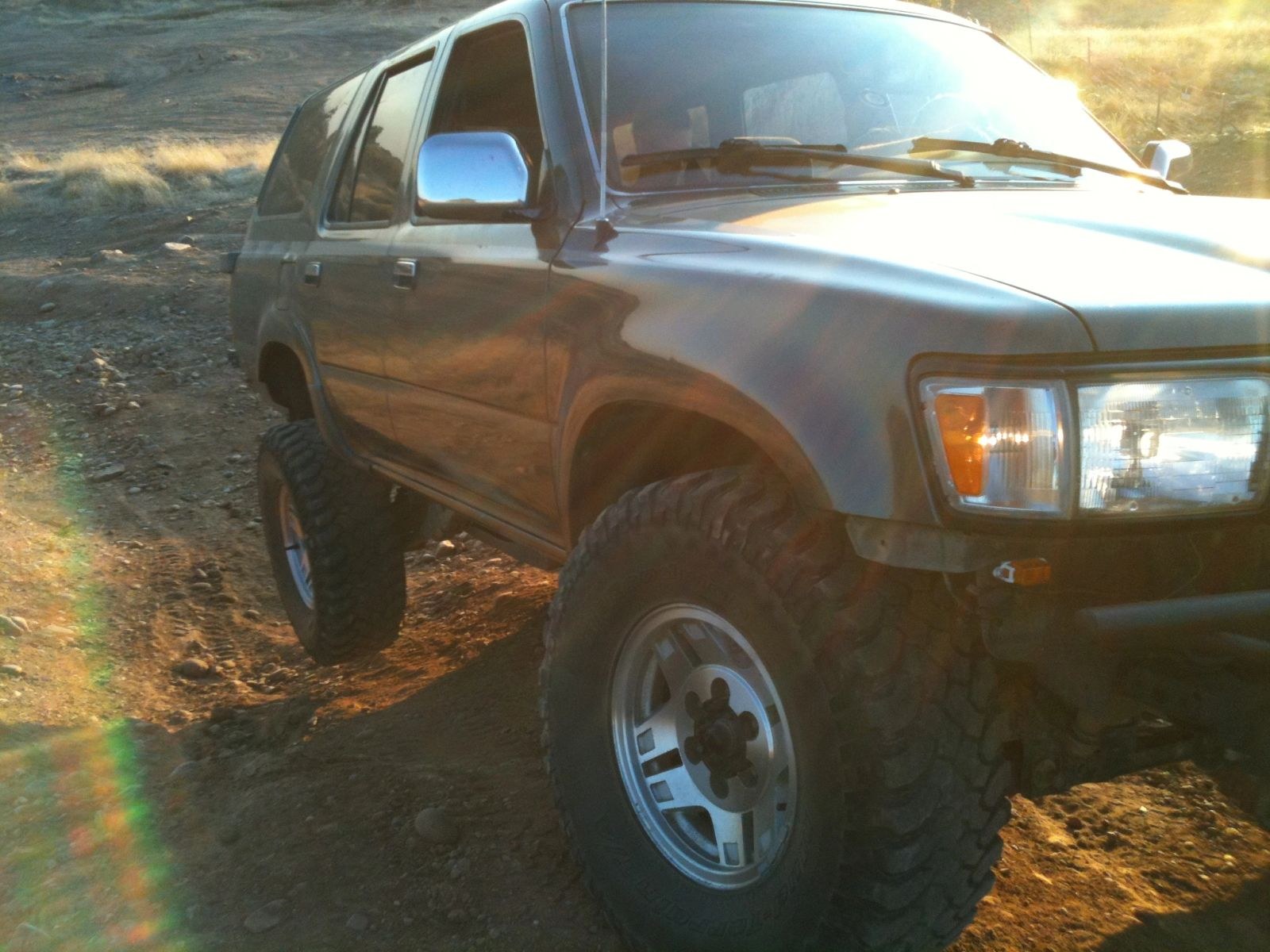
Fuel magnets, pills, "chips" for OBD-I trucks, and oversized throttle bodies. And know the honest costs of the good stuff: bigger tires, a lift, and a loaded roof rack all tax mpg — worth every tenth, but count them with eyes open.
The manual’s mpg edge is one more reason the 4 wheel drive stick shift trucks are the ones to grab when they surface.