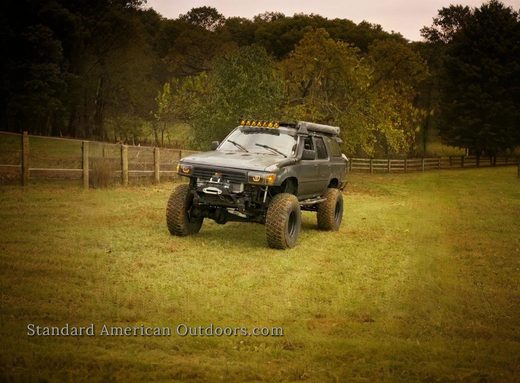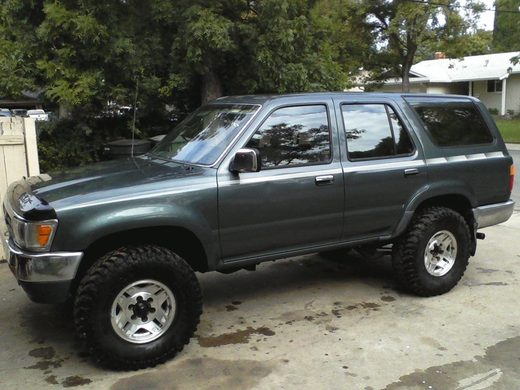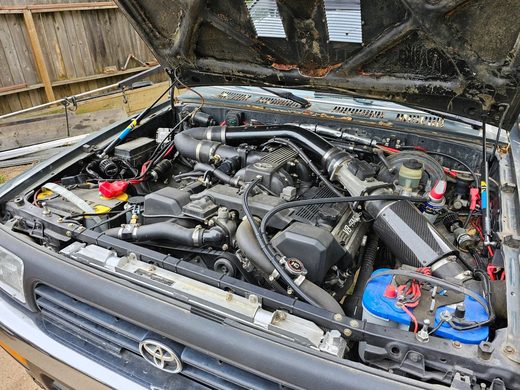
Buying a 2nd Gen 4Runner? The Rust Inspection Checklist
Rust decides the price
Engines can be rebuilt and interiors reupholstered, but a rotten frame turns a project into a parts truck. When you're looking at any 2nd gen, rust is the first inspection, not the last — and the seller's photos never show the spots that matter.
Bring a flashlight, wear clothes you can crawl in, and carry something to tap with. Surface scale is normal on a thirty-year-old frame; what you're hunting is flaking layers, soft spots, and holes.
The checklist, in order
Frame rails, especially the rear half: sight down each rail and tap anywhere that looks scaly. Crusty flakes that shed under a tap deserve a screwdriver poke — if it goes through, walk away or price it as a parts truck.
Body mounts and their surrounding sheet metal, where trapped mud holds moisture for decades.
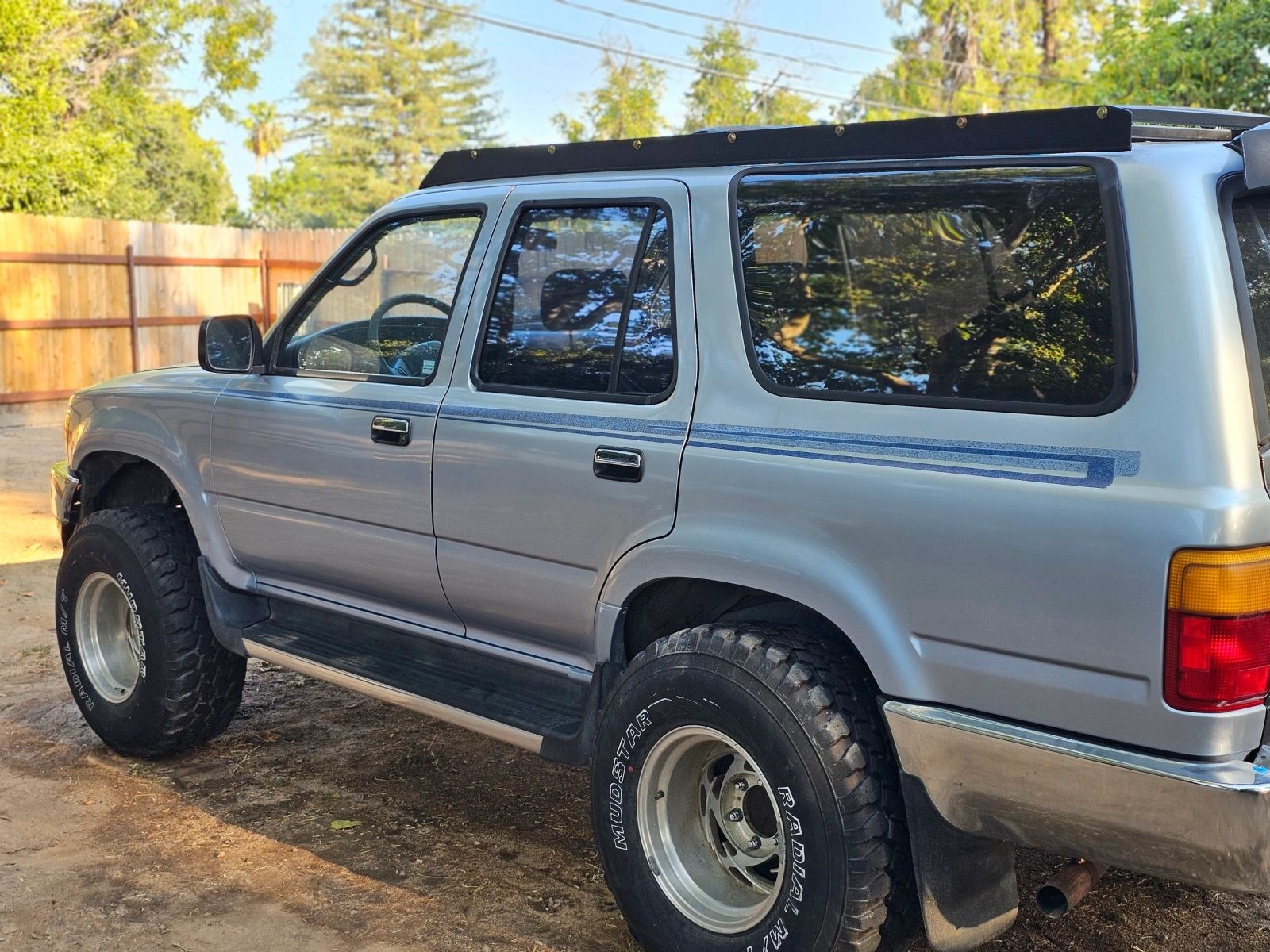
Rear wheel arches and lower quarters: bubbling paint at the arch lip means it's worse underneath than on top.
The tailgate's lower seam, where drain holes clog and the gate rots from inside out — doubly annoying on a 2nd gen because the gate is half the truck's personality.
Under the battery tray (acid plus moisture), the front fender bottoms behind the mud flaps, and the spare tire crossmember.
Finally, check that the rear window drains and door bottoms are clear — clogged drains are how tomorrow's rust gets started.
Verdict framework
Clean frame with cosmetic surface rust: buy it, treat it, enjoy decades. Localized rot in bolt-on sheet metal: negotiate — panels exist. Frame perforation or crumbling mounts: it's a parts truck at parts-truck money, no matter how nice the paint is. There are still solid ones out there; patience is cheaper than welding.