2nd Gen 4Runner Wandering Steering? Ball Joints, Idler Arms
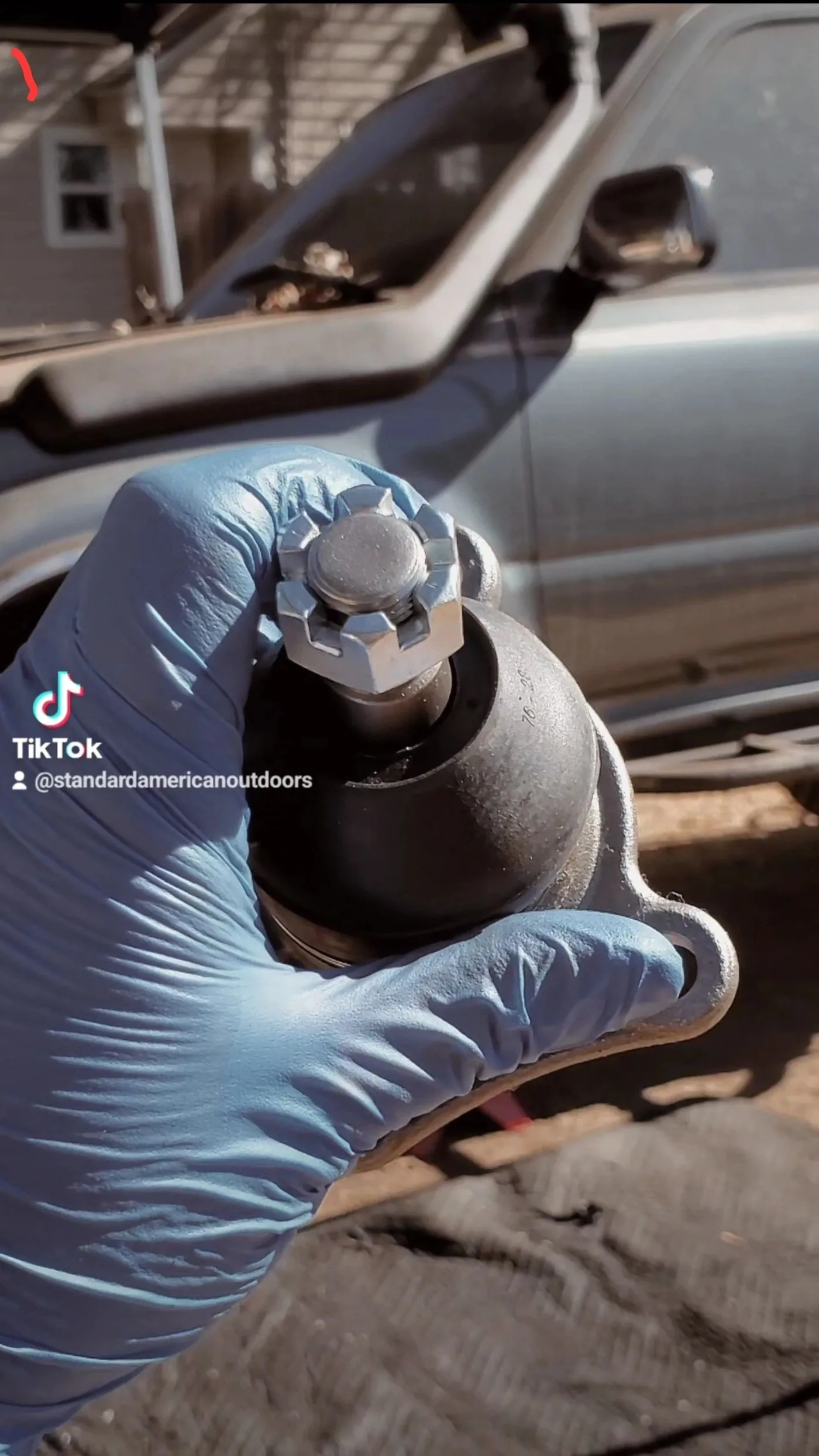
2nd gen 4runner ball joints. 4runner ball joints. 2nd gen 4runner tie rods.
2nd Gen 4Runner Wandering Steering? Ball Joints, Idler Arm & Front-End Fix Guide (1990–1995)
Does your 2nd gen Toyota 4Runner wander down the highway, feel vague or loose in the steering, or seem to follow every rut and groove in the road? You're not alone — sloppy steering is one of the most common complaints on these trucks, and after 30-plus years it's almost always a worn front-end component. The good news: it's a well-understood problem with a clear fix. This guide walks through what wears out on the 2nd gen front end, how to diagnose it, and how to get that tight, confident steering back.
Why 2nd Gen Steering Gets Loose
The 2nd gen 4Runner uses an independent front suspension (IFS) with a torsion-bar setup. It's a rugged, proven design, but it relies on a number of pivot points and joints — and every one of them wears over decades of use. As they wear, slop accumulates throughout the system, and the combined effect is steering that feels disconnected, wanders at speed, and requires constant small corrections to keep the truck tracking straight.
Bigger tires accelerate this wear. If you've lifted your truck and added larger, heavier tires, the extra leverage puts more strain on these components, so a built 2nd gen often needs front-end attention sooner.
The Usual Culprits
Here are the components that wear out on the 2nd gen front end, and what each one does:
The idler arm. This is the single most common cause of sloppy 2nd gen steering. The factory idler arm uses plastic internal bushings that wear out relatively quickly — especially once larger tires are added and the truck sees regular use. A worn idler arm is often the biggest contributor to that vague, wandering feel. Replacing it makes a dramatic difference, and it's frequently the first thing experienced owners address.
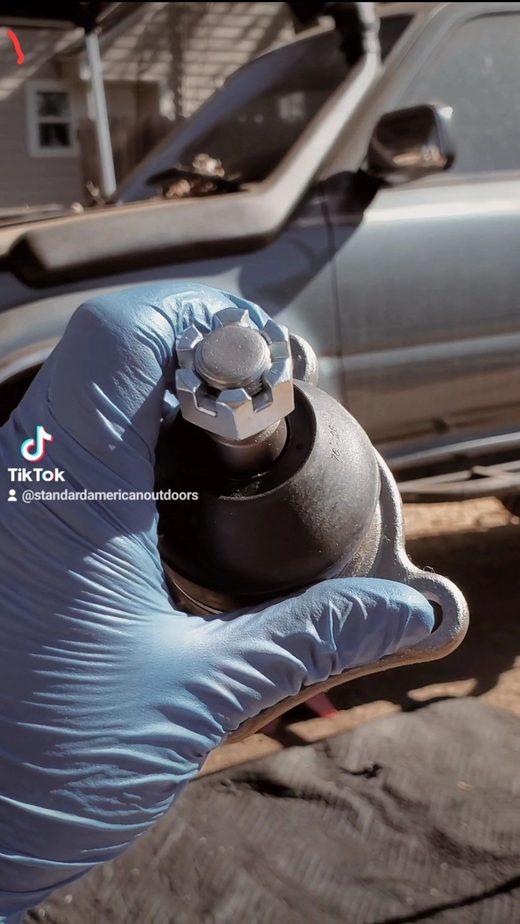
Ball joints (upper and lower). The ball joints allow the suspension to pivot while supporting the truck's weight. Worn ball joints introduce play, hurt steering precision, and are a genuine safety concern if neglected. Check them for movement, and many owners simply replace them on principle when refreshing an unknown truck's front end.
Tie rod ends (inner and outer) and adjusting sleeves. These connect the steering system to the wheels. Worn tie rod ends add slop and throw off your alignment. They're commonly replaced as a set during a front-end refresh.
The pitman arm. Part of the steering linkage off the steering box; another wear point worth inspecting and refreshing during the job.
The steering rag joint. Located between the steering shaft and the steering box, a worn rag joint contributes to vibration and vague feel. It's an easy, often-overlooked piece to replace while you're already in there.
How to Diagnose It
Before throwing parts at the problem, pin down what's actually worn:
- Do a visual and physical inspection. With the front end safely supported, grab each front wheel and check for play — both top-to-bottom (points to ball joints) and side-to-side (points
Sorting the stance? We build the complete 3" lift kit for the 90–95 trucks — shipped from Delaware.