3VZE Head Gasket Symptoms: What Every 2nd Gen Owner Should Know
Why the 3VZE eats head gaskets
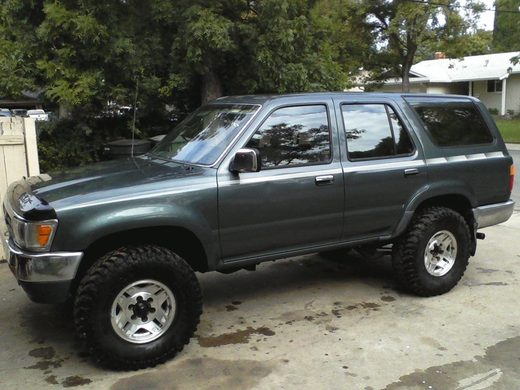
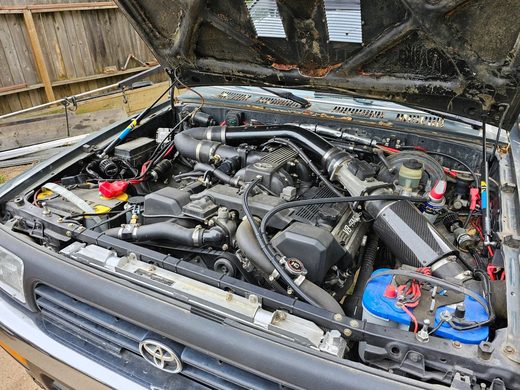
If you own a 1990–1995 4Runner with the 3.0 V6, you've heard the words "head gasket" more times than you can count. The short version of why: the 3VZE pairs a cast iron block with aluminum heads, and those two metals expand at different rates every single heat cycle. Over tens of thousands of cycles, that constant tug-of-war works on the gasket until it lets go — usually at the rear of the engine where cooling is weakest.
This isn't a rare fluke. It's the defining maintenance event of the platform, and Toyota knew it — they ran a customer support program that covered head gasket replacement on a huge number of these engines back in the day. Many trucks on the road today already had the job done under that program. Many didn't.
The early warning signs
The classic first symptom is slow, unexplained coolant loss with no visible leak. You top off the overflow tank, and two weeks later it's low again — no puddle, no smell, nothing dripping. That's coolant going somewhere it shouldn't.
From there, watch for: white sweet-smelling exhaust smoke on cold starts that doesn't clear with warm-up, a milky film on the underside of the oil cap (coolant getting into oil), bubbles in the coolant overflow tank while the engine runs, and temperature creep on long grades. Any one of these alone can have another cause. Two or more together on a 3VZE? Plan for a gasket job.
One more subtle tell: a misfire on cylinders at the rear of the engine after sitting overnight, which clears after a minute of running. That can be coolant seeping into a cylinder while parked.
Was yours already done?
Before you panic-budget a repair, find out your truck's history. Call any Toyota dealer with your VIN and ask them to check whether the head gasket campaign work was performed. It's in their system even decades later, and it takes five minutes.
If it was done, the replacement gaskets and updated procedure hold up far better than the originals — plenty of post-campaign engines have gone 100k+ without a repeat. If it wasn't, you're not doomed; you're just informed. Watch the coolant, and don't ignore the signs above.
And if you're in the engine bay checking things anyway, this is the perfect time to refresh the ignition side — old plugs and cracked wires mask symptoms and muddy diagnosis. Genuine OEM-spec plugs, Denso wires, and a fresh cap and rotor make the engine tell you the truth.