Breathing New Life: Restoring a 2nd Gen 4Runner for Trails
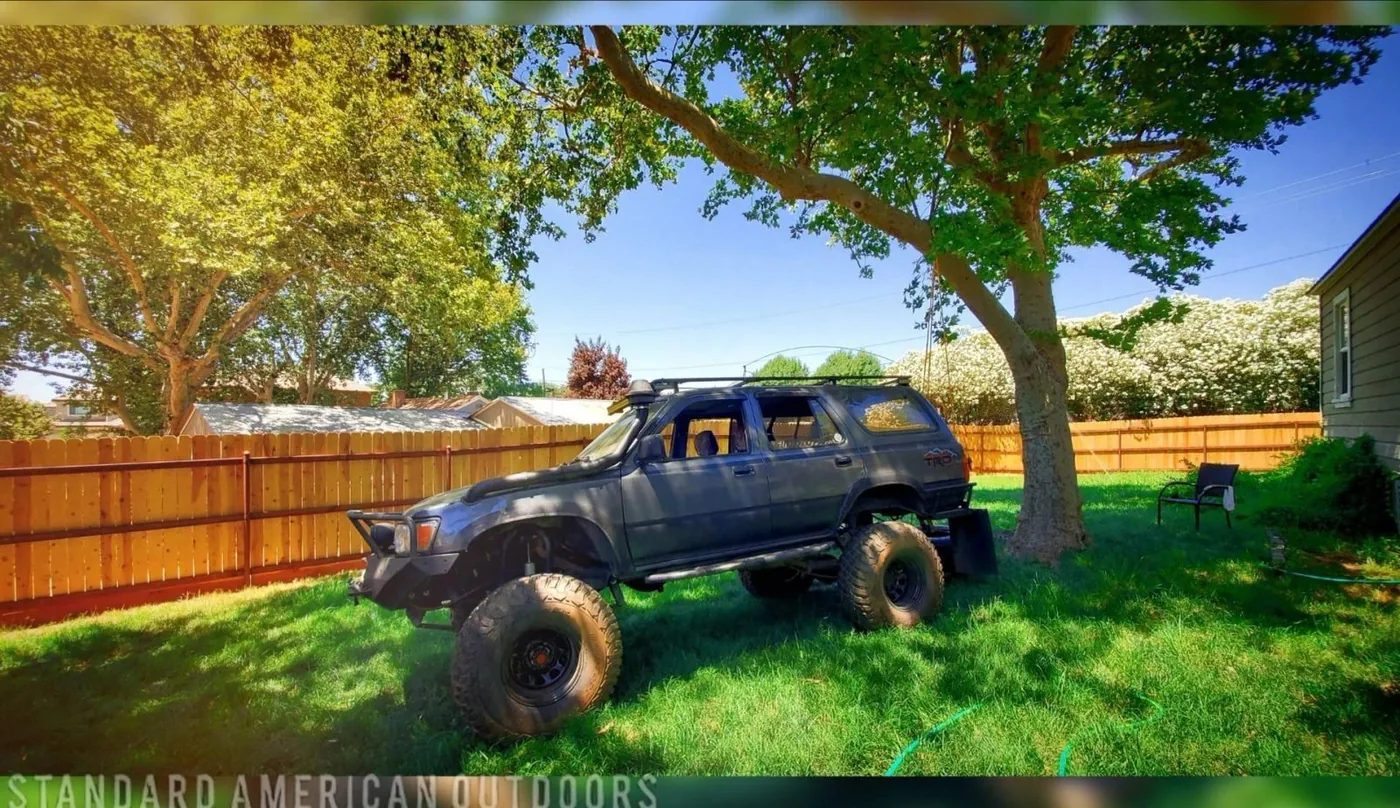
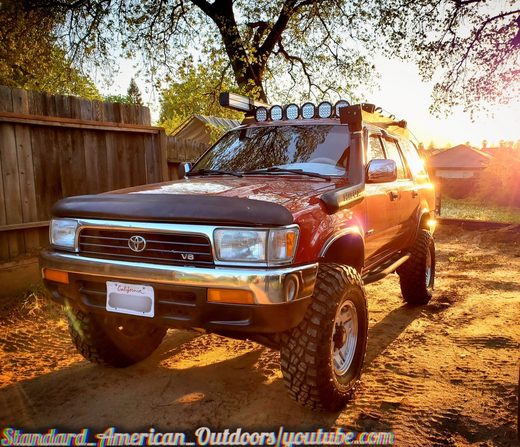
The 2nd Gen Toyota 4Runner, produced from 1990 to 1995, holds a special place in the hearts of off-road enthusiasts. Its rugged charm, dependable mechanics, and classic styling make it a highly sought-after platform for trail adventures. However, given their age, many of these vehicles require significant attention to bring them back to their former glory, or even surpass it. If you're embarking on the rewarding journey of restoring a 2nd Gen 4Runner for trails, this comprehensive guide will provide you with the essential steps, considerations, and tips to ensure your classic SUV is trail-ready and reliable for years to come.
The Appeal of a Restored 2nd Gen for Off-Roading
Why invest time and effort in restoring a 2nd Gen 4Runner for trails when newer, more technologically advanced vehicles are available? The answer lies in a combination of factors: the 2nd Gen's legendary Toyota reliability, its robust body-on-frame construction, mechanical simplicity, and the immense satisfaction of building a capable rig with your own hands. A properly restored 2nd Gen 4Runner offers a raw, engaging off-road experience that modern vehicles often lack, connecting the driver more directly to the terrain. It's a testament to enduring engineering and a platform that truly shines when given a second life.
Phase 1: Assessment and Foundation – Addressing the Basics
Before any modifications, a thorough assessment is crucial. Many 2nd Gens suffer from rust, especially in the frame, body mounts, and rocker panels. Address any structural rust immediately through repair or replacement. Inspect the engine, transmission, transfer case, and differentials for leaks, wear, or damage. Replace all fluids, filters, spark plugs, and belts. Pay close attention to the cooling system, as the 3VZ-E V6 is known for head gasket issues often exacerbated by overheating. A complete cooling system overhaul (radiator, water pump, thermostat, hoses) is highly recommended when restoring a 2nd Gen 4Runner for trails.
Key Foundation Checks:
- Frame and Body: Inspect for rust, cracks, or damage. Repair or reinforce as needed.
- Engine: Compression test, check for leaks, replace seals and gaskets as necessary.
- Drivetrain: Inspect U-joints, CV axles, driveshafts, and differential fluid. Replace worn components.
- Brakes: Overhaul the entire system – new pads, rotors, calipers, and brake lines.
- Steering: Check tie rods, idler arm, and power steering system for play or leaks.
Phase 2: Enhancing Off-Road Capability – Suspension and Tires
Once the foundation is solid, focus on upgrades that directly impact trail performance.
Suspension System
A proper suspension lift is paramount when restoring a 2nd Gen 4Runner for trails. This increases ground clearance, improves wheel articulation, and allows for larger tires. Popular choices include:
- Old Man Emu (OME) Kits: Offer a balanced ride, increased load capacity, and improved off-road performance.
- Coilover Conversions: For more aggressive builds, providing greater adjustability and travel.
- Rear Leaf Spring Conversion: Some enthusiasts swap the rear coil springs for leaf springs for increased load capacity and articulation, especially for heavy overlanding setups.
Tires and Wheels
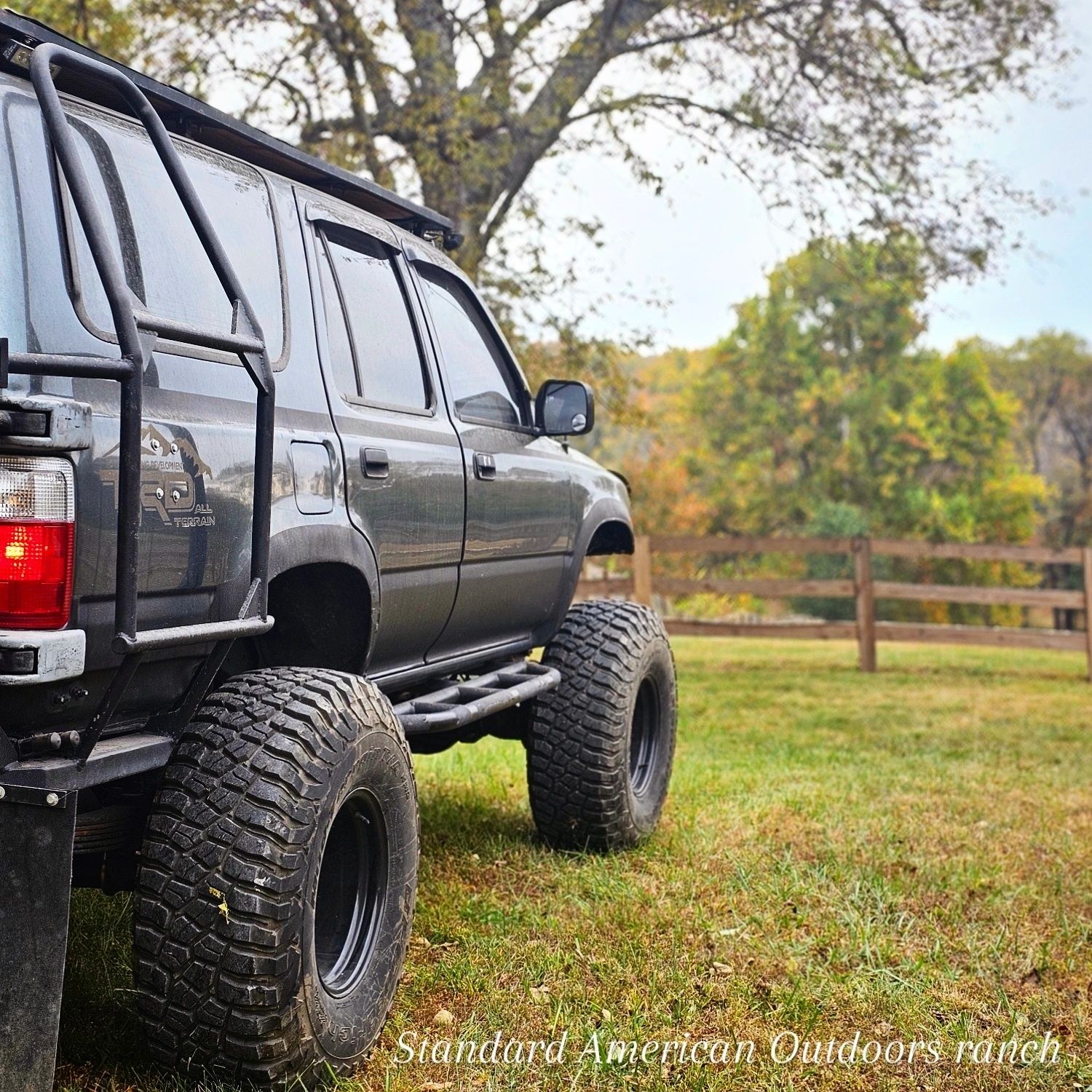
Your tires are your most important off-road component. For a trail-ready 2nd Gen, consider:
- All-Terrain (A/T) or Mud-Terrain (M/T) Tires: Choose based on your primary terrain. A/Ts offer versatility, while M/Ts excel in extreme conditions.
- Appropriate Size: Larger tires (e.g., 31-33 inches) are common, but ensure they clear your fenders and suspension components. Re-gearing differentials might be necessary for optimal performance with significantly larger tires.
- Durable Wheels: Steel or strong alloy wheels are preferred for their resilience against trail impacts.
Phase 3: Protection and Recovery – Preparing for the Unexpected
Off-roading inevitably involves impacts. Protecting your vehicle is crucial.
Underbody Armor
Install skid plates for the engine, transmission, transfer case, and fuel tank. These are vital for preventing costly damage from rocks and debris. Rock sliders are also essential to protect your rocker panels and can serve as a pivot point.
Bumpers and Winch
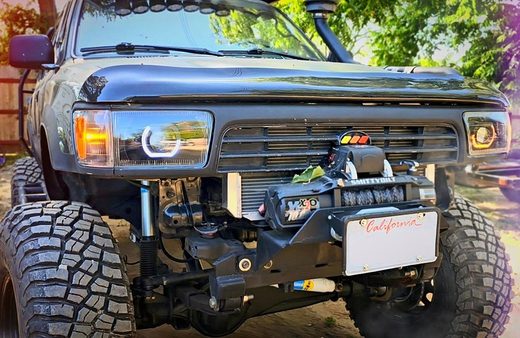
Upgrade to aftermarket steel bumpers. A front bumper with a winch mount is highly recommended for self-recovery or assisting others. A rear bumper can offer additional protection and a secure mounting point for a spare tire or recovery points.
Recovery Gear
Equip your restored 2nd Gen with essential recovery tools: a high-quality winch, recovery straps, shackles, a high-lift jack, and an on-board air compressor for airing down and up tires.
Phase 4: Interior and Electrical – Comfort and Functionality
While the focus is on trails, a comfortable and functional interior enhances the experience.
- Seating: Upgrade worn seats for better comfort and support during long drives and bumpy trails.
- Electrical System: Ensure all wiring is sound. Consider a dual battery setup for powering accessories like refrigerators, lighting, and communication devices without draining your starting battery.
- Communication: Install a CB radio or a more modern HAM radio for trail communication.
- Storage: Implement cargo management solutions like drawer systems or cargo nets to keep gear secure and organized.
Conclusion: Your Revitalized Trail Companion
Restoring a 2nd Gen 4Runner for trails is a labor of love that yields a highly capable and uniquely satisfying off-road vehicle. By systematically addressing maintenance, upgrading key components, and adding essential protection and recovery gear, you can transform an aging SUV into a reliable and formidable trail companion. The journey of restoration not only breathes new life into a classic but also deepens your connection to the vehicle and the adventures it enables. Get ready to hit the trails with confidence and pride in your revitalized 2nd Gen 4Runner.
*Ready to start your restoration project? Visit Standard American Outdoors for expert advice, quality parts, and everything you need for restoring a 2nd Gen 4Runner for trails.*