
Complete 2nd Gen 4Runner Build Guide: From Stock to Trail killer!
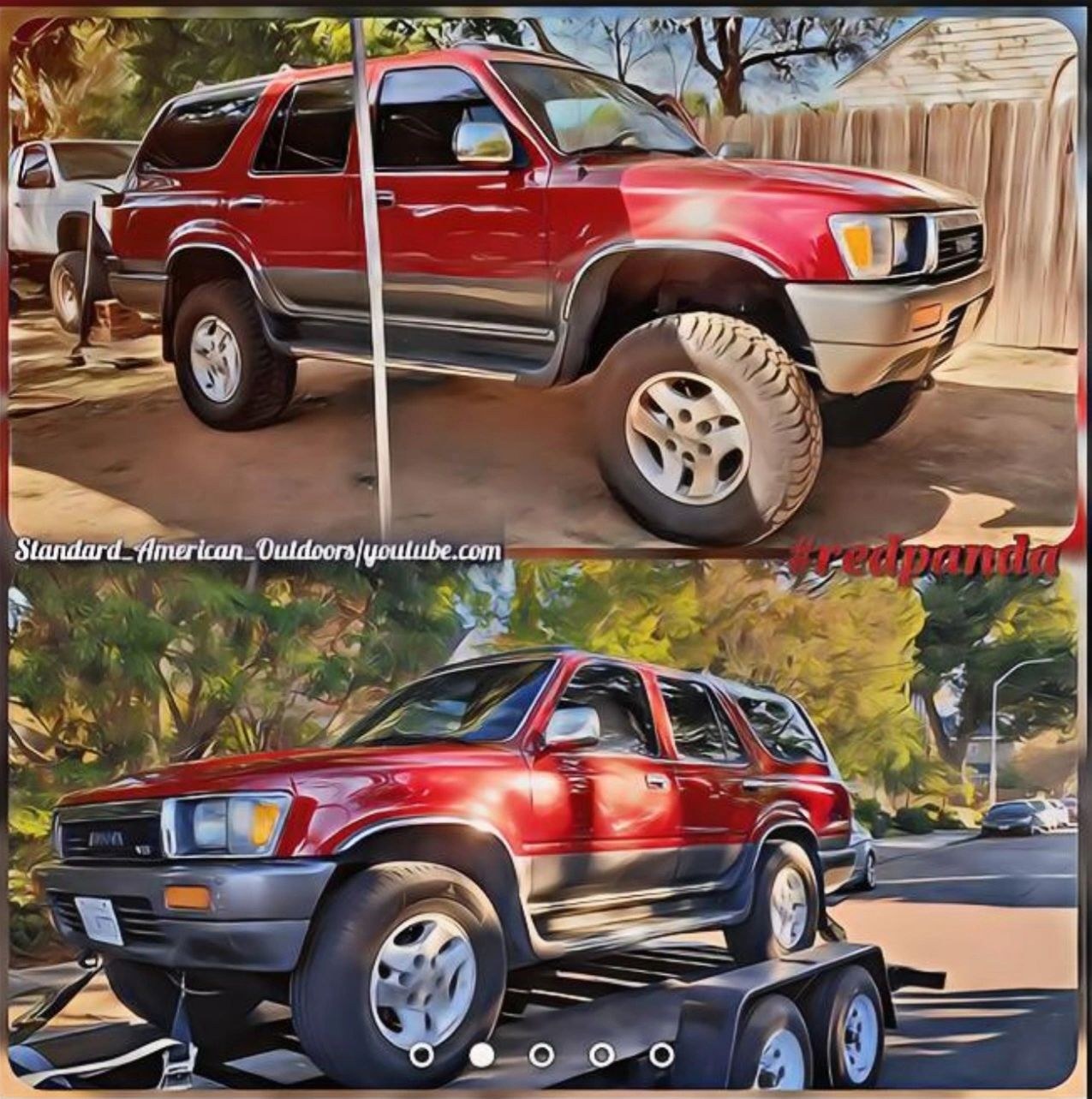
2nd gen 4Runner roof rack. 2nd gen 4Runner. 2nd gen 4Runner headlights. 2nd gen 4Runner mods. Mods 2nd gen 4Runner. 4Runner mods.
The second generation Toyota 4Runner, produced from 1990 to 1995, represents one of the most beloved and capable off-road vehicles ever manufactured. Known internally as the N120 and N130 chassis, these rugged SUVs have earned a legendary reputation among off-road enthusiasts, overlanders, and weekend warriors alike. Whether you're looking to build the ultimate trail machine, create a reliable overland expedition vehicle, or simply restore a classic piece of automotive history, this comprehensive 2nd gen 4Runner build guide will provide you with everything you need to transform your stock vehicle into a trail-ready beast.The 2nd generation 4Runner marked a significant evolution from its predecessor, introducing a more refined unibody construction while maintaining the legendary Toyota reliability and off-road capability that made the 4Runner name famous [1]. During its five-year production run, Toyota sold over 400,000 units of the second generation 4Runner, making it one of the most successful iterations of this iconic SUV [2]. Today, these vehicles have achieved cult status among enthusiasts who appreciate their perfect balance of capability, reliability, and classic 1990s styling.What sets the 2nd gen 4Runner apart from modern SUVs is its simplicity and mechanical robustness. Built during an era when Toyota prioritized durability over complexity, these vehicles feature straightforward mechanical systems that are both reliable and easily modified. The solid rear axle, robust frame construction, and proven drivetrain components make the 2nd gen 4Runner an ideal platform for modifications ranging from simple aesthetic upgrades to comprehensive off-road builds.This guide will take you through every aspect of building a 2nd generation 4Runner, from essential beginner modifications to advanced engine swaps and custom fabrication projects. We'll cover the most popular and effective modifications, provide detailed installation guidance, discuss costs and complexity levels, and help you plan a build that matches your specific needs and budget. Whether you're a first-time 4Runner owner or an experienced builder looking to take your project to the next level, this comprehensive resource will serve as your roadmap to creating the perfect 2nd gen build.The beauty of the 2nd gen 4Runner lies not just in its capability, but in its versatility. These vehicles can be built for virtually any purpose, from daily driving with light trail capability to hardcore rock crawling machines. The extensive aftermarket support, combined with the vehicle's inherent strength and reliability, means that your modification options are limited only by your imagination and budget. Throughout this guide, we'll explore builds ranging from budget-conscious weekend warriors to no-expense-spared expedition vehicles, ensuring that every reader can find inspiration and practical guidance for their own project.Understanding Your 2nd Gen 4Runner: Foundation for SuccessBefore diving into specific modifications, it's crucial to understand the foundation you're working with. The second generation 4Runner was available in several configurations, each with its own strengths and considerations for modification. The base model came equipped with the 2.4-liter 22R-E four-cylinder engine, which, while reliable and fuel-efficient, is often considered underpowered for serious off-road use or heavy modification. The more desirable SR5 models featured the 3.0-liter 3VZ-E V6 engine, which provides significantly more power and torque, making it the preferred platform for most builds.The transmission options included both manual and automatic variants, with the five-speed R150F manual transmission being highly regarded for its strength and reliability. The automatic A340F transmission, while smooth and reliable for daily driving, is often considered less desirable for serious off-road use due to its complexity and potential for overheating in demanding conditions. Understanding which drivetrain configuration you're starting with will significantly impact your modification strategy and budget planning.One of the most important aspects of the 2nd gen 4Runner is its solid rear axle configuration, which provides excellent articulation and strength for off-road use. The front independent suspension, while not as robust as a solid front axle, offers a good compromise between on-road comfort and off-road capability. This suspension setup makes the 2nd gen 4Runner an excellent platform for moderate lift kits and larger tires without requiring extensive modifications.The electrical system in the 2nd gen 4Runner is refreshingly simple compared to modern vehicles, making it easier to troubleshoot and modify. However, this simplicity also means that certain modern conveniences, such as advanced lighting systems and electronic accessories, will require more extensive modification to integrate properly. Understanding the vehicle's electrical architecture is crucial when planning lighting upgrades, auxiliary power systems, and other electronic modifications.Frame construction is another critical consideration for any 2nd gen 4Runner build. These vehicles are known for their robust ladder frame construction, but they're also notorious for rust issues, particularly in areas with harsh winters or high humidity. Before beginning any modification project, it's essential to thoroughly inspect the frame for rust damage and address any issues before proceeding with expensive modifications. A solid, rust-free frame is the foundation of any successful build, and investing in proper rust prevention and treatment will pay dividends throughout the life of your project.The interior space and cargo capacity of the 2nd gen 4Runner also play important roles in determining your build direction. While these vehicles offer excellent visibility and a commanding driving position, interior space is somewhat limited compared to modern SUVs. This constraint becomes particularly important when planning overland builds that require extensive gear storage or when considering interior modifications such as custom storage solutions or camping setups.Essential 2nd Gen 4Runner Modifications: Building Your FoundationEvery successful 2nd gen 4Runner build begins with addressing the fundamental systems that impact both safety and performance. These essential modifications form the foundation of your build and should be prioritized regardless of your ultimate goals. Whether you're planning a simple weekend trail rig or a comprehensive overland expedition vehicle, these upgrades will improve your 4Runner's capability, reliability, and safety while providing the groundwork for more advanced modifications.Lighting Upgrades: Seeing and Being SeenThe factory headlights on the 2nd generation 4Runner are widely regarded as one of the vehicle's weakest points. The original sealed beam headlights provide inadequate illumination for modern driving conditions, particularly during night driving or in adverse weather conditions. This deficiency becomes even more pronounced when driving on unlit trails or remote roads where proper visibility can be a matter of safety.Upgrading to modern LED projector headlights represents one of the most impactful modifications you can make to your 2nd gen 4Runner. Companies like Standard American Outdoors have developed specialized LED headlight systems specifically designed for the 1990-1995 4Runner, offering dramatic improvements in light output, beam pattern, and overall visibility [3]. These modern headlight systems typically provide three to four times the light output of the original sealed beam units while consuming less power and generating less heat.The installation of LED projector headlights involves more than simply replacing the bulbs. The best systems feature custom-designed housings that properly focus the LED light sources, creating sharp cutoff lines that prevent glare for oncoming traffic while maximizing illumination of the road ahead. High-quality LED headlights also incorporate features such as daytime running lights, turn signal integration, and multiple beam patterns that enhance both functionality and appearance.When selecting LED headlights for your 2nd gen 4Runner, it's important to consider factors beyond simple light output. Build quality, warranty coverage, and customer support are crucial considerations, as headlight failures can leave you stranded in dangerous situations. The best LED headlight systems feature robust construction with sealed housings, quality electrical connections, and proven reliability in harsh conditions. Standard American Outdoors' "Sinister" and "Everest" LED projector headlights have earned excellent reputations among 2nd gen 4Runner owners for their combination of performance, reliability, and value [4].The electrical requirements for LED headlight upgrades are generally minimal, as modern LED systems typically draw less current than the original sealed beam units. However, it's important to ensure that your charging system is in good condition and that all electrical connections are clean and secure. Some LED headlight systems may require additional wiring for features such as daytime running lights or turn signal integration, but most quality systems are designed for straightforward installation with minimal electrical modifications.Beyond the primary headlights, upgrading other lighting systems can significantly improve both safety and functionality. LED fog lights provide enhanced visibility in adverse weather conditions and can serve as auxiliary driving lights for trail use. Upgrading interior lighting to LED bulbs improves visibility while reducing power consumption, and adding auxiliary lighting such as light bars or pod lights can dramatically improve trail visibility for serious off-road use.Suspension and Handling ImprovementsThe suspension system of your 2nd gen 4Runner plays a crucial role in both on-road comfort and off-road capability. The factory suspension, while adequate for stock applications, often benefits from upgrades that improve handling, increase ground clearance, and enhance off-road performance. Understanding the various suspension upgrade options and their implications is essential for planning an effective build.The most common suspension modification for the 2nd gen 4Runner is a moderate lift kit that increases ground clearance while maintaining reasonable on-road manners. A two to three-inch lift kit provides significant benefits in terms of ground clearance and tire clearance while avoiding the complexity and expense of more extreme modifications. Quality lift kits from manufacturers such as Old Man Emu (OME) and All-Pro Off-Road provide carefully engineered spring rates and damping characteristics that improve both on-road handling and off-road performance [5].When selecting a lift kit for your 2nd gen 4Runner, it's important to consider your intended use and driving style. Kits designed for heavy-duty off-road use typically feature stiffer spring rates that can compromise on-road comfort, while kits optimized for daily driving may not provide adequate support for heavy loads or aggressive off-road use. The best approach is often to select a kit that slightly favors your primary use case while remaining versatile enough for occasional different applications.The installation of a lift kit involves more than simply replacing springs and shocks. Proper installation requires attention to details such as brake line extensions, differential drop brackets, and steering geometry corrections. Failure to address these details can result in poor handling, premature component wear, or even safety issues. Professional installation is often recommended for inexperienced builders, as proper suspension setup requires specialized knowledge and tools.Shock absorber selection is particularly important for 2nd gen 4Runner builds, as the shock absorbers control wheel movement and vehicle stability both on and off-road. Quality adjustable shocks allow fine-tuning of the suspension characteristics to match your specific needs and driving style. Bilstein, Fox, and King shocks are popular choices among serious builders, offering various levels of adjustability and performance [6].The impact of suspension modifications extends beyond simple ground clearance and off-road capability. A well-designed suspension upgrade can actually improve on-road handling and ride quality compared to worn factory components. Modern shock absorbers and springs often provide better damping characteristics and more consistent performance than the original equipment, resulting in improved comfort and control in all driving conditions.Tire and Wheel CombinationsSelecting the right tire and wheel combination is one of the most important decisions in any 2nd gen 4Runner build. Tires are the only contact point between your vehicle and the terrain, making them crucial for both on-road safety and off-road performance. The wheel and tire combination also significantly impacts the vehicle's appearance, fuel economy, and overall capability.The factory tire size for most 2nd gen 4Runners was either 215/75R15 or 225/75R15, depending on the specific model and year. While these sizes are adequate for stock applications, most builders choose to upgrade to larger, more aggressive tires that provide improved traction and ground clearance. Popular upgrade sizes include 31x10.50R15, 32x11.50R15, and 33x12.50R15, each offering different benefits and compromises.The choice between different tire sizes involves balancing several factors including ground clearance, traction, fuel economy, and mechanical stress on drivetrain components. Larger tires provide increased ground clearance and improved traction in most off-road conditions, but they also increase rotational mass, reduce acceleration, and place additional stress on axles, differentials, and transmission components. Understanding these trade-offs is essential for making an informed decision that matches your specific needs and priorities.Tire construction and tread pattern are equally important considerations. All-terrain tires provide a good balance of on-road comfort and off-road capability, making them ideal for vehicles that see mixed use. Mud-terrain tires offer superior traction in challenging off-road conditions but typically sacrifice on-road comfort and fuel economy. The specific tread pattern, sidewall construction, and rubber compound all impact performance characteristics and should be selected based on your primary use case.Wheel selection involves considerations of both function and form. Larger diameter wheels allow for lower-profile tires that can improve on-road handling, but they also increase the risk of wheel damage in off-road conditions and typically provide less sidewall flex for traction. Smaller diameter wheels with higher-profile tires are generally preferred for serious off-road use, as they provide better impact resistance and allow for lower air pressures that improve traction and ride quality on rough terrain.The offset and backspacing of your wheels significantly impact both appearance and performance. Wheels with less backspacing push the tires further from the vehicle centerline, improving stability and providing clearance for larger brake components, but they also increase stress on wheel bearings and suspension components. Understanding these relationships is crucial for selecting wheels that provide the desired appearance while maintaining reliability and performance.Quality wheel and tire combinations represent a significant investment, but they provide benefits that extend far beyond simple appearance improvements. Properly selected tires can dramatically improve traction in all conditions, while quality wheels provide the strength and reliability necessary for demanding off-road use. The combination of improved traction, ground clearance, and visual impact makes tire and wheel upgrades one of the most satisfying modifications for any 2nd gen 4Runner build.Intermediate 2nd Gen 4Runner Modifications: Expanding CapabilityOnce you've addressed the essential modifications that form the foundation of your build, the next step involves intermediate upgrades that significantly expand your 4Runner's capability and versatility. These modifications typically require more planning, investment, and installation complexity than basic upgrades, but they provide substantial improvements in functionality and performance that transform your vehicle from a simple transportation device into a capable adventure platform.Roof Rack Systems and Cargo SolutionsThe addition of a quality roof rack system represents one of the most practical and visually impactful modifications you can make to your 2nd gen 4Runner. The factory roof rails, while functional for basic cargo carrying, are limited in their load capacity and mounting options. A comprehensive roof rack system dramatically expands your cargo carrying capability while providing mounting points for additional accessories such as lights, awnings, and recovery equipment.Standard American Outdoors has developed a reputation for producing some of the highest quality roof rack systems specifically designed for the 2nd generation 4Runner. Their V3 roof rack system represents the culmination of years of development and real-world testing, offering exceptional strength, versatility, and integration with the vehicle's existing mounting points [7]. The modular design allows for customization based on specific needs, whether you're carrying camping gear for weekend adventures or professional equipment for extended expeditions.The engineering behind a quality roof rack system involves much more than simply providing a platform for cargo. The rack must distribute loads evenly across the vehicle's roof structure, provide secure mounting points that won't fail under stress, and maintain the vehicle's aerodynamic efficiency to minimize fuel economy impact. The best rack systems achieve these goals while also providing easy access to cargo and integration with other accessories.Installation of a comprehensive roof rack system typically requires removal of the factory roof rails and installation of new mounting points that integrate with the vehicle's structure. This process requires careful attention to sealing and waterproofing to prevent leaks, as well as proper torque specifications to ensure secure mounting without damaging the roof structure. The complexity of this installation makes it one of the more challenging intermediate modifications, but the benefits in terms of cargo capacity and versatility make it worthwhile for most builders.The load capacity of your roof rack system is determined by both the rack's design and the vehicle's roof structure. Most 2nd gen 4Runners can safely carry 150-200 pounds of evenly distributed static load on the roof, but dynamic loads during driving should be limited to approximately 75% of the static capacity to account for the additional stresses of acceleration, braking, and cornering. Understanding these limitations is crucial for safe operation and preventing damage to both the rack and the vehicle.Beyond basic cargo carrying, modern roof rack systems serve as platforms for mounting a wide variety of accessories. LED light bars can be integrated into the rack structure to provide powerful auxiliary lighting for trail use. Awnings can be mounted to provide instant shelter at campsites. Recovery equipment such as Hi-Lift jacks and traction boards can be securely mounted and easily accessible when needed. The versatility of a well-designed rack system makes it one of the most valuable modifications for adventure-oriented builds.The aerodynamic impact of roof rack systems is an important consideration, particularly for vehicles that see significant highway use. While any roof-mounted cargo will increase wind noise and reduce fuel economy, quality rack systems are designed to minimize these effects through careful attention to airflow management. Some systems incorporate wind deflectors or aerodynamic profiles that reduce turbulence and noise, making them more suitable for daily driving applications.Armor and Protection SystemsAs your 2nd gen 4Runner ventures into more challenging terrain, protection becomes increasingly important. Factory bumpers and body panels are designed for on-road use and offer minimal protection against rocks, stumps, and other trail hazards. Upgrading to purpose-built armor and protection systems not only prevents expensive damage but also provides mounting points for additional accessories and recovery equipment.Front bumper upgrades represent one of the most popular protection modifications for the 2nd gen 4Runner. A quality aftermarket bumper provides significantly better protection for the front of the vehicle while offering mounting points for winches, auxiliary lights, and recovery equipment. The best bumpers are designed to integrate with the vehicle's frame structure, distributing impact loads effectively while maintaining approach angles that don't compromise off-road performance.The selection of a front bumper involves balancing protection, functionality, and weight considerations. Heavy-duty steel bumpers provide maximum protection and strength for mounting winches and recovery equipment, but they also add significant weight to the front of the vehicle, which can impact handling and fuel economy. Aluminum bumpers offer a good compromise between protection and weight, while maintaining excellent corrosion resistance. The specific design and features of the bumper should match your intended use and aesthetic preferences.Skid plate systems provide crucial protection for vulnerable underbody components such as the oil pan, transmission, transfer case, and fuel tank. The factory skid plates on the 2nd gen 4Runner provide minimal protection and are often damaged or removed during off-road use. Aftermarket skid plate systems typically use thicker materials and more comprehensive coverage to provide real protection against rock strikes and impacts.The installation of comprehensive armor systems requires careful planning to ensure proper fit and function. Skid plates must provide adequate protection without interfering with ground clearance or component access for maintenance. Bumpers must integrate properly with the vehicle's structure and electrical systems. The cumulative weight of armor systems can significantly impact the vehicle's center of gravity and handling characteristics, making it important to consider the overall impact on vehicle dynamics.Rock sliders represent another important protection upgrade for serious off-road use. These frame-mounted protection systems guard the vehicle's rocker panels and door sills against damage from rocks and obstacles. Quality rock sliders are designed to support the vehicle's weight, allowing them to be used as jacking points or even as steps for accessing roof-mounted cargo. The installation of rock sliders typically requires welding or drilling into the frame, making professional installation advisable for inexperienced builders.Electrical System UpgradesThe electrical system of your 2nd gen 4Runner becomes increasingly important as you add accessories and modify the vehicle for adventure use. The factory electrical system, while adequate for stock applications, often requires upgrades to support additional lighting, communication equipment, refrigeration, and other accessories that enhance the vehicle's capability and comfort during extended adventures.Auxiliary battery systems represent one of the most valuable electrical upgrades for adventure-oriented builds. A dual battery setup allows you to power accessories without risking depletion of the starting battery, providing peace of mind during extended camping or when using power-hungry accessories. Modern battery isolator systems automatically manage charging and load distribution, ensuring that the starting battery remains charged while maximizing the capacity available for accessories.The selection of auxiliary battery technology involves choosing between traditional lead-acid batteries and modern lithium alternatives. Lead-acid batteries are less expensive and more tolerant of abuse, but they're also heavier and have lower energy density. Lithium batteries offer superior energy density and longer life, but they require more sophisticated charging systems and are significantly more expensive. The choice depends on your specific needs, budget, and technical comfort level.Wiring upgrades become necessary as you add accessories that draw significant current. The factory wiring harness is designed for the original equipment and may not have adequate capacity for additional loads. Upgrading to heavier gauge wiring and adding proper fusing and switching systems ensures safe and reliable operation of all electrical accessories. Professional installation is often recommended for complex electrical modifications, as improper wiring can create fire hazards or damage expensive components.Auxiliary lighting systems require careful planning to ensure proper integration with the vehicle's electrical system. High-powered LED light bars and auxiliary lights can draw significant current, requiring dedicated circuits with appropriate fusing and switching. The mounting and aiming of auxiliary lights must also comply with local regulations, as improperly aimed lights can create safety hazards for other drivers.Communication and navigation equipment represent increasingly important electrical accessories for adventure travel. Two-way radios, GPS systems, and satellite communication devices all require power and proper installation to function reliably. Planning the electrical system to support these accessories while maintaining clean installation and easy operation requires careful consideration of power requirements, mounting locations, and user interface design.Advanced 2nd Gen 4Runner Modifications: Maximum PerformanceFor builders seeking to push their 2nd gen 4Runner to the limits of performance and capability, advanced modifications offer the opportunity to create truly exceptional vehicles. These modifications typically require significant investment, advanced technical skills, and extensive planning, but they can transform your 4Runner into a machine that rivals or exceeds the capability of much more expensive modern vehicles.Engine Swaps: The Ultimate Power UpgradeThe factory 3VZ-E V6 engine in the 2nd gen 4Runner, while reliable and adequate for most applications, is often considered the limiting factor for builders seeking maximum performance. Engine swaps represent the ultimate solution for those wanting significantly more power, torque, and performance potential. Among the various engine swap options available, the Lexus 1UZ-FE V8 swap has emerged as one of the most popular and well-documented conversions for the 2nd generation 4Runner.The 1UZ-FE engine, originally found in Lexus LS400 sedans from 1990-1997, represents an ideal combination of power, reliability, and compatibility for 2nd gen 4Runner applications. This all-aluminum, quad-cam V8 produces significantly more power than the factory V6 while actually weighing less than the iron-block 3VZ-E engine it replaces [8]. The 1UZ-FE's sophisticated design includes features such as variable valve timing, electronic fuel injection, and advanced engine management systems that provide smooth power delivery and excellent reliability.The power increase from a 1UZ-FE swap is substantial, with the engine producing approximately 250-290 horsepower depending on the specific year and configuration, compared to the 150 horsepower of the factory 3VZ-E engine. More importantly, the V8 produces significantly more torque throughout the rev range, providing improved acceleration, towing capability, and overall drivability. The smooth power delivery and refined operation of the 1UZ-FE also enhance the driving experience, making the vehicle more enjoyable for both daily driving and adventure use.The complexity of a 1UZ-FE engine swap should not be underestimated. The conversion requires extensive modifications to engine mounts, wiring harnesses, cooling systems, exhaust systems, and drivetrain components. The engine management system must be properly integrated or replaced with an aftermarket solution, and numerous sensors and accessories must be relocated or modified to fit the 4Runner's engine bay. Professional installation is strongly recommended unless you have extensive experience with engine swaps and automotive electrical systems.One of the most challenging aspects of the 1UZ-FE swap is integrating the engine's sophisticated electronic systems with the 4Runner's simpler electrical architecture. The 1UZ-FE relies on numerous sensors and control modules that must be properly connected and configured for reliable operation. Many builders choose to use standalone engine management systems that simplify the wiring requirements while providing advanced tuning capabilities and diagnostic features.The cooling system modifications required for a 1UZ-FE swap are particularly important, as the V8 produces significantly more heat than the factory V6. Upgrading to a larger radiator, electric cooling fans, and improved coolant circulation is typically necessary to maintain proper operating temperatures, especially during demanding off-road use or hot weather conditions. Proper cooling system design is crucial for long-term reliability and preventing expensive engine damage.Transmission compatibility is another important consideration for 1UZ-FE swaps. While the factory R150F manual transmission can handle the increased power output with proper modifications, many builders choose to upgrade to stronger transmissions such as the W56 or even automatic transmissions for improved durability and ease of operation. The transmission choice significantly impacts the complexity and cost of the swap, as different transmissions require different mounting solutions and drivetrain modifications.Drivetrain Upgrades and ModificationsAdvanced drivetrain modifications can significantly improve your 2nd gen 4Runner's off-road capability, reliability, and performance. These upgrades typically focus on strengthening weak points in the factory drivetrain while adding features that enhance traction and control in challenging conditions. Understanding the various drivetrain upgrade options and their implications is essential for planning an effective advanced build.Differential upgrades represent one of the most impactful drivetrain modifications for serious off-road use. The factory open differentials in the 2nd gen 4Runner provide adequate traction for most conditions, but they can be limiting in challenging terrain where maximum traction is required. Upgrading to limited-slip differentials or locking differentials dramatically improves traction by ensuring that power is delivered to the wheels with the most grip.The rear differential in the 2nd gen 4Runner is typically the first priority for upgrades, as it sees the most stress during off-road use and provides the greatest traction improvement when upgraded. Popular options include the Toyota factory e-locker, aftermarket air lockers from ARB, and various limited-slip differential designs. Each option offers different benefits and compromises in terms of cost, complexity, and performance characteristics.Front differential upgrades are often considered for builds that will see extreme off-road use or competitive applications. The front differential in the 2nd gen 4Runner is generally more robust than the rear unit, but it can still benefit from upgrades in demanding applications. Front lockers provide maximum traction capability but add complexity to the steering system and require careful consideration of the impact on handling and tire wear.Axle shaft upgrades become important when running larger tires or in applications where the drivetrain will see high stress loads. The factory axle shafts in the 2nd gen 4Runner are adequate for most applications, but they can be a weak point when running large tires or in competitive off-road use. Upgraded axle shafts typically feature larger diameter shafts, stronger materials, and improved joint designs that provide greater strength and reliability.Transfer case modifications can improve the low-range gearing and overall capability of your 2nd gen 4Runner's four-wheel-drive system. The factory transfer case provides adequate performance for most applications, but it can benefit from modifications such as improved low-range gearing, stronger internal components, and enhanced lubrication systems. These modifications are particularly valuable for builds that will see extensive low-speed off-road use or heavy towing applications.Driveshaft upgrades become necessary when making significant suspension modifications or increasing power output substantially. The factory driveshafts are designed for stock applications and may not have adequate strength or proper geometry for modified vehicles. Upgraded driveshafts typically feature stronger materials, improved joint designs, and custom lengths that accommodate suspension modifications while maintaining proper operating angles.Suspension Engineering and Custom SolutionsAdvanced suspension modifications go far beyond simple lift kits to create custom solutions that optimize performance for specific applications. These modifications typically involve extensive engineering and fabrication work to create suspension systems that provide superior performance, adjustability, and reliability compared to off-the-shelf solutions.Custom long-travel suspension systems represent the ultimate in off-road performance for the 2nd gen 4Runner. These systems typically involve significant modifications to the vehicle's suspension mounting points, control arm geometry, and shock absorber mounting to achieve greater wheel travel and improved performance in high-speed off-road conditions. The complexity and cost of these modifications make them suitable only for dedicated off-road builds or competitive applications.The engineering behind custom suspension systems requires careful consideration of factors such as wheel travel, suspension geometry, spring rates, and damping characteristics. Improper suspension geometry can result in poor handling, excessive tire wear, or even dangerous handling characteristics. Professional design and installation is typically required for custom suspension systems, as the engineering requirements exceed the capabilities of most amateur builders.Coilover suspension systems offer a more accessible approach to advanced suspension modifications while still providing significant performance improvements over stock systems. Quality coilover systems allow precise adjustment of ride height, spring preload, and damping characteristics, enabling fine-tuning of the suspension for specific conditions or preferences. The best coilover systems feature remote reservoirs, multiple adjustment ranges, and robust construction that can withstand demanding off-road use.Air suspension systems provide the ultimate in adjustability and versatility for 2nd gen 4Runner builds. These systems allow on-the-fly adjustment of ride height and spring rates, enabling the vehicle to be optimized for different conditions or loads. Air suspension systems are particularly valuable for vehicles that see mixed use, as they can provide comfortable on-road ride quality while still offering excellent off-road capability when needed.The integration of advanced suspension systems with other vehicle modifications requires careful planning and engineering. Suspension modifications can impact brake line routing, exhaust system clearance, and drivetrain geometry. The cumulative effect of multiple modifications must be considered to ensure that all systems work together harmoniously and that the vehicle remains safe and reliable in all operating conditions.Custom Fabrication and Unique SolutionsThe most advanced 2nd gen 4Runner builds often incorporate custom fabrication work that creates unique solutions for specific needs or applications. Custom fabrication allows builders to create exactly what they need while ensuring perfect fit and integration with their specific vehicle and modification goals. However, custom fabrication requires advanced skills, specialized tools, and significant time investment.Roll cage construction represents one of the most common custom fabrication projects for serious off-road builds. A properly designed and constructed roll cage provides crucial safety protection while also serving as mounting points for accessories and interior components. Roll cage design must balance protection, weight, and interior space considerations while meeting applicable safety standards for the intended use.The materials and construction techniques used in roll cage fabrication are critical for both safety and performance. DOM (Drawn Over Mandrel) steel tubing is typically preferred for its strength and consistency, while proper welding techniques and joint design ensure maximum strength and reliability. Professional fabrication is strongly recommended for roll cages, as improper construction can actually increase injury risk in an accident.Custom bumper and armor fabrication allows builders to create protection systems that perfectly match their specific needs and aesthetic preferences. Custom fabrication enables integration of features such as winch mounts, light mounts, and recovery points in exactly the desired locations and configurations. The design process must consider factors such as approach angles, weight distribution, and integration with other vehicle systems.Interior modifications often require custom fabrication to create storage solutions, seating arrangements, and accessory mounting that maximize the limited space available in the 2nd gen 4Runner. Custom center consoles, storage boxes, and equipment mounts can dramatically improve the functionality and organization of the interior space. The design of custom interior components must consider safety, accessibility, and integration with existing vehicle systems.Exhaust system fabrication becomes necessary when making significant engine or suspension modifications that affect the routing or clearance of the factory exhaust system. Custom exhaust systems can also provide performance improvements through better flow characteristics and reduced restrictions. The design of custom exhaust systems must consider factors such as ground clearance, heat management, and noise levels while ensuring compliance with applicable regulations.Planning Your 2nd Gen 4Runner Build: Strategy and ExecutionSuccessful 2nd gen 4Runner builds require careful planning, realistic budgeting, and systematic execution. The difference between a successful build that provides years of reliable service and an expensive disappointment often lies in the quality of the initial planning and the discipline to execute that plan systematically. Understanding the various factors that influence build success will help you create a project that meets your goals while staying within your budget and timeline constraints.Defining Your Build Goals and PrioritiesThe first step in any successful 2nd gen 4Runner build is clearly defining your goals and priorities. Different intended uses require different modification approaches, and trying to build a vehicle that excels at everything often results in a compromise that excels at nothing. Whether you're building a daily driver with light trail capability, a dedicated weekend warrior, or an expedition vehicle for extended adventures, having clear goals will guide every decision throughout the build process.Daily driver builds typically prioritize reliability, comfort, and fuel economy while adding modest capability improvements. These builds often focus on quality-of-life improvements such as LED lighting upgrades, modest suspension improvements, and practical accessories that enhance the vehicle's utility without compromising its primary transportation role. The key to successful daily driver builds is restraint and focus on modifications that provide real benefits without creating maintenance burdens or reliability concerns.Weekend warrior builds can afford to prioritize capability over comfort, as the vehicle's primary role is recreational rather than transportation. These builds often incorporate more aggressive modifications such as larger lift kits, more capable tires, and specialized off-road equipment. The challenge with weekend warrior builds is balancing capability with the need for reasonable on-road manners for the drive to and from trail destinations.Expedition builds prioritize reliability, range, and self-sufficiency above all else. These vehicles must be capable of traveling thousands of miles through remote areas while carrying all necessary supplies and equipment. Expedition builds often incorporate features such as auxiliary fuel tanks, comprehensive tool kits, spare parts inventories, and communication equipment that enable extended travel in areas far from civilization.Competition builds focus on maximum performance in specific disciplines such as rock crawling, desert racing, or trail competitions. These builds often sacrifice comfort, fuel economy, and even reliability in pursuit of maximum capability in their chosen discipline. Competition builds require the most extensive modifications and typically involve custom fabrication work that creates purpose-built machines optimized for specific conditions.Budgeting and Financial PlanningRealistic budgeting is crucial for any successful 2nd gen 4Runner build, as modification costs can quickly spiral out of control without proper planning and discipline. The key to effective budgeting is understanding the true cost of modifications, including not just the parts themselves but also installation costs, supporting modifications, and ongoing maintenance requirements.The initial purchase price of your 2nd gen 4Runner represents just the beginning of your financial investment. A solid, rust-free example with good mechanical condition will cost more initially but will save money throughout the build process by avoiding expensive repairs and restoration work. Conversely, a cheaper vehicle with significant issues may seem like a bargain initially but can quickly become a money pit as hidden problems are discovered and addressed.Modification costs vary dramatically depending on the quality of components selected and whether you perform the work yourself or hire professionals. High-quality components from reputable manufacturers typically cost more initially but provide better performance, reliability, and longevity than cheaper alternatives. The false economy of cheap parts becomes apparent when they fail prematurely or require frequent replacement, ultimately costing more than quality components would have initially.Labor costs can represent a significant portion of your build budget, particularly for complex modifications that require specialized skills or tools. While performing work yourself can save money, it's important to honestly assess your skills and available time. Some modifications, such as engine swaps or custom fabrication work, are best left to professionals unless you have extensive experience and proper facilities.Supporting modifications often represent hidden costs that aren't immediately apparent when planning individual upgrades. For example, installing larger tires may require not only the tires and wheels themselves but also suspension modifications, brake upgrades, and drivetrain strengthening. Understanding these interconnections is crucial for accurate budgeting and avoiding unpleasant surprises during the build process.Ongoing maintenance and operating costs should also be factored into your budget planning. Modified vehicles typically require more frequent maintenance, specialized fluids, and replacement parts that may be more expensive than stock components. Fuel economy often suffers with modifications such as larger tires and increased weight, resulting in higher operating costs throughout the vehicle's life.Timeline and Project ManagementSuccessful 2nd gen 4Runner builds require realistic timeline planning and effective project management to avoid frustration and ensure completion. The complexity of modern builds, combined with the challenges of parts availability and scheduling professional services, means that most builds take significantly longer than initially anticipated. Planning for these realities from the beginning helps maintain momentum and prevents projects from stalling indefinitely.The sequence of modifications is crucial for efficient project execution and cost control. Some modifications must be completed before others can be installed, while certain combinations of work can be performed simultaneously to save time and labor costs. For example, suspension modifications should typically be completed before alignment work, and electrical system upgrades should be planned to accommodate future accessory installations.Parts availability can significantly impact project timelines, particularly for specialized components or custom fabrication work. Popular modifications may have long lead times during peak building seasons, while custom work can take months to complete. Ordering parts well in advance and having backup plans for critical components helps prevent project delays and maintains momentum throughout the build process.Professional service scheduling often represents the biggest challenge in project timeline management. Quality shops that specialize in 4Runner modifications are often booked weeks or months in advance, particularly during peak building seasons. Planning professional services well in advance and maintaining flexibility in your timeline helps ensure that your project stays on track despite scheduling challenges.Weather and seasonal considerations can also impact build timelines, particularly for projects that involve outdoor work or require specific environmental conditions. Paint work, for example, requires controlled temperature and humidity conditions, while some modifications are more easily performed in warm weather when working outdoors is more comfortable.Quality Control and TestingMaintaining quality control throughout your 2nd gen 4Runner build is essential for ensuring safety, reliability, and performance. Every modification should be thoroughly tested and validated before moving on to the next phase of the build. This systematic approach helps identify and address issues early in the process when they're easier and less expensive to correct.Installation quality is particularly important for safety-critical modifications such as suspension components, brake systems, and steering modifications. Proper torque specifications, thread locker application, and safety wire installation where appropriate are essential for preventing component failures that could result in accidents or injuries. When in doubt, professional installation or inspection is always the safer choice.Break-in procedures are important for many modifications, particularly engine and drivetrain components. New or rebuilt components often require specific break-in procedures to ensure proper seating and longevity. Following manufacturer recommendations for break-in procedures and initial service intervals helps ensure that your modifications provide reliable service throughout their intended lifespan.Testing and validation should be performed systematically, starting with basic functionality and progressing to more demanding conditions. Initial testing should be performed in controlled conditions where help is readily available if problems arise. Gradually increasing the difficulty and duration of testing helps identify potential issues before they become serious problems in remote locations.Documentation of your build process, including parts specifications, installation procedures, and testing results, provides valuable reference information for future maintenance and troubleshooting. Detailed records also help maintain warranty coverage and can be valuable when selling the vehicle or seeking professional service from shops unfamiliar with your specific modifications.Conclusion: Building Your Dream 2nd Gen 4RunnerThe second generation Toyota 4Runner represents one of the most versatile and capable platforms for building the ultimate adventure vehicle. Whether your goals involve simple weekend trail runs or extended expeditions into remote wilderness areas, the 2nd gen 4Runner provides an excellent foundation that can be modified to meet virtually any requirement. The key to success lies in careful planning, realistic budgeting, and systematic execution of a well-thought-out build plan.The modifications covered in this comprehensive guide represent just a fraction of the possibilities available for the 2nd gen 4Runner platform. The extensive aftermarket support, combined with the vehicle's robust construction and proven reliability, means that your modification options are limited only by your imagination and budget. From simple lighting upgrades that improve safety and visibility to complex engine swaps that transform performance, every modification contributes to creating a vehicle that perfectly matches your specific needs and preferences.The 2nd gen 4Runner community represents one of the most knowledgeable and supportive enthusiast groups in the automotive world. Forums, social media groups, and local clubs provide invaluable resources for builders at every level, from beginners seeking basic guidance to experts sharing advanced techniques and solutions. Engaging with this community not only provides technical support but also connects you with like-minded individuals who share your passion for these exceptional vehicles.As you embark on your 2nd gen 4Runner build journey, remember that the process is often as rewarding as the final result. Each modification teaches valuable skills and provides deeper understanding of your vehicle's systems and capabilities. The satisfaction of completing a challenging installation or solving a complex problem is matched only by the confidence that comes from knowing every system in your vehicle intimately.The investment in building a proper 2nd gen 4Runner extends far beyond the financial costs. The skills learned, relationships formed, and adventures enabled by a well-built vehicle provide value that far exceeds the monetary investment. Whether you're exploring remote trails, embarking on cross-country expeditions, or simply enjoying the confidence that comes from driving a capable and reliable vehicle, a properly built 2nd gen 4Runner opens doors to experiences that would otherwise be impossible.For those ready to begin their 2nd gen 4Runner build journey, companies like Standard American Outdoors provide the high-quality components and expert guidance necessary for success. Their specialized focus on the 2nd generation 4Runner ensures that every product is designed specifically for these vehicles, providing the perfect fit and optimal performance that generic parts simply cannot match. From their industry-leading LED headlight systems to their innovative roof rack solutions, Standard American Outdoors represents the pinnacle of 2nd gen 4Runner modification expertise.The future of 2nd gen 4Runner building looks brighter than ever, with new products and solutions constantly being developed by innovative companies and passionate enthusiasts. As these vehicles continue to appreciate in value and gain recognition for their exceptional capability and character, the investment in proper modifications becomes not just a path to better performance but also a way to preserve and enhance these automotive icons for future generations.Your 2nd gen 4Runner build represents more than just a collection of modifications; it's a reflection of your priorities, preferences, and dreams. Whether you choose to focus on simple, practical improvements or embark on a comprehensive transformation, the journey of building your perfect 2nd gen 4Runner will provide years of satisfaction and enable countless adventures that create memories to last a lifetime.References[1] Toyota Motor Corporation. (1990). Toyota 4Runner Second Generation Technical Specifications. Toyota Press Release Archive.[2] Automotive News. (1995). Toyota 4Runner Production Statistics 1990-1995. Automotive Industry Database.[3] Standard American Outdoors. (2024). LED Projector Headlight Systems for 2nd Generation Toyota 4Runner. https://standardamericanoutdoors.com/[4] 4Runner Forum Community. (2024). 2nd Gen 4Runner LED Headlight Reviews and Comparisons. https://www.4runners.com/forums/2nd-gen-4runners-1990-1995.15/[5] All-Pro Off-Road. (2024). Suspension Systems for 1990-1995 Toyota 4Runner. https://allprooffroad.com/shop-by-vehicle/90-95-4runner.html[6] Bilstein Shock Absorbers. (2024). 4600 Series Shock Absorbers for Toyota 4Runner Applications. Bilstein Technical Documentation.[7] Standard American Outdoors. (2024). V3 Roof Rack System for 2nd Generation Toyota 4Runner. https://standardamericanoutdoors.com/[8] Lexus-Toyota UZFE Engine Database. (2024). 1UZ-FE Engine Specifications and Swap Documentation. https://www.lextreme.com/This comprehensive guide represents the collective knowledge and experience of the 2nd generation Toyota 4Runner community. For the latest products, technical support, and expert guidance on your 2nd gen 4Runner build, visit Standard American Outdoors at https://standardamericanoutdoors.com/