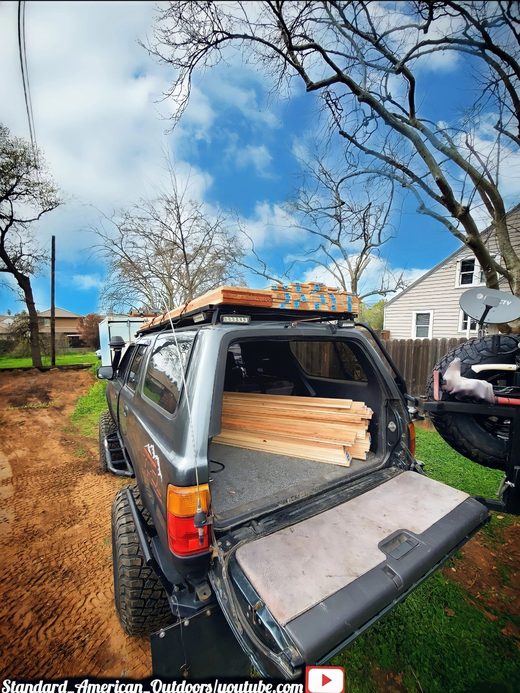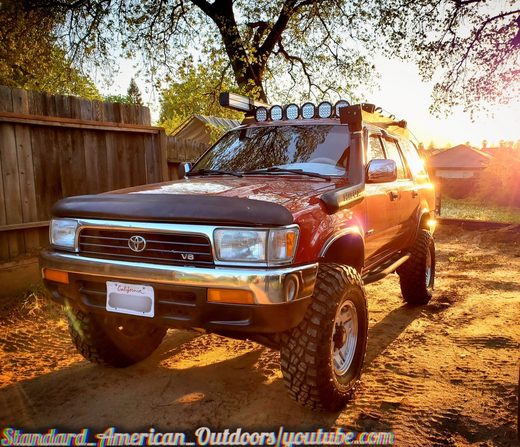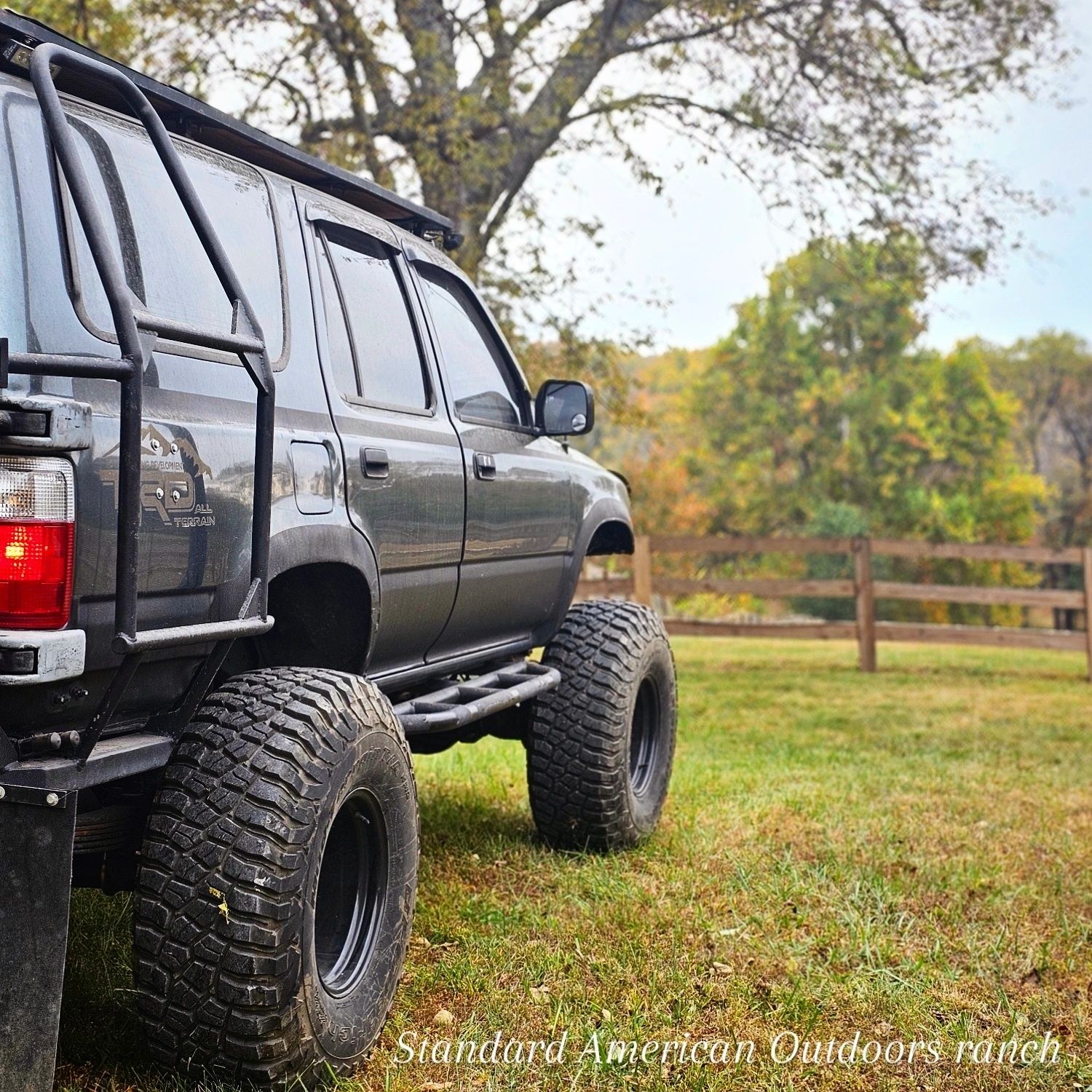
Head-to-Head! Comparing 2nd Gen T4R to 3rd Gen Off-Road!
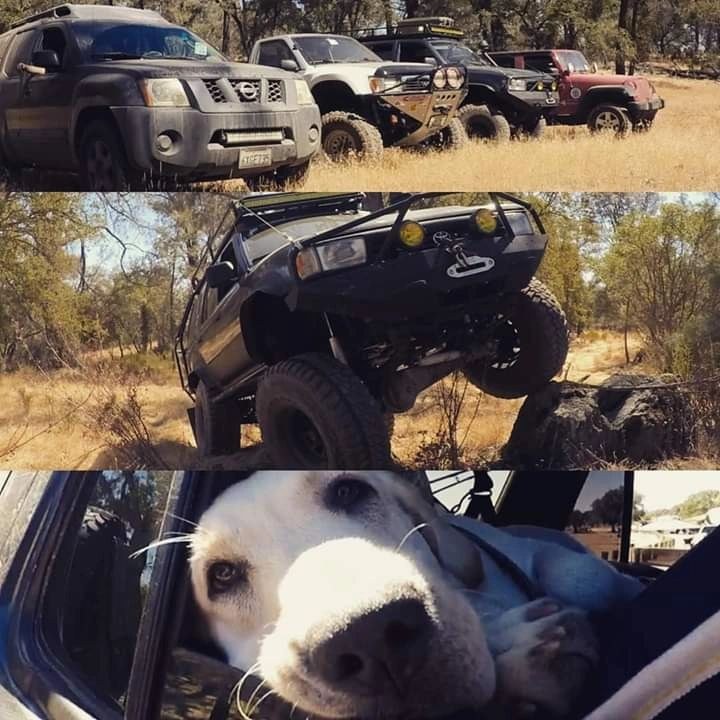
Head-to-Head: Comparing 2nd Gen 4Runner to 3rd Gen Off-Road Capability
For enthusiasts of Toyota’s legendary SUV, the debate between the 2nd Gen 4Runner (1990-1995) and the 3rd Gen 4Runner (1996-2002) is a perennial one, especially when it comes to off-road capability. Both generations are highly regarded for their ruggedness and reliability, but they represent distinct evolutionary steps in the 4Runner lineage. If you’re weighing your options or simply curious about the nuances, this article provides a detailed comparison of the 2nd Gen 4Runner to 3rd Gen off-road performance, highlighting their strengths, weaknesses, and what makes each a formidable contender on the trails.
The Foundational Differences: Chassis and Suspension
2nd Gen 4Runner: The Robust Traditionalist
The 2nd Gen 4Runner retains a more traditional, heavy-duty approach to its chassis and suspension. It features a robust body-on-frame construction, providing exceptional durability and torsional rigidity, which is crucial for enduring the stresses of challenging off-road terrain. The front suspension is an independent front suspension (IFS) system, while the rear utilizes a coil-sprung solid axle. This combination offers a good balance of on-road comfort and off-road articulation, particularly in the rear. Its mechanical simplicity is a hallmark, making it a favorite for those who prefer straightforward repairs and modifications. When comparing 2nd Gen 4Runner to 3rd Gen off-road, the 2nd Gen often appeals to purists who value its more truck-like feel and simpler mechanics.
3rd Gen 4Runner: The Refined Evolution
The 3rd Gen 4Runner, while still body-on-frame, introduced significant refinements, particularly in its suspension design. It features a more advanced independent front suspension system that provides improved on-road handling, better ride comfort, and still maintains impressive off-road articulation. The rear also uses a coil-sprung solid axle, but with a more sophisticated multi-link design that enhances both ride quality and wheel travel. This generation aimed to blend off-road prowess with greater everyday usability and comfort. For many, the 3rd Gen represents a sweet spot in the 4Runner’s evolution, offering a more modern driving experience without sacrificing its core off-road DNA. This is a key point when comparing 2nd Gen 4Runner to 3rd Gen off-road capabilities.
Powertrain: Engines and Drivetrain
2nd Gen 4Runner: The Workhorses
The 2nd Gen 4Runner was offered with two primary engines: the 2.4-liter 22R-E four-cylinder and the 3.0-liter 3VZ-E V6. The 22R-E is legendary for its reliability and simplicity, though it can feel underpowered in the heavier 2nd Gen. The 3VZ-E V6 offered more power but gained a notorious reputation for head gasket issues. Both engines were paired with a part-time 4WD system featuring a two-speed transfer case, providing high and low range options. The low-range gearing is effective for technical crawling, but the engines themselves can sometimes limit aggressive off-road performance without modifications. This is a crucial aspect when comparing 2nd Gen 4Runner to 3rd Gen off-road performance.
3rd Gen 4Runner: The Power Upgrade
The 3rd Gen 4Runner significantly improved its powertrain offerings. The standout engine was the 3.4-liter 5VZ-FE V6, which provided a substantial boost in horsepower and torque over the 3VZ-E, along with vastly improved reliability. This engine is widely regarded as one of Toyota’s best. The 3rd Gen also introduced a more advanced multi-mode 4WD system, which allowed for driving in 2WD, part-time 4WD, and full-time 4WD (on some models), offering greater flexibility. Crucially, many 3rd Gen models came with an optional factory rear differential locker, a game-changer for off-road traction. This factory locker is a major advantage when comparing 2nd Gen 4Runner to 3rd Gen off-road capabilities, as it provides instant traction without aftermarket modifications.
Off-Road Features and Aftermarket Support
2nd Gen 4Runner: A Blank Canvas
The 2nd Gen 4Runner, while capable in stock form, truly shines with aftermarket modifications. Its mechanical simplicity makes it an excellent platform for DIY enthusiasts. A vast array of aftermarket parts exists, from suspension lifts and heavy-duty bumpers to rock sliders and engine swap kits (like the popular 5VZ-FE or 1UZ-FE V8 swaps). The iconic power rear window is a unique feature that many off-roaders appreciate for ventilation and cargo access. The 2nd Gen is often seen as a blank canvas, allowing owners to build a highly customized rig tailored to their specific off-road needs. This customization potential is a strong point when comparing 2nd Gen 4Runner to 3rd Gen off-road.
3rd Gen 4Runner: Factory-Equipped Advantage
The 3rd Gen 4Runner benefits from its more modern design and factory off-road enhancements. The optional rear differential locker is a significant advantage, providing superior traction in challenging situations. Its slightly wider stance and improved suspension geometry also contribute to its stability on uneven terrain. Aftermarket support for the 3rd Gen is equally extensive, with a plethora of options for lifts, armor, and performance upgrades. While it offers more out-of-the-box, it also provides ample room for further customization. The blend of factory capability and aftermarket potential makes the 3rd Gen a very attractive option when comparing 2nd Gen 4Runner to 3rd Gen off-road.
Conclusion: Which is the Better Off-Roader?
Ultimately, the choice between a 2nd Gen 4Runner and a 3rd Gen for off-road adventures depends on individual preferences and priorities. The 2nd Gen appeals to those who appreciate mechanical simplicity, a more raw driving experience, and the satisfaction of building a highly customized rig from a robust, albeit older, platform. It’s a testament to enduring Toyota engineering and a true classic.
The 3rd Gen, on the other hand, offers a more refined driving experience, a significantly more powerful and reliable stock engine (the 5VZ-FE), and the distinct advantage of a factory rear locker on many models. It provides a more modern feel while retaining all the essential off-road DNA. For many, the 3rd Gen offers a better balance of daily drivability and off-road capability without requiring as many immediate modifications.
Both generations are exceptional off-road vehicles that have earned their place in Toyota history. Your decision will likely come down to whether you prefer the classic, more hands-on approach of the 2nd Gen or the more modern, factory-enhanced capability of the 3rd Gen. Whichever you choose, you’ll be getting a legendary Toyota 4Runner ready for adventure.
*Ready to hit the trails? Whether you prefer the 2nd Gen or 3rd Gen, Standard American Outdoors has the parts and expertise to get your 4Runner adventure-ready. Explore our selection and join the community passionate about comparing 2nd Gen 4Runner to 3rd Gen off-road capabilities.*
Tired of squinting on night drives? We build the ATOM LED projector headlights for the 90–95 trucks — shipped from Delaware.