
How to Build a 2nd Gen 4Runner for Off-Road: Your Ultimate Guide
3.4L engine swap, 5VZ-FE swap guide, 4Runner engine upgrade, Tacoma engine swap, wiring harness conversion
How to Build a 2nd Gen 4Runner for Off-Road: Your Ultimate Guide to Trail Dominance
The 2nd Gen Toyota 4Runner, produced from 1990 to 1995, holds a special place in the hearts of off-road enthusiasts. Renowned for its robust construction, legendary reliability, and immense customization potential, it’s an ideal platform for creating a formidable trail machine. If you’re asking yourself, "How to build a 2nd Gen 4Runner for off-road?" you’re in the right place. This comprehensive guide will walk you through the essential steps and considerations to transform your 2nd Gen into a capable and dependable off-road warrior, ready to conquer any trail.
Step 1: Assess Your Starting Point and Define Your Goals
Before diving into modifications, it’s crucial to thoroughly inspect your 2nd Gen 4Runner. Look for rust, inspect the frame, check the condition of the engine and drivetrain, and address any pressing maintenance issues. A solid foundation is paramount for a reliable off-road build. Next, define your off-road goals. Are you aiming for light trail exploration, overlanding, rock crawling, or a balanced daily driver that can handle weekend adventures? Your objectives will dictate the type and extent of modifications needed. Understanding how to build a 2nd Gen 4Runner for off-road effectively begins with a clear vision.
Step 2: Suspension System – The Foundation of Off-Road Capability
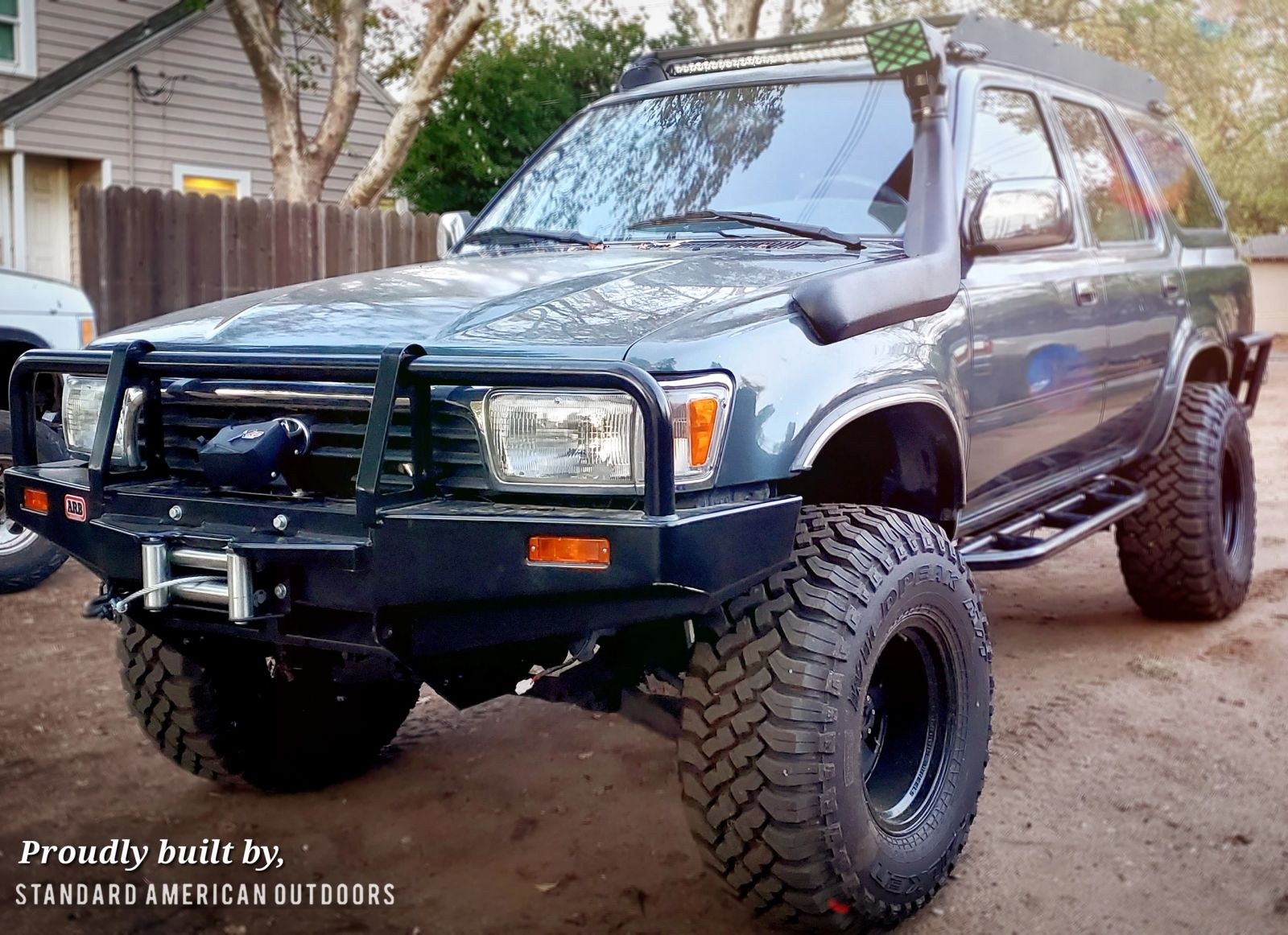
One of the most critical upgrades for any off-road vehicle is the suspension. A quality suspension lift will increase ground clearance, improve wheel articulation, and allow for larger tires. For the 2nd Gen 4Runner, popular options include:
- Old Man Emu (OME) Kits: Known for their balanced performance, offering improved ride quality and increased capability without being overly aggressive. They are a popular choice for those learning how to build a 2nd Gen 4Runner for off-road with a focus on reliability.
- Coilover Conversions: For more serious builds, converting the front independent suspension to coilovers can offer greater adjustability and performance, especially for high-speed desert running or aggressive rock crawling.
- Leaf Spring Swaps (Rear): While the 2nd Gen comes with coil springs in the rear, some enthusiasts opt for a leaf spring conversion for increased load capacity and articulation, particularly for heavy overlanding setups.
When considering how to build a 2nd Gen 4Runner for off-road, remember that a proper suspension setup is key to both performance and safety.
Step 3: Tires and Wheels – Your Connection to the Terrain
After the suspension, tires are arguably the most impactful upgrade. They are your only contact with the ground, and the right set can dramatically improve traction and capability. For off-road use, consider:
- All-Terrain (A/T) Tires: A great all-around choice for mixed on-road and off-road driving, offering good traction in various conditions without excessive road noise.
- Mud-Terrain (M/T) Tires: Designed for maximum grip in mud, rocks, and loose terrain. They excel off-road but can be louder and wear faster on pavement.
Pair your tires with durable steel or alloy wheels. Many off-roaders prefer a smaller wheel diameter (e.g., 15-16 inches) to allow for more tire sidewall, which provides better cushioning and flex over obstacles. Choosing the right tires is a fundamental aspect of how to build a 2nd Gen 4Runner for off-road success.
Step 4: Underbody Protection – Shielding Your Investment
Off-roading inevitably involves impacts with rocks, logs, and other obstacles. Protecting vital components is crucial. Essential armor includes:
- Skid Plates: Covering the oil pan, transmission, transfer case, and fuel tank. These prevent costly damage from impacts.
- Rock Sliders: Mounted to the frame, these protect your rocker panels from damage and can also serve as a pivot point over obstacles.
- Bumpers: Aftermarket steel bumpers offer superior protection compared to stock plastic bumpers and provide mounting points for winches and recovery gear. Learning how to build a 2nd Gen 4Runner for off-road means understanding the importance of defense.
Step 5: Drivetrain Enhancements – Maximizing Traction
To truly unlock the off-road potential of your 2nd Gen, consider drivetrain upgrades:
- Locking Differentials (Lockers): These force both wheels on an axle to spin at the same speed, providing maximum traction when one wheel loses grip. Air lockers (ARB) or automatic lockers (Detroit, Lock-Right) are popular choices.
- Re-gearing: If you install significantly larger tires, re-gearing your differentials to a lower ratio will restore lost power and improve crawl control, making your 2nd Gen more effective at slow-speed technical driving. This is a key step in how to build a a 2nd Gen 4Runner for off-road that performs optimally.
Step 6: Recovery Gear and Accessories – Be Prepared
No off-road build is complete without essential recovery gear:
- Winch: A front-mounted winch is invaluable for self-recovery or assisting others.
- Recovery Straps and Shackles: For safe vehicle recovery.
- High-Lift Jack: A versatile tool for lifting, winching, and spreading.
- On-Board Air Compressor: For airing down tires on the trail and airing back up for the road.
- Lighting: Upgraded LED light bars or spot lights improve visibility during night runs.
These accessories are vital for safe and responsible off-roading, ensuring you’re prepared for any situation. They are integral to understanding how to build a 2nd Gen 4Runner for off-road adventures.
Conclusion: Your Trail-Ready 2nd Gen Awaits
Building a 2nd Gen 4Runner for off-road use is a rewarding journey that combines mechanical skill with a passion for adventure. By focusing on a solid foundation, strategic suspension and tire upgrades, robust protection, and essential recovery gear, you can create a highly capable vehicle that will reliably take you to remote destinations. The 2nd Gen’s inherent durability and aftermarket support make it an excellent choice for anyone looking to craft their ultimate off-road machine. Embrace the process, learn from the community, and enjoy the unparalleled freedom that comes with a properly built 2nd Gen 4Runner for off-road exploration.
*Ready to start your build? Visit Standard American Outdoors for all the parts, accessories, and expert advice you need on how to build a 2nd Gen 4Runner for off-road dominance.*