How to Build a 2nd Gen 4Runner for Overlanding & Camping (90–95)
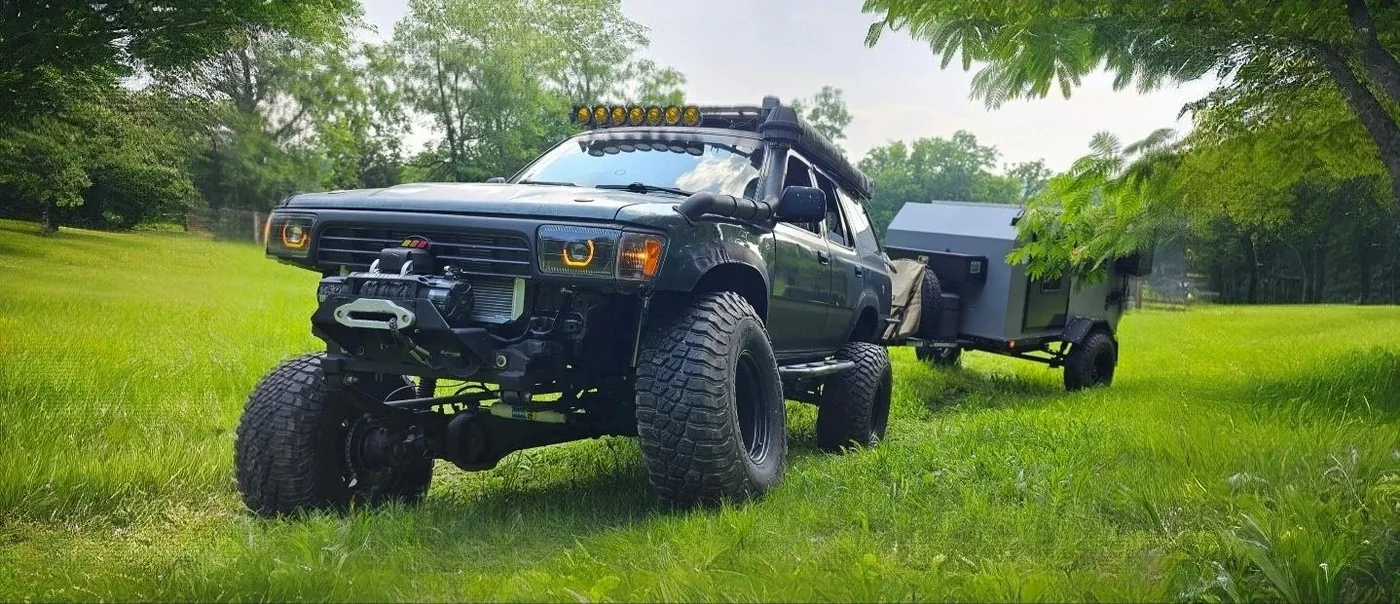
2nd gen 4runner build. best 2nd gen 4runner build.
How to Build a 2nd Gen 4Runner for Overlanding & Camping (1990–1995)
The 2nd gen Toyota 4Runner is one of the best overlanding platforms ever built — rugged, reliable, genuinely capable off-road, and just the right size to live out of without being unwieldy on tight trails. Its boxy shape and upright roofline practically beg for a rooftop tent and a roof full of gear. If you want to turn your 2nd gen into a trail-ready basecamp, here's how to build it the right way, from the foundation up to the rooftop tent.
Start With a Capable, Reliable Foundation
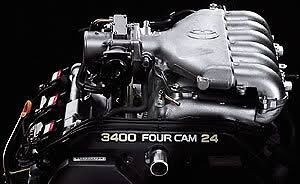
Before you load up for the backcountry, the truck itself has to be trail-worthy. Overlanding takes you far from help, so reliability isn't optional — make sure the mechanicals are sorted first: a healthy cooling system, fresh fluids, a tight front end, and good brakes. Knock out any deferred maintenance before you start hanging gear on it.
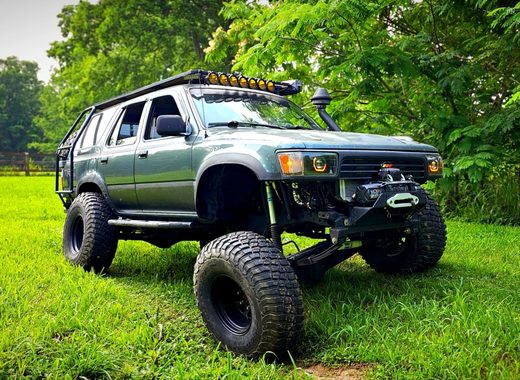
From there, the off-road foundation is suspension and tires. A quality lift gives you the ground clearance to clear obstacles and the room to run larger, more capable all-terrain tires — the two upgrades that do the most for real-world capability. On the 2nd gen, a complete 3-inch lift is the sweet spot, opening up the popular 33-inch tire range while keeping the truck comfortable on the long highway miles between trailheads. The SAO 89–95 Complete 3" Lift Kit is built specifically for this platform and gives you that balanced, level stance to build on.
The Roof Rack: Your Most Valuable Real Estate
For an overland build, the roof is prime storage real estate — and the 2nd gen's flat, upright roofline makes it an ideal platform. A quality roof rack lets you carry the bulky, lightweight gear that eats up interior space: a rooftop tent, an awning, traction boards, fuel and water cans, and more.
The key word is *quality*. This is where the SAO V3 Roof Rack earns its place — it's the only roof rack on the market built specifically for the 2nd gen 4Runner, and it's the heaviest-duty rack in the SAO lineup, designed from the ground up to handle a rooftop tent and serious gear. With thick aluminum sides and .100 wall steel cross bars, it mounts directly to the roof via 14 steel rivnuts with Grade 8 hardware, yet raises roof height just 2.25 inches for a low profile — and an optional wind deflector keeps highway noise down. It's exactly the kind of purpose-built foundation a rooftop tent demands.
Rooftop Tent: Understand Load Ratings First
A rooftop tent is the centerpiece of most overland builds — it gets you up off the cold, wet, critter-filled ground, sets up in minutes, and frees your cabin and cargo area for everything else. But before you buy one, you need to understand two numbers, because they're what keep your setup safe:
Dynamic load is how much weight your rack and roof can safely carry *while driving* — when the gear is bouncing and shifting over bumps. This is the lower, more limiting number, and it's what a folded rooftop tent counts against while you're on the road.
Static load is how much the setup can hold *while parked* — when the tent is open and you and your gear are in it. This number is much higher, because when parked the load is stable (and a rooftop tent's ladder helps share the weight to the ground).
The critical takeaway: your tent (folded, for driving) must stay within your rack's dynamic load rating, and the tent plus sleepers (parked) within the static rating. This is exactly why a heavy-duty, purpose-built rack matters — many lightweight or factory-style racks simply aren't rated to safely carry a rooftop tent down the trail. Always confirm the ratings for your specific rack and tent.
On tent style, you've got options: softshell tents offer the most floor space and annex options at a friendlier price, while hardshell tents (clamshell, wedge, or foldout) open faster, ride quieter, and often let you store bedding inside. Choose based on your trip style, how often you set up and break down, and your budget.
Pack Smart: Weight and Balance Matter
A loaded 2nd gen can get top-heavy, which affects handling on off-camber trails. The fix is smart packing: keep heavy, dense items (tools, recovery gear, water, food) as low and as far forward as possible — ideally inside the cabin or in a drawer/storage system down low — and reserve the roof for bulky but lightweight items like the tent, awning, and bedding. A low center of gravity keeps the truck stable and confident when the trail tilts.
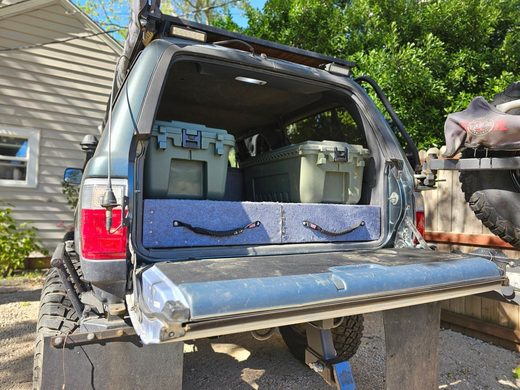
An interior storage or drawer system is a popular addition here: it keeps gear organized and low, and creates a flat platform for a fridge, storage bins, or even a cabin sleeping setup as an alternative to the rooftop tent.
Round Out the Build
With the foundation, rack, and sleeping setup handled, layer in the rest based on how you travel:
- Recovery gear — straps, shackles, traction boards, and a way to air down and reinflate your tires. Essential when you're far from help, especially traveling solo.
- Lighting — upgraded headlights for the dark drives between camps, plus auxiliary lighting and camp lighting. The SAO LED Projector Headlights are a big visibility and safety improvement over the dim factory units.
- Power — for longer trips, a dual-battery setup, a 12V fridge, and even solar transform how you camp, letting you run accessories without draining your starting battery.
- Awning — cheap, packable shade and rain protection that mounts to your rack and makes camp far more livable.
Build Your 2nd Gen Adventure Rig
The 2nd gen 4Runner was practically made for overlanding — start with a reliable, capable foundation, add a quality rack and rooftop tent within safe load limits, pack smart, and layer in capability as your adventures grow. Build it right and you'll have a basecamp on wheels that goes wherever you point it.
At Standard American Outdoors, we're the premier one-stop shop dedicated entirely to the 2nd gen Toyota 4Runner. From our complete 3" lift kit and the RTT-ready V3 roof rack to LED projector headlights and reliability upgrades, every product we offer is engineered specifically for your rig and built in America. Browse the full lineup at standardamericanoutdoors.com and sign up for the newsletter to get 10% off your first purchase.