Mastering the Wilderness: Your 2nd Gen 4Runner Overland Build!
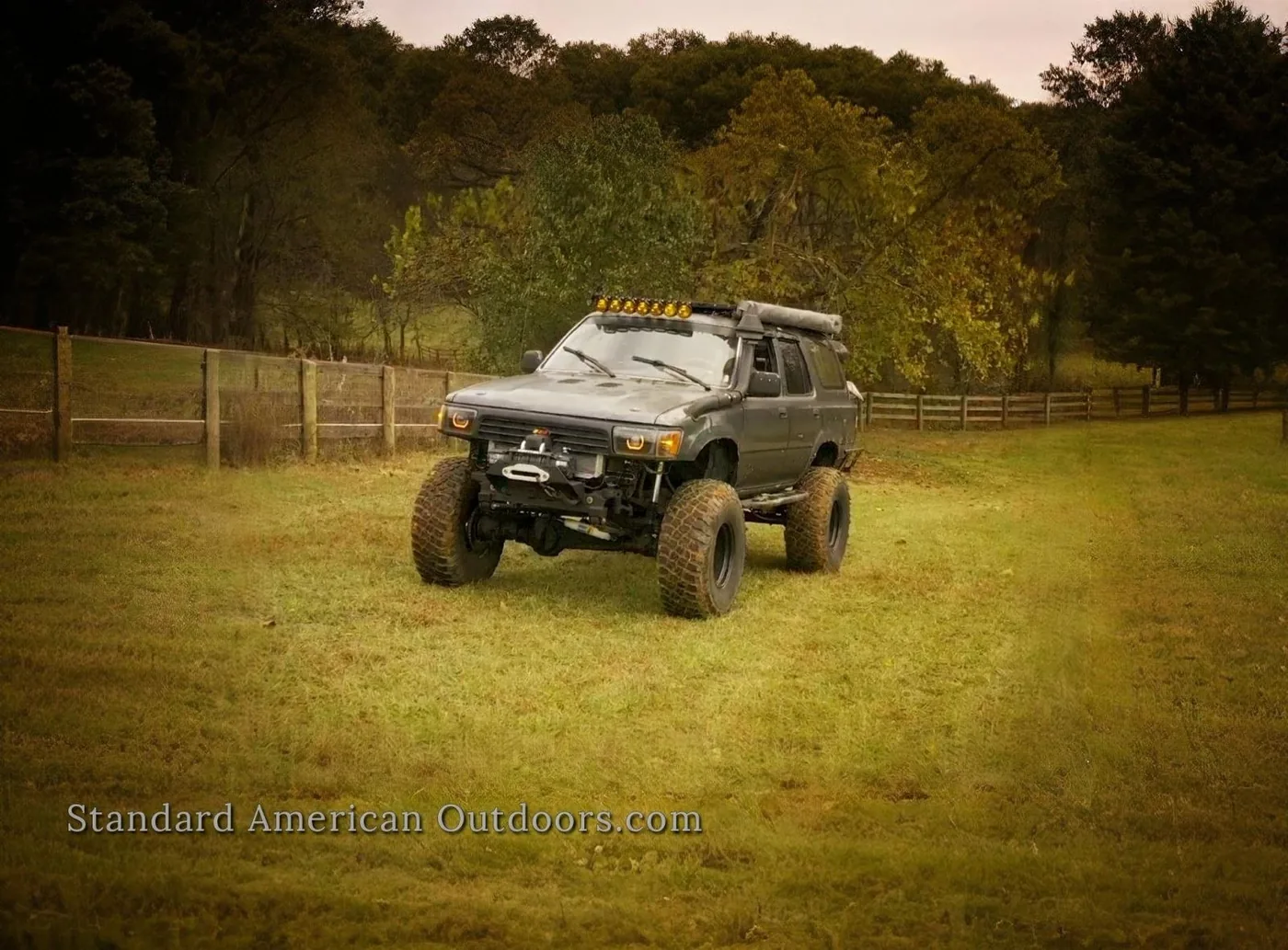
Mastering the Wilderness: Your Guide to a 2nd Gen 4Runner Overland Build
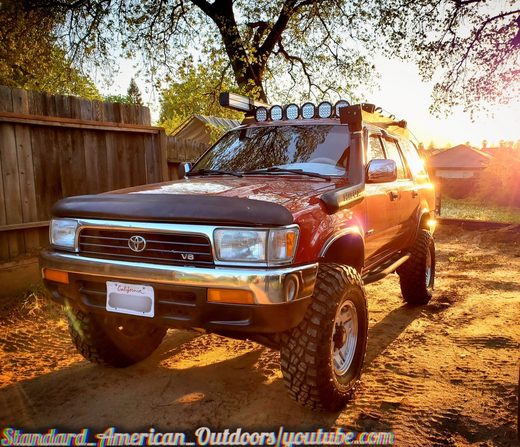
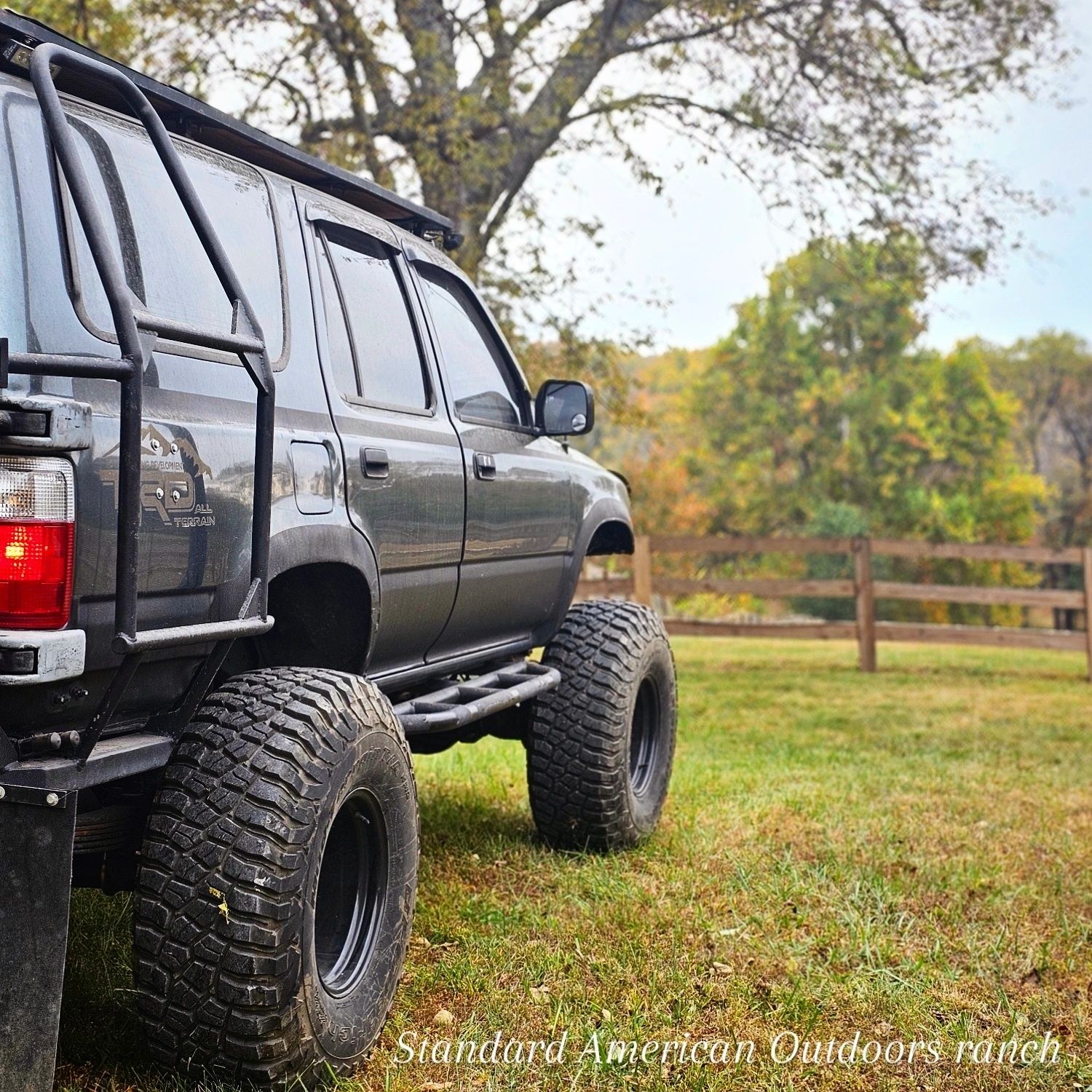
The allure of overlanding—self-reliant adventure travel to remote destinations—has captivated a growing community of outdoor enthusiasts. And when it comes to choosing a vehicle capable of tackling extended journeys through diverse terrains, the 2nd Gen Toyota 4Runner (1990-1995) consistently emerges as a top contender. Its legendary reliability, robust body-on-frame construction, and ample aftermarket support make it an ideal platform for a dedicated 2nd Gen 4Runner overland build. This guide will walk you through the essential components and considerations to transform your classic 4Runner into a formidable overlanding machine, ready for any adventure.
The Foundation: Why the 2nd Gen 4Runner Excels for Overlanding
Before diving into modifications, it’s crucial to understand why the 2nd Gen 4Runner is such a beloved choice for overlanding. Its body-on-frame design provides a strong, durable chassis capable of handling heavy loads and rough trails, a fundamental requirement for any serious overland vehicle. The available 4WD system, often with a two-speed transfer case, ensures traction and control in challenging conditions. Furthermore, the mechanical simplicity of these vehicles means they are generally easier to diagnose and repair in remote locations, a significant advantage when far from civilization. These inherent qualities make the 2nd Gen 4Runner overland build a practical and reliable choice for adventurers.
Phase 1: The Core – Suspension, Tires, and Wheels
Suspension System
For an effective 2nd Gen 4Runner overland build, a robust suspension upgrade is non-negotiable. Overlanding involves carrying significant weight (gear, fuel, water, roof tents), which can quickly overwhelm a stock suspension. Look for heavy-duty springs and shocks designed for increased load capacity and improved articulation. Brands like Old Man Emu (OME) are popular for their reliability and performance in loaded applications, offering a balance between on-road comfort and off-road capability. A 2-3 inch lift is common, providing necessary ground clearance for obstacles and accommodating larger tires.
Tires and Wheels
Your tires are your primary interface with the terrain. For overlanding, a durable All-Terrain (A/T) tire is often preferred for its balance of off-road grip, on-road manners, and puncture resistance. Mud-Terrain (M/T) tires offer superior traction in extreme conditions but can be noisy and wear faster on pavement. Choose a tire size that complements your lift and provides adequate sidewall for airing down on trails. Durable steel or alloy wheels are essential, with many overlanders opting for 15-16 inch wheels to maximize sidewall flex and reduce the chance of bead separation.
Phase 2: Protection and Recovery – Essential for Remote Travel
Underbody Armor
Protecting vital components is paramount for any 2nd Gen 4Runner overland build. Skid plates for the engine, transmission, transfer case, and fuel tank are crucial to prevent damage from rocks and debris. Rock sliders, mounted to the frame, protect your rocker panels and can be used as pivot points over obstacles. These protective measures ensure your vehicle can withstand the rigors of extended off-road travel.
Front and Rear Bumpers
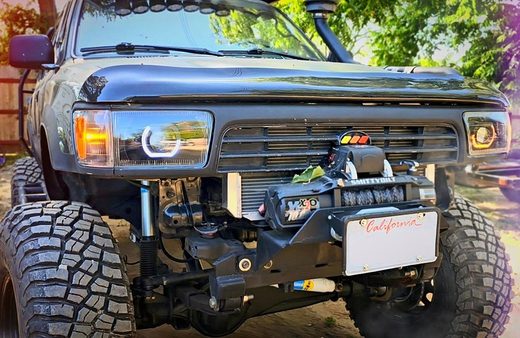
Aftermarket steel bumpers offer superior protection compared to stock plastic units. A front bumper often incorporates a winch mount, essential for self-recovery or assisting others. Rear bumpers can include swing-out carriers for spare tires and extra fuel/water cans, freeing up valuable interior space and improving weight distribution. These additions are key to a self-sufficient 2nd Gen 4Runner overland build.
Recovery Gear
No overland journey is complete without a comprehensive recovery kit. This should include a high-quality winch, recovery straps, shackles, a high-lift jack, and a shovel. An on-board air compressor is also vital for airing down tires for improved traction on trails and airing back up for highway travel. Being prepared for recovery situations is a cornerstone of responsible overlanding.
Phase 3: Storage and Comfort – Living on the Road
Roof Rack and Storage Solutions
Overlanding often requires carrying a significant amount of gear. A robust roof rack is essential for mounting roof-top tents, extra fuel/water, recovery boards, and other bulky items. Inside, consider drawer systems or cargo organizers to keep your gear secure and easily accessible. Efficient storage is key to a comfortable and functional 2nd Gen 4Runner overland build.
Auxiliary Power and Lighting
For extended trips, auxiliary power is a must. A dual battery system can power accessories like refrigerators, charging ports, and additional lighting without draining your starting battery. Upgraded LED lighting, including light bars, ditch lights, and camp lights, enhances visibility and safety during night operations and camp setup.
Water and Fuel Management
Depending on your destination, carrying extra water and fuel can be critical. Portable water tanks or integrated systems ensure you have a reliable supply for drinking, cooking, and hygiene. Auxiliary fuel tanks or jerry cans extend your range, allowing you to venture further into remote areas.
Conclusion: Your Adventure Awaits with a 2nd Gen 4Runner Overland Build
The 2nd Gen Toyota 4Runner offers an exceptional foundation for an overland vehicle. With careful planning and strategic modifications, you can create a highly capable, reliable, and comfortable rig that will take you to the most breathtaking and remote corners of the world. The journey of building your overland 4Runner is as rewarding as the adventures it enables. Embrace the process, learn from the community, and prepare to make unforgettable memories with your custom 2nd Gen 4Runner overland build.
*Ready to embark on your overlanding adventure? Visit Standard American Outdoors for all the gear, parts, and expert advice you need to complete your ultimate 2nd Gen 4Runner overland build.*