Stop the Leak! The Toyota 3VZ/22RE Power Steering delete kit!

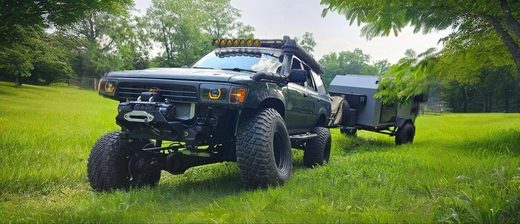
Stop the Leak: The Ultimate Guide to the Toyota 3VZ/22RE Power Steering Idle Up Valve Delete kit. 2nd Gen 4Runner Builds: Off-Roading Adventures Await!
If you own a classic Toyota—whether it’s a second-generation 4Runner, a late-80s Pickup, or a 1UZ-swapped rig—you are likely familiar with the "Toyota Mystery." You check your power steering reservoir and find it low, yet there are no red puddles on your driveway. You start your truck in the morning and notice a puff of blue or white smoke that smells suspiciously like hydraulic fluid rather than oil. You pull your intake tube and find a sticky, black sludge coating your throttle body.
The culprit behind all these headaches is a small, unassuming plastic and metal component known as the Power Steering Idle Up Valve. While it was designed with good intentions by Toyota engineers decades ago, it has become one of the most common failure points for the 3VZ-E and 22RE engines. In this guide, we will dive deep into why this valve fails, why you should delete it, and how the Standard American Outdoors Power Steering Idle Up Valve Delete Kit is the most cost-effective insurance policy you can buy for your engine.
Understanding the System: What Does the Idle Up Valve Actually Do?
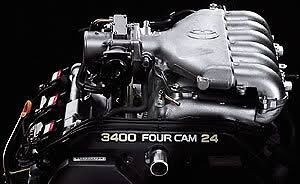
To understand why we want to remove this part, we first need to understand why it was put there in the first place. The Power Steering Idle Up Valve (also called an Air Control Valve) is a vacuum-operated switch located on the power steering pump. Its job is simple: when you turn the steering wheel at a standstill or low speeds, the power steering pump works harder, putting a significant load on the engine. On smaller engines like the 2.4L 22RE or the 3.0L 3VZ-E, this load can cause the RPMs to dip low enough that the engine might stumble or stall.
When the pressure in the power steering system increases, the valve opens, allowing a small amount of metered air to bypass the throttle plate and enter the intake manifold. This creates a controlled vacuum leak that "bumps" the idle up by 100–200 RPM, compensating for the load of the pump. In a brand-new truck in 1992, this system worked flawlessly. However, after thirty years of heat cycles and vibration, these valves are no longer the reliable components they once were.
The Symptoms: How to Tell Your Valve is Failing
The primary failure mode of the idle up valve is internal. The internal diaphragm or seal ruptures, creating a direct path between the high-pressure power steering fluid and the vacuum lines leading to your intake manifold. This leads to several frustrating symptoms that can be difficult to diagnose if you don't know what to look for.
| Symptom | Description |
| Mysterious Fluid Loss | You are constantly topping off your power steering reservoir, but the pump, gear box, and lines are bone dry. The fluid isn't leaking *out*; it's being sucked *in* to the engine. |
| Exhaust Smoke | Because the engine is burning power steering fluid, you will see white or bluish smoke from the tailpipe, especially during sharp turns or immediately after a cold start. |
| Gummed-up Intake | Power steering fluid is not meant to be in your intake. It mixes with carbon and dust to create a thick, tar-like sludge that coats your throttle body, IACV, and intake runners, leading to poor performance. |
| Rough Idle | A ruptured valve creates an uncontrolled vacuum leak. This can cause your engine to hunt for a steady idle or run lean, triggering a check engine light or causing poor fuel economy. |
The Solution: Why a Delete Kit is Better Than a Replacement
When faced with a failing valve, you have two choices: replace it or delete it. A new OEM Toyota valve can cost upwards of $100 to $150, and even then, you are simply installing another part that is destined to fail again in the future. Furthermore, many aftermarket replacements are notoriously low quality and may leak right out of the box.
Deleting the valve is the preferred choice for the Toyota enthusiast community for several reasons. First and foremost, it permanently eliminates the leak source. By removing the valve and plugging the ports, there is zero chance of power steering fluid ever entering your intake again. Secondly, it simplifies your engine bay. The 3VZ-E, in particular, is famous for its "vacuum hose nightmare." Removing the idle up valve allows you to discard several feet of brittle vacuum lines, making the engine easier to service and looking much cleaner.
Introducing the Standard American Outdoors Delete Kit
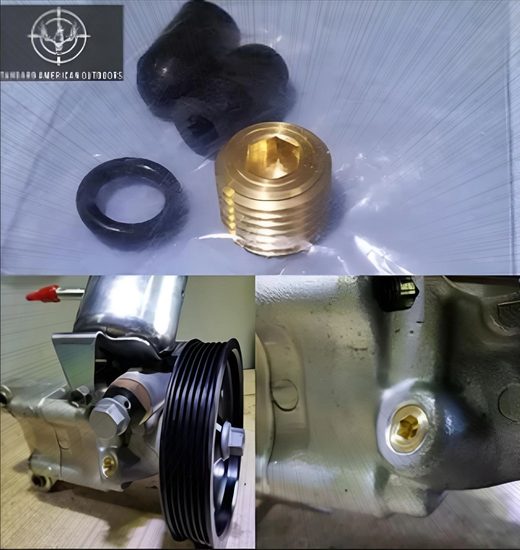
While some DIYers try to find a random bolt at the hardware store to plug the hole in their pump, this often leads to stripped threads or slow leaks because the power steering pump uses specific metric threads that aren't always easy to find. The Standard American Outdoors Power Steering Idle Up Valve Delete Kit is designed to be a "one and done" solution.
This kit includes a high-quality, correctly threaded plug that fits perfectly into the 3VZ, 22RE, and even 1UZ power steering pumps. It is a precision-engineered part that ensures a leak-free seal, allowing you to throw that old, plastic valve in the trash where it belongs. At just $29.99, it is a fraction of the cost of an OEM replacement and provides significantly more peace of mind.
Installation Overview: A Simple Weekend Project
Installing the delete kit is a straightforward process that even a novice mechanic can handle in under an hour. You will need basic hand tools, including a wrench or socket set and some thread sealant or a new crush washer (depending on your specific pump configuration).
1. Locate the Valve: Find the power steering pump on the front of your engine. The valve is the small component with two vacuum lines attached to it.
2. Remove the Hoses: Pull the two vacuum hoses off the valve. Follow them back to the intake manifold and the intake air tube.
3. Plug the Intake Ports: This is a critical step. You must plug the ports on the intake side where the hoses were connected. If you don't, you will have a massive vacuum leak.
4. Unscrew the Old Valve: Use a wrench to unscrew the failing valve from the pump. Have a rag ready, as a small amount of fluid may escape.
5. Install the SAO Delete Plug: Thread the new plug from the kit into the pump. Tighten it firmly to ensure a leak-free seal.
6. Top Off Fluid: Check your power steering fluid level and top it off if necessary.
Frequently Asked Questions
Will my truck stall without the idle up valve?
In most cases, no. While the valve was designed to prevent stalling, most 22RE and 3VZ engines have enough torque at idle to handle the load of the pump without a significant RPM drop. You might notice a very slight dip in RPMs when turning the wheel at a dead stop, but it is rarely enough to cause a stall.
Is this mod legal for emissions?
The idle up valve is not part of the primary emissions control system (like the EGR or Catalytic Converter). However, laws vary by state. Since it prevents power steering fluid from being burned in the engine, one could argue it actually helps keep your engine running cleaner!
Does it affect the steering feel?
Not at all. The delete only affects the engine's idle speed; it has no impact on the hydraulic pressure or the assist provided by the power steering pump itself. Your steering will feel exactly the same as it did before.
Conclusion: Protect Your Toyota Today
The 2nd Gen 4Runner and the classic Toyota Pickup are legendary for their reliability, but that reliability depends on proactive maintenance. Don't wait until your intake is filled with sludge or your power steering pump runs dry on the trail. The Power Steering Idle Up Valve Delete Kit is a simple, effective, and affordable way to "bulletproof" your engine and clean up your engine bay.
Ready to simplify your Toyota? Head over to Standard American Outdoors and grab your delete kit today. While you're there, check out our other specialized parts designed specifically for the Toyota enthusiast who demands the best for their rig.
keywords:
3VZ-E Vacuum Leak, 22RE Rough Idle, Toyota Power Steering Leak, Idle Up Valve Delete, 3VZ-E Power Steering Fluid Loss, 2nd Gen 4Runner Lift Kit, 3VZ-E Head Gasket, 2nd Gen 4Runner Mods, 2nd Gen 4Runner for Sale, 2nd Gen 4Runner Bumper, 22RE Performance Upgrades, 2nd Gen 4Runner Roof Rack, 2nd Gen 4Runner Headlights, 3VZ-E to 5VZ-FE Swap, 2nd Gen 4Runner Rear Window Fix .