The Complete Inspection Guide. Toyota 4Runner (1990–1995)
What to Look for When Buying a 2nd Gen Toyota 4Runner (1990–1995): The Complete Inspection Guide
The 2nd gen Toyota 4Runner is one of the most sought-after classic SUVs on the used market — legendary reliability, true off-road capability, and timeless looks. But every one of these trucks is now 30-plus years old, and condition varies wildly from rust-free gems to worn-out projects. Whether you're buying your first 4Runner or adding to the stable, knowing exactly what to inspect can save you thousands and steer you toward a truck worth owning. Here's your complete pre-purchase inspection checklist.
Start With the Engine: 22RE vs. 3VZE
The 2nd gen came with two engines, and knowing which you're looking at matters.
The 22RE is a 2.4L four-cylinder — slower, but famously durable and simple to work on. The 3VZE is the 3.0L V6, which offers more power but carries a reputation for head gasket trouble. Neither is a dealbreaker, but each needs different scrutiny.
If you're looking at a 3.0L V6, head gasket history is the single most important thing to investigate. Ask the seller directly whether the head gaskets have ever been replaced, and look for paperwork. Then check for the symptoms yourself: pull the dipstick and oil cap and look for milky, coffee-colored oil (a sign of coolant intrusion), check the coolant for an oily film or exhaust smell, watch for white smoke from the exhaust on startup, and ask about any history of overheating. A truck that's already had a quality head gasket job done correctly can be a great buy — but one showing active symptoms means a major repair is in your near future, so price accordingly.
On either engine, listen for a persistent ticking noise. Some valvetrain noise is normal on these motors and is addressed with a routine valve adjustment, but loud knocking or heavy ticking deserves a closer look.
Inspect the Frame and Undercarriage for Rust
Rust is the great destroyer of older 4Runners, especially trucks that lived in salt-belt or coastal states. Frame and body rot can turn a "good deal" into a money pit, so this inspection is non-negotiable.
Get under the truck and inspect the frame rails along their entire length, paying special attention to the rear section and the area around the rear axle, where moisture and debris collect. Press on suspect spots — solid steel sounds and feels solid; rust-through flakes, crunches, or gives way. Surface rust is normal and manageable on a 30-year-old truck, but scaly, flaking, or perforated frame metal is a serious structural concern. Also check the rocker panels, the floor pans (lift the carpet/mats if you can), the rear hatch and tailgate, the bottoms of the doors, and the wheel arches. A truck from a dry climate with a solid frame is worth paying a premium for.
Check the Front Suspension and Steering
The 2nd gen uses a torsion-bar front suspension, and there are a few known wear points to inspect before buying.
Ball joints wear out on these trucks, and the lower joints in particular take a beating. With the front end safely supported, check for play in the ball joints — excessive movement means they're worn and need replacing. Many experienced owners simply plan to replace them on principle when buying an unknown truck, since worn joints affect both safety and steering quality.
The idler arm is often described as the weakest link in the front end. A worn idler arm causes vague, wandering steering. Grab the wheel and check for slop, and note how the truck tracks on a test drive — if it wanders and feels unpredictable, the idler arm and ball joints are prime suspects.
The relay rod (the long steering link that ties the system together) was the subject of an older Toyota recall on these trucks. It's worth asking whether it was ever inspected or addressed, and checking the steering linkage for wear, since this is a steering-safety component.
If the truck wanders, follows ruts in the road, or feels loose in the steering, you're likely looking at a front-end refresh — not a dealbreaker, but factor the parts and labor into your offer.
Test the 4WD System
The 2nd gen's part-time 4WD with locking front hubs is robust, but you'll want to confirm it works. On a safe, suitable surface, engage 4WD high and low and make sure it shifts in and out cleanly, the hubs lock and unlock properly, and there are no grinding noises, binding, or unusual vibrations. A 4WD system that won't engage points to neglected maintenance or deeper driveline issues.
Check the Cooling System
Because the 3.0L is sensitive to overheating, a healthy cooling system is critical. Look at the condition of the coolant (clean, not rusty or sludgy), inspect the radiator, hoses, and water pump area for leaks, and confirm the temperature gauge behaves normally on your test drive — climbing steadily into the red is a red flag. On these trucks, a neglected cooling system is often what kills an otherwise-good engine, so a well-maintained one is a strong positive sign.
Don't Forget the Small Stuff
A few minor but common 2nd gen quirks are worth checking, mostly so you're not surprised later: the power rear window (a frequent failure point), the heater and its various blower speeds, and general electrical function. None are deal-breakers, but they're useful bargaining points and tell you how well the truck was cared for.
Two Doors vs. Four Doors
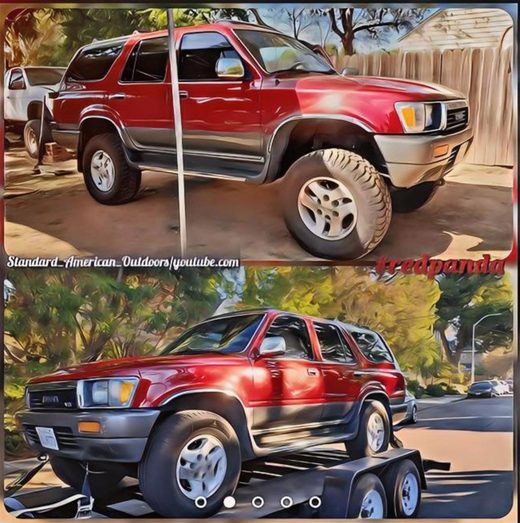
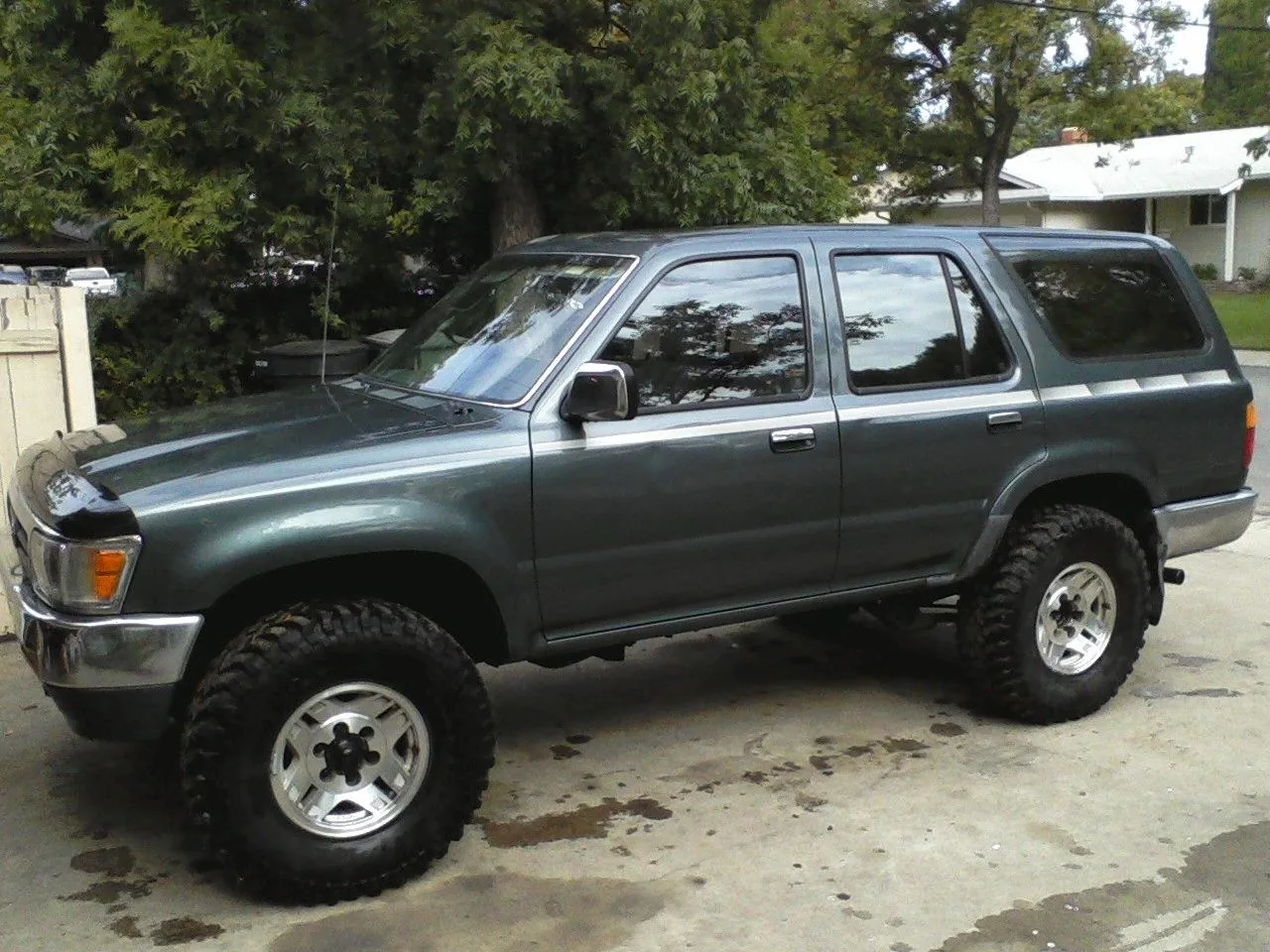
The 1990–1992 two-door 4Runners are unique and have a real cool factor among enthusiasts. That said, the four-door models are far more practical — easier entry and exit and much better access to gear and cargo. Choose based on how you'll use the truck, but know the two-door carries a certain collectible appeal.
After You Buy: Building It Right
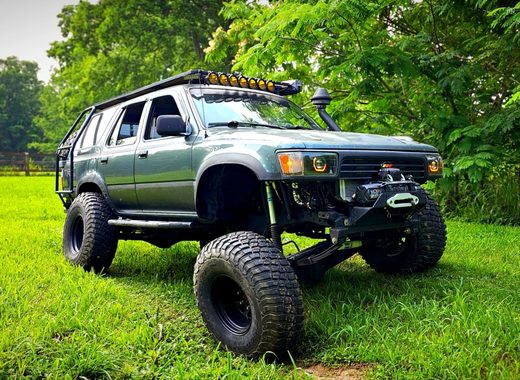
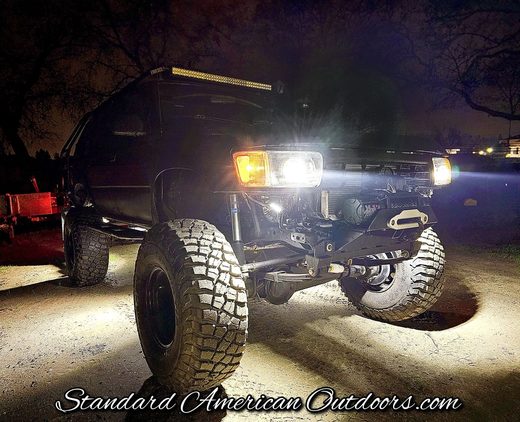
Once you've found a solid 2nd gen, the fun begins. The smartest path is to address any deferred maintenance first — cooling system, front-end components, and engine health — then build from the foundation up with a quality lift and the right tires, followed by a roof rack, lighting, and the upgrades that match your goals.
At Standard American Outdoors,