The Ultimate Guide to 2nd Gen 4Runner Rust Repair.
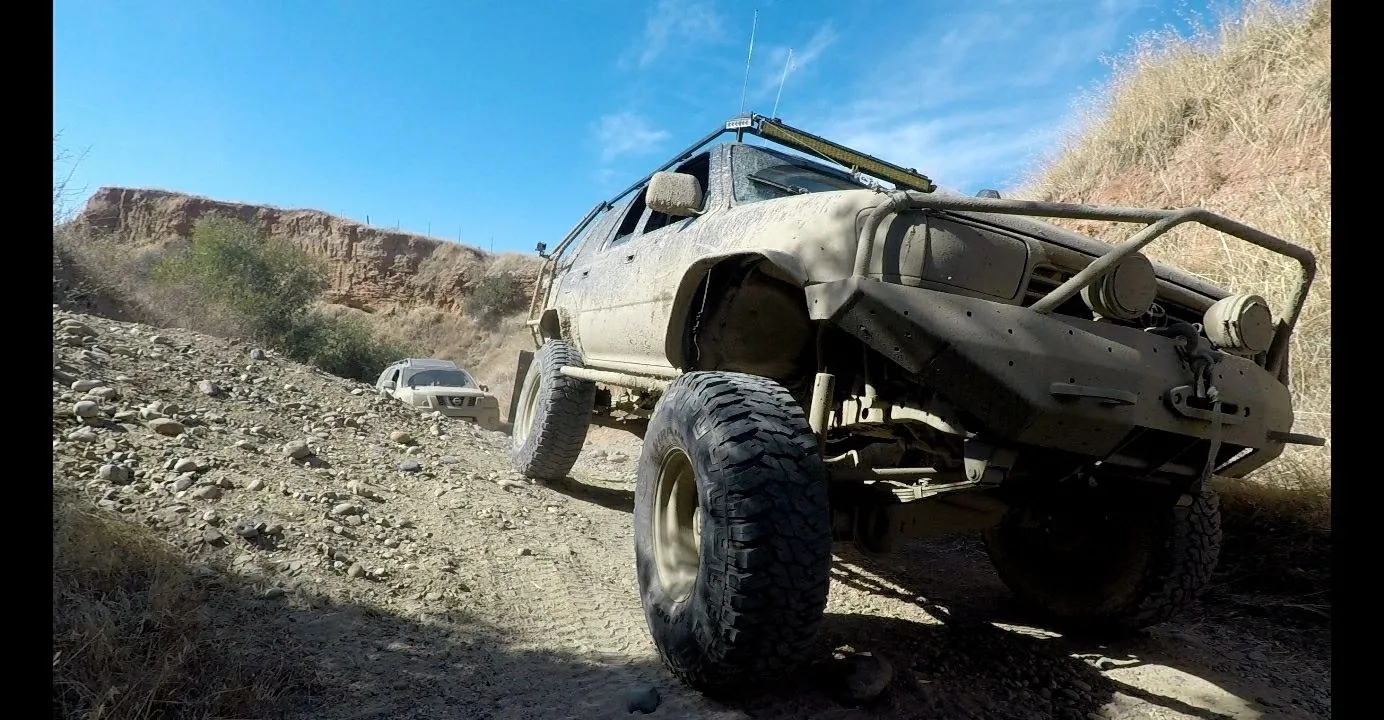
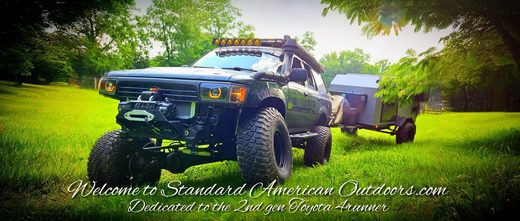
The Toyota 4Runner, particularly the second-generation model (1990–1995), has earned a legendary reputation for its rugged reliability and timeless design. These classic SUVs are built to last, with many still serving faithfully as daily drivers and off-road warriors decades after rolling off the assembly line. However, even the most robust vehicles have an Achilles' heel, and for the 2nd Gen 4Runner, that weakness is the relentless march of rust [1].For owners in the "Rust Belt" and other regions where road salt and moisture are common, the battle against corrosion is a constant reality. Frame and body rust can compromise structural integrity, turn a simple repair into a nightmare, and ultimately send an otherwise healthy truck to the scrapyard. This comprehensive, authoritative guide provides the essential knowledge and step-by-step procedures for diagnosing and executing critical rust repairs on your 2nd Gen 4Runner's frame and wheel wells, ensuring your classic Toyota remains on the road for years to come.
The Anatomy of a Problem: Common Rust Hotspots
The 2nd Gen 4Runner's body-on-frame construction means the frame is the primary structural component, and its failure is catastrophic. Rust tends to concentrate in specific areas due to design features that trap moisture and dirt.
Critical Frame Rust Areas
The boxed frame rails are particularly susceptible to internal and external corrosion. The most common and dangerous areas include:
Rear Spring Shackle Mounts: This is arguably the single most critical failure point. The shackle mounts are often double-walled, creating a perfect pocket for mud, salt, and moisture to accumulate, leading to severe rot where the rear leaf springs attach [2]. Rear Crossmember: The crossmember above the rear axle is another common area for rust-through, often due to trapped debris and poor drainage. Frame Rails (Mid-Section): Rust often attacks the frame rails just behind the front control arms and in the mid-section, where the frame transitions or where factory welds create stress points. Body Mounts: The frame sections where the body mounts attach can weaken, leading to body sag and structural instability.
- Rear Spring Shackle Mounts: This is arguably the single most critical failure point. The shackle mounts are often double-walled, creating a perfect pocket for mud, salt, and moisture to accumulate, leading to severe rot where the rear leaf springs attach [2].
- Rear Crossmember: The crossmember above the rear axle is another common area for rust-through, often due to trapped debris and poor drainage.
- Frame Rails (Mid-Section): Rust often attacks the frame rails just behind the front control arms and in the mid-section, where the frame transitions or where factory welds create stress points.
- Body Mounts: The frame sections where the body mounts attach can weaken, leading to body sag and structural instability.
Wheel Well and Body Rust
While frame rust is a structural concern, wheel well and body rust are major cosmetic and safety issues. The rear wheel wells, door bottoms, and the tailgate are notorious for developing "Toyota cancer" [3]. The rear wheel arches, in particular, suffer from rust that starts from the inside out, often hidden by the fender flares until it's too late.
Diagnosis: Is Your Frame Repairable?
Before starting any repair, a thorough inspection is mandatory. This is not a job for a quick visual check. You must get under the vehicle and use a tool—like a small hammer or a screwdriver—to tap the frame in all suspicious areas. The "Poke Test": If your tool easily pokes through the metal, the section is compromised and requires immediate replacement. Surface rust (a light, flaky coating) is manageable with chemical treatment, but deep, layered, or flaking rust that has reduced the metal's thickness is a structural failure waiting to happen. If the rust is localized to small, non-critical areas, a simple patch may suffice. If large sections of the frame rails are compromised, especially near suspension mounting points, a professional repair using pre-fabricated patch panels is the only safe solution.
Step-by-Step Frame Repair: The Cut-and-Weld Method
Structural frame repair is a serious undertaking that requires welding proficiency and the right materials. Safety is paramount: disconnect the battery and take all necessary fire precautions before welding.
1. Preparation and Cleaning
The first step is to expose the full extent of the damage.
Remove Obstacles: Disconnect and temporarily move any brake lines, fuel lines, wiring harnesses, or exhaust components near the repair area. Cut Out the Cancer: Use an angle grinder or plasma cutter to completely remove the rusted, compromised metal. You must cut back to solid, clean steel on all sides. A clean cut is essential for a strong weld. Internal Cleaning: Use a pressure washer and a flexible hose to flush out the inside of the frame rail. Trapped dirt and rust flakes inside the boxed section will continue to cause corrosion if left untreated. Allow the frame to dry completely.
- Remove Obstacles: Disconnect and temporarily move any brake lines, fuel lines, wiring harnesses, or exhaust components near the repair area.
- Cut Out the Cancer: Use an angle grinder or plasma cutter to completely remove the rusted, compromised metal. You must cut back to solid, clean steel on all sides. A clean cut is essential for a strong weld.
- Internal Cleaning: Use a pressure washer and a flexible hose to flush out the inside of the frame rail. Trapped dirt and rust flakes inside the boxed section will continue to cause corrosion if left untreated. Allow the frame to dry completely.
2. Patch Panel Installation
For the most common failure points, such as the rear spring shackle area, specialized repair kits are available. Companies like Safe-T-Cap and Rust Buster offer CNC-cut, heavy-gauge steel patch panels designed to fit the 4Runner frame profile [4].
Fit the Patch: Grind the edges of the patch panel and the frame opening to create a slight bevel, which allows for better weld penetration. Weld in Place: Use a MIG or TIG welder to stitch the patch panel into the frame. Do not attempt a single, continuous bead, as this can warp the frame. Use short, strong stitch welds, allowing the metal to cool between passes. For structural components, a full-penetration weld is required. Grind and Smooth: Once the welding is complete, grind the welds smooth for a clean finish, but ensure you do not compromise the weld's integrity.
- Fit the Patch: Grind the edges of the patch panel and the frame opening to create a slight bevel, which allows for better weld penetration.
- Weld in Place: Use a MIG or TIG welder to stitch the patch panel into the frame. Do not attempt a single, continuous bead, as this can warp the frame. Use short, strong stitch welds, allowing the metal to cool between passes. For structural components, a full-penetration weld is required.
- Grind and Smooth: Once the welding is complete, grind the welds smooth for a clean finish, but ensure you do not compromise the weld's integrity.
Wheel Well Fixes: Body Rust Repair
Body rust, particularly on the rear wheel wells, is often caused by debris trapped between the inner and outer fender skins.
Expose the Damage: Remove the fender flares and any inner plastic liners. Cut out all rusted metal from the wheel arch, again cutting back to clean, solid metal. Fabricate or Purchase Patch Panels: For the curved sections of the wheel well, you may need to purchase pre-formed patch panels or carefully fabricate your own from 18-gauge sheet metal. Weld and Seal: Weld the new patch panel into place. Once the weld is cool, apply a high-quality seam sealer to all joints to prevent moisture from re-entering. Bodywork and Paint: Apply body filler to smooth the repair, prime the area with an epoxy primer, and then apply color-matched paint and a clear coat.
- Expose the Damage: Remove the fender flares and any inner plastic liners. Cut out all rusted metal from the wheel arch, again cutting back to clean, solid metal.
- Fabricate or Purchase Patch Panels: For the curved sections of the wheel well, you may need to purchase pre-formed patch panels or carefully fabricate your own from 18-gauge sheet metal.
- Weld and Seal: Weld the new patch panel into place. Once the weld is cool, apply a high-quality seam sealer to all joints to prevent moisture from re-entering.
- Bodywork and Paint: Apply body filler to smooth the repair, prime the area with an epoxy primer, and then apply color-matched paint and a clear coat.
Rust Prevention and Encapsulation
Repairing rust is only half the battle; preventing its return is the key to longevity. After all repairs are complete, the entire frame and repaired body sections must be treated. POR-15, Eastwood Rust Encapsulator Platinum Brush, Roll, or Spray Chemically bonds to rust, creating a hard, non-porous barrier. Internal Frame Coating Eastwood. Internal Frame Coating, 3M Cavity Wax Spray with a long, flexible wand Reaches inside boxed frame sections to prevent internal corrosion. Rust Inhibitor/Oil FluidFluid Film, Krown, Woolwax Spray (annually recommended) Creeps into seams and welds, providing a self-healing, lanolin-based barrier against salt and moisture
Process
Surface Prep: Wire-brush or sandblast the frame to remove loose, flaky rust and scale. Degrease: Clean the frame thoroughly with a degreaser to remove all oil and dirt. Apply Encapsulator: Apply a high-quality rust encapsulator (like POR-15 or Eastwood) directly to the clean, prepared frame. Follow the manufacturer's instructions for multiple coats and cure times. Internal Treatment: Use an internal frame coating or a penetrating oil like Fluid Film, applying it through the frame's access holes to coat the interior surfaces. This is crucial for preventing the "inside-out" rust that plagues these frames.
- Surface Prep: Wire-brush or sandblast the frame to remove loose, flaky rust and scale.
- Degrease: Clean the frame thoroughly with a degreaser to remove all oil and dirt.
- Apply Encapsulator: Apply a high-quality rust encapsulator (like POR-15 or Eastwood) directly to the clean, prepared frame. Follow the manufacturer's instructions for multiple coats and cure times.
- Internal Treatment: Use an internal frame coating or a penetrating oil like Fluid Film, applying it through the frame's access holes to coat the interior surfaces. This is crucial for preventing the "inside-out" rust that plagues these frames.
Conclusion: Preserve Your Legacy
The 2nd Generation Toyota 4Runner is a piece of automotive history, a testament to Toyota's commitment to quality and durability. While rust is a formidable opponent, it is not an insurmountable one. By understanding the critical failure points—the rear shackle mounts, the mid-frame rails, and the rear wheel wells—and applying professional-grade repair techniques and preventative measures, you can halt the corrosion and preserve your vehicle's structural integrity. This kind of hands-on maintenance requires dedication, but the reward is a classic SUV that will continue to serve you reliably on the trail and the road. Don't let rust claim your legend.
Take Action! Gear Up for Your Next Project.
Sorting the stance? We build the complete 3" lift kit for the 90–95 trucks — shipped from Delaware.