The Ultimate Guide to Experiencing the American Outdoors.
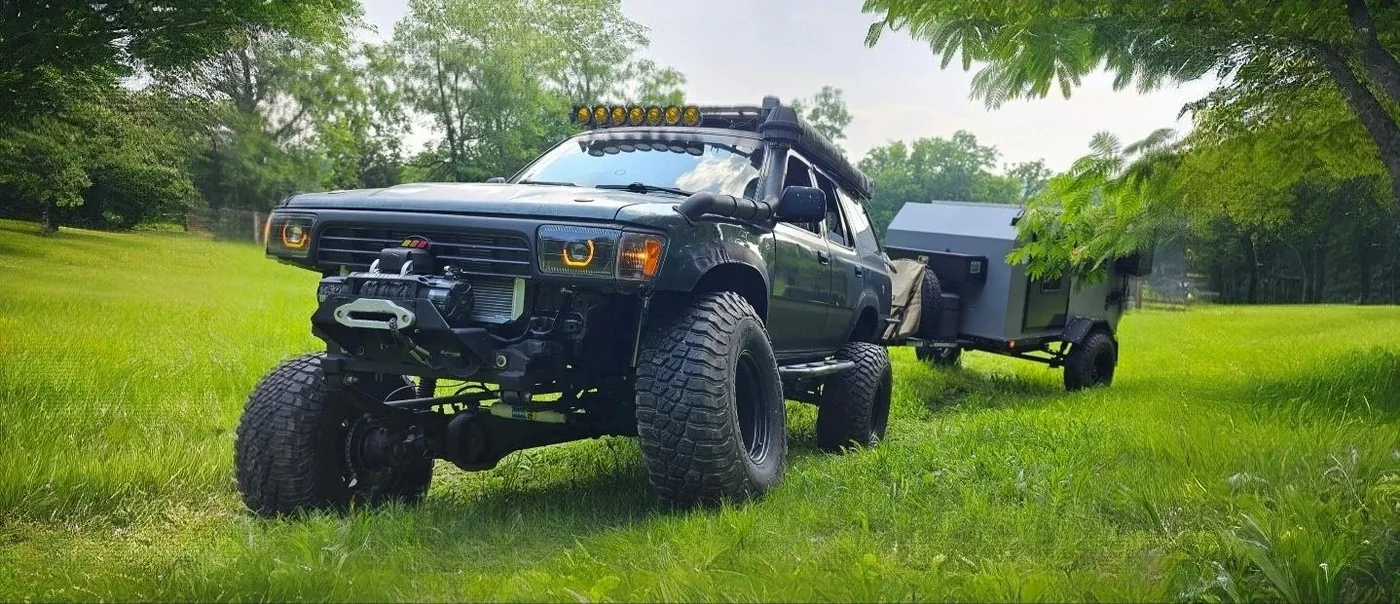
2nd generation Toyota 4Runner. Toyota 4Runner. 1990-1995 1UZ engine swap 4Runner. 2nd gen 4Runner parts. Toyota 4Runner modifications. 2nd gen 4Runner roof rack. Toyota 4Runner V8 conversion. 2nd gen Toyota 4runner lift kit.
The Ultimate Guide to Experiencing the American Outdoors: A Journey into Hiking, Camping, Fishing, and Hunting
Welcome to the official blog of Standard American Outdoors, your trusted source for all things outdoors. The American landscape, in its vast and untamed beauty, has captivated the human spirit for centuries. From the rugged peaks of the Rockies to the serene coastlines of the Atlantic, the call of the wild echoes in the hearts of millions. It's a call to adventure, a yearning for connection with nature, and a desire to test our limits. In recent years, this call has grown stronger, attracting a new generation of outdoor enthusiasts who are redefining what it means to be "outdoorsy."
This guide is for them, and for you. Whether you're a seasoned adventurer with countless miles under your boots or a curious novice just beginning to explore the wonders of the natural world, this comprehensive 10,000-word journey will equip you with the knowledge, inspiration, and practical advice to fully embrace the American outdoors. We'll delve into the core disciplines of hiking, camping, fishing, and hunting, while also exploring the latest trends and innovations that are shaping the future of outdoor recreation.
Part 1: The Call of the Wild: Why We're Drawn to the Outdoors
The allure of the great outdoors is a powerful force. It's a primal instinct, a deep-seated need to connect with the natural world that has been a part of the human experience since the dawn of time. But in the 21st century, our relationship with the outdoors is evolving. It's no longer just about survival or conquest; it's about finding balance, seeking adventure, and forging a deeper connection with ourselves and the world around us.
A new generation of outdoor enthusiasts, primarily Millennials and Gen Z, is at the forefront of this shift. They are a diverse and digitally-savvy group who are drawn to the outdoors for a multitude of reasons. For some, it's an escape from the constant connectivity of modern life, a chance to unplug and recharge in the tranquility of nature. For others, it's a form of fitness, a way to challenge their bodies and minds in a dynamic and ever-changing environment. And for many, it's a social experience, a way to connect with like-minded individuals and build a community around a shared passion for adventure.
This new generation is also driven by a strong set of values. They are passionate about sustainability, inclusivity, and social responsibility. They expect the brands they support to share these values, and they are not afraid to use their purchasing power to drive change. This has led to a major shift in the outdoor industry, with a growing emphasis on eco-friendly products, ethical manufacturing practices, and a more inclusive and welcoming approach to outdoor recreation.
The mental and physical benefits of spending time in nature are well-documented. Studies have shown that even a short walk in the woods can reduce stress, improve mood, and boost creativity. The physical challenges of hiking, climbing, and other outdoor activities can improve cardiovascular health, build strength, and increase endurance. But perhaps the most profound benefit of spending time in the outdoors is the sense of perspective it provides. When you're standing on a mountaintop, looking out at a vast and untamed wilderness, the worries and anxieties of everyday life seem to melt away. You are reminded of your place in the grand scheme of things, and you are filled with a sense of awe and wonder that can be both humbling and empowering.
Part 2: Hiking America's Trails: From Gentle Strolls to Epic Treks
Hiking is the most popular outdoor activity in the United States, and for good reason. It's accessible, affordable, and offers a wide range of experiences, from leisurely walks in local parks to multi-day treks through remote wilderness areas. Whether you're a seasoned backpacker or a family with young children, there's a trail out there that's perfect for you.
Finding the Right Trail
With thousands of miles of trails crisscrossing the country, choosing the right one can be a daunting task. The key is to be honest about your fitness level and experience. Start with shorter, less strenuous trails and gradually work your way up to more challenging routes. Websites and apps like AllTrails, Hiking Project, and Gaia GPS are invaluable resources for finding trails, reading reviews, and checking current conditions.
When selecting a trail, consider the following factors:
- Distance: How far do you want to hike?
- Elevation gain: How much climbing are you prepared to do?
- Difficulty rating: Most trail guides use a rating system (e.g., easy, moderate, strenuous) to indicate the difficulty of a trail.
- Trail conditions: Is the trail well-maintained? Are there any obstacles, such as river crossings or steep drop-offs?
- Scenery: What kind of views are you looking for? Do you want to see mountains, forests, lakes, or waterfalls?
Essential Hiking Gear
The old adage "there's no such thing as bad weather, only bad gear" is especially true when it comes to hiking. Having the right gear can make the difference between a miserable experience and an unforgettable adventure. But you don't need to break the bank to get started. Here are the essentials:
- Footwear: A good pair of hiking boots or trail running shoes is the most important piece of gear you'll own. Look for something that is comfortable, supportive, and provides good traction.
- Backpack: A daypack with a capacity of 20-30 liters is sufficient for most day hikes. It should be large enough to carry your essentials, but not so large that it's cumbersome.
- Clothing: Dress in layers so you can adjust to changing weather conditions. Avoid cotton, which absorbs moisture and can leave you feeling cold and clammy. Instead, opt for synthetic or wool fabrics that wick away moisture.
- Navigation: A map and compass are essential, even if you're hiking on a well-marked trail. A GPS device or smartphone with a navigation app can also be a useful tool, but don't rely on it exclusively.
- The Ten Essentials: These are the ten items that every hiker should carry in their pack:
1. Navigation (map, compass, GPS)
2. Sun protection (sunglasses, sunscreen, hat)
3. Insulation (extra layers of clothing)
4. Illumination (headlamp or flashlight)
5. First-aid supplies
6. Fire (matches, lighter, fire starter)
7. Repair kit and tools (knife, duct tape)
8. Nutrition (extra food)
9. Hydration (extra water)
10. Emergency shelter (tarp, bivy sack)
Top Hiking Destinations in the US
The United States is home to some of the most spectacular hiking trails in the world. Here are a few to add to your bucket list:
- Zion National Park, Utah: With its towering sandstone cliffs, narrow slot canyons, and emerald pools, Zion is a hiker's paradise. The Narrows, a 16-mile trek through the Virgin River, is one of the most iconic hikes in the country.
- Glacier National Park, Montana: Known as the "Crown of the Continent," Glacier is home to over 700 miles of trails, pristine alpine lakes, and an abundance of wildlife. The Highline Trail, which hugs the Garden Wall, offers breathtaking views of the surrounding peaks.
- Yosemite National Park, California: From the giant sequoias of Mariposa Grove to the iconic granite domes of Half Dome and El Capitan, Yosemite is a land of superlatives. The Mist Trail, which leads to Vernal and Nevada Falls, is a must-do for any visitor.
- Great Smoky Mountains National Park, North Carolina and Tennessee: With its rolling mountains, lush forests, and diverse plant and animal life, the Great Smoky Mountains are a hiker's dream. The Appalachian Trail, which runs for over 70 miles through the park, offers a taste of one of the most famous long-distance hiking trails in the world.
Part 3: Camping Under the Stars: A Guide to American Campgrounds
There's nothing quite like sleeping under a canopy of stars, with the sound of a crackling campfire and the gentle rustle of leaves in the breeze. Camping is a quintessential American experience, a chance to escape the hustle and bustle of city life and reconnect with the natural world. Whether you're a seasoned backpacker or a family looking for a weekend getaway, there's a campsite out there that's perfect for you.
Types of Camping
- Tent Camping: This is the most traditional form of camping, and it's a great way to immerse yourself in nature. Tent camping can be done in a variety of settings, from developed campgrounds with amenities like restrooms and showers to remote backcountry sites with no facilities at all.
- RV Camping: If you're not quite ready to rough it, RV camping is a great option. RVs provide all the comforts of home, including a bed, a kitchen, and a bathroom. Many campgrounds have RV sites with hookups for electricity, water, and sewer.
- Glamping: A portmanteau of "glamorous" and "camping," glamping is a relatively new trend that combines the experience of camping with the luxury of a hotel. Glamping accommodations can range from safari tents and yurts to treehouses and Airstream trailers.
Choosing the Perfect Campsite
- Location: Do you want to be in the mountains, by a lake, or in the desert? Do you want to be close to a town or city, or do you want to be in a more remote area?
- Amenities: What kind of amenities are you looking for? Do you need restrooms, showers, and a camp store, or are you happy with a more primitive experience?
- Activities: What kind of activities do you want to do? Do you want to go hiking, fishing, boating, or swimming?
Essential Camping Gear
- Shelter: A tent, RV, or other type of shelter is essential for protecting you from the elements.
- Sleeping gear: A sleeping bag and sleeping pad will keep you warm and comfortable at night.
- Cooking gear: A camp stove, fuel, pots, pans, and utensils are essential for preparing meals.
- Cooler: A cooler is essential for keeping food and drinks cold.
- Lighting: A headlamp or lantern is essential for navigating around the campsite at night.
- First-aid kit: A well-stocked first-aid kit is essential for treating minor injuries.
Part 4: The Thrill of the Catch: A Beginner's Guide to Fishing in the USA
Fishing is more than just a hobby; it's a timeless tradition that connects us to the natural world in a profound and intimate way. It's a sport that requires patience, skill, and a deep understanding of the environment. But it's also a sport that is accessible to everyone, regardless of age or experience level. Whether you're casting a line in a quiet mountain stream or battling a trophy fish in the deep blue sea, the thrill of the catch is an experience that you'll never forget.
Understanding Different Types of Fishing
- Freshwater Fishing: This is the most common type of fishing, and it can be done in a variety of settings, from small ponds and streams to large lakes and rivers. Common freshwater species include bass, trout, catfish, and panfish.
- Saltwater Fishing: This type of fishing is done in the ocean, and it offers the opportunity to catch a wide variety of species, from inshore favorites like redfish and flounder to offshore giants like tuna and marlin.
Getting Your Fishing License
Before you cast a line, you'll need to purchase a fishing license. Licenses are required in all 50 states, and the revenue they generate is used to fund conservation efforts. You can purchase a license online, at a local tackle shop, or at a government office.
Essential Fishing Gear
- Rod and Reel: The type of rod and reel you'll need will depend on the type of fishing you plan to do. A spinning rod and reel is a good all-around choice for beginners.
- Line: The type of line you'll need will also depend on the type of fishing you plan to do. Monofilament line is a good all-around choice for beginners.
- Hooks, Lures, and Bait: The type of hooks, lures, and bait you'll need will depend on the species of fish you're targeting.
- Tackle Box: A tackle box is essential for keeping your gear organized.
Top Fishing Spots Across the Country
- The Florida Keys: With its crystal-clear waters, abundant marine life, and world-class fishing charters, the Florida Keys are a saltwater angler's paradise.
- The Bighorn River, Montana: This legendary river is home to some of the best trout fishing in the world.
- The Mississippi River Delta: This vast and fertile estuary is a haven for a wide variety of freshwater and saltwater species.
Part 5: The Hunter's Path: A Responsible Approach to Hunting in America
Hunting is a deeply ingrained part of American culture, a tradition that has been passed down from generation to generation. But it's also a controversial topic, one that is often misunderstood. Modern hunting is not about senseless killing; it's about conservation, respect for the animals, and a deep connection to the land. When done responsibly, hunting can be a powerful tool for managing wildlife populations and preserving our natural heritage.
The Role of Hunting in Conservation
It may seem counterintuitive, but hunting plays a vital role in wildlife conservation. By selectively harvesting animals, hunters help to keep wildlife populations in balance with their habitat. The revenue generated from hunting licenses and taxes on hunting equipment is used to fund wildlife management programs, habitat restoration projects, and research.
Getting Started with Hunting
- Hunter Education: Before you can purchase a hunting license, you'll need to complete a hunter education course. These courses teach you about firearm safety, hunting ethics, and wildlife identification.
- Hunting License: You'll need to purchase a hunting license for the state where you plan to hunt. You may also need to purchase tags or permits for specific species.
- Firearm or Bow: The type of firearm or bow you'll need will depend on the type of hunting you plan to do.
- Hunting Gear: In addition to a firearm or bow, you'll need a variety of other gear, including camouflage clothing, boots, a backpack, and a knife.
Different Types of Hunting
- Big Game Hunting: This type of hunting involves pursuing large animals, such as deer, elk, and bear.
- Small Game Hunting: This type of hunting involves pursuing small animals, such as rabbits, squirrels, and birds.
- Waterfowl Hunting: This type of hunting involves pursuing ducks and geese.
Ethical Hunting Practices
- Respect the animal: Treat every animal with respect, and do everything you can to ensure a quick and humane kill.
- Know your target: Be sure of your target and what's beyond it before you shoot.
- Follow the law: Obey all hunting laws and regulations.
- Leave no trace: Pack out everything you pack in, and leave the land better than you found it.
Part 6: The Future of the Outdoors: Trends and Innovations
The outdoor industry is in the midst of a major transformation. A new generation of outdoor enthusiasts, armed with new technologies and a new set of values, is reshaping the way we think about and interact with the natural world. Here are a few of the key trends that are shaping the future of the outdoors:
The Impact of Social Media
Social media platforms like Instagram and TikTok have become powerful tools for sharing outdoor experiences and building community. They have also become a major source of inspiration for a new generation of outdoor enthusiasts. But the rise of social media has also raised concerns about its impact on the environment. The desire to capture the perfect Instagram shot has led to overcrowding at popular destinations and damage to fragile ecosystems. It's important to be mindful of your impact when sharing your outdoor adventures on social media, and to always practice Leave No Trace principles.
The Importance of Sustainability
Sustainability is no longer a niche concern; it's a mainstream movement that is transforming the outdoor industry. Consumers are demanding more eco-friendly products, and brands are responding with a wide range of sustainable initiatives, from using recycled materials to offsetting their carbon emissions. The future of the outdoors depends on our ability to protect and preserve the natural world, and sustainability is a critical part of that effort.
The Power of Community
The outdoor community is a vibrant and diverse group of people who are united by a shared passion for adventure. But it's also a community that has not always been welcoming to everyone. There is a growing movement to make the outdoors more inclusive and accessible to people of all backgrounds, abilities, and identities. The future of the outdoors depends on our ability to create a community where everyone feels welcome and has the opportunity to experience the transformative power of nature.
The Fusion of Technology and the Outdoors
Technology is playing an increasingly important role in the outdoor experience. GPS devices, satellite messengers, and smartphone apps have made it easier and safer to explore the backcountry. Drones are providing new perspectives on the landscape, and virtual reality is allowing people to experience the outdoors in new and immersive ways. The fusion of technology and the outdoors is a powerful trend that is opening up new possibilities for adventure and exploration.
Conclusion
The American outdoors is a vast and varied landscape, a place of breathtaking beauty and endless adventure. It's a place where we can challenge ourselves, connect with nature, and find a sense of peace and tranquility that is often missing in our modern lives. Whether you're a hiker, a camper, a fisherman, or a hunter, the outdoors has something to offer you. So get out there and explore. The adventure of a lifetime is waiting for you.
For more in-depth guides, gear reviews, and stories from the trail, visit us at Standard American Outdoors.
Part 7: Mastering the Art of Outdoor Photography: Capturing the Untamed Beauty of America
In an age where a single image can tell a story more powerfully than a thousand words, outdoor photography has emerged as a vital and captivating art form. It's a way to document our adventures, share the beauty of the natural world with others, and inspire a deeper appreciation for the wild places we explore. But it's also a challenging and rewarding discipline that requires a unique blend of technical skill, artistic vision, and a deep respect for the environment.
The Gear You Need to Get Started
While the latest and greatest camera gear can be a major investment, you don't need a professional setup to start taking stunning outdoor photos. In fact, the camera you have in your pocket is more than capable of capturing incredible images. Here's a breakdown of the essential gear for aspiring outdoor photographers:
- Smartphone: Modern smartphones are equipped with powerful cameras that can produce high-quality images and even shoot in RAW format, giving you more flexibility in post-processing. With a little practice and a good understanding of composition and lighting, you can take professional-looking photos with your phone.
- DSLR or Mirrorless Camera: If you're serious about outdoor photography, a DSLR or mirrorless camera will give you more creative control and the ability to use interchangeable lenses. These cameras offer superior image quality, better low-light performance, and the flexibility to adapt to a wide range of shooting situations.
- Lenses: The lens you choose will have a major impact on the look and feel of your photos. A wide-angle lens is great for capturing expansive landscapes, while a telephoto lens will allow you to get up close and personal with wildlife. A good all-around zoom lens is a great place to start.
- Tripod: A tripod is an essential tool for any outdoor photographer. It will allow you to shoot in low-light conditions, take long-exposure shots of waterfalls and starry skies, and ensure that your images are sharp and free of camera shake.
The Art of Composition: Framing the Perfect Shot
Composition is the art of arranging the elements in your photo to create a visually appealing and impactful image. Here are a few key principles of composition to keep in mind:
- The Rule of Thirds: Imagine a tic-tac-toe grid overlaid on your image. The rule of thirds suggests placing your subject at the intersection of the lines, rather than directly in the center of the frame. This creates a more dynamic and visually interesting composition.
- Leading Lines: Use natural lines in the landscape, such as rivers, roads, or trails, to lead the viewer's eye into the photo and create a sense of depth.
- Framing: Use natural elements in the foreground, such as trees or rocks, to frame your subject and create a sense of depth and context.
- Symmetry and Patterns: Look for symmetry and patterns in nature, such as reflections in a lake or the repeating patterns of a forest. These can create a sense of balance and harmony in your photos.
The Magic of Light: Mastering the Golden Hour
Light is the most important element in photography. The quality and direction of the light can have a dramatic impact on the mood and atmosphere of your photos. The best times to shoot are during the "golden hours," the first hour after sunrise and the last hour before sunset. During these times, the light is soft, warm, and directional, creating long shadows and a beautiful, ethereal glow.
A Deeper Responsibility: Ethical Outdoor Photography
As outdoor photographers, we have a responsibility to protect and preserve the natural world we love to photograph. Here are a few ethical guidelines to keep in mind:
- Leave No Trace: Always practice the seven principles of Leave No Trace. Pack out everything you pack in, stay on designated trails, and avoid disturbing wildlife.
- Respect Wildlife: Never bait or harass wildlife for the sake of a photo. Use a telephoto lens to get close-up shots from a safe distance, and never feed wild animals.
- Be Mindful of Your Impact: Be aware of the impact you're having on the environment. Avoid trampling on fragile vegetation, and be careful not to disturb the natural habitat.
- Share Responsibly: When sharing your photos on social media, avoid geotagging sensitive locations that could be damaged by overcrowding. Instead, use general location tags and encourage your followers to explore the outdoors responsibly.
By following these guidelines, we can ensure that the wild places we love will be there for future generations to enjoy and photograph.
Part 8: Leave No Trace: Preserving the Wilderness for Generations to Come
The Leave No Trace principles are a set of ethical guidelines that are designed to help us minimize our impact on the natural world. They are not a set of rules or regulations, but rather a framework for making responsible decisions when we're in the outdoors. By following these principles, we can help to ensure that the wild places we love will be there for future generations to enjoy.
The Seven Principles of Leave No Trace
1. Plan Ahead and Prepare: Proper planning is the first step to a safe and enjoyable outdoor experience. Research your destination, check the weather forecast, and make sure you have the right gear. By being prepared, you can avoid situations that could lead to environmental damage or personal injury.
2. Travel and Camp on Durable Surfaces: When you're hiking, stay on designated trails whenever possible. If you need to go off-trail, walk on durable surfaces like rock, gravel, or dry grass. When you're camping, choose a campsite that is already established, or camp on a durable surface at least 200 feet from water.
3. Dispose of Waste Properly: Pack it in, pack it out. This includes all of your trash, food scraps, and even toilet paper. Never bury your trash, and never leave it behind for someone else to clean up.
4. Leave What You Find: Leave rocks, plants, and other natural objects as you find them. Avoid building structures, furniture, or digging trenches. The only things you should take with you are memories and photographs.
5. Minimize Campfire Impacts: Campfires can be a great source of warmth and comfort, but they can also have a major impact on the environment. If you do have a campfire, use an existing fire ring whenever possible. Keep your fire small, and never leave it unattended. Before you leave, make sure your fire is completely out and cold to the touch.
6. Respect Wildlife: Observe wildlife from a distance, and never feed them. Feeding wild animals can make them dependent on humans and can lead to aggressive behavior. Store your food and trash securely to avoid attracting animals to your campsite.
7. Be Considerate of Other Visitors: Respect other visitors and protect the quality of their experience. Be courteous, yield to other users on the trail, and keep your noise to a minimum.
By following these seven principles, we can all do our part to protect and preserve the natural world for generations to come.
Part 9: Outdoor Safety and First Aid: Preparing for the Unexpected
The outdoors can be an unpredictable place, and it's important to be prepared for the unexpected. By taking a few simple precautions, you can greatly reduce your risk of injury or illness. And in the event that something does go wrong, having a basic knowledge of first aid can make all the difference.
Common Outdoor Injuries and Illnesses
- Blisters: Blisters are one of the most common injuries in the outdoors. They can be caused by ill-fitting footwear, friction, or moisture. To prevent blisters, make sure your boots fit properly, wear moisture-wicking socks, and address any hot spots as soon as you feel them.
- Dehydration: Dehydration can be a serious and even life-threatening condition. To prevent dehydration, drink plenty of water, even if you don't feel thirsty. A good rule of thumb is to drink at least half a liter of water per hour of strenuous activity.
- Hypothermia: Hypothermia is a condition that occurs when your body loses heat faster than it can produce it. It can be caused by exposure to cold, wet, or windy conditions. To prevent hypothermia, dress in layers, stay dry, and avoid overexertion.
- Heatstroke: Heatstroke is a condition that occurs when your body overheats. It can be caused by exposure to high temperatures and humidity. To prevent heatstroke, drink plenty of water, take breaks in the shade, and avoid strenuous activity during the hottest part of the day.
- Sprains and Strains: Sprains and strains are common injuries in the outdoors. They can be caused by falls, twists, or overexertion. To prevent sprains and strains, be sure to warm up before you start your activity, and be mindful of your footing.
Building Your Own First-Aid Kit
A well-stocked first-aid kit is an essential piece of gear for any outdoor adventure. You can buy a pre-made kit, or you can build your own. Here are a few of the essential items that every first-aid kit should include:
- Band-Aids and Gauze: For treating minor cuts and scrapes.
- Antiseptic Wipes: For cleaning wounds.
- Pain Relievers: For treating pain and inflammation.
- Blister Treatment: Moleskin or other blister treatment products.
- Insect Repellent: To protect against insect bites.
- Sunscreen: To protect against sunburn.
- Emergency Whistle: To signal for help.
- Emergency Blanket: To provide warmth in an emergency.
When to Call for Help
It's important to know when to call for help. If you or someone in your group is seriously injured or ill, don't hesitate to call for help. A personal locator beacon (PLB) or satellite messenger can be a lifesaver in a remote area with no cell service.
Part 10: The Standard American Outdoors Ethos: A Commitment to Adventure, Conservation, and Community
At Standard American Outdoors, we believe that the outdoors is for everyone. We are committed to providing our customers with the gear, knowledge, and inspiration they need to explore the natural world with confidence and respect. But our commitment goes beyond just selling products. We are also committed to protecting and preserving the wild places we love, and to building a community of outdoor enthusiasts who share our passion for adventure, conservation, and community.
Our Commitment to Quality and Innovation
We are committed to providing our customers with the highest quality outdoor gear. We work with the best brands in the industry to bring you a wide selection of products that are built to last. We are also committed to innovation. We are constantly searching for new and better ways to help you enjoy the outdoors.
Our Commitment to Conservation
We believe that it is our responsibility to protect and preserve the natural world for future generations. That's why we support a variety of conservation organizations that are working to protect our wild places. We also encourage our customers to get involved in conservation efforts in their own communities.
Our Commitment to Community
We believe that the outdoors is a place to connect with others who share our passion for adventure. That's why we host a variety of events and workshops that bring people together to learn, share, and explore. We also have a vibrant online community where you can connect with other outdoor enthusiasts from around the world.
We invite you to join us on our journey to explore, protect, and celebrate the American outdoors. Together, we can make a difference.
For more in-depth guides, gear reviews, and stories from the trail, visit us at Standard American Outdoors.
Part 11: American Wildlife: A Guide to Spotting and Respecting the Fauna
One of the most magical aspects of venturing into the American outdoors is the opportunity to witness wildlife in its natural habitat. From the majestic bald eagle soaring through the sky to the elusive mountain lion prowling in the shadows, the diverse fauna of North America is a constant source of wonder and inspiration. However, with this privilege comes a great responsibility to observe and interact with wildlife in a way that is safe for both you and the animals.
Where to Find Wildlife
Different species of animals thrive in different ecosystems. To increase your chances of spotting wildlife, it's important to do your research and learn about the animals that live in the area you're visiting. Here are a few general tips:
- Visit at Dawn and Dusk: Many animals are most active during the early morning and late evening hours.
- Be Quiet and Patient: The quieter you are, the more likely you are to see wildlife. Find a comfortable spot to sit and wait, and you may be surprised by what you see.
- Look for Signs of Wildlife: Even if you don't see the animals themselves, you can often find signs of their presence, such as tracks, scat, and nests.
- Visit National Parks and Wildlife Refuges: These protected areas are often the best places to see wildlife, as the animals are accustomed to the presence of humans and are less likely to be shy.
Common American Wildlife and Where to See Them
- American Bison: Once on the brink of extinction, the American bison has made a remarkable comeback. These magnificent creatures can be seen in national parks like Yellowstone and Grand Teton.
- Grizzly Bear: The grizzly bear is a powerful and iconic symbol of the American West. They can be found in Yellowstone, Grand Teton, and Glacier National Parks.
- Bald Eagle: The national bird of the United States, the bald eagle, can be found near rivers, lakes, and coastlines across the country.
- Moose: These large, lanky members of the deer family are often found in the northern regions of the United States, including Alaska, Maine, and Minnesota.
- Alligator: The American alligator is a common sight in the wetlands of the southeastern United States, particularly in Florida and Louisiana.
The Importance of Wildlife Conservation
Many species of American wildlife are facing threats from habitat loss, climate change, and human-wildlife conflict. It's more important than ever to support conservation efforts and to be a responsible steward of the natural world. Here are a few ways you can help:
- Support Conservation Organizations: Donate to or volunteer for organizations that are working to protect wildlife and their habitats.
- Be a Responsible Tourist: When you're visiting natural areas, be sure to follow all rules and regulations. Stay on designated trails, and never feed or harass wildlife.
- Reduce Your Environmental Impact: Make choices in your daily life that will reduce your carbon footprint and help to protect the environment.
By working together, we can ensure that future generations will have the opportunity to experience the wonder of American wildlife.
Part 12: The Art of the Campfire: From Building to Cooking
The campfire is the heart of any campsite. It's a place to gather, to share stories, and to cook delicious meals. But building a safe and efficient campfire requires skill and knowledge. In this section, we'll cover everything you need to know about the art of the campfire, from choosing the right wood to cooking a gourmet meal.
Building a Safe and Efficient Campfire
1. Choose a Safe Location: If you're in a designated campground, use the existing fire ring. If you're in the backcountry, choose a spot that is at least 15 feet from any trees, shrubs, or other flammable materials. Clear a 10-foot-diameter circle around your fire pit, and make sure there are no overhanging branches.
2. Gather Your Wood: You'll need three types of wood to build a campfire: tinder, kindling, and fuelwood.
- Tinder: This is the smallest and most flammable material, such as dry grass, leaves, or bark.
- Kindling: This is slightly larger than tinder, such as small twigs and branches.
- Fuelwood: This is the largest wood, such as logs and large branches.
3. Build Your Fire: There are many different ways to build a campfire, but the teepee and log cabin methods are two of the most common.
- Teepee: Place a bundle of tinder in the center of your fire pit. Lean pieces of kindling against the tinder in a teepee shape. Then, lean pieces of fuelwood against the kindling.
- Log Cabin: Place two pieces of fuelwood parallel to each other on either side of your tinder. Then, place two more pieces of fuelwood on top of the first two, perpendicular to them. Continue building up the walls of your log cabin, and then place kindling and tinder in the center.
4. Light Your Fire: Light the tinder from the upwind side. The flames will then spread to the kindling and fuelwood.
5. Extinguish Your Fire: Before you leave your campsite or go to bed, make sure your fire is completely out. Douse the fire with water, and then stir the ashes to make sure there are no hot embers. The ashes should be cool to the touch before you leave.
Campfire Cooking: Beyond Hot Dogs and Marshmallows
Campfire cooking can be so much more than just hot dogs and marshmallows. With a little creativity and the right gear, you can cook gourmet meals over an open fire. Here are a few ideas to get you started:
- Foil Packets: Foil packets are a simple and delicious way to cook a variety of foods over a campfire. Simply place your ingredients in a foil packet, seal it up, and then place it on the hot coals.
- Dutch Oven: A Dutch oven is a heavy-duty pot with a tight-fitting lid that is perfect for cooking stews, chilis, and even bread over a campfire.
- Grilling: If you have a grill grate, you can grill a variety of foods over a campfire, such as burgers, steaks, and vegetables.
- Skewers: Skewers are a great way to cook kebabs, sausages, and other small items over a campfire.
With a little practice, you'll be a campfire cooking pro in no time.
Part 13: The Four Seasons of Outdoor Adventure: Embracing the Elements Year-Round
The American outdoors offers a different kind of beauty and a unique set of challenges in every season. By embracing the elements and adapting your activities to the changing weather, you can enjoy a year-round cycle of adventure.
Spring: A Time of Renewal and Rebirth
As the snow melts and the days grow longer, the natural world awakens from its winter slumber. Spring is a time of renewal and rebirth, a time to witness the vibrant colors of wildflowers, the rush of swollen rivers, and the return of migratory birds. It's the perfect season for:
- Waterfall Hikes: As the snow melts in the high country, waterfalls are at their most spectacular.
- Whitewater Rafting and Kayaking: The spring runoff creates thrilling conditions for whitewater enthusiasts.
- Birdwatching: Spring is the peak of migration season, making it a great time to spot a wide variety of birds.
- Wildflower Viewing: From the bluebonnets of Texas to the superblooms of California, spring is a time of incredible floral displays.
Summer: The Season of Sun and Adventure
Summer is the classic season for outdoor adventure. The long, sunny days are perfect for a wide range of activities, from swimming and boating to hiking and camping. It's a time to explore the high country, to cool off in alpine lakes, and to soak up the sun on a sandy beach. Popular summer activities include:
- Backpacking: With the high country free of snow, summer is the perfect time for multi-day backpacking trips.
- Rock Climbing: The warm, dry weather provides ideal conditions for rock climbing.
- Mountain Biking: From flowy singletrack to technical downhill courses, summer is the prime season for mountain biking.
- Fishing: Summer is a great time to fish for a variety of species in both freshwater and saltwater.
Autumn: A Symphony of Color and a Time of Transition
As the days grow shorter and the air turns crisp, the landscape is transformed into a symphony of color. Autumn is a time of transition, a time to enjoy the last warm days of the year before the winter snows arrive. It's a season of breathtaking beauty, a time for:
- Fall Foliage Hikes: From the vibrant maples of New England to the golden aspens of Colorado, autumn is a spectacular time to go for a hike.
- Hunting: Fall is the primary season for many types of hunting, including big game, small game, and waterfowl.
- Stargazing: The cool, clear nights of autumn are perfect for stargazing.
- Apple Picking and Pumpkin Patches: Autumn is a great time to visit a local farm and enjoy the fruits of the harvest.
Winter: A World of White and a Time for Quiet Contemplation
Winter transforms the landscape into a world of white, a place of quiet beauty and solitude. It's a time to embrace the cold, to challenge yourself in new ways, and to experience the outdoors in a whole new light. Popular winter activities include:
- Skiing and Snowboarding: From groomed resort runs to backcountry powder stashes, winter is the season for skiing and snowboarding.
- Snowshoeing and Cross-Country Skiing: These activities are a great way to explore the winter landscape at a slower pace.
- Ice Fishing: For the truly hardy, ice fishing is a unique and rewarding winter experience.
- Wildlife Tracking: The snow provides a perfect canvas for tracking wildlife.
By embracing the four seasons of outdoor adventure, you can experience the full spectrum of what the American outdoors has to offer.
Part 14: Family-Friendly Outdoor Adventures: Creating Lifelong Memories
Introducing your children to the outdoors at a young age is one of the greatest gifts you can give them. It's a way to instill in them a love of nature, a sense of adventure, and a deep appreciation for the world around them. But planning a successful family-friendly outdoor adventure requires a little extra thought and preparation. In this section, we'll share a few tips for creating lifelong memories with your little ones.
Tips for a Successful Family Adventure
- Start Small: If your children are new to the outdoors, start with short, easy adventures. A walk in a local park, a picnic by a lake, or a night of backyard camping can be a great way to introduce them to the joys of nature.
- Involve Your Children in the Planning: Let your children help you choose a destination, plan a menu, and pack the gear. The more involved they are in the planning, the more excited they'll be about the adventure.
- Make it Fun: The key to a successful family adventure is to make it fun. Play games, sing songs, and tell stories. Let your children set the pace, and don't be afraid to take breaks.
- Bring Plenty of Snacks and Drinks: Hungry and thirsty children are not happy campers. Be sure to bring plenty of snacks and drinks to keep them fueled and hydrated.
- Be Prepared for the Unexpected: Children can be unpredictable, so it's important to be prepared for anything. Bring extra clothes, a first-aid kit, and a good sense of humor.
Fun and Educational Activities for Kids
- Scavenger Hunt: Create a list of things for your children to find, such as a pinecone, a feather, or a smooth rock. This is a great way to keep them engaged and to teach them about the natural world.
- Nature Journal: Give your children a notebook and a set of colored pencils, and encourage them to draw or write about what they see. This is a great way to help them develop their observation skills and to create a lasting record of their adventure.
- Geocaching: Geocaching is a real-world treasure hunting game that uses GPS-enabled devices. It's a fun and exciting way to explore the outdoors and to teach your children about navigation.
- Stargazing: On a clear night, lay out a blanket and gaze up at the stars. Teach your children about the constellations, and see if you can spot a shooting star.
By following these tips, you can create a family-friendly outdoor adventure that your children will remember for a lifetime.
Part 15: The Urban Adventurer: Finding Wild Spaces in Your Own Backyard
Not all outdoor adventures require a long drive to a remote wilderness area. In fact, some of the most rewarding experiences can be found right in your own backyard. Urban and suburban areas are often home to a surprising number of parks, greenways, and other natural spaces that offer a welcome escape from the hustle and bustle of city life.
The Benefits of Urban Outdoor Spaces
- Accessibility: Urban outdoor spaces are often easily accessible by foot, bike, or public transportation, making it easy to get a dose of nature without having to travel far.
- Health and Wellness: Spending time in nature, even in an urban setting, has been shown to have a number of physical and mental health benefits, including reduced stress, improved mood, and increased physical activity.
- Community: Urban outdoor spaces are often a hub of community activity, a place where people can come together to relax, recreate, and connect with their neighbors.
- Environmental Education: Urban outdoor spaces can be a great place to learn about the natural world. Many parks and nature centers offer educational programs and interpretive trails that can teach you about the local flora and fauna.
Finding Your Local Wild Spaces
- City and County Parks: Most cities and counties have a park system that includes a variety of parks, from small neighborhood parks to large regional parks.
- Greenways and Rail Trails: Many cities are converting abandoned railroad corridors into multi-use trails that are perfect for walking, running, and biking.
- State Parks: Many states have state parks that are located in or near urban areas.
- National Parks and Recreation Areas: Some of the country's most iconic national parks, such as Golden Gate National Recreation Area in San Francisco and Cuyahoga Valley National Park near Cleveland, are located in urban areas.
- Community Gardens and Urban Farms: These green spaces not only provide fresh, local food, but they also offer a chance to connect with nature and with your community.
Activities for the Urban Adventurer
- Hiking and Trail Running: Many urban parks and greenways have extensive trail systems that are perfect for hiking and trail running.
- Kayaking and Paddleboarding: If you live near a river, lake, or bay, kayaking and paddleboarding are a great way to explore your local waterways.
- Birdwatching: Urban areas can be surprisingly good places to go birdwatching. Many migratory birds use urban parks as stopover points on their long journeys.
- Picnicking: A picnic in a local park is a simple and enjoyable way to spend a sunny afternoon.
- Volunteering: Many parks and community gardens rely on volunteers to help with trail maintenance, habitat restoration, and other projects. Volunteering is a great way to give back to your community and to make a tangible difference in your local environment.
By exploring the wild spaces in your own backyard, you can discover a whole new world of adventure and to connect with nature in a way that is both convenient and rewarding.
Part 16: Gear Care and Maintenance: Protecting Your Investment
Your outdoor gear is an investment, and like any investment, it needs to be properly cared for and maintained. By taking the time to clean, repair, and store your gear properly, you can extend its life, ensure that it performs at its best, and save money in the long run.
Caring for Your Camping and Hiking Gear
- Tents: After each trip, be sure to air out your tent to prevent mildew. If your tent is dirty, clean it with a mild soap and water solution. Never put your tent in the washing machine or dryer.
- Sleeping Bags: Like tents, sleeping bags should be aired out after each trip. If your sleeping bag is dirty, follow the manufacturer's instructions for cleaning. Most down and synthetic sleeping bags can be washed in a front-loading washing machine on a gentle cycle.
- Backpacks: To clean your backpack, empty it out and then use a vacuum to remove any dirt or debris. If your backpack is dirty, you can spot clean it with a mild soap and water solution.
- Hiking Boots: After each hike, clean your boots with a brush to remove any dirt or mud. If your boots are wet, stuff them with newspaper to help them dry out. Never dry your boots near a heat source, as this can damage the leather.
Maintaining Your Fishing and Hunting Gear
- Fishing Rods and Reels: After each fishing trip, rinse your rod and reel with fresh water to remove any salt or dirt. Lubricate your reel periodically to keep it in good working order.
- Firearms: Clean your firearm after each use to prevent rust and to ensure that it functions properly. Follow the manufacturer's instructions for cleaning and lubrication.
- Bows: Inspect your bow and arrows regularly for any signs of damage. Wax your bowstring periodically to keep it in good condition.
The Importance of Regular Inspections
In addition to regular cleaning and maintenance, it's also important to inspect your gear regularly for any signs of wear and tear. Look for rips, tears, and other damage that could compromise the safety or performance of your gear. By catching problems early, you can often repair them before they become a major issue.
By taking good care of your outdoor gear, you can ensure that it will be there for you on all of your adventures to come.
Part 17: The Solo Adventure: Finding Yourself in the Wilderness
There's a certain magic to a solo outdoor adventure. It's a chance to challenge yourself, to connect with nature on a deeper level, and to find a sense of peace and solitude that is often missing in our busy lives. But it's also a serious undertaking that requires careful planning and preparation. In this section, we'll share a few tips for a safe and successful solo adventure.
The Benefits of a Solo Adventure
- Self-Reliance: When you're on a solo adventure, you're completely responsible for your own safety and well-being. This can be a powerful and empowering experience that can help you to build confidence and self-reliance.
- Freedom and Flexibility: When you're on your own, you can go where you want, when you want. You can set your own pace, and you can change your plans at a moment's notice.
- A Deeper Connection with Nature: Without the distractions of a group, you're more likely to notice the small details of the natural world. You're more likely to hear the birds singing, to see the deer grazing in the meadow, and to feel the wind in your hair.
- Time for Reflection: A solo adventure can be a great time for quiet contemplation and self-reflection. It's a chance to clear your head, to think about your life, and to connect with your inner self.
Tips for a Safe and Successful Solo Adventure
- Start Small: If you're new to solo adventuring, start with a short, easy trip in a familiar area. As you gain experience and confidence, you can gradually work your way up to longer and more challenging trips.
- Leave a Detailed Itinerary: Before you leave, be sure to leave a detailed itinerary with a friend or family member. This should include your planned route, your expected return time, and the contact information for the local authorities.
- Carry a Personal Locator Beacon (PLB) or Satellite Messenger: A PLB or satellite messenger can be a lifesaver in a remote area with no cell service. These devices allow you to send a distress signal to emergency responders, and some even allow you to send and receive text messages.
- Be Aware of Your Surroundings: When you're on your own, it's important to be aware of your surroundings at all times. Be on the lookout for potential hazards, such as wildlife, bad weather, and other people.
- Trust Your Instincts: If something doesn't feel right, it probably isn't. Don't be afraid to turn back or to change your plans if you feel unsafe.
By following these tips, you can have a safe and rewarding solo adventure that you'll remember for a lifetime.
Part 18: The Psychology of Adventure: Pushing Your Limits and Building Resilience
Outdoor adventures are more than just physical activities; they are powerful psychological journeys that can transform the way we see ourselves and the world around us. By pushing our limits, stepping outside of our comfort zones, and confronting the challenges of the natural world, we can build resilience, boost our self-confidence, and develop a deeper sense of purpose.
The Science of Flow
Have you ever been so engrossed in an activity that you lose all track of time? That's the state of "flow," a concept first described by psychologist Mihaly Csikszentmihalyi. Flow is a state of complete absorption in an activity, a feeling of being "in the zone." It's a state that is often experienced during challenging outdoor activities, such as rock climbing, kayaking, and skiing.
When we're in a state of flow, our brains are working at their peak. We're more focused, more creative, and more productive. We're also happier and more fulfilled. The challenges of the outdoors provide the perfect conditions for achieving a state of flow. The need to focus on the task at hand, the immediate feedback we receive from the environment, and the sense of accomplishment we feel when we overcome a challenge all contribute to this powerful and rewarding experience.
Building Resilience Through Adversity
The outdoors can be a harsh and unforgiving environment. We can be faced with bad weather, unexpected obstacles, and physical and mental challenges. But it's precisely these challenges that can help us to build resilience. Resilience is the ability to bounce back from adversity, to learn from our mistakes, and to keep going even when things get tough.
When we're faced with a challenge in the outdoors, we have two choices: we can give up, or we can dig deep and find the strength to persevere. Every time we choose to persevere, we are building our resilience. We are learning that we are stronger and more capable than we thought we were. And we are developing the skills and the mindset we need to overcome any challenge that life throws our way.
The Power of Nature to Heal and Inspire
The natural world has a profound and powerful effect on our mental and emotional well-being. Studies have shown that spending time in nature can reduce stress, improve mood, and boost creativity. The beauty of the natural world can inspire a sense of awe and wonder that can be both humbling and empowering.
For many people, the outdoors is a place of healing and renewal. It's a place to escape the stresses of modern life, to connect with something larger than ourselves, and to find a sense of peace and tranquility. Whether you're recovering from a traumatic experience, struggling with a mental health condition, or simply looking for a way to de-stress and recharge, the outdoors can be a powerful and effective form of therapy.
Part 19: The Digital Nomad Goes Wild: Working Remotely from the Great Outdoors
The rise of remote work has opened up a world of possibilities for a new generation of digital nomads. No longer tied to a traditional office, these adventurous professionals are combining their work and their passion for the outdoors, creating a lifestyle that is both productive and fulfilling.
The Allure of the Outdoor Office
Imagine waking up to the sound of birds singing, taking a morning hike before you start your workday, and then spending your lunch break fishing in a crystal-clear mountain stream. This is the reality for a growing number of digital nomads who have traded in their cubicles for the great outdoors.
The benefits of working remotely from the outdoors are numerous. In addition to the obvious health and wellness benefits, working in a natural environment can also boost creativity, improve focus, and increase productivity. The challenges and the beauty of the outdoors can provide a constant source of inspiration, and the sense of freedom and flexibility that comes with a remote work lifestyle can be incredibly liberating.
The Essential Gear for the Outdoor Office
To work remotely from the outdoors, you'll need a few essential pieces of gear:
- Reliable Internet Connection: A reliable internet connection is the most important piece of gear for any digital nomad. A mobile hotspot or a satellite internet device can provide you with a connection in even the most remote locations.
- Portable Power Source: To keep your devices charged, you'll need a portable power source, such as a solar panel or a portable power station.
- Ergonomic Workstation: To avoid back and neck pain, it's important to have an ergonomic workstation. A portable laptop stand, a comfortable chair, and an external keyboard and mouse can make a world of difference.
- Weatherproof Gear: To protect your gear from the elements, you'll need a weatherproof backpack, a waterproof laptop case, and other protective gear.
Finding the Perfect Outdoor Office
- Campgrounds with Wi-Fi: Many campgrounds now offer Wi-Fi, making them a great option for digital nomads.
- Dispersed Camping: If you're looking for a more remote and secluded experience, dispersed camping on public lands is a great option. Just be sure to check the regulations and to have a reliable internet and power source.
- Co-working Spaces in Mountain Towns: Many mountain towns now have co-working spaces that cater to digital nomads. These spaces offer a professional work environment, a strong sense of community, and easy access to the outdoors.
By combining the freedom of remote work with the beauty and the challenge of the outdoors, you can create a lifestyle that is both professionally and personally rewarding.
Conclusion: Your Adventure Awaits
We've journeyed together through the vast and varied landscapes of the American outdoors, from the sun-drenched trails of summer to the silent, snow-covered forests of winter. We've explored the timeless traditions of hiking, camping, fishing, and hunting, and we've delved into the modern trends that are shaping the future of outdoor recreation. We've learned about the importance of conservation, the principles of Leave No Trace, and the art of staying safe in the wilderness. We've discovered the joy of capturing the perfect photograph, the satisfaction of cooking a meal over an open fire, and the profound sense of peace that comes from a solo adventure.
But this guide is just the beginning. The true adventure lies not in reading about the outdoors, but in experiencing it for yourself. It lies in the feel of the sun on your skin, the scent of pine in the air, and the sound of a rushing river. It lies in the challenge of a steep climb, the thrill of a sudden wildlife encounter, and the quiet satisfaction of a day well spent in nature.
The American outdoors is a precious gift, a legacy that has been passed down to us from previous generations. It is our responsibility to protect and preserve this gift, to be responsible stewards of the land, and to ensure that future generations will have the same opportunity to experience the wonder and the beauty of the wild.
So what are you waiting for? The mountains are calling, the rivers are flowing, and the forests are waiting to be explored. Your adventure awaits. And when you're ready to embark on that adventure, we'll be here to help you every step of the way. Visit us at Standard American Outdoors for the gear, the knowledge, and the inspiration you need to make your next outdoor adventure the best one yet.
Part 20: The Ultimate Outdoor Gear Checklist: What to Pack for Every Adventure
One of the most common questions we hear from aspiring outdoor enthusiasts is, "What should I bring?" The answer, of course, depends on the type of adventure you're planning, the season, and your personal preferences. But there are a few essential items that every outdoor adventurer should have in their pack. In this final section, we'll provide a comprehensive gear checklist that will help you prepare for any adventure.
The Day Hiker's Checklist
For a day hike, you don't need to bring a lot of gear, but you do need to bring the essentials. Here's a basic checklist:
- Comfortable hiking boots or trail running shoes
- Moisture-wicking clothing (avoid cotton)
- Insulating layer (fleece or down jacket)
- Waterproof rain jacket
- Hat and sunglasses
- Sunscreen and lip balm
- Daypack (20-30 liter capacity)
- Water bottles or hydration reservoir (at least 2 liters)
- Snacks and lunch
- Map and compass (or GPS device)
- Headlamp or flashlight
- First-aid kit
- Multi-tool or knife
- Emergency whistle
- Emergency blanket
The Overnight Backpacker's Checklist
For an overnight backpacking trip, you'll need to bring all of the items on the day hiker's checklist, plus:
- Backpack (50-70 liter capacity)
- Tent or shelter
- Sleeping bag
- Sleeping pad
- Camp stove and fuel
- Cookware (pot, pan, utensils)
- Food for all meals
- Water filter or purification tablets
- Toiletries (toothbrush, toothpaste, toilet paper, trowel)
- Extra clothing
- Bear canister or bear bag (if camping in bear country)
The Car Camper's Checklist
For a car camping trip, you have the luxury of bringing more gear. Here's a basic checklist:
- Tent
- Sleeping bags
- Sleeping pads or air mattresses
- Camp chairs
- Cooler
- Camp stove and fuel (or charcoal grill)
- Cookware and utensils
- Food and drinks
- Water jugs
- Lantern or camp lights
- Firewood (if campfires are allowed)
- Matches or lighter
- Tarp or canopy
- First-aid kit
- Toiletries
- Games and entertainment
The Angler's Checklist
For a fishing trip, you'll need:
- Fishing rod and reel
- Fishing line
- Hooks, lures, and bait
- Tackle box
- Fishing license
- Waders or waterproof boots (for stream fishing)
- Polarized sunglasses
- Hat
- Sunscreen
- Cooler (for keeping your catch fresh)
- Fillet knife
- Measuring tape (to ensure your catch meets size requirements)
The Hunter's Checklist
For a hunting trip, you'll need:
- Firearm or bow
- Ammunition or arrows
- Hunting license and tags
- Camouflage clothing
- Hunting boots
- Backpack
- Binoculars
- Range finder
- Knife
- Game bags
- Rope
- First-aid kit
- Emergency whistle
- GPS device or map and compass
By using these checklists as a starting point, you can customize your gear to fit your specific needs and preferences. Remember, the key to a successful outdoor adventure is to be prepared. So take the time to plan ahead, pack the right gear, and you'll be ready for anything the wilderness throws your way.
And remember, for all your outdoor gear needs, visit Standard American Outdoors – your trusted partner in adventure.