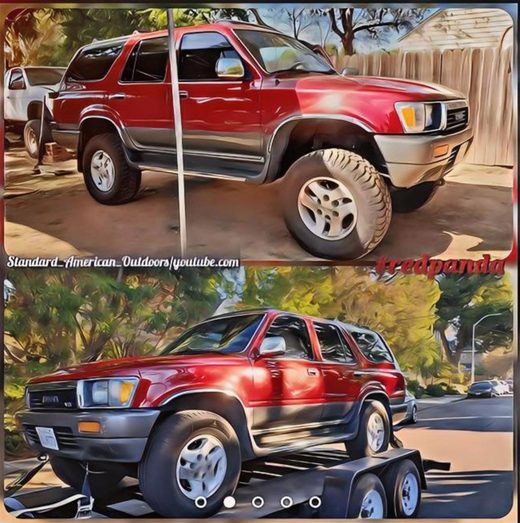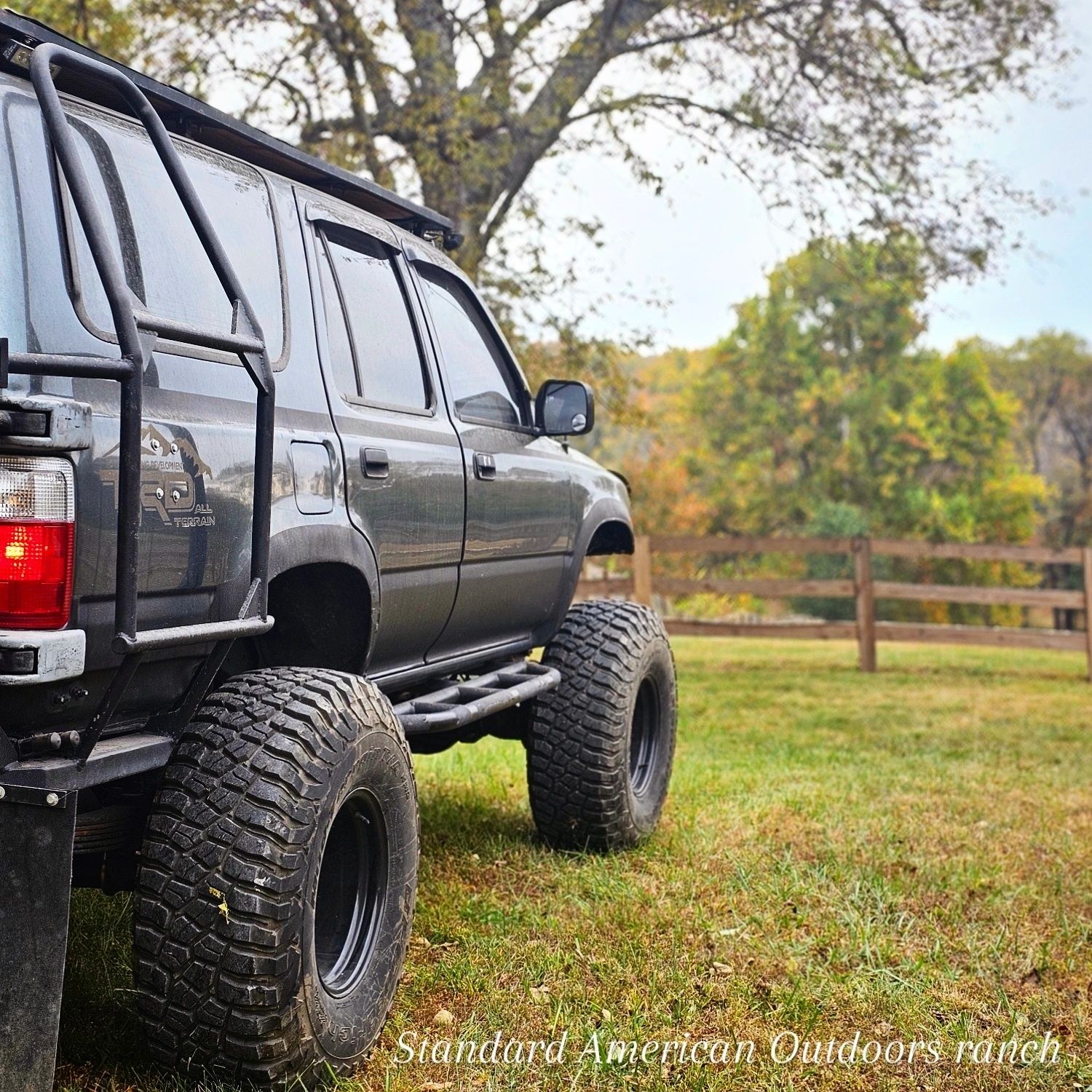
1995 Toyota 4Runner: The Complete Owner's & Buyer's Guide
Quick answer: The 1995 4Runner is the final year of the 2nd generation (1990–1995). It came with the 3.0L 3VZE V6 or the 2.4L 22RE four-cylinder. It’s a good truck to buy — but the two things that decide whether a specific one is worth owning are its head gasket history and how much rust is on the frame.
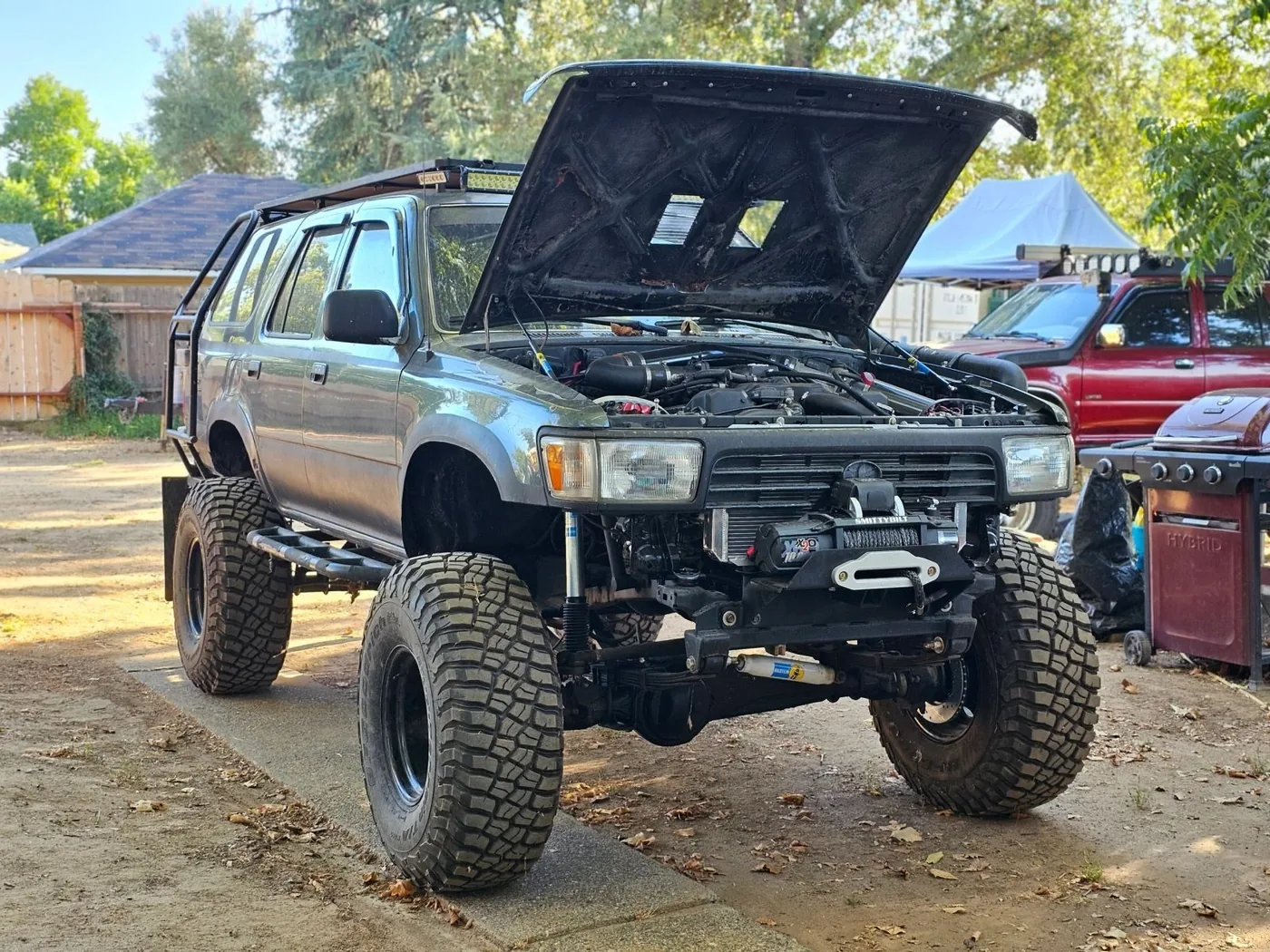
The 1995 Toyota 4Runner is the final — and most refined — year of the legendary 2nd generation, and that makes it one of the most sought-after vintage Toyotas on the market. Whether you own one or you're shopping for one, here's everything that matters about the '95: specs, what changed, what fails, and what to check before you buy.
1995 4Runner Specs at a Glance
Two engines were offered: the 2.4L 22RE four-cylinder (about 112 hp) and the 3.0L 3VZ-E V6 (about 150 hp and 180 lb-ft), paired with either a 5-speed manual or 4-speed automatic, in 2WD or part-time 4WD with a low-range transfer case. Towing capacity is rated around 3,500 pounds on the V6. Stock tire size is 225/75R15, and being the last model year, the '95 carries every small refinement the generation received — which is exactly why enthusiasts hunt for it.
Why the Last Year Matters
By 1995 Toyota had five years of production refinement in the platform. You get the most sorted version of the 2nd gen before the all-new 3rd generation arrived for 1996 — and because it's the newest possible 2nd gen, a '95 is also simply the youngest truck you can buy with this generation's boxy body, simple electronics, and Hilux-derived toughness. Clean examples are appreciating, and the market has noticed.
What to Check Before Buying a 1995 4Runner
Rust first, everything else second: inspect the frame, body mounts, rear wheel arches, and tailgate bottom — frame rot is the one problem you cannot economically fix. On the 3.0L V6, ask directly about head gasket history; a documented, properly-done head gasket job is a selling point, not a red flag. Check the front end for wandering steering (worn idler arm and ball joints are near-universal at this age), verify 4WD engages and low range works, look for cooling system neglect, and confirm the rear tailgate window operates — a classic 2nd gen weak point. Our full 1990–1995 inspection guide walks the entire checklist.
Owning and Upgrading a '95
A well-kept 1995 4Runner will genuinely run past 300,000 miles — the recipe is religious cooling-system care, on-schedule timing belt service on the V6, and staying ahead of front-end wear. When you're ready to build, the '95 accepts every 2nd gen upgrade we make: the complete 3" lift kit, LED projector headlights to replace the dim 90s glass, and the V3 roof rack built specifically for this roofline. Buy the cleanest one you can find and it will outlive the payments on anything newer.
The Two Things That Decide the Truck
Head gasket history. The 3VZE pairs an iron block with aluminum heads, and thirty years of heat cycles work on the gasket until it lets go. Ask the seller directly, and call a Toyota dealer with the VIN to check whether the old gasket campaign work was performed — it takes five minutes and it is the single most valuable fact about any 3VZE truck. Our head gasket symptoms guide covers what to look and smell for on a test drive, and the overheating diagnosis chain explains why a lot of “bad gasket” trucks are actually a forty-dollar fan clutch.
Rust. Engines get rebuilt; frames don’t. Before you talk price, work the rust inspection checklist — frame rails toward the rear, body mounts, rear quarters, the tailgate’s lower seam, and under the battery tray. Bring a flashlight and something to tap with.
What to Expect Once You Own One
Fuel economy lands around 12–15 mpg in town and high teens on the highway for a healthy V6 — the real-world MPG guide covers what actually improves it and what doesn’t. Expect to meet the platform’s familiar quirks eventually: a tailgate window that stops rolling down, rear springs that have sagged after three decades of hauling, and a bouncing speedometer cable. All of them are cheap, known, and fixable.
When you’re ready to build rather than just maintain, the off-road build guide lays out the order that works, and everything we make for these trucks lives in the shop — headlights, complete lift kits, and the full-length roof rack.
1996 and Later Is a Different Truck
One point that trips up buyers: 1995 is where the 2nd generation ends. The 1996 4Runner is an entirely new platform — the 3rd generation, with the 5VZ-FE engine and coil-spring rear suspension — and almost nothing interchanges between them. If the truck you’re looking at is a 1996–2002, our sister site 3G4R Offroad covers that generation instead.
Common Questions About the 1995 4Runner
Is 1995 a good year for the Toyota 4Runner?
Yes, with one caveat. The 1995 model is the last year of the 2nd generation, so it carries the most refined version of that platform. The caveat is the 3.0L 3VZE V6's known head gasket weakness — many were replaced under Toyota's old customer support program, and a truck with documented gasket work is worth meaningfully more than one without it.
What year 2nd gen 4Runner should you stay away from?
Within 1990–1995 there isn't a single bad year to avoid. Condition matters far more than model year on trucks this old. The two variables that actually decide it are whether the head gasket has been addressed and how much frame and body-mount rust the truck is carrying. A clean 1991 beats a rotten 1995 every time.
What engine is in a 95 4Runner?
Either the 3.0L 3VZE V6, which makes about 150 horsepower, or the 2.4L 22RE four-cylinder. The V6 is the more common of the two and the one most buyers are looking at. Both are long-lived when maintained; the V6 needs its cooling system respected.
What is a 1995 Toyota 4Runner worth?
It ranges enormously, and rust is the reason. A clean-frame truck with documented gasket work and a manual transmission sits at the top of the range, while a rusty example is a parts truck regardless of how the paint looks. Inspect the frame rails, body mounts, and rear quarters before agreeing on any number.
How many miles will a 2nd gen 4Runner last?
These trucks routinely pass 250,000 miles, and plenty are still working past 300,000. Longevity comes down to cooling-system maintenance, timely gasket work, and keeping rust from taking the frame.