Why Your 2nd Gen 4Runner Sags in the Rear (And the Fix)
The slow slouch
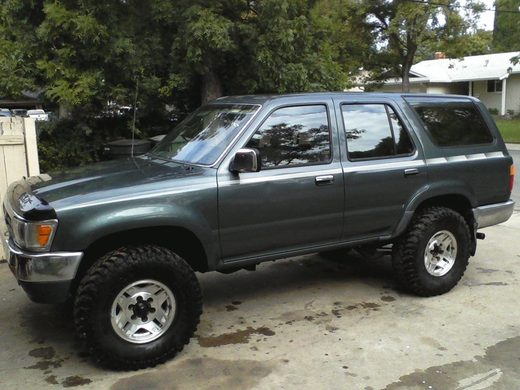
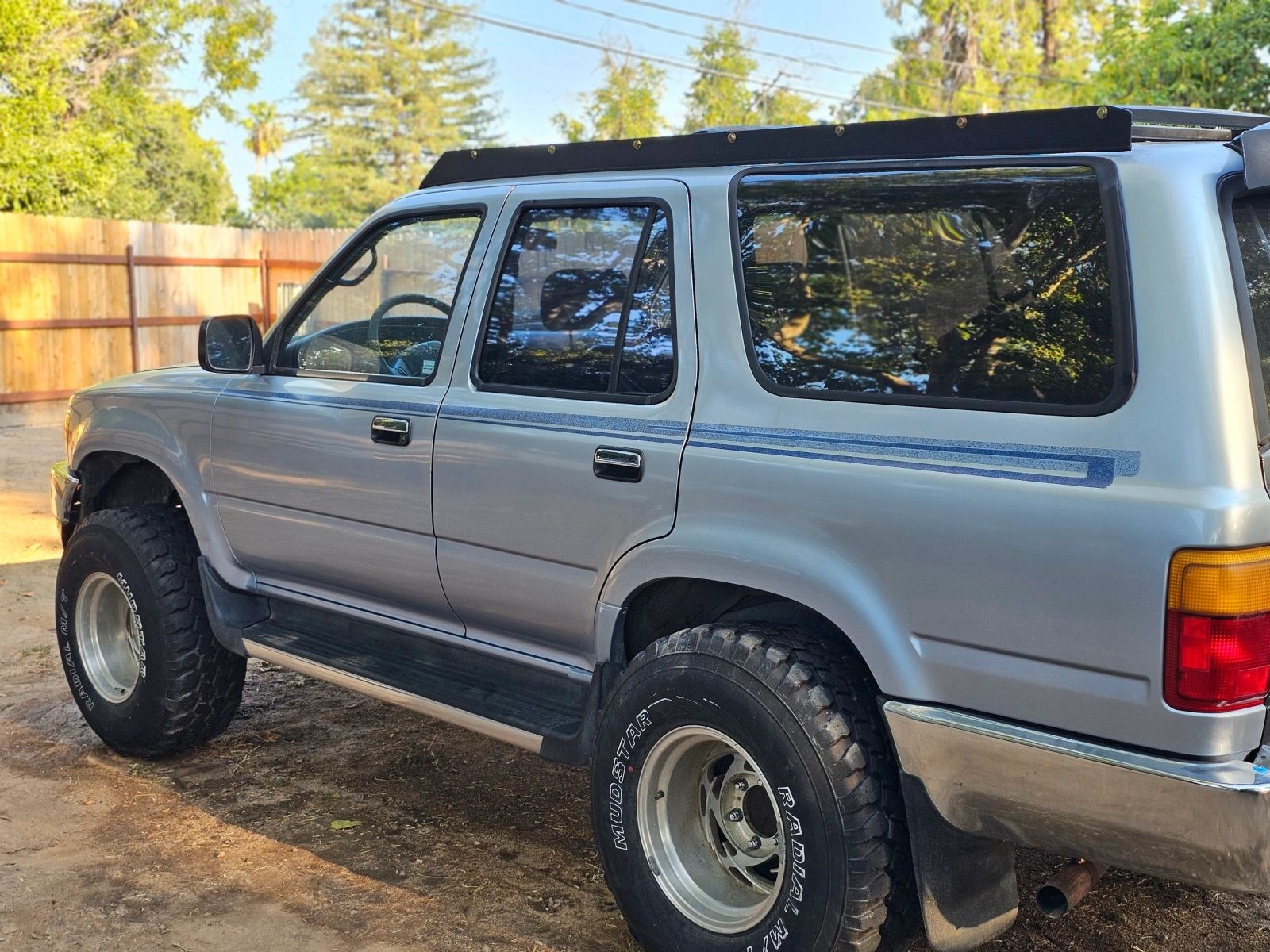
Park a stock-height 2nd gen on level ground and look at it from the side. Odds are the tail sits low — not dramatically, just tired. Rear coil springs that have carried camping gear, dogs, firewood, and thirty years of gravity lose free height slowly enough that owners never notice the day it happened.
The tells: rear tires tucked higher into the wheel wells than the fronts, headlights aiming at the treetops and getting flashed at night, a floaty porpoise over dips, and bottoming out on driveways that never used to touch.
What sag actually costs you
It's not just looks. A saggy rear changes the driveline angles, unsettles braking balance, and kills the composed feel these trucks had when new. Load it up for a trip and everything gets worse — the suspension is riding near the bottom of its travel before you've hit the first bump.
Airbag helpers and spacer band-aids exist, but they treat the symptom. The spring is a wear item that wore out. Replace it like one.
The right fix
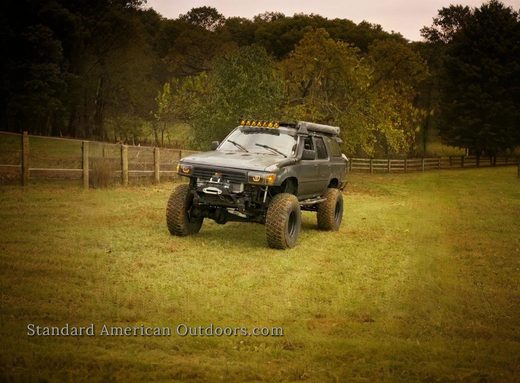
Fresh coils restore ride height, travel, and load capacity in one move — and since you're replacing springs anyway, this is exactly why most 2nd gen owners go to a mild lift at the same time: new springs all around, matched shocks, restored geometry, and room for the 31s or 33s the truck always deserved. A complete 3" kit does it as one coordinated package instead of a pile of mismatched parts.
Whichever route you take: springs in pairs (or all four), shocks at the same time, and an alignment after. And on a solid-axle rear with a lift up front, remember the panhard bar conversation — centered axles track straight.
Springs sorted? Fold it into the bigger plan with the 2nd gen 4Runner off road complete guide.