Best. 2nd gen 4runner mods! ELECTRONIC IDLE UP!!
Best. 2nd gen 4runner mods! ELECTRONIC IDLE UP!!
2nd gen 4Runner mods. 4Runner electronic idle up.
2nd gen 4runner mods!
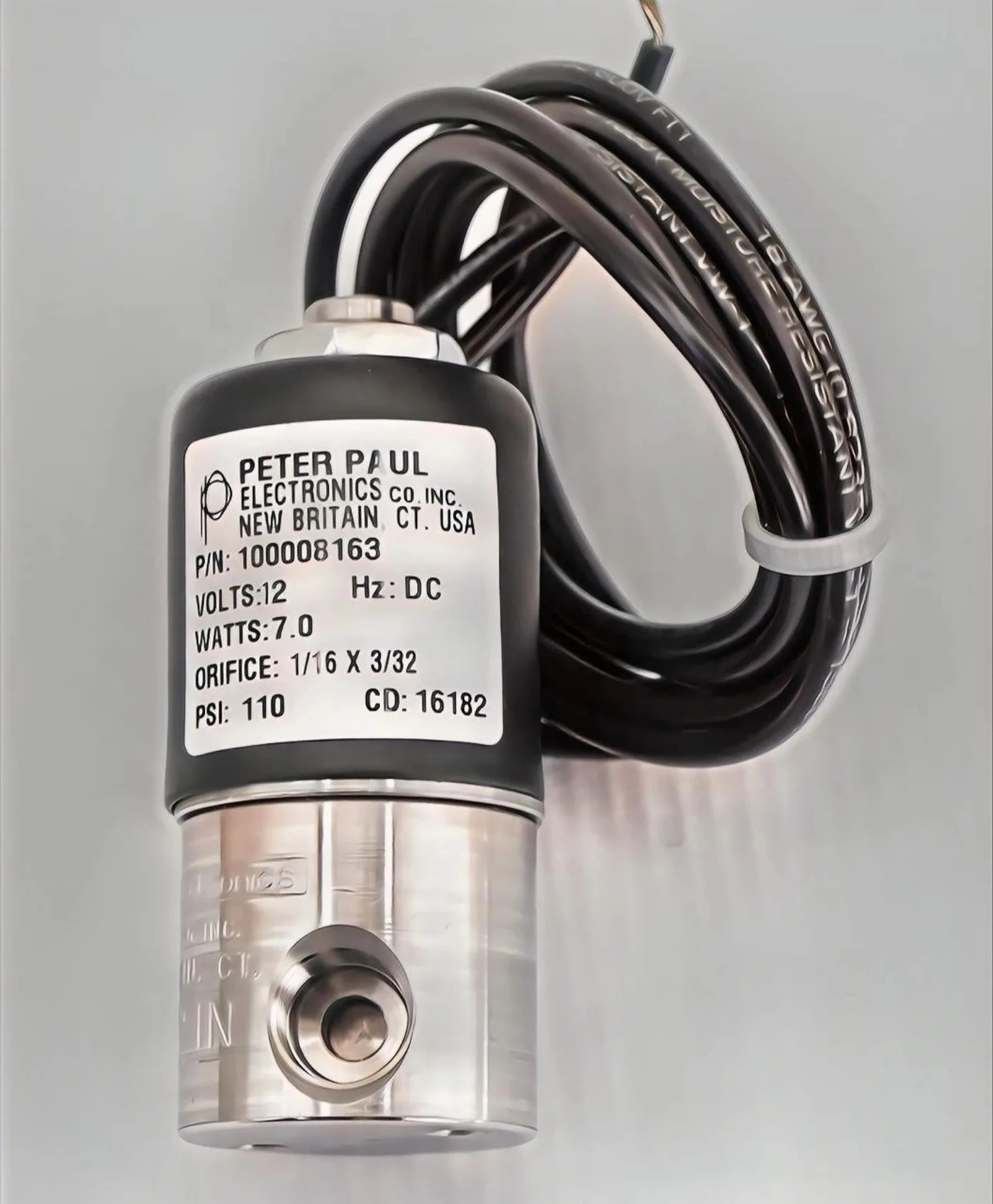
Toyota 4Runner Electronic Idle Up Mod: A Game-Changer for Manual Transmission Owners The second-generation Toyota 4Runner, produced between 1989 and 1995, remains a highly sought-after platform for off-road enthusiasts and daily drivers alike. While these vehicles came with impressive capabilities from the factory, there's always room for improvement. Today, we're diving deep into one of the most practical yet often overlooked modifications: the electronic idle up system. Understanding the Basics Before we delve into the benefits and installation of an electronic idle up system, it's essential to understand how your 4Runner's idle system works. The stock idle speed is controlled by the vehicle's ECU (Engine Control Unit) through the IACV (Idle Air Control Valve), maintaining approximately 750-800 RPM at operating temperature. This setup works well for most situations but can present challenges, especially for manual transmission owners. How Electronic Idle Up Works The electronic idle up modification operates on a simple yet effective principle: creating a controlled artificial vacuum leak. By introducing additional air into the intake manifold, we can increase the engine's RPM at idle. This system typically consists of: 1. A solenoid valve 2. Vacuum line connections 3. Toggle switch or control module 4. Electrical wiring 5. Vacuum source from the intake manifold When activated, the solenoid opens, allowing additional air to enter the intake manifold. This controlled "leak" tricks the engine into thinking it needs more fuel to maintain the proper air-fuel ratio, resulting in increased idle speed. The beauty of this system lies in its simplicity and effectiveness. Installation Components and Process To install an electronic idle up system, you'll need: - 12V solenoid valve (rated for vacuum use) - Vacuum line (high-quality silicon or rubber) - Toggle switch or electronic control module - Electrical wiring and connectors - Mounting hardware - Basic hand tools The installation process involves: 1. Identifying a suitable mounting location for the solenoid 2. Installing vacuum lines from the intake manifold 3. Wiring the solenoid to a switched 12V power source 4. Installing the control switch in an accessible location 5. Testing and adjusting the system Benefits for Manual Transmission Owners The electronic idle up modification offers several significant advantages, particularly for manual transmission 4Runner owners: 1. Hill Start Assistance One of the most challenging situations for manual transmission drivers is starting on steep inclines. Without electronic idle up, you're forced to quickly transition from brake to gas while modulating the clutch, often resulting in rollback or stalling. With idle up engaged, you can: - Maintain vehicle position with less brake pressure - Smoothly transition from stop to start - Reduce clutch wear during difficult starts - Minimize the risk of rolling backward 2. Enhanced Vehicle Control The increased idle speed provides: - Better clutch engagement control - Reduced stalling risk in technical off-road situations - Smoother low-speed maneuverability - Improved control in rock crawling scenarios Faster Warm-Up Benefits A significant advantage of the electronic idle up system is faster engine warm-up times. Here's how it helps: 1. Increased Oil Circulation - Higher idle speeds during warm-up ensure better oil circulation - Reduces engine wear during cold starts - Promotes more even temperature distribution throughout the engine 2. Faster Catalyst Light-Off - Higher RPMs during warm-up help the catalytic converter reach operating temperature faster - Results in reduced emissions during the warm-up period - Improves overall vehicle efficiency 3. Climate Control Performance - Faster warm-up means quicker cabin heat in cold weather - Improved defrosting capability - Better overall climate control system performance Battery Charging Benefits The electronic idle up system provides significant advantages for your vehicle's electrical system: 1. Enhanced Charging Rate - Higher idle speeds increase alternator output - Particularly beneficial when running additional electrical accessories - Helps maintain battery health during extended idling 2. Electrical System Stability - Provides better voltage stability for aftermarket accessories - Reduces strain on the alternator - Helps prevent battery drain during extended idle periods Technical Considerations and Adjustments When installing an electronic idle up system, several technical aspects require attention: 1. Vacuum Source Selection - Choose a manifold vacuum source after the MAF sensor - Ensure the vacuum source is not shared with critical systems - Use appropriate vacuum line sizes and fittings 2. Solenoid Selection - Choose a solenoid rated for continuous duty - Ensure proper flow characteristics - Consider temperature and environmental resistance 3. Adjustment and Tuning - Start with conservative idle increase settings - Adjust based on vehicle weight and modifications - Consider altitude effects on performance Safety Considerations While the electronic idle up system offers numerous benefits, proper installation and use are crucial: 1. System Integration - Ensure the system doesn't interfere with factory safety features - Maintain proper fail-safe operation - Include appropriate fusing and electrical protection 2. Operating Guidelines - Use the system only when necessary - Avoid excessive idle speeds - Monitor engine temperature and oil pressure Troubleshooting Common Issues Like any modification, electronic idle up systems may require occasional troubleshooting: 1. Vacuum Leaks - Check all connections regularly - Inspect vacuum lines for damage - Verify proper solenoid operation 2. Electrical Issues - Ensure proper ground connections - Check switch and wiring integrity - Verify proper voltage at the solenoid 3. Performance Adjustments - Fine-tune idle speed increase - Adjust for different conditions - Monitor engine performance Real-World Applications The electronic idle up system proves particularly valuable in several scenarios: 1. Off-Road Use - Rock crawling - Hill climbs - Technical terrain navigation - Recovery situations 2. Daily Driving - Cold weather operation - Heavy traffic management - Parking on steep inclines - City driving with frequent stops 3. Special Situations - Trailer loading/unloading - Operating auxiliary equipment - Recovery operations - Camping and overlanding Compatibility with Other Modifications The electronic idle up system works well with other common 4Runner modifications: 1. Engine Modifications - Aftermarket air intakes - Header installations - Exhaust system upgrades - Forced induction systems 2. Transmission Modifications - Clutch upgrades - Flywheel modifications - Gear ratio changes - Transfer case modifications Long-Term Considerations When installing an electronic idle up system, consider these long-term factors: 1. Maintenance Requirements - Regular vacuum line inspection - Solenoid cleaning or replacement - Switch and wiring maintenance - System adjustment checks 2. Impact on Vehicle Systems - Engine wear considerations - Fuel consumption effects - Emissions system impact - Battery and charging system effects Cost-Benefit Analysis The electronic idle up modification offers excellent value: 1. Installation Costs - Solenoid and vacuum components - Electrical components - Installation tools and supplies - Optional professional installation 2. Long-Term Benefits - Reduced clutch wear - Improved vehicle control - Enhanced safety features - Better overall driving experience Future Modifications and Upgrades The electronic idle up system can be enhanced with: 1. Electronic Controls - Digital control modules - RPM-based activation - Temperature-dependent operation - Multiple preset settings 2. Integration Options - Connection to vehicle computer - Smartphone control capabilities - Data logging features - Automated operation modes Conclusion The electronic idle up modification represents a significant improvement for second-generation 4Runner owners, particularly those with manual transmissions. The system's ability to provide better control, faster warm-up times, and improved charging capabilities makes it a valuable addition to any 4Runner build. While the installation requires attention to detail and proper component selection, the benefits far outweigh the initial investment and installation effort.
The modification's simplicity, combined with its effectiveness in addressing common manual transmission challenges, makes it an excellent choice for both daily drivers and off-road enthusiasts. Whether you're dealing with steep driveways, technical trails, or just want improved control and performance, an electronic idle up system can significantly enhance your 4Runner experience. Remember that proper installation, regular maintenance, and responsible use are key to getting the most out of this modification. When properly implemented, an electronic idle up system can provide years of reliable service while making your 4Runner more capable and enjoyable to drive in various situations.
Due for a tune-up? We build OEM-spec 3VZE spark plugs for the 90–95 trucks — shipped from Delaware.