Enduring Icon: Why the 2nd Gen 4Runner is a Classic Off-Roader
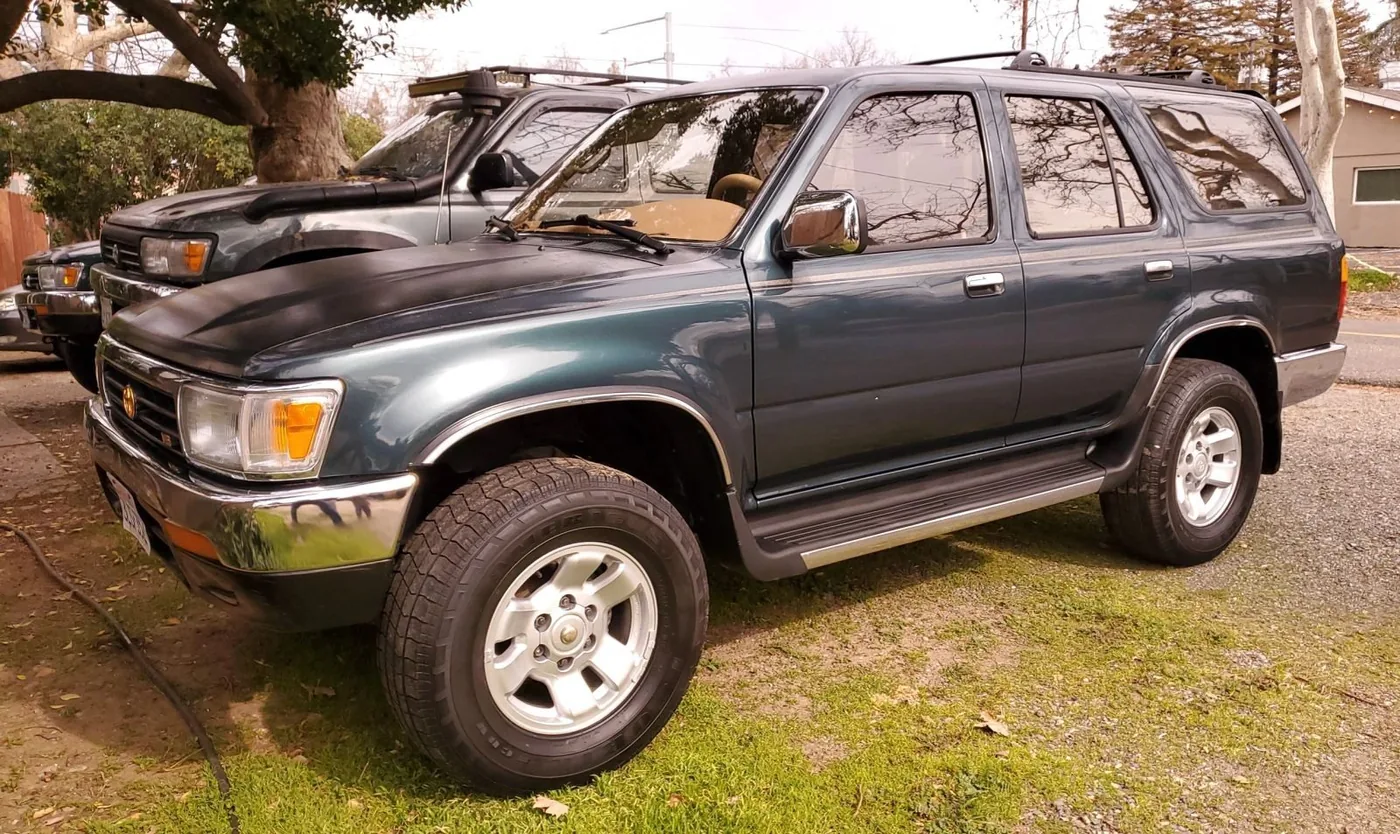
In the pantheon of legendary off-road vehicles, few command the enduring respect and affection reserved for the 2nd Gen Toyota 4Runner. Produced from 1990 to 1995, this generation solidified the 4Runner's reputation as a rugged, reliable, and highly capable machine. While newer models boast advanced electronics and more creature comforts, the 2nd Gen continues to be celebrated by enthusiasts worldwide. If you've ever wondered, "Why the 2nd Gen 4Runner is a classic off-roader?" this article will explore the key attributes that have cemented its status as an automotive icon and a perennial favorite on the trails.
Built to Last: The Unyielding Foundation
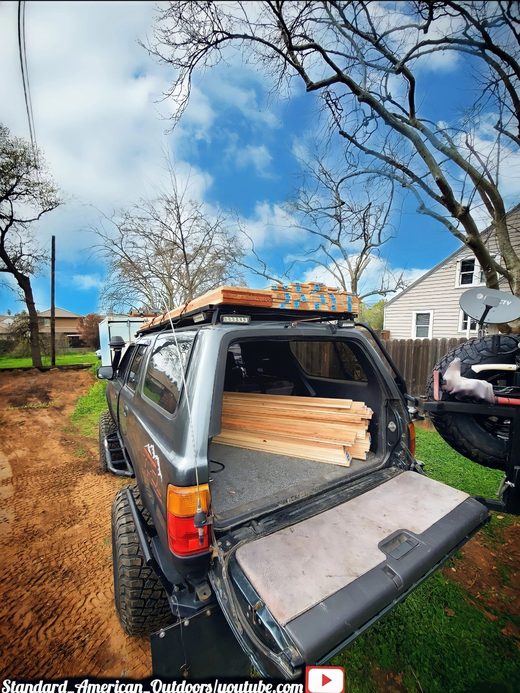
One of the primary reasons why the 2nd Gen 4Runner is a classic off-roader lies in its fundamental construction: a robust body-on-frame chassis. This traditional design, shared with its pickup truck brethren, provides exceptional durability and torsional rigidity, essential for enduring the stresses of challenging off-road terrain. Unlike many modern SUVs that have adopted unibody construction for improved on-road handling, the 2nd Gen's separate frame allows for greater flex and articulation, enabling the wheels to maintain contact with uneven surfaces and maximize traction. This inherent toughness means that even decades later, a well-maintained 2nd Gen 4Runner remains a formidable and reliable platform for off-road adventures.
Mechanical Simplicity: A DIY Dream
Another compelling answer to "Why the 2nd Gen 4Runner is a classic off-roader?" is its mechanical simplicity. Equipped with either the 2.4-liter 22R-E four-cylinder or the 3.0-liter 3VZ-E V6 engine, these vehicles are largely devoid of the complex electronic systems found in contemporary SUVs. This straightforward engineering makes them relatively easy to diagnose, maintain, and repair, even in remote locations. For the DIY enthusiast, this means less reliance on specialized tools or diagnostic equipment, fostering a deeper connection with the vehicle and empowering owners to tackle repairs and modifications themselves. This accessibility to maintenance and repair is a significant factor in its enduring appeal as a classic off-roader.
Proven Drivetrain: Conquering the Terrain
The 2nd Gen 4Runner's off-road prowess is further bolstered by its capable drivetrain. The part-time 4WD system, featuring a two-speed transfer case with high and low range options, provides the necessary gearing for various off-road scenarios. The low-range gearing is particularly effective for slow-speed technical crawling, allowing the vehicle to navigate steep ascents, descents, and rocky obstacles with precision and control. While not all models came with a factory rear locker, the solid rear axle and robust differentials provide a strong foundation for aftermarket traction aids, further enhancing its ability to conquer challenging trails. This dependable drivetrain is a core reason why the 2nd Gen 4Runner is a classic off-roader.
The Iconic Power Rear Window: A Unique Off-Road Feature
Among its many charms, the 2nd Gen 4Runner boasts a unique feature that has become an iconic hallmark of the 4Runner lineage: the power rear window. While seemingly a minor detail, this feature offers practical benefits for off-roaders. It allows for easy access to the cargo area, improved ventilation in dusty conditions, and even serves as a convenient spot for a spotter to communicate with the driver during tricky reverse maneuvers on the trail. This distinctive design element adds to the vehicle's character and is often cited by enthusiasts as one of the reasons why the 2nd Gen 4Runner is a classic off-roader.
Customization Potential: A Canvas for Adventure
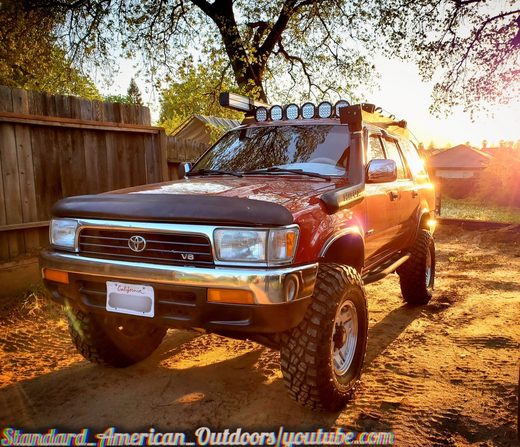
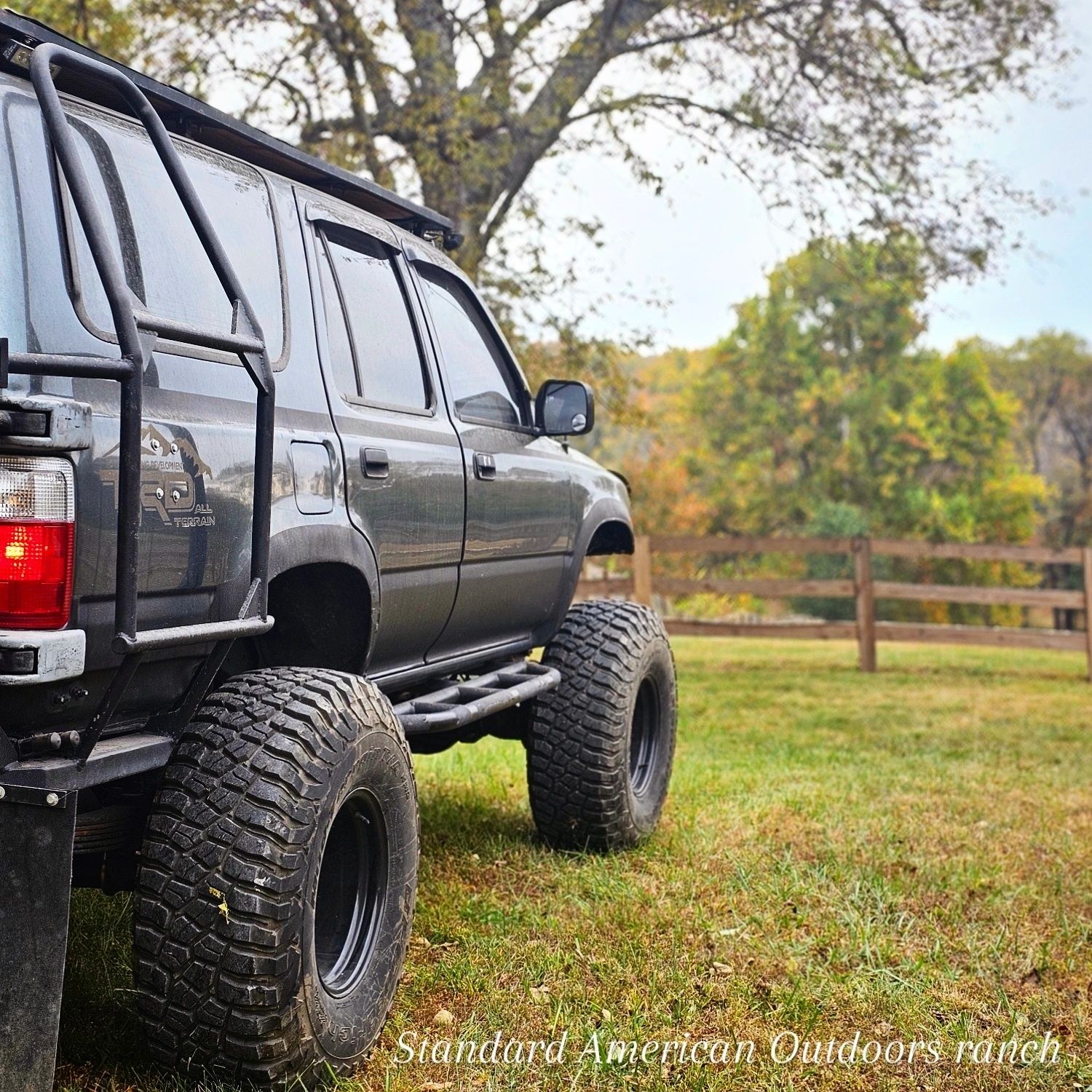
The aftermarket support for the 2nd Gen 4Runner is vast, making it an ideal canvas for customization. From suspension lifts and aggressive tires to heavy-duty bumpers, rock sliders, and advanced recovery gear, owners can tailor their vehicles to suit their specific off-roading needs and preferences. This adaptability allows for the creation of highly specialized rigs, whether for rock crawling, overlanding, or general trail exploration. The ability to personalize and enhance its capabilities is a significant draw and a key reason why the 2nd Gen 4Runner is a classic off-roader that continues to evolve with its owners.
A Bridge to the Future: Paving the Way
The 2nd Gen 4Runner also holds its classic status because it served as a crucial bridge in the evolution of the Toyota 4Runner. It successfully transitioned from the utilitarian, removable-top design of the 1st Gen to a more refined, integrated SUV, while still retaining its core off-road identity. Its success demonstrated a strong market demand for a capable, mid-sized SUV, paving the way for the more sophisticated 3rd and subsequent generations. Without the 2nd Gen's achievements, the 4Runner might have taken a different, less off-road-focused path. Its historical significance is undeniable, further solidifying why the 2nd Gen 4Runner is a classic off-roader.
Conclusion: The Enduring Legacy
In summary, the 2nd Gen Toyota 4Runner is a classic off-roader for a multitude of reasons: its robust body-on-frame construction, mechanical simplicity, proven drivetrain, unique features like the power rear window, and immense customization potential. It represents an era of automotive design where durability and capability were paramount, offering an authentic and engaging off-road experience that continues to captivate enthusiasts. For those who value reliability, a hands-on approach to vehicle ownership, and a deep connection to the trail, the 2nd Gen 4Runner remains an unparalleled choice and a true classic.
*Discover more about the enduring appeal of the 2nd Gen 4Runner and find parts for your classic off-roader at Standard American Outdoors.*
Sorting the stance? We build the complete 3" lift kit for the 90–95 trucks — shipped from Delaware.