Keeping Your Legend Alive: Essential 2nd Gen 4Runner Maintenance
Keeping Your Legend Alive: Essential 2nd Gen 4Runner Maintenance for Off-Roading
The 2nd Gen Toyota 4Runner, produced from 1990 to 1995, is a testament to Toyota’s engineering prowess, known for its rugged durability and off-road capability. However, even the most robust vehicles require diligent care, especially when subjected to the demanding conditions of off-roading. Proper 2nd Gen 4Runner maintenance for off-roading is not just about extending the life of your vehicle; it’s about ensuring reliability, preventing costly breakdowns on the trail, and maximizing your safety. This comprehensive guide will outline the critical maintenance tasks and checks necessary to keep your classic 4Runner performing at its peak, whether you’re tackling rocky climbs or navigating muddy tracks.
Why Off-Roading Demands Specialized Maintenance
Off-roading puts significantly more stress on a vehicle than typical on-road driving. Components are subjected to extreme temperatures, impacts, water, mud, dust, and constant vibration. These conditions accelerate wear and tear, making standard maintenance schedules insufficient. Specialized 2nd Gen 4Runner maintenance for off-roading focuses on proactive inspections and more frequent servicing of critical systems to prevent failures before they occur.
Pre-Trip Inspections: Prepare for the Adventure
Before every off-road excursion, a thorough inspection can save you from trailside headaches. This is a crucial part of 2nd Gen 4Runner maintenance for off-roading.
- Fluids: Check engine oil, transmission fluid, transfer case fluid, differential fluids, power steering fluid, brake fluid, and coolant levels. Top off or change as needed. Ensure all fluids are clean and free of contaminants.
- Tires: Inspect tire pressure (and adjust for off-road conditions), check for cuts, bulges, or punctures. Examine tread depth and ensure your spare tire is properly inflated and accessible.
- Belts and Hoses: Look for cracks, fraying, or leaks. Ensure belts are properly tensioned.
- Battery: Check terminals for corrosion and ensure connections are tight. Verify the battery is securely mounted.
- Lights: Test all exterior lights, including headlights, taillights, brake lights, and turn signals. Ensure any auxiliary off-road lighting is functional.
- Underbody: Visually inspect for loose components, damaged skid plates, or leaks. Check U-joints and CV boots for tears or damage.
- Recovery Gear: Ensure your winch, recovery straps, shackles, and high-lift jack are in good working order and properly stored.
Post-Trip Maintenance: Recovering from the Trail
After a challenging off-road trip, your 4Runner needs attention to remove contaminants and identify any new issues. This post-trip routine is just as vital as pre-trip checks for effective 2nd Gen 4Runner maintenance for off-roading.
- Wash Thoroughly: Remove all mud, dirt, and debris from the exterior, undercarriage, wheel wells, and engine bay. Pay special attention to areas where mud can pack and trap moisture, leading to rust.
- Underbody Inspection: Re-inspect the undercarriage for any new damage, bent components, loose bolts, or leaks that may have occurred during the trip.
- Fluid Checks: Re-check all fluid levels. If you encountered deep water crossings, it’s highly recommended to check differential, transfer case, and transmission fluids for water contamination (milky appearance). Change immediately if contaminated.
- Brakes: Inspect brake pads and rotors for excessive wear or damage from debris. Clean any mud or grit from calipers.
- Suspension and Steering: Check all suspension components (shocks, springs, control arms, bushings) and steering linkages for damage, looseness, or excessive play.
- Tire Rotation and Balance: Consider rotating and balancing your tires more frequently than standard schedules, especially after aggressive off-roading, to ensure even wear.
Critical Systems: Ongoing Maintenance Focus
Certain systems require continuous vigilance as part of your 2nd Gen 4Runner maintenance for off-roading strategy.
Cooling System
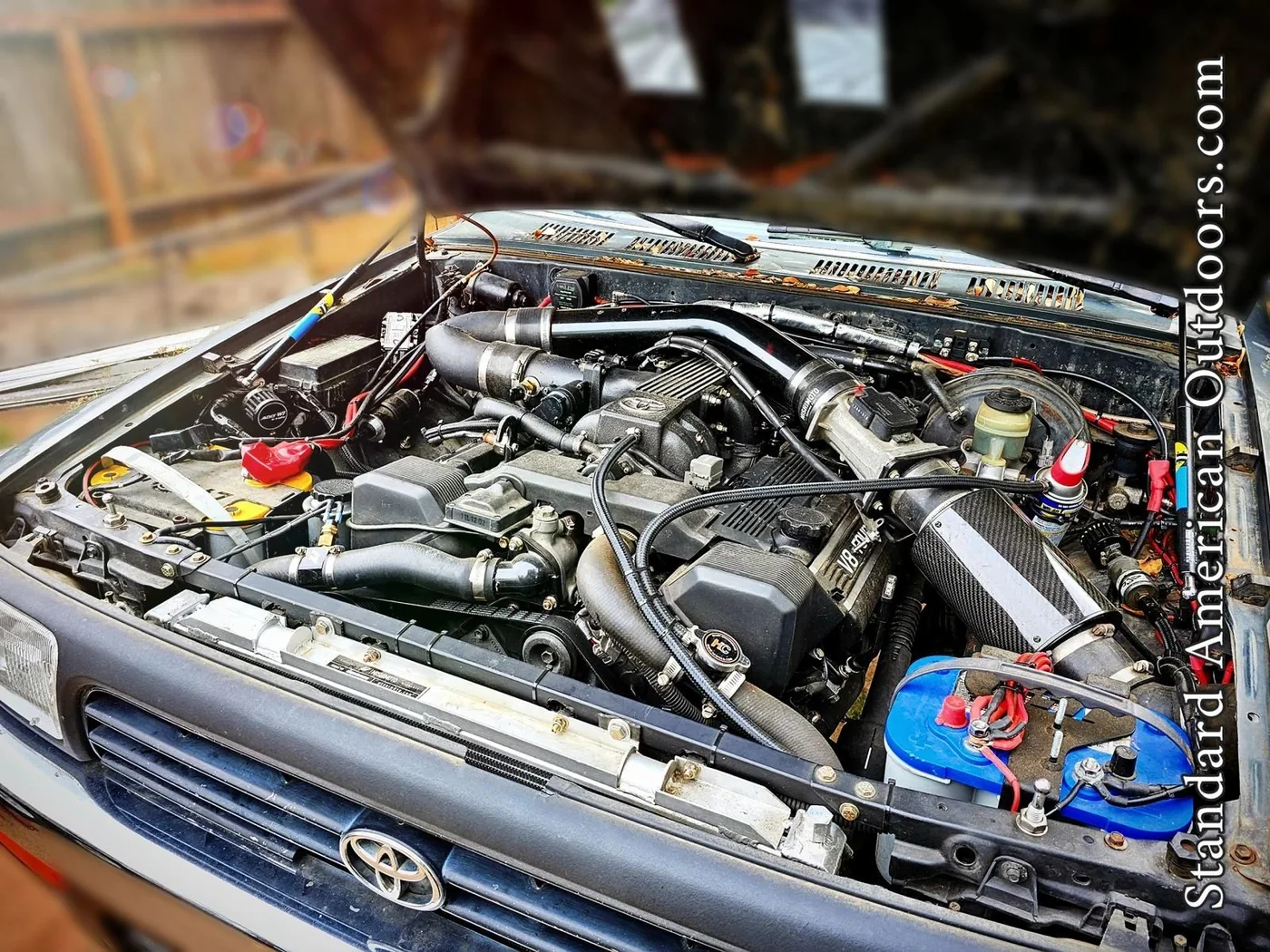
The 3VZ-E V6 engine, in particular, is sensitive to overheating. Regularly flush the coolant, inspect the radiator for clogs or damage, check the water pump for leaks, and ensure the thermostat is functioning correctly. Consider upgrading to an all-aluminum radiator for improved cooling capacity.
Drivetrain
Change differential, transfer case, and transmission fluids more frequently than factory recommendations, especially if you regularly engage in water crossings or heavy towing. Inspect U-joints and CV axles for wear or damage, replacing them at the first sign of trouble.
Brakes
Off-roading can be hard on brakes. Regularly inspect pads, rotors, and brake lines. Consider upgrading to braided stainless steel brake lines for improved pedal feel and durability.
Electrical System
Ensure all electrical connections are clean and secure, especially those exposed to the elements. Inspect wiring for chafing or damage. A dual battery system can provide peace of mind for powering accessories and ensuring you always have starting power.
Conclusion: Your Reliable Trail Companion
Diligent 2nd Gen 4Runner maintenance for off-roading is the key to unlocking years of reliable adventure from your classic Toyota. By adopting a proactive approach to inspections, adhering to specialized service intervals, and addressing issues promptly, you can ensure your 4Runner remains a dependable and capable partner on any trail. Don’t let neglect turn your dream rig into a trailside nightmare. Invest the time and effort into proper maintenance, and your 2nd Gen 4Runner will continue to prove why it’s a legendary off-road machine.
*Keep your 2nd Gen 4Runner trail-ready. Visit Standard American Outdoors for quality parts, fluids, and expert advice on essential 2nd Gen 4Runner maintenance for off-roading.*