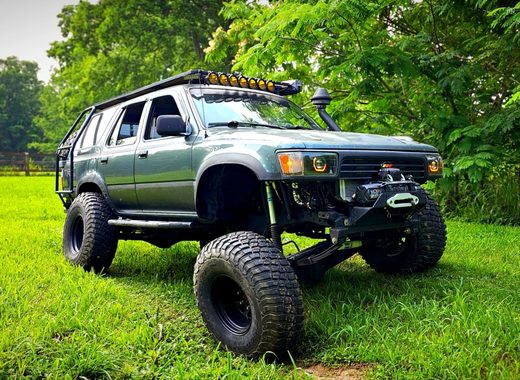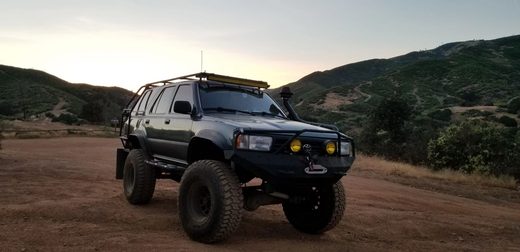
The 2nd Generation Toyota 4Runner: Everything YOU Need To Know.
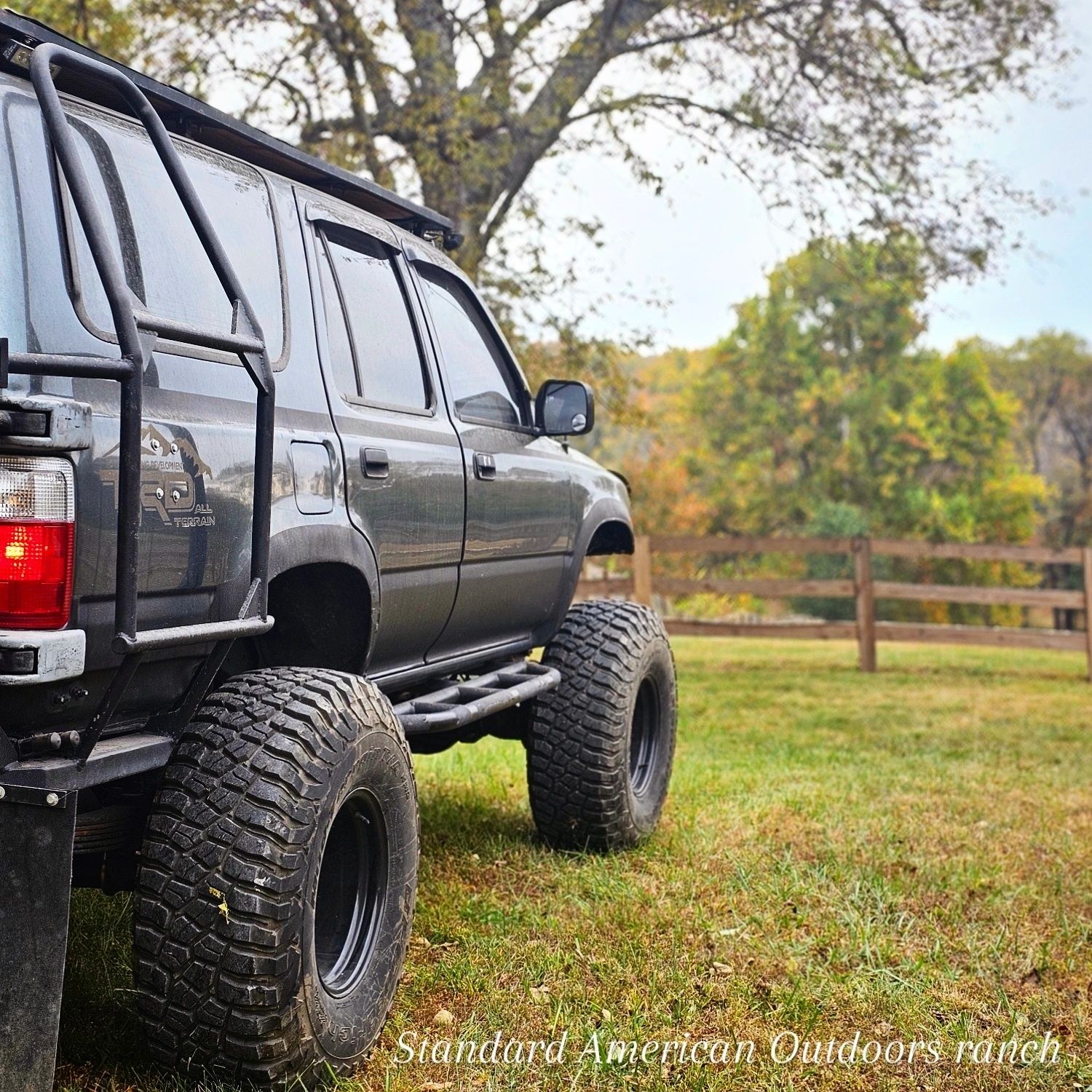
The Ultimate Guide to 2nd Generation Toyota 4Runner: Everything You Need to Know About the 1990-1995 Legend
The 2nd generation Toyota 4Runner stands as one of the most beloved and capable SUVs ever produced, representing a perfect blend of rugged reliability, timeless design, and incredible modification potential. Manufactured from Toyota 4Runner 1990-1995, this generation has earned a legendary status among off-road enthusiasts, overlanders, and automotive builders who appreciate its robust construction and endless customization possibilities.
At Standard American Outdoors, we've dedicated ourselves to becoming the premier destination for everything related to the 2nd generation Toyota 4Runner. Our expertise spans from basic maintenance and restoration to advanced modifications like the famous 1UZ engine swap 4Runner conversions that transform these already capable vehicles into true performance beasts. Whether you're searching for 2nd gen 4Runner parts, planning comprehensive Toyota 4Runner modifications, or looking for the perfect 2nd gen 4Runner roof rack, this comprehensive guide will serve as your ultimate resource.
The Toyota 4Runner 1990-1995 era represents a unique period in automotive history when manufacturers prioritized durability and capability over complexity. These vehicles were built to last, featuring body-on-frame construction, solid axles, and mechanical systems that could be maintained and modified with basic tools. This philosophy has made the 2nd generation Toyota 4Runner a favorite among DIY enthusiasts and professional builders alike.
Understanding the 2nd Generation Toyota 4Runner Legacy
The 2nd generation Toyota 4Runner emerged during a pivotal time in the SUV market, when Toyota was establishing its reputation for building vehicles that could handle both daily driving duties and serious off-road adventures. The Toyota 4Runner 1990-1995 models built upon the success of the first generation while introducing significant improvements in comfort, safety, and capability.
What sets the 2nd generation Toyota 4Runner apart from its predecessors and successors is its perfect balance of simplicity and functionality. These vehicles featured independent front suspension paired with a solid rear axle, providing excellent on-road manners while maintaining the articulation and durability needed for serious off-road work. The body-on-frame construction, while heavier than modern unibody designs, provides the structural integrity necessary for heavy-duty use and extensive modifications.
The Toyota 4Runner 1990-1995 generation introduced several key improvements over the first generation, including a more refined interior, improved aerodynamics, and enhanced safety features. However, Toyota maintained the rugged character that made the 4Runner famous, ensuring that these vehicles could handle whatever adventures their owners could imagine.
One of the most significant aspects of the 2nd generation Toyota 4Runner is its modification potential. The simple, robust design makes it an ideal platform for everything from mild upgrades to complete transformations. This has led to a thriving aftermarket industry and a passionate community of owners who continue to push the boundaries of what these vehicles can achieve.
Engine Options and the Famous 1UZ Engine Swap 4Runner Conversion
The Toyota 4Runner 1990-1995 came with several engine options, each with its own characteristics and modification potential. Understanding these original powerplants is crucial for anyone considering Toyota 4Runner modifications or planning an 1UZ engine swap 4Runner conversion.
The most common engine in the 2nd generation Toyota 4Runner was the 3.0L 3VZ-E V6, which produced approximately 150 horsepower and 180 lb-ft of torque. While reliable, this engine was often criticized for being underpowered, especially when loaded with gear or climbing steep terrain. The 3VZ-E was also known for head gasket issues, particularly in earlier models, which has led many owners to consider engine swaps or major rebuilds.
The 2.4L 22R-E four-cylinder was also available in some markets and configurations. This engine, while even less powerful than the V6, was renowned for its reliability and simplicity. Many 2nd generation Toyota 4Runner enthusiasts appreciate the 22R-E for its ease of maintenance and modification, though its limited power output makes it less suitable for heavy-duty applications.
This is where the 1UZ engine swap 4Runner conversion becomes incredibly appealing. The 1UZ-FE is a 4.0L V8 engine originally found in Lexus LS400 and SC400 models. This all-aluminum, quad-cam engine produces significantly more power than the stock options while maintaining Toyota's legendary reliability. A typical 1UZ engine swap 4Runner conversion can increase power output to over 250 horsepower and 260 lb-ft of torque, transforming the driving experience entirely.
The 1UZ engine swap 4Runner has become one of the most popular modifications in the 2nd generation Toyota 4Runner community. This conversion offers several advantages beyond just increased power. The 1UZ-FE is lighter than the iron-block 3VZ-E despite having two additional cylinders, improving weight distribution and handling. The engine is also smoother and more refined, providing a luxury car driving experience in a rugged SUV package.
Completing an 1UZ engine swap 4Runner conversion requires careful planning and quality components. The swap involves modifications to engine mounts, transmission adapters, wiring harnesses, and cooling systems. At Standard American Outdoors, we've developed comprehensive swap kits and detailed instructions to help enthusiasts complete this transformation successfully.
The Toyota 4Runner V8 conversion process typically begins with sourcing a quality 1UZ-FE engine, preferably from a low-mileage donor vehicle. The engine should be thoroughly inspected and refreshed as needed before installation. Key components for the 1UZ engine swap 4Runner include custom engine mounts, a transmission adapter (if retaining the original transmission), a complete wiring harness, and modifications to the cooling and exhaust systems.
Comprehensive Toyota 4Runner Modifications Guide
Toyota 4Runner modifications for the 2nd generation Toyota 4Runner span a wide range of categories, from simple bolt-on upgrades to complete vehicle transformations. Understanding the various modification categories and their benefits helps owners prioritize their builds and achieve their specific goals.
Suspension modifications represent one of the most popular categories of Toyota 4Runner modifications. The Toyota 4Runner 1990-1995 models benefit significantly from upgraded suspension components, whether the goal is improved on-road handling, increased off-road capability, or simply a more aggressive appearance. Popular suspension modifications include lift kits, upgraded shock absorbers, stronger springs, and reinforced control arms.
A quality lift kit is often the foundation of serious Toyota 4Runner modifications. Lift kits for the 2nd generation Toyota 4Runner typically range from 2 inches to 6 inches or more, depending on the intended use and tire size requirements. Moderate lifts of 2-3 inches provide improved ground clearance and the ability to run larger tires while maintaining reasonable on-road manners. More extreme lifts allow for massive tire sizes and maximum ground clearance but may require additional modifications to maintain drivability.
When planning suspension Toyota 4Runner modifications, it's important to consider the entire system as a package. Simply installing a lift kit without upgrading other components can lead to poor performance and premature wear. Quality shock absorbers, properly rated springs, and reinforced steering components are essential for a successful suspension upgrade.
Drivetrain modifications represent another major category of Toyota 4Runner modifications. Beyond the 1UZ engine swap 4Runner conversion, owners can upgrade transmissions, transfer cases, axles, and differentials to handle increased power and improve capability. Popular drivetrain modifications include manual transmission swaps, transfer case upgrades, differential lockers, and stronger axle shafts.
The 2nd generation Toyota 4Runner came with several transmission options, including 5-speed manual and 4-speed automatic units. Many enthusiasts prefer the manual transmission for its simplicity, reliability, and improved control in off-road situations. However, the automatic transmission can be upgraded with performance modifications and is often preferred for daily driving comfort.
Transfer case modifications can significantly improve the 2nd generation Toyota 4Runner's off-road capability. Upgrades might include lower gear ratios for improved crawling ability, stronger internal components for reliability, or even complete case swaps for enhanced functionality. These modifications work particularly well in conjunction with an 1UZ engine swap 4Runner conversion, as the increased torque can take full advantage of improved gearing.
Exterior modifications form a highly visible category of Toyota 4Runner modifications. These upgrades not only enhance the vehicle's appearance but often improve functionality as well. Popular exterior modifications include bumpers, rock sliders, fender flares, lighting upgrades, and of course, 2nd gen 4Runner roof rack systems.
The Essential 2nd Gen 4Runner Roof Rack Guide
A quality 2nd gen 4Runner roof rack system is one of the most practical and popular modifications for the Toyota 4Runner 1990-1995. These roof rack systems dramatically increase cargo capacity while maintaining the vehicle's rugged appearance and off-road capability. At Standard American Outdoors, we've developed some of the most innovative and durable 2nd gen 4Runner roof rack solutions available.
The 2nd generation Toyota 4Runner presents unique challenges and opportunities for roof rack design. The vehicle's body-on-frame construction provides excellent mounting points for heavy-duty rack systems, while the relatively compact size requires careful design to maximize utility without compromising aerodynamics or clearance.
Our 2nd gen 4Runner roof rack systems are designed specifically for the Toyota 4Runner 1990-1995 models, taking into account the unique body lines, mounting points, and structural characteristics of these vehicles. Unlike universal rack systems that require compromises and modifications, our purpose-built racks integrate seamlessly with the vehicle's design while providing maximum functionality.
The design philosophy behind our 2nd gen 4Runner roof rack systems prioritizes strength, versatility, and aesthetics. Each rack is constructed from high-strength steel tubing and features a durable powder-coated finish that can withstand years of outdoor use. The modular design allows owners to customize their setup based on specific needs, whether that's carrying camping gear, kayaks, bicycles, or recovery equipment.
Installation of our 2nd gen 4Runner roof rack systems is straightforward, requiring only basic hand tools and following our detailed instructions. The racks are designed to work with the vehicle's existing mounting points, eliminating the need for drilling or permanent modifications. This approach preserves the vehicle's structural integrity while providing a secure, rattle-free installation.
The versatility of our 2nd gen 4Runner roof rack systems extends beyond simple cargo carrying. The racks can be equipped with various accessories including LED light bars, awnings, recovery gear mounts, and specialized carriers for different types of equipment. This modularity allows owners to adapt their setup as their needs change or as they discover new adventures.
Weight distribution is a critical consideration with any 2nd gen 4Runner roof rack system. Our designs carefully balance load capacity with vehicle dynamics, ensuring that loaded racks don't negatively impact handling or stability. We provide detailed load ratings and guidelines to help owners safely maximize their cargo capacity.
The aerodynamic impact of a 2nd gen 4Runner roof rack is another important consideration. Our designs incorporate aerodynamic principles to minimize wind noise and fuel economy impact while maintaining maximum functionality. The sleek profile of our racks complements the 2nd generation Toyota 4Runner's design while reducing drag and noise.
Sourcing Quality 2nd Gen 4Runner Parts
Finding quality 2nd gen 4Runner parts can be challenging due to the age of these vehicles and the discontinuation of many original components. However, the popularity of the Toyota 4Runner 1990-1995 has created a thriving aftermarket industry and a network of specialists who can provide everything from basic maintenance items to rare performance components.
At Standard American Outdoors, we've built relationships with manufacturers, rebuilders, and specialists worldwide to ensure we can provide our customers with the highest quality 2nd gen 4Runner parts available. Our inventory includes everything from basic maintenance items like filters and fluids to specialized performance components and rare restoration parts.
OEM 2nd gen 4Runner parts are becoming increasingly scarce, particularly for items that wear regularly or are commonly damaged in off-road use. However, many aftermarket manufacturers have stepped up to fill this gap, often providing parts that exceed the quality and performance of the original components. These aftermarket 2nd gen 4Runner parts often incorporate improvements based on decades of real-world use and feedback from the enthusiast community.
Engine components represent a major category of 2nd gen 4Runner parts, particularly for owners dealing with the common issues of the 3VZ-E V6 engine. Quality replacement parts for head gaskets, timing belts, water pumps, and other wear items are essential for maintaining these engines. For owners planning an 1UZ engine swap 4Runner conversion, we stock all the necessary components including engines, wiring harnesses, and conversion hardware.
Suspension components are another critical category of 2nd gen 4Runner parts. The Toyota 4Runner 1990-1995 models put significant stress on suspension components, particularly when used for their intended off-road purposes. Quality replacement shocks, springs, bushings, and steering components are essential for maintaining safe and predictable handling.
Drivetrain 2nd gen 4Runner parts include components for the transmission, transfer case, and axles. These parts are subject to significant wear, particularly in modified vehicles or those used for serious off-road work. We stock quality replacement and upgrade parts for all major drivetrain components, including stronger axle shafts, upgraded differential components, and performance transmission parts.
Body and trim 2nd gen 4Runner parts can be particularly challenging to source, as these items are often unique to the Toyota 4Runner 1990-1995 generation and are no longer manufactured. We work with specialized reproduction manufacturers and maintain relationships with salvage yards and parts vehicles to provide these hard-to-find components.
Interior 2nd gen 4Runner parts are essential for maintaining the comfort and functionality of these aging vehicles. Items like seat covers, door panels, dashboard components, and HVAC parts can significantly improve the ownership experience. We stock both OEM-style replacements and upgraded components that improve on the original designs.
Advanced Toyota 4Runner V8 Conversion Techniques
The Toyota 4Runner V8 conversion represents the pinnacle of 2nd generation Toyota 4Runner modifications, transforming these already capable vehicles into true performance machines. While the 1UZ engine swap 4Runner is the most popular V8 conversion, there are several approaches and considerations that can optimize the results.
The foundation of any successful Toyota 4Runner V8 conversion is careful planning and quality components. The conversion affects virtually every system in the vehicle, from the engine bay layout to the cooling system, electrical system, and exhaust routing. Understanding these interconnections is crucial for achieving a reliable, well-integrated result.
Engine selection is the first major decision in a Toyota 4Runner V8 conversion. While the 1UZ-FE is the most popular choice due to its reliability, compact size, and Toyota heritage, other options exist. The 2UZ-FE and 3UZ-FE engines offer more displacement and power but require additional modifications due to their larger size. Some builders even consider non-Toyota V8 engines, though this typically requires more extensive modifications and custom fabrication.
The 1UZ engine swap 4Runner conversion has become standardized enough that comprehensive kits are available, including all necessary hardware and detailed instructions. These kits typically include engine mounts, transmission adapters, wiring harnesses, and other essential components. However, each installation is unique, and some custom fabrication is often required to achieve the best results.
Transmission selection is a critical aspect of the Toyota 4Runner V8 conversion. The original transmissions can be retained with appropriate adapters, but they may not be optimal for the increased power and torque of the V8 engine. Many builders opt for stronger transmissions from other Toyota vehicles or aftermarket units designed for high-performance applications.
The cooling system requires significant attention in any Toyota 4Runner V8 conversion. The V8 engine produces more heat than the original powerplant, and the 2nd generation Toyota 4Runner's cooling system may need upgrades to handle the additional thermal load. This might include larger radiators, upgraded fans, or improved airflow routing.
Electrical integration is one of the most complex aspects of the 1UZ engine swap 4Runner conversion. The 1UZ-FE uses sophisticated engine management systems that must be properly integrated with the vehicle's existing electrical systems. This typically requires custom wiring harnesses and may involve standalone engine management systems for optimal performance.
Exhaust system design is both a functional and aesthetic consideration in the Toyota 4Runner V8 conversion. The V8 engine requires a completely new exhaust system, providing an opportunity to optimize performance while achieving the desired sound characteristics. Proper exhaust design can significantly impact both power output and the overall character of the converted vehicle.
Fuel system modifications are often necessary to support the increased fuel requirements of the V8 engine. This might include upgraded fuel pumps, larger fuel lines, or additional fuel system components. The fuel system must be capable of supporting the engine's requirements under all operating conditions, from idle to full power.
Maintenance and Reliability of Modified 2nd Generation Toyota 4Runner
Maintaining a modified 2nd generation Toyota 4Runner requires understanding both the original vehicle systems and the modifications that have been made. Proper maintenance is crucial for reliability, particularly in vehicles that have undergone significant modifications like an 1UZ engine swap 4Runner conversion or extensive Toyota 4Runner modifications.
The Toyota 4Runner 1990-1995 was designed for durability and ease of maintenance, characteristics that make it an excellent platform for modifications. However, modifications can change maintenance requirements and intervals, making it important to develop a maintenance schedule that accounts for all vehicle systems.
Engine maintenance in a modified 2nd generation Toyota 4Runner depends heavily on the specific modifications performed. Vehicles with an 1UZ engine swap 4Runner conversion require maintenance procedures specific to the 1UZ-FE engine, which may differ significantly from the original powerplant. This includes different oil specifications, service intervals, and inspection procedures.
The 1UZ-FE engine used in Toyota 4Runner V8 conversion projects is generally very reliable when properly maintained. Key maintenance items include regular oil changes with high-quality synthetic oil, timing belt replacement at specified intervals, and cooling system maintenance. The engine's aluminum construction requires attention to coolant specifications and regular system flushing to prevent corrosion.
Suspension maintenance becomes more critical in vehicles with extensive Toyota 4Runner modifications. Lifted vehicles with larger tires put additional stress on suspension components, potentially requiring more frequent inspection and replacement of wear items. Ball joints, tie rod ends, and bushings should be inspected regularly and replaced as needed to maintain safe handling characteristics.
Drivetrain maintenance in modified vehicles requires attention to the increased stresses placed on components by modifications. Vehicles with Toyota 4Runner V8 conversion engines produce significantly more torque than stock, potentially accelerating wear on transmission, transfer case, and axle components. Regular fluid changes and component inspections are essential for long-term reliability.
Brake system maintenance becomes increasingly important as vehicle weight and performance increase. Modified 2nd generation Toyota 4Runner vehicles often benefit from upgraded brake components to handle the additional demands. Regular brake fluid changes, pad and rotor inspections, and system bleeding are essential maintenance procedures.
Electrical system maintenance in vehicles with complex modifications like an 1UZ engine swap 4Runner conversion requires attention to connections, grounds, and component condition. The additional electrical complexity of modern engine management systems requires regular inspection and maintenance to ensure reliable operation.
Building the Perfect 2nd Gen 4Runner Setup
Creating the perfect 2nd generation Toyota 4Runner setup requires careful consideration of intended use, budget, and personal preferences. Whether the goal is a capable daily driver, a weekend adventure vehicle, or a dedicated off-road machine, the Toyota 4Runner 1990-1995 provides an excellent foundation for achieving those objectives.
The first step in building the perfect setup is defining the vehicle's primary purpose. A daily driver requires different Toyota 4Runner modifications than a dedicated trail rig. Understanding the intended use helps prioritize modifications and ensures that the finished vehicle meets expectations while staying within budget constraints.
For daily driver applications, the focus should be on modifications that improve comfort, reliability, and mild capability enhancement. This might include a moderate suspension lift, quality tires, basic armor, and a 2nd gen 4Runner roof rack for additional cargo capacity. An 1UZ engine swap 4Runner conversion can dramatically improve the daily driving experience by providing more power and smoother operation.
Weekend adventure vehicles require a balance between daily usability and off-road capability. These builds typically include more aggressive suspension modifications, comprehensive armor packages, recovery equipment, and storage solutions. The 2nd gen 4Runner roof rack becomes particularly important for carrying camping gear, outdoor equipment, and recovery tools.
Dedicated off-road vehicles can incorporate the most extreme Toyota 4Runner modifications without concern for daily driving comfort or fuel economy. These builds might include significant suspension modifications, large tire packages, extensive armor, and specialized equipment for specific types of terrain or competition.
Budget planning is crucial for any 2nd generation Toyota 4Runner build. Modifications can range from simple bolt-on upgrades costing hundreds of dollars to complete transformations costing tens of thousands. Developing a realistic budget and timeline helps ensure that the project stays on track and achieves the desired results.
The order of modifications can significantly impact both the build process and the final results. Generally, it's best to start with foundational modifications like suspension and drivetrain upgrades before moving to accessories and cosmetic items. This approach ensures that later modifications are compatible with earlier ones and prevents the need for costly re-work.
Quality should always be prioritized over quantity when selecting 2nd gen 4Runner parts and modifications. High-quality components may cost more initially but typically provide better performance, longer life, and greater satisfaction. This is particularly important for safety-critical components like suspension and brake parts.
Professional installation should be considered for complex modifications, particularly those involving safety systems or requiring specialized tools and knowledge. While many Toyota 4Runner modifications can be performed by enthusiasts with basic tools, some procedures are best left to professionals with experience and proper equipment.
The Future of 2nd Generation Toyota 4Runner Enthusiasm
The 2nd generation Toyota 4Runner community continues to grow and evolve, driven by the enduring appeal of these capable and reliable vehicles. As these vehicles age, the community has become increasingly focused on preservation, restoration, and thoughtful modification that maintains the character that makes these vehicles special.
The availability of 2nd gen 4Runner parts continues to improve as aftermarket manufacturers recognize the ongoing demand for quality components. New reproduction parts are regularly introduced, while existing parts are refined and improved based on community feedback and real-world experience.
Innovation in Toyota 4Runner modifications continues to advance, with new products and techniques regularly introduced by creative builders and manufacturers. Modern technology is being integrated into classic platforms, creating vehicles that combine vintage character with contemporary capability and reliability.
The 1UZ engine swap 4Runner conversion has become increasingly refined and accessible, with better kits, more detailed instructions, and growing community knowledge making the conversion more achievable for enthusiasts. This trend is likely to continue as more builders share their experiences and techniques.
Environmental considerations are becoming increasingly important in the 2nd generation Toyota 4Runner community. Many owners are focused on keeping these vehicles on the road through proper maintenance and restoration rather than replacement with new vehicles. This approach reduces environmental impact while preserving automotive heritage.
The educational aspect of the Toyota 4Runner 1990-1995 community continues to grow, with online forums, social media groups, and in-person events providing platforms for sharing knowledge and experiences. This collaborative approach helps preserve knowledge and techniques while fostering innovation and improvement.
At Standard American Outdoors, we're committed to supporting the 2nd generation Toyota 4Runner community through continued product development, technical support, and educational resources. Our goal is to help owners get the most from their vehicles while preserving the character and capability that makes these vehicles special.
Conclusion: Embracing the 2nd Generation Toyota 4Runner Legacy
The 2nd generation Toyota 4Runner represents more than just a vehicle; it embodies a philosophy of capability, reliability, and adventure that continues to resonate with enthusiasts decades after production ended. The Toyota 4Runner 1990-1995 models have proven their worth through countless adventures, daily commutes, and challenging modifications, establishing a legacy that continues to inspire new generations of owners.
Whether you're drawn to the 1UZ engine swap 4Runner conversion for its performance potential, interested in comprehensive Toyota 4Runner modifications for enhanced capability, or simply need quality 2nd gen 4Runner parts to keep your vehicle running strong, the community and industry support for these vehicles has never been stronger.
The 2nd gen 4Runner roof rack systems, performance upgrades, and restoration parts available today allow owners to create vehicles that exceed the original specifications while maintaining the character and reliability that made these vehicles legendary. The Toyota 4Runner V8 conversion options provide modern performance in a classic package, creating vehicles that are truly the best of both worlds.
At Standard American Outdoors, we're proud to be part of the 2nd generation Toyota 4Runner community and committed to supporting owners with the highest quality parts, expert advice, and innovative solutions. Whether you're just beginning your journey with a Toyota 4Runner 1990-1995 or you're a seasoned enthusiast planning your next modification, we're here to help you achieve your goals and get the most from your vehicle.
The future of the 2nd generation Toyota 4Runner community looks bright, with continued innovation, growing support, and an ever-expanding network of enthusiasts who appreciate these remarkable vehicles. As we look ahead, we're excited to continue developing new products, sharing knowledge, and supporting the community that makes these vehicles so special.
Your 2nd generation Toyota 4Runner adventure starts here, and we're honored to be part of that journey. Whether you're planning basic maintenance, considering major modifications, or dreaming of the ultimate build, the possibilities are endless with the right parts, knowledge, and support. Welcome to the Standard American Outdoors family, where your Toyota 4Runner 1990-1995 dreams become reality.
#4runner #toyota4runner #toyota #4runnermafia #offroad #4runnernation #trd #yota #overland #4runnersdaily