THE Guide to 2nd Gen 4Runner Lift Kits & Suspension Tuning
Elevate Your Ride: The Essential Guide to 2nd Gen 4Runner Lift Kits & Suspension Tuning. 2nd Gen 4Runner Builds: Off-Roading Adventures Await!
For enthusiasts of the 2nd Generation Toyota 4Runner (1990-1995), the desire to conquer more challenging terrain and achieve a more aggressive stance is often paramount. While the stock 4Runner is capable, a well-chosen lift kit and properly tuned suspension can dramatically enhance its off-road performance, accommodate larger tires, and improve its overall aesthetic. At Standard American Outdoors, we believe in empowering your adventures, and that starts with a solid foundation. This guide will delve into the world of 2nd gen 4runner lift kits and suspension tuning, helping you make informed decisions for your build.
Why Lift Your 2nd Gen 4Runner?
The benefits of installing a lift kit go beyond just looks. Here’s why many 2nd Gen 4Runner owners opt for an elevated ride:
- Increased Ground Clearance: This is perhaps the most significant advantage. More ground clearance means you can navigate over larger obstacles, rocks, and ruts without scraping the undercarriage, protecting vital components.
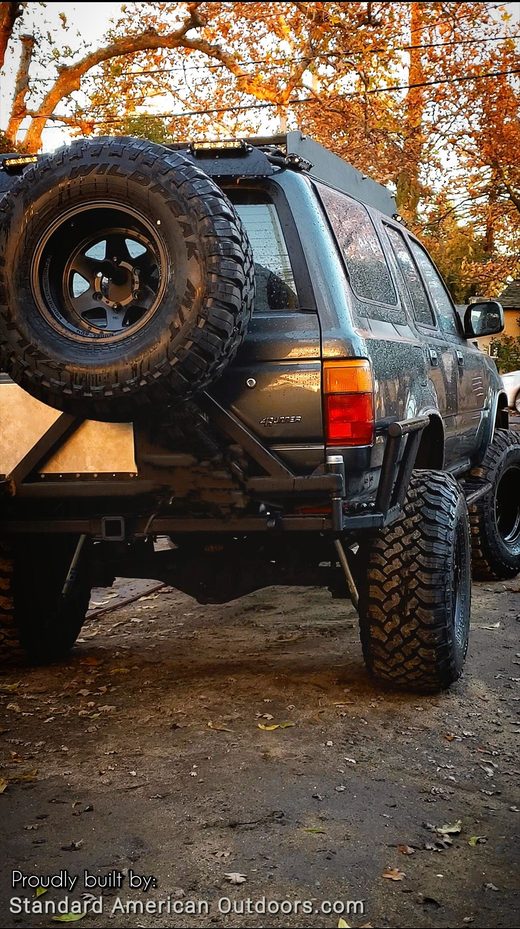
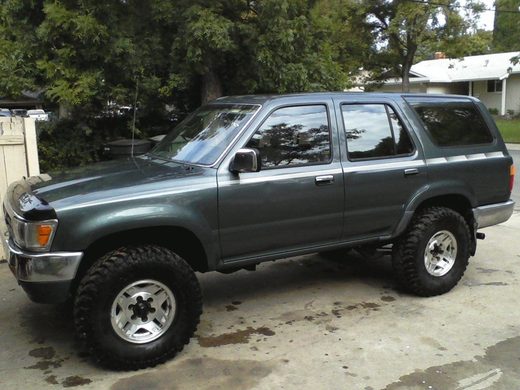
- Accommodate Larger Tires: A lift kit provides the necessary fender clearance to fit bigger, more aggressive off-road tires. Larger tires improve traction, flotation in soft terrain, and further increase ground clearance.
- Improved Approach, Departure, and Breakover Angles: Lifting the vehicle improves these critical off-road geometry metrics, allowing you to tackle steeper inclines, descents, and crest obstacles more effectively.
- Enhanced Suspension Travel: Many quality lift kits include components that increase wheel articulation and suspension travel, keeping your tires in contact with the ground over uneven terrain for better traction.
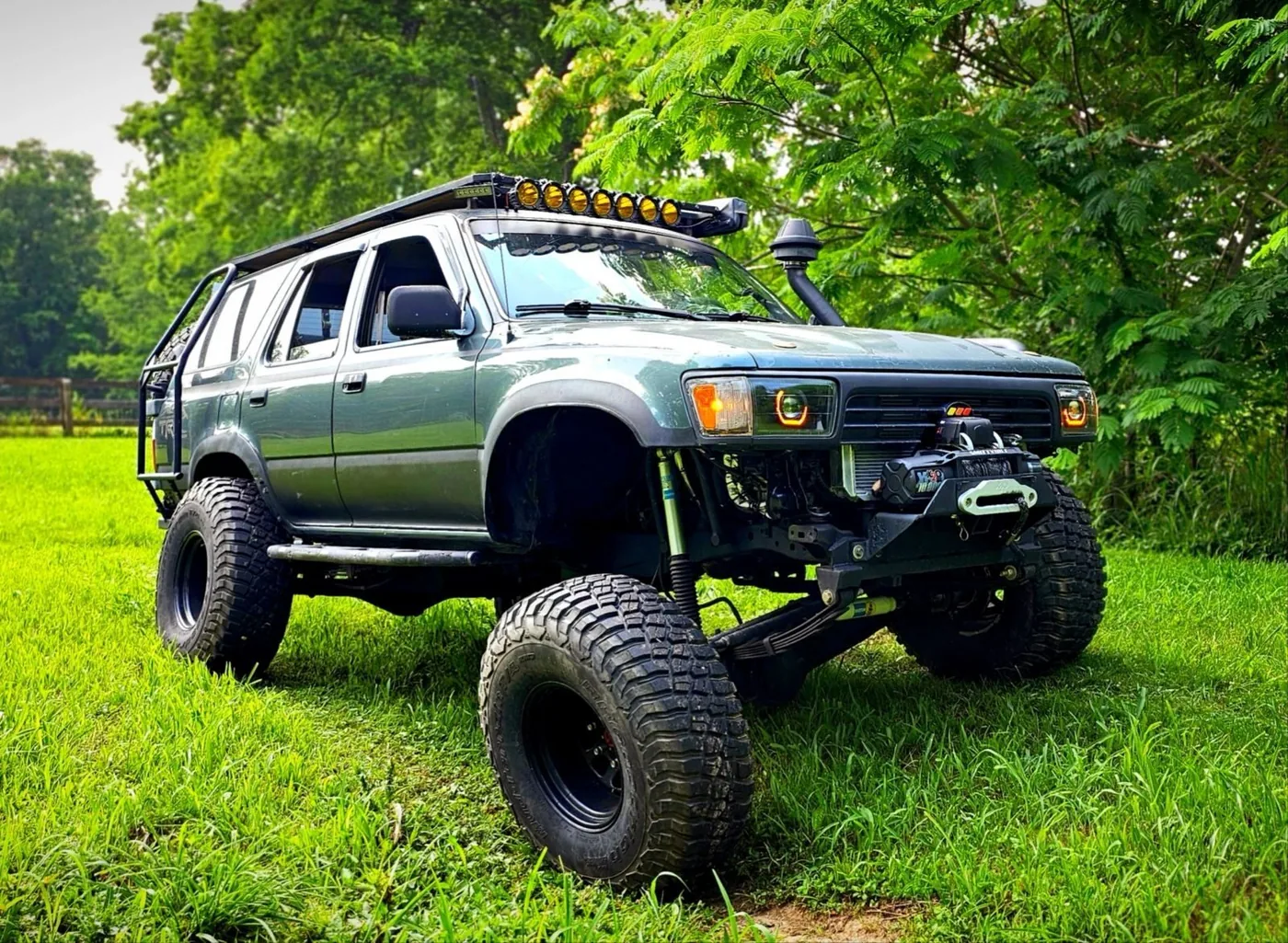
- Aggressive Stance & Aesthetics: Let’s be honest, a lifted 2nd Gen 4Runner just looks tougher and more capable. It gives your classic rig a commanding presence on and off the road.
Understanding 2nd Gen 4Runner Lift Kit Types
When considering a 2nd gen 4runner 3 inch lift kit or any other height, it’s important to understand the different types of lift kits available and their implications.
1. Spacer Lifts (Budget-Friendly)
Spacer lifts are the most economical way to gain lift. They involve installing spacers above or below your coil springs (front) and on top of your rear coil springs. While they provide lift, they do not change your suspension geometry or improve ride quality. They are best suited for those who primarily want to fit larger tires and do light off-roading.
2. Suspension Lifts (Performance-Oriented)
This is the most common and recommended type of lift for serious off-roaders. Suspension lifts replace key components like:
- Coil Springs: Heavier duty springs provide lift and can be tuned for specific loads (e.g., heavy bumpers, roof racks).
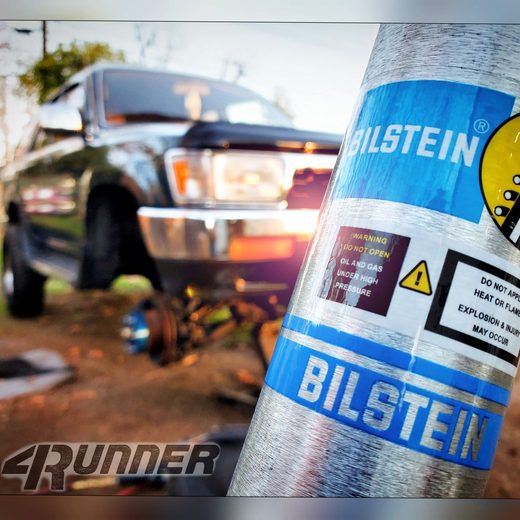
- Shocks/Struts: Longer, performance-oriented shocks are crucial for increased travel and improved damping over rough terrain. They significantly enhance ride quality and control.
- Control Arms: Extended or adjustable upper control arms (UCAs) are often necessary with lifts over 2-2.5 inches to correct alignment issues and improve articulation.
- Sway Bar End Links: Longer end links prevent the sway bar from binding at full droop.
- Brake Lines: Extended brake lines may be required to prevent stretching or damage at full suspension extension.
Our 89-95 Toyota 4runner 3 inch complete lift kit is designed to provide a balanced combination of lift, performance, and reliability, addressing all necessary components for a proper installation. Explore our 3-inch complete lift kits!
3. Body Lifts (Minimal Performance Impact)
Body lifts involve placing spacers between the body and the frame, lifting the body without affecting the suspension. This is primarily done to gain tire clearance without altering suspension geometry. While inexpensive, they offer no performance benefits and can sometimes create aesthetic gaps between the body and frame.
Key Considerations for Your 2nd Gen 4Runner Lift
- Desired Lift Height: A 2-3 inch lift is often ideal for the 2nd Gen, offering a good balance of clearance and maintaining reasonable handling characteristics. Taller lifts can introduce more complex issues.
- Tire Size: Plan your lift around the maximum tire size you intend to run. Remember that tire size also contributes to overall lift.
- Intended Use: Will your 4Runner be a daily driver, a weekend warrior, or a dedicated rock crawler? Your use case will dictate the type and quality of components you need.
- Alignment: After any lift, a professional alignment is absolutely critical to ensure proper steering, tire wear, and vehicle handling. Neglecting this can lead to dangerous driving conditions and premature component failure.
- Driveline Angles: Lifting can alter driveline angles, potentially causing vibrations. Components like a differential drop kit or longer driveshafts may be necessary to correct this.
- **
Brake Lines**: Ensure your brake lines are long enough to accommodate the increased suspension travel. Extended stainless steel lines are a popular upgrade.
Addressing the "Saggy Rear End" with a 2nd Gen 4Runner Lift Kit
A common complaint among 2nd Gen 4Runner owners is the dreaded "2nd gen 4runner saggy rear end fix." This is typically due to worn-out rear coil springs that have lost their original height and spring rate over decades of use and carrying loads. A quality lift kit, especially one that includes new heavy-duty coil springs, is the most effective and permanent solution for this issue. Not only will it restore your rear end to its proper height, but it will also improve load-carrying capacity and overall ride quality.
Suspension Tuning: Beyond the Lift
Installing a lift kit is just the first step. Proper suspension tuning ensures your 4Runner performs optimally for your specific needs.
- Shock Valving: The internal valving of your shocks dictates how they react to bumps and terrain. Different valving can be chosen for a softer ride, firmer control, or specific off-road conditions.
- Spring Rates: Matching spring rates to your vehicle's weight and intended use is crucial. If you're adding heavy bumpers, winches, or carrying a lot of gear, you'll need stiffer springs to maintain ride height and prevent bottoming out.
- Adjustable Components: Many aftermarket components, like adjustable control arms, allow for fine-tuning of suspension geometry, ensuring proper alignment and maximizing articulation.
Conclusion: Build Your Ultimate Off-Road Machine
Investing in a quality 2nd gen 4runner lift kit and properly tuning your suspension is one of the most rewarding modifications you can make to your vehicle. It unlocks new levels of off-road capability, allows for larger tires, and gives your 4Runner the commanding presence it deserves. Whether you're looking for a 2nd gen 4runner 3 inch complete lift kit to fix a saggy rear end or a comprehensive suspension overhaul for extreme trails, Standard American Outdoors has the parts and expertise to guide your build. Elevate your ride and conquer new horizons with confidence!
Standard American Outdoors – *Your Premier One-Stop Shop for 2nd Gen Toyota 4Runner Parts & Accessories*
*Date: February 22, 2026*