Trail Standard Offroad: Preparing Your 4Runner for Adventure

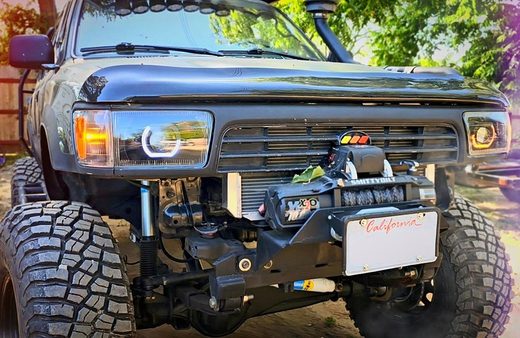
2nd gen 4runner offroad. 90s 4runner build. 90s model 4runner build.
Trail Standard Offroad: Preparing Your 4Runner for Serious Adventure
Meta Description: Master trail-ready offroad preparation for your 4Runner. Complete guide to equipment, skills, and modifications needed for serious backcountry exploration.Keywords: trail standard offroad, 4runner trail preparation, offroad readinessTrail standard offroad adventure demands more than mechanical capability—it requires comprehensive preparation, proper equipment, and developed skills. A trail standard offroad 4Runner combines mechanical reliability with essential gear and driver competence. Understanding what trail standard offroad truly means prevents costly mistakes and ensures your adventures remain safe and enjoyable.
Defining Trail Standard Offroad Capability
Trail standard offroad vehicles possess mechanical reliability, appropriate ground clearance, and essential recovery equipment. They're maintained to high standards, regularly inspected, and equipped for self-recovery. Trail standard offroad drivers possess navigation skills, mechanical knowledge, and decision-making ability to handle unexpected situations. This combination of vehicle preparation and driver competence defines trail standard offroad readiness.
Mechanical Foundation: The Prerequisite for Trail Standard Offroad
Your 4Runner's mechanical condition determines trail standard offroad capability more than any modification. A reliable engine, transmission, and transfer case prove essential for remote area exploration. Regular maintenance including oil changes, fluid checks, and component inspections prevents mechanical failures far from help. Many trail standard offroad disasters result from preventable mechanical failures caused by deferred maintenance.Suspension systems must function reliably and provide appropriate ground clearance for your intended terrain. Worn shocks, broken springs, and damaged control arms compromise capability and safety. Inspect suspension components regularly, addressing wear before it becomes critical. Quality suspension systems from trusted manufacturers provide reliability essential for trail standard offroad adventure.Brake systems must function reliably and provide adequate stopping power. Worn pads, damaged rotors, and compromised lines create safety hazards. Regular brake inspections and maintenance ensure reliability. Consider upgrading to higher-performance brake systems if your trail standard offroad adventures involve steep descents or heavy loads.
Essential Recovery Equipment: Being Prepared for Extraction
Trail standard offroad vehicles carry recovery equipment enabling self-rescue from common predicaments. A quality winch rated for your vehicle's weight provides extraction capability from deep mud or steep terrain. Recovery straps and shackles distribute forces safely during recovery operations. A shovel enables digging out stuck vehicles. Traction boards or sand ladders provide traction on loose surfaces.Many trail standard offroad enthusiasts carry multiple recovery options including high-lift jacks, come-alongs, and snatch blocks. This redundancy ensures capability even if primary recovery methods fail. Recovery equipment represents insurance against common trail standard offroad situations.
Navigation and Communication: Critical Trail Standard Offroad Skills
Trail standard offroad adventures require reliable navigation and communication capability. GPS devices with offline maps enable navigation without cell service. Satellite communicators like Garmin InReach or Iridium devices provide emergency communication in remote areas. Traditional paper maps and compass navigation provide backup when electronics fail.Develop navigation skills before depending on GPS alone. Understanding map reading, compass navigation, and terrain interpretation prevents getting lost. Many trail standard offroad mishaps result from navigation errors rather than mechanical failures. Invest time developing these skills before attempting remote adventures.
Tire and Wheel Selection: Balancing Capability and Reliability
Trail standard offroad tires must provide traction on varied terrain while maintaining reliability for extended distance travel. All-terrain tires offer balanced performance for mixed conditions. Mud-terrain tires prioritize traction but sacrifice street manners. Consider your typical terrain when selecting tire type.Tire size selection depends on your vehicle's lift height and suspension capability. Larger tires improve ground clearance and traction but increase rolling resistance. Most trail standard offroad 4Runners run 31-35 inch tires, balancing capability with practical considerations. Ensure your vehicle can safely support your selected tire size.Spare tires prove essential for trail standard offroad adventure. Carry at least one full-size spare, preferably two. Tire repair kits, plugs, and patches provide field repair capability. Many trail standard offroad emergencies involve tire damage in remote locations.
Fuel and Water Management: Extending Your Range
Trail standard offroad adventures often involve extended distances between fuel sources. Auxiliary fuel tanks increase range, enabling exploration of remote areas. Calculate fuel consumption and plan routes ensuring adequate fuel availability. Running out of fuel in remote areas creates dangerous situations.Water management proves equally critical. Carry sufficient water for your party plus emergency reserves. Water filtration systems enable refilling from natural sources. Dehydration impairs judgment and creates safety hazards. Prioritize water management in your trail standard offroad planning.
First Aid and Emergency Preparedness
Trail standard offroad adventures carry inherent risks including injury and mechanical failure in remote locations. Comprehensive first aid kits enable treatment of common injuries. Knowledge of basic first aid techniques proves invaluable. Consider wilderness first aid training before attempting remote adventures.Emergency supplies including blankets, fire-starting materials, and signaling devices prove essential. Many trail standard offroad emergencies involve unexpected overnight stays. Prepare for worst-case scenarios through comprehensive emergency planning.
Vehicle Inspection and Maintenance Schedule
Establish regular inspection and maintenance schedules ensuring your 4Runner maintains trail standard offroad reliability. Pre-trip inspections identify issues before they become problems. Regular maintenance prevents mechanical failures during adventures. Document all maintenance and repairs, maintaining detailed service records.
Driver Skills and Decision-Making
Trail standard offroad capability depends as much on driver skill and judgment as vehicle preparation. Develop off-road driving techniques including throttle control, line selection, and recovery procedures. Practice in safe environments before attempting challenging terrain. Know your limits and your vehicle's limits. Poor decisions cause more trail standard offroad incidents than mechanical failures.
Conclusion: Embracing Trail Standard Offroad Adventure
Trail standard offroad readiness combines mechanical reliability, essential equipment, and developed skills. Invest in proper vehicle preparation, carry appropriate recovery equipment, and develop necessary skills. Respect the environment and other trail users. Your trail standard offroad adventures will provide memories and experiences that justify the preparation and investment.