What Tire Pressure Should You Run Off-Road?
The short answer
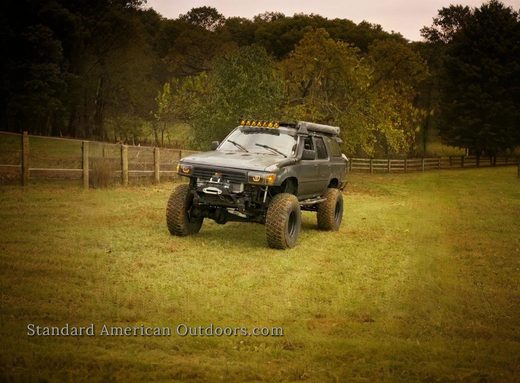
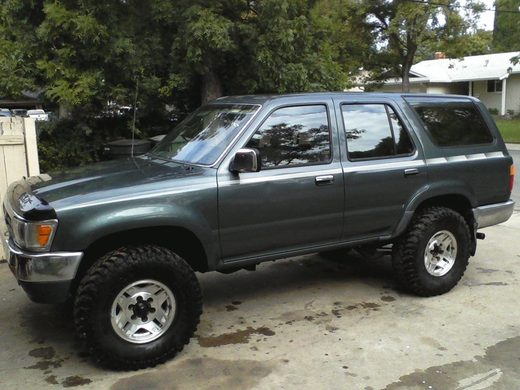
For general trail use on a 2nd gen 4Runner without beadlock wheels, somewhere in the 15 to 20 psi range is where most people end up. The broadly accepted safe working window is roughly 12 to 25 psi.
Soft sand is the exception. Flotation matters more than anything else there, and pressures in the 8 to 12 psi range are common — with the understanding that you are closer to the limit of what the bead will hold.
There is no single correct number, which is why anyone who gives you one without asking about your truck, your tires, and your terrain is guessing.
Why start high and work down
The reliable method is to air down conservatively, drive the section, and take more out if you want more compliance. Going straight to the lowest number you have heard about is how people unseat beads.
Watch how the truck behaves. When the tire starts conforming to obstacles rather than bouncing off them, you are in the right zone. When the sidewall starts visibly bulging and the steering goes vague, you have gone far enough.
Weight matters too. A loaded truck with a roof rack, gear, and passengers wants slightly more pressure than the same truck empty.
The limit, and the trip home
Without beadlocks, the bead is held on the rim by air pressure. Take enough out and a hard side load — a rock, a rut, an aggressive turn — can break it. That is the real constraint, not tire damage.
And the pressure you run on the trail is not the pressure you drive home on. Low-pressure highway driving builds heat, ruins fuel economy, wears the shoulders, and in the worst case destroys the tire.
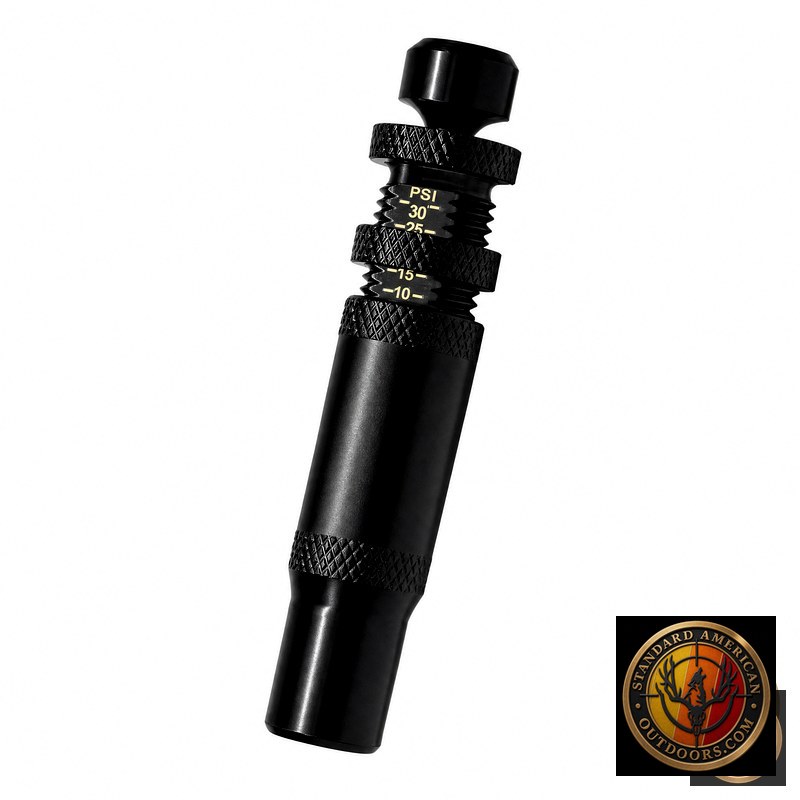
Which is the whole reason to carry air. Our onboard air guide covers mounted versus portable, and a deflator with a gauge makes hitting your number a two-minute job rather than guesswork.