2nd Gen vs. 3rd Gen 4Runner: Which Classic Toyota is Right for Yo
2nd Gen vs. 3rd Gen 4Runner: Which Classic Toyota is Right for You?
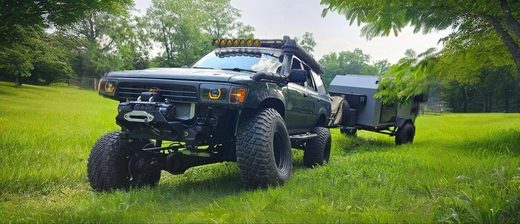
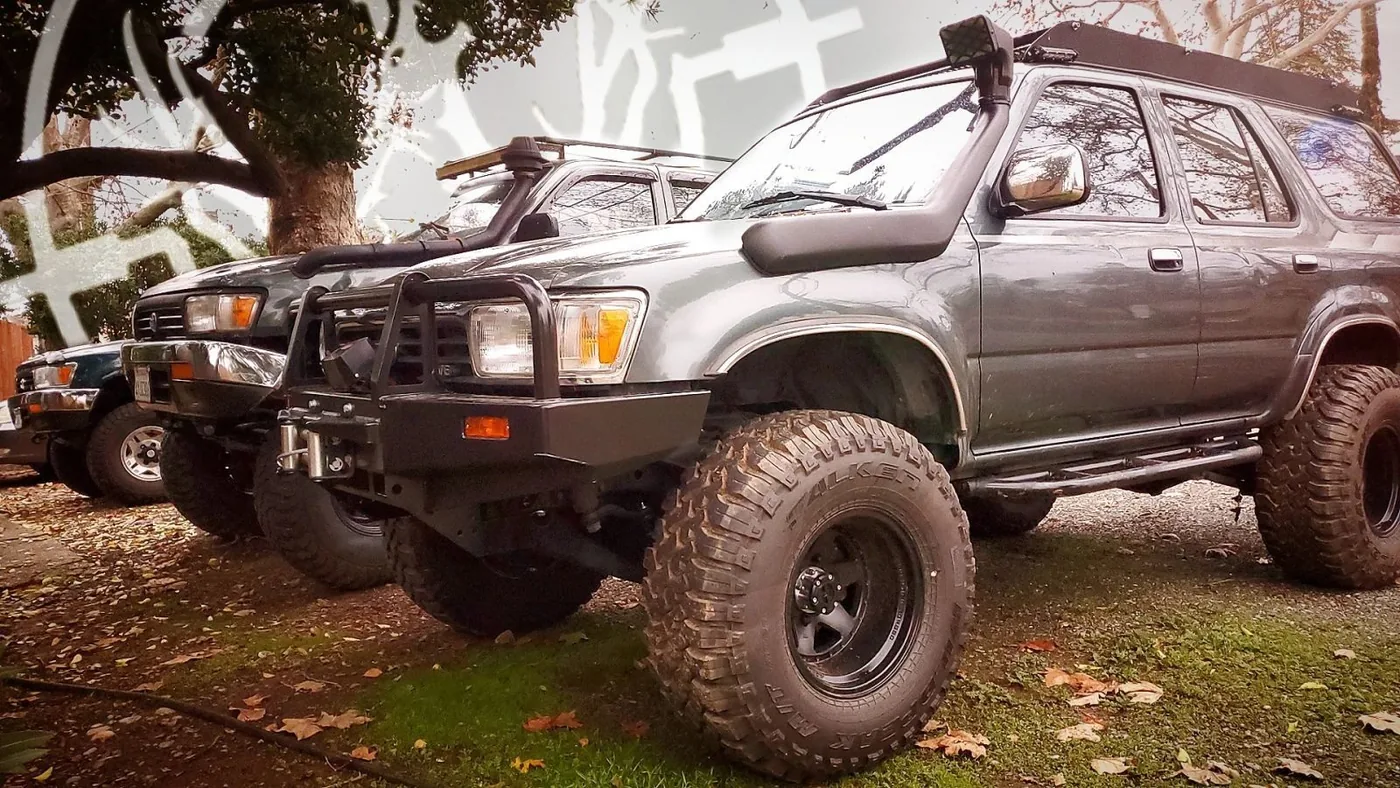
If you're in the market for a classic Toyota SUV, you've likely narrowed your search down to two legendary contenders: the 2nd Generation (1990-1995) and the 3rd Generation (1996-2002) 4Runner. Both vehicles have earned a cult following among off-roaders, overlanders, and Toyota purists. But while they share the same DNA, they offer vastly different driving experiences, mechanical layouts, and build potentials.
At Standard American Outdoors, we specialize in the 2nd Gen, but we know the 3rd Gen inside and out. This guide breaks down the 2nd gen vs 3rd gen 4runner debate to help you decide which rig belongs in your driveway.
1. The Engine Battle: 3.0L V6 vs. 3.4L V6
The most significant difference between these two generations lies under the hood.
The 2nd Gen (3VZ-E "3.Slow")
The 2nd Gen is powered by the 3.0L 3VZ-E V6. While it’s a smooth-running engine, it’s famously underpowered for the weight of the vehicle. It’s also known for the 3.0 v6 head gasket issue, which was a major recall point for Toyota.
- The Silver Lining: Because the 2nd Gen engine bay is spacious and shares a similar footprint with other Toyota engines, it is the perfect candidate for a 1UZ-FE V8 swap or a 5VZ-FE swap. If you're a builder, the 2nd Gen is a blank canvas for power.
The 3rd Gen (5VZ-FE "The Legend")
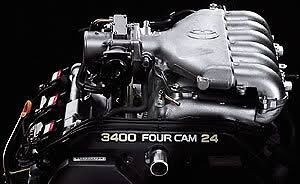
The 3rd Gen introduced the 3.4L 5VZ-FE V6. This engine is widely considered one of the most reliable powerplants Toyota ever built. It offers significantly more torque and horsepower, making it much more capable for highway cruising and towing.
- The Trade-off: Because the 3rd Gen engine is so good, fewer people swap them, meaning you're often "stuck" with the stock power levels unless you add a supercharger.
2. Suspension and Chassis: Torsion Bars vs. Coils
How the vehicle handles the trail is the next big differentiator.
2nd Gen: The Rugged Truck Feel
The 2nd Gen uses a torsion bar front suspension. This setup is incredibly durable and simple, but it can be "choppier" on-road. Lifting a 2nd Gen often involves ball joint spacers or cranking the torsion bars, which can stiffen the ride. However, for many, this "truck-like" feel is exactly why they love the 2nd Gen.
3rd Gen: The Modern Evolution
The 3rd Gen moved to a coil-over front suspension. This was a massive leap forward in ride quality. It handles more like a modern SUV on the pavement while still being a beast off-road. Lifting a 3rd Gen is straightforward with a variety of coil and shock options.
3. Tailgate vs. Liftgate: The Utility Debate
This is a "love it or hate it" feature for many owners.
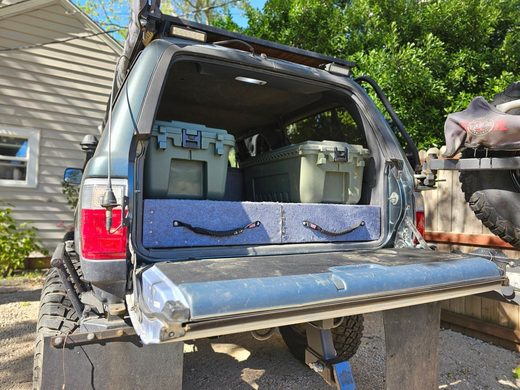
- 2nd Gen Tailgate: The 2nd Gen features a classic truck-style tailgate. You have to roll the window down (using the 2nd gen 4runner rear window switch) before you can drop the gate. It’s perfect for camping, sitting on while geared up, or using as a workbench.
- 3rd Gen Liftgate: The 3rd Gen moved to a one-piece liftgate that swings upward. The rear window still rolls down, but the gate itself provides overhead cover from rain when open. It’s more convenient for groceries, but you lose that "tailgate porch" feel.
4. Common Problems to Watch For
Every classic vehicle has its quirks. When buying, keep an eye out for these generation-specific issues:
| Feature | 2nd Gen 4Runner (90-95) | 3rd Gen 4Runner (96-02) |
| :--- | :--- | :--- |
| Engine | Head gasket failure (3.0L) | "Pink Milkshake" (Radiator/Trans failure) |
| Suspension | Sagging rear coils | Lower Ball Joint (LBJ) failure |
| Body | Rear window motor failure | Frame rust (especially in salt states) |
| Interior | Cracked dashboards | Worn leather seats |
5. Which One Should You Buy?
Choose the 2nd Gen if...
You want a project. You love the classic, boxy 90s aesthetic and aren't afraid to turn a wrench. If you plan on doing an engine swap (like the 1UZ V8) and want a rig that feels like a "real truck," the 2nd Gen is your winner. Plus, they are often more affordable to purchase initially.
Choose the 3rd Gen if...
You want a daily driver that can also hit the Rubicon Trail. If you want a "turn-key" off-roader with a reliable engine and better safety features (like airbags and ABS), the 3rd Gen is the logical choice.
Final Thoughts: The Standard American Outdoors Perspective
At the end of the day, you can't go wrong with either. Both generations represent the "Golden Era" of Toyota engineering. If you decide to go the 2nd Gen route, we have everything you need to fix the saggy rear end, upgrade to LED projector headlights, and get that rear window working again.
Ready to start your build? Shop 2nd Gen 4Runner Parts Now!
Keywords integrated: *2nd gen vs 3rd gen 4runner, 3.0 v6 head gasket issue, 5vz-fe reliability, 2nd gen 4runner torsion bar lift, 3rd gen 4runner liftgate vs tailgate, 4runner pink milkshake, 2nd gen 4runner project truck.*
Carrying gear up top? We build the V3 full-length roof rack for the 90–95 trucks — shipped from Delaware.