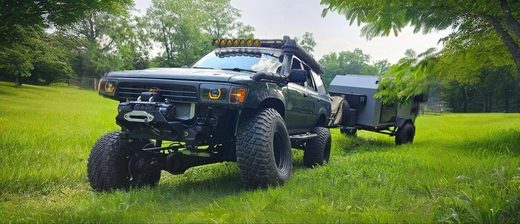
Complete Guide to Lifted 2nd Gen 4Runner Upgrades and Performance
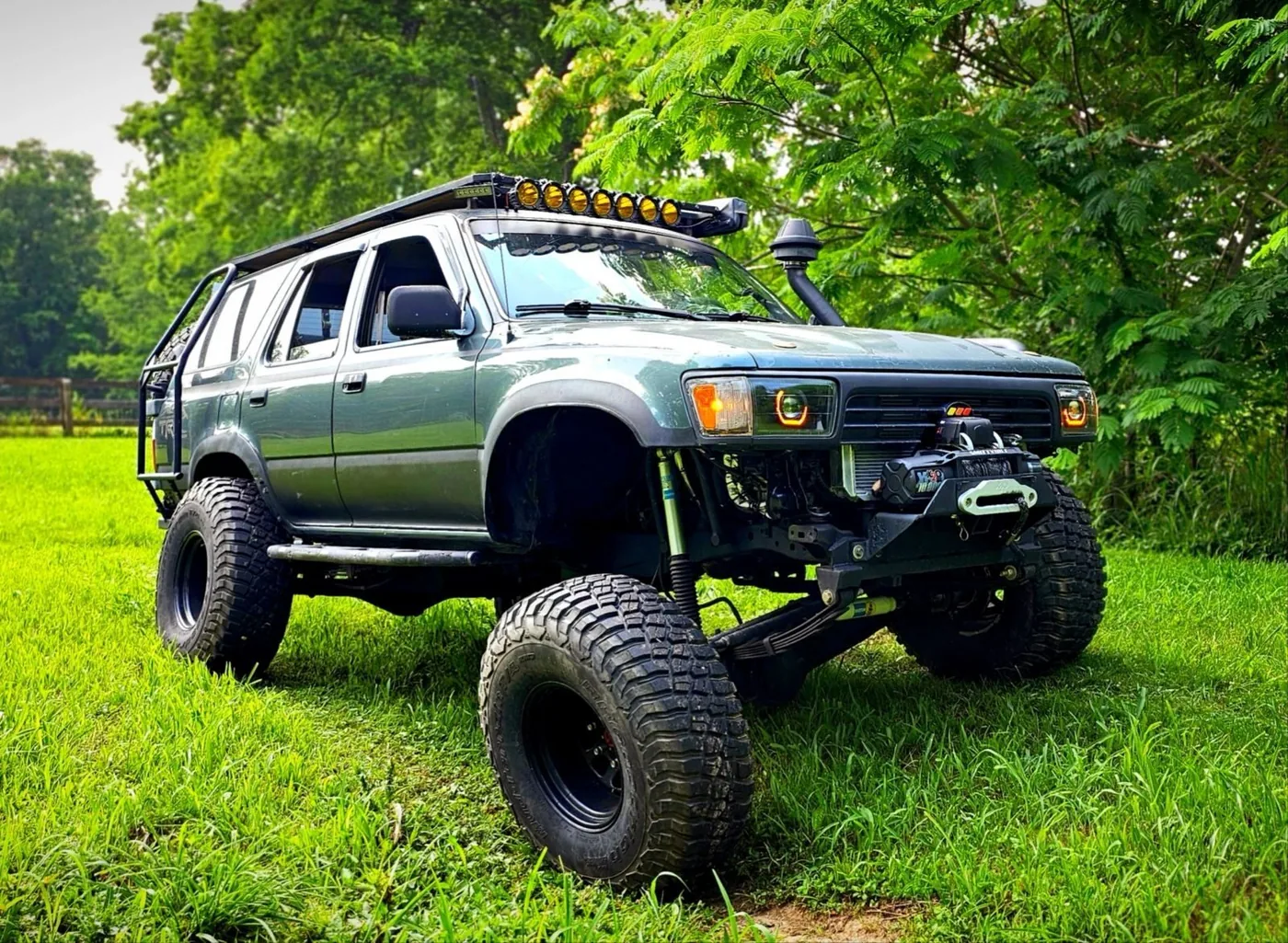
2nd generation toyota 4runner lift kit. 1995 4runner lift kit. 95 4runner sas
The Complete Guide to Lifted 2nd Gen 4Runner Upgrades and Performance
Meta Description: Discover how to transform your 2nd gen 4Runner with professional lifting systems. Expert guide to suspension upgrades, components, and installation for maximum capability.Keywords: lifted 2nd gen 4runner, 2nd generation 4runner lift kit, 4runner suspension upgradeThe lifted 2nd gen 4Runner represents the ultimate expression of off-road capability and aesthetic presence. A properly executed lifting system transforms your 4Runner from a capable vehicle into a genuine trail monster while improving street presence and commanding attention. Understanding the complete process of lifting a 2nd gen 4Runner ensures your upgrade delivers maximum capability and reliability.
Why Lifting Your 2nd Gen 4Runner Matters
Factory suspension on 2nd generation 4Runners prioritizes street comfort over off-road capability. The modest ground clearance limits tire size options and reduces approach and departure angles. Lifting your 2nd gen 4Runner addresses these limitations, opening possibilities for larger tires, improved articulation, and enhanced off-road performance. Beyond capability improvements, a lifted 2nd gen 4Runner commands visual presence that turns heads and reflects your commitment to quality modification.
Understanding Lift Kit Types and Options
Lift kits for 2nd gen 4Runners come in various configurations, each offering different benefits and compromises. Spacer lifts represent the most budget-friendly option, using rubber or polyurethane spacers to raise the vehicle. These systems provide modest height gains at minimal cost but don't improve ride quality or handling. Many builders view spacer lifts as temporary solutions rather than permanent modifications.Coilover lift systems replace factory springs with adjustable coils, allowing height customization and ride quality optimization. Quality coilover systems from reputable manufacturers dramatically improve both capability and ride comfort. The ability to adjust ride height allows fine-tuning for different terrain and driving conditions. While more expensive than spacer lifts, coilovers deliver superior performance and longevity.Leaf spring over (LSO) systems relocate rear springs above the axle, dramatically increasing articulation and ground clearance. These systems appeal to serious off-roaders prioritizing maximum capability over street comfort. LSO systems require professional installation and careful tuning to ensure proper handling and safety.
Selecting the Appropriate Lift Height
Lift height selection depends on your intended use and tolerance for compromises. Two-inch lifts provide modest improvements suitable for light trails and improved street presence. Four-inch lifts represent the popular sweet spot, offering genuine capability improvements while maintaining reasonable ride quality and handling. Six-inch and beyond systems maximize capability but sacrifice ride comfort and introduce handling challenges on pavement.Consider your typical driving environment when selecting lift height. Primarily street-driven vehicles benefit from modest lifts maintaining drivability. Dedicated trail vehicles justify more aggressive lifts prioritizing capability. Many builders pursue four-inch lifts as a balanced compromise.
Supporting Modifications: Creating a Cohesive System
A successful lifted 2nd gen 4Runner requires supporting modifications ensuring the system functions properly. Larger tires accommodate increased ground clearance and improve off-road traction. Brake line extensions prevent brake line damage during suspension articulation. Driveshaft modifications or extensions accommodate increased ride height without binding. Sway bar disconnects or adjustable end links improve articulation during off-road driving.Geometry correction through upgraded control arms maintains proper suspension alignment under stress. Adjustable track bars fine-tune rear axle tracking. These supporting modifications prevent premature tire wear, maintain predictable handling, and ensure long-term reliability.
Professional Installation vs. DIY Approach
Lifted 2nd gen 4Runner installation complexity varies based on system type and your mechanical skill level. Spacer lift installation represents a manageable DIY project for experienced mechanics. Coilover systems require more expertise but remain achievable for competent DIYers with proper tools. LSO systems typically demand professional installation due to complexity and safety implications.Consider your skill level, available tools, and time commitment when deciding between professional installation and DIY approach. Professional installation ensures proper setup and alignment, preventing future problems. DIY installation saves money but requires mechanical competence and proper tools.
Tire Selection for Your Lifted 2nd Gen 4Runner
Tire selection dramatically impacts your lifted 2nd gen 4Runner's capability and appearance. All-terrain tires offer balanced performance for mixed street and trail use. Mud-terrain tires prioritize off-road traction at the expense of street manners. All-season tires maintain street comfort but sacrifice off-road capability.Tire size selection depends on your lift height and intended use. A four-inch lift typically accommodates 33-inch tires comfortably. Six-inch lifts enable 35-inch or larger tires. Larger tires improve ground clearance and off-road traction but increase rolling resistance and reduce fuel economy.
Wheel Selection: Balancing Aesthetics and Function
Wheel selection influences both appearance and functionality of your lifted 2nd gen 4Runner. Lighter wheels reduce unsprung weight and improve handling. Stronger wheels provide durability for aggressive off-roading. Wheel size selection depends on tire size and desired aesthetics. Most lifted 4Runners run 16-17 inch wheels, balancing tire sidewall height with wheel strength.
Brake System Upgrades: Critical Safety Consideration
Lifted 2nd gen 4Runners with larger tires and increased weight require brake system upgrades. Larger brake rotors and upgraded pads improve stopping power and heat dissipation. Brake line extensions prevent line damage during suspension articulation. Some builders pursue complete brake system overhauls including upgraded calipers and master cylinders.
Steering and Handling Optimization
Lifted 2nd gen 4Runners experience altered steering geometry and handling characteristics. Adjustable track bars optimize rear axle tracking. Sway bar disconnects or adjustable end links improve articulation during off-road driving. Steering stabilizers reduce bump steer and improve on-road handling. These modifications ensure your lifted 4Runner handles predictably and safely.
Ongoing Maintenance and Monitoring
Lifted 2nd gen 4Runners require diligent maintenance ensuring long-term reliability. Regular suspension inspections identify wear and damage before they become problems. Tire rotation and alignment checks prevent premature wear. Fluid checks and changes maintain system health. Monitoring your lifted 4Runner's performance allows early detection of issues.
Conclusion: Unleashing Your 4Runner's Potential
A properly executed lifted 2nd gen 4Runner upgrade transforms your vehicle into a capable, commanding machine. From suspension selection through supporting modifications, every decision impacts your build's success. Quality components from trusted suppliers like Standard American Outdoors ensure reliability and longevity. Your lifted 2nd gen 4Runner will reward your investment with years of capable performance and genuine satisfaction.