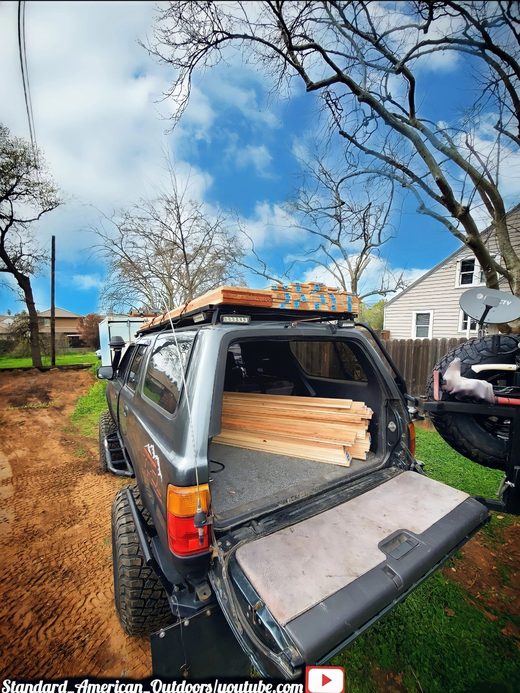
MORE POWA BABY!
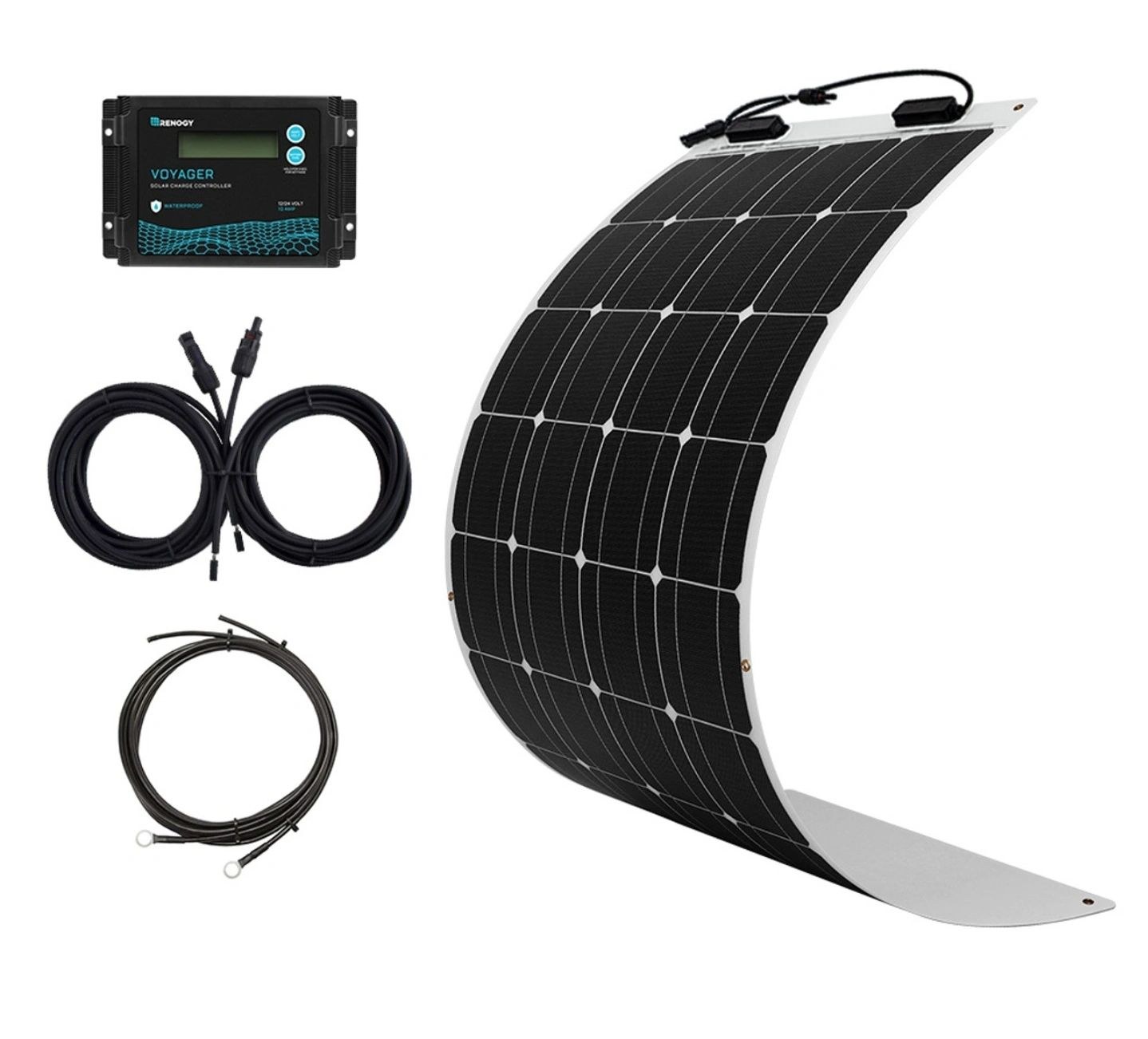
Be self sufficient. Renogy solar panels.
Best solar panel, 4runner solar, solar. Overlanding solar.
After years of testing. I feel I can safely say. This is the best way to go as far as a solar panel setup. I currently have four, 100watt flex panels on top of my 2nd gen Toyota 4runner and so far good. I'm currently on year 6 and going strong.
Enjoy the read. Thank you.
The Ultimate Power Setup for Your 2nd Gen 4Runner build: Dual Batteries and Lightweight Solar Solutions. For serious overlanders running a highly modified 2nd gen Toyota 4Runner (1990-1995), power management isn't just a luxury – it's a necessity. These iconic vehicles have become the perfect platform for extended off-grid adventures, but with great modification comes great power requirements. Let's dive into why a dual battery system, complemented by Renogy solar solutions, is essential for your build. The Dual Battery Foundation A properly configured dual battery setup forms the backbone of any serious overlanding electrical system. Your 2nd gen 4Runner's stock electrical system wasn't designed to handle the power demands of modern overlanding gear – fridges, communications equipment, lighting systems, and recovery tools and equipment. By incorporating a secondary deep-cycle battery, you create a dedicated power source for your accessories while maintaining your starting battery's primary function. The isolation between batteries ensures you'll never wake up to a dead starting battery, even after running your fridge overnight. Popular configurations often utilize an AGM or lithium battery as the secondary unit, managed by a smart battery isolator that handles charging priorities and prevents cross-drain between the batteries. Solar: The Game-Changer While dual batteries provide a robust foundation, integrating solar power takes your 4Runner's electrical independence to the next level. This is where Renogy's flexible solar panels shine – quite literally. These remarkably lightweight panels have revolutionized overlanding solar setups, weighing in at just 5.3 pounds. Their minimal weight impact is crucial when you're already managing a heavily modified rig with added armor, storage systems, and recovery gear. The Renogy Advantage. The ultra-thin profile of Renogy's flexible panels allows for mounting options that rigid panels simply can't match. They can conform to the subtle curves of your 4Runner's roof rack or roof itself, maintaining your vehicle's aerodynamics while harvesting solar power. Their lightweight construction means you're not significantly impacting your center of gravity – a critical consideration for off-road performance and handling. Integration and Installation. Mounting these flexible panels requires minimal modification to your existing Standard American Outdoors roof rack setup. Their low profile means less wind resistance and better fuel economy compared to traditional rigid panels. The panels can be secured using specialized brackets or heavy-duty adhesive, depending on your mounting surface and preferences. Real-World Benefits The combination of dual batteries and solar charging creates a self-sustaining electrical ecosystem. During daylight hours, your solar panel maintains battery charge levels, while your alternator handles the heavy lifting during driving periods. This redundancy ensures you're never without power, whether you're stationary at camp or covering miles of trail. The Renogy solar setup becomes particularly valuable during extended stays at camp. While your 4runners engine's off, the Renogy panels continue to harvest energy, keeping your auxiliary battery topped up. This means your ARB fridge stays cold, your baofang communications devices remain charged, and your auxbeam camp lighting systems have reliable power – all without having to start your engine. Maintenance and Monitoring. One of the beautiful aspects of this power setup is its relatively low maintenance requirements. The Renogy panels have no moving parts and require only occasional cleaning to maintain optimal performance. Adding a quality Renogy battery monitor to your setup allows you to track power consumption and generation in real-time, helping you manage your electrical needs more effectively. Future-Proofing Your Build As overlanding technology continues to evolve, power demands will likely increase. The dual battery and Renogy solar panel combination provides a scalable foundation that can adapt to future needs. Additional panels can be added if needed, and battery capacity can be upgraded without overhauling the entire system. For the serious overlander, this power setup isn't just about convenience – it's about self-sufficiency and reliability. When you're miles from civilization, having dependable power can make the difference between a memorable adventure in MOAB and a challenging situation. The minimal weight impact of Renogy's flexible panels makes them an obvious choice for those looking to maximize capability while minimizing compromises. Whether you're building your 2nd gen 4Runner for weekend warriors or extended backcountry expeditions, a dual battery system complemented by lightweight renogy solar charging capabilities should be high on your modification list. It's an investment in independence, reliability, and peace of mind – everything an overlanding build should represent.
Keywords: 2nd Gen 4Runner solar kit, 4Runner solar, best 2nd gen 4runner mods, 4runner with dual batteries. 4runner dual batteries.