**"The Ultimate Guide to 2nd Gen Toyota 4Runner Headlights.
September 19, 2025 · 2nd gen 4runner headlights
By Jay — 2nd gen 4Runner owner & builder, Standard American Outdoors

2nd gen 4Runner led headlights, 2nd gen 4runner top mods, 2nd gen 4runner headlights.
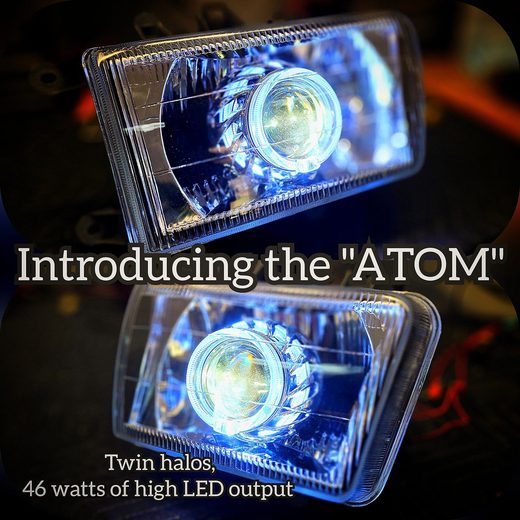
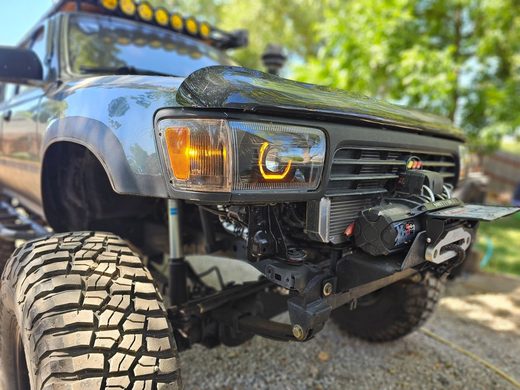
The Ultimate Guide to 2nd Gen Toyota 4Runner Headlights: A Deep Dive into the Sinister, Everest, and AtomIntroduction: Illuminating the Path for a Legendary SUVThere are vehicles, and then there are legends. The 2nd generation Toyota 4Runner, a rugged icon forged in the crucible of the 1990s, falls firmly into the latter category. For those who have had the privilege of owning one, it is more than a mere mode of transportation; it is a trusted companion, a key to unlocking remote landscapes, and a rolling testament to an era of over-engineered, built-to-last Japanese craftsmanship. These are the vehicles that have carried families on camping trips, navigated treacherous mountain passes, and reliably started up after years of faithful service. They are a canvas for adventure, and their owners are a special breed of enthusiast who values capability and heritage above fleeting trends. But even the most enduring legends are not immune to the relentless march of time, and the most glaring vulnerability of the 2nd gen 4Runner is its notoriously inadequate factory lighting.In an age where automotive illumination is defined by the brilliant, precise, and stark white light of LED technology, the stock halogen headlights of a 1990-1995 4Runner feel like a relic from a bygone era. They cast a dim, yellowish, and poorly defined beam that struggles to pierce the darkness, turning nighttime drives on unlit roads into a white-knuckle affair and severely limiting your confidence when venturing off-road after sunset. The hazy, yellowed plastic lenses that are a common sight on these 25-year-old vehicles only exacerbate the problem, scattering what little light is produced. This is not just a cosmetic issue; it is a fundamental safety flaw that holds back the true potential of this otherwise incredibly capable machine. The quest for a solution, for a way to bring this legend into the modern age of visibility, is what begins the journey for the perfect 2nd gen Toyota 4Runner headlight upgrade. For the discerning owner who refuses to compromise, that journey inevitably leads to one destination: Standard American Outdoors.Standard American Outdoors is not your typical aftermarket conglomerate. It is a brand that was born from the very passion that fuels the 4Runner community. It is a company run by dedicated enthusiasts who have spent countless hours behind the wheel of these classic SUVs, who understand their quirks, their strengths, and their weaknesses on an intimate level. They have experienced the frustration of a near-miss with a deer on a dark country road and the anxiety of navigating a tight trail with nothing but a faint glow to guide them. This firsthand experience is the bedrock upon which their company is built, and it has driven them to engineer the ultimate lighting solution for the platform they love. This dedication has given birth to a remarkable lineup of three distinct, hand-built LED projector headlights: the aggressive Sinister, the elegant Everest, and the immensely powerful Atom. Each of these models is a masterclass in design and engineering, created to do nothing less than revolutionize your 4Runner's nighttime performance and visual signature.This article is designed to be the most comprehensive, in-depth, and authoritative guide to 4Runner headlight upgrades that you will find anywhere. We will embark on a detailed exploration of the evolution of automotive lighting, from the humble halogen to the cutting-edge LED projector. We will delve into the critical, non-negotiable reasons why a high-quality headlight upgrade is one of the most important and valuable modifications you can make to your vehicle. Most importantly, we will meticulously dissect the features, the technology, the aesthetics, and the unique character of the Sinister, Everest, and Atom headlights, providing you with the knowledge to make a truly informed decision. By the time you finish reading, the path forward will be crystal clear. It is time to banish the darkness and allow your legendary 4Runner to see, and be seen, like never before. Prepare to illuminate your next adventure with the best 4Runner projector headlights on the market.Part 1: The Evolution of Automotive Lighting: A Journey Through Automotive Lighting TechnologyTo truly appreciate the monumental leap in performance that a modern headlight upgrade provides, it is essential to understand the technological journey that has brought us to this point. The history of automotive lighting is a fascinating story of scientific discovery and engineering innovation, a relentless quest to conquer the darkness and make nighttime driving safer and more efficient. For the owner of a classic vehicle like the 2nd generation 4Runner, this journey contextualizes the limitations of their stock equipment and highlights the transformative power of today's cutting-edge solutions.The Era of the Incandescent: The Humble BeginningsThe earliest automobiles used simple oil or acetylene lamps, which were little more than glorified lanterns. The first electric headlights appeared in the early 20th century, but it was the introduction of the sealed beam headlight in the 1940s that standardized automotive lighting for decades. These units, which were the law of the land in the United States until the 1980s, contained a filament, a reflector, and a lens in a single, hermetically sealed glass unit. When the filament burned out, the entire unit had to be replaced. The technology inside these sealed beams was simple incandescent lighting, the same basic principle as a common household light bulb.The Reign of the Halogen: A Brighter, but Flawed, KingThe stock headlights equipped on the 1990-1995 Toyota 4Runner represent the next step in this evolution: the halogen bulb. Halogen technology, which became dominant in the 1980s, is an improved version of the incandescent bulb. It works by heating a tungsten filament to a very high temperature until it glows, a process known as incandescence. The key difference is that the bulb is filled with a halogen gas (typically iodine or bromine). This gas creates a chemical reaction called a halogen cycle, which captures evaporated tungsten particles and redeposits them back onto the filament. This process allows the filament to burn hotter and brighter, and it extends the bulb's lifespan compared to a simple incandescent bulb.However, despite this improvement, halogen technology is fundamentally inefficient and fraught with limitations. The process of generating light through heat is inherently wasteful; a significant portion of the electrical energy is converted into thermal energy rather than visible light. This high heat output can degrade the headlight housing and wiring over time. The light produced has a characteristic yellowish hue, which is less effective at illuminating the road compared to the whiter light of modern technologies. Furthermore, the filament is extremely fragile, making it susceptible to damage from the vibrations and impacts that are a regular part of off-roading. For the 2nd gen 4Runner owner, these stock halogen headlights represent a technology that was already nearing the end of its reign when their vehicle was new.The HID Interruption: A Bright Flash of ComplexityThe late 1990s and early 2000s saw the rise of High-Intensity Discharge (HID) headlights as a popular premium and aftermarket option. Also known as xenon lights, HIDs represented a radical departure from filament-based lighting. Instead of heating a wire, HIDs create light by generating a powerful electrical arc between two tungsten electrodes inside a small quartz capsule. This capsule is filled with a mixture of gases, most notably xenon gas, which is used to help the lamp strike an arc and warm up quickly.This method produces a much brighter and whiter light than halogen bulbs, often two to three times the luminous intensity. This was a massive leap forward in nighttime visibility. However, the technology came with its own set of complexities and drawbacks. HIDs require an external ballast, a device that takes the vehicle's 12-volt DC power and converts it into the high-voltage AC pulse (up to 25,000 volts) needed to initiate the arc, and then regulates the lower voltage needed to sustain it. This added a point of failure and complicated the installation process. HIDs also have a noticeable warm-up period, taking several seconds to reach their full brightness and stable color temperature. While a significant improvement in many ways, the complexity of HIDs and the prevalence of poorly designed aftermarket kits that caused dangerous glare for other drivers prevented them from becoming the universal standard.The LED Revolution: The Solid-State SolutionThe current and undisputed champion of automotive lighting is the Light Emitting Diode (LED). The arrival of high-power white LEDs in the 2000s set the stage for a complete takeover of the industry. Unlike its predecessors, an LED is a solid-state semiconductor device. It has no fragile filaments to break and no glass capsules of gas to manage. It produces light through a process called electroluminescence, where an electrical current is passed through a semiconductor chip, causing it to release photons of light. This process is incredibly efficient, converting a much higher percentage of electricity directly into light, with minimal energy wasted as heat.The practical advantages of LED technology for a vehicle like the 4Runner are immense:•Unmatched Durability: As a solid-state device, an LED is inherently resistant to shock and vibration. There are no delicate filaments or glass tubes to break, making them the perfect lighting source for a vehicle that is designed to tackle rough terrain.•Exceptional Lifespan: The efficiency of the LED process results in an incredibly long operational life. The LED modules used in Standard American Outdoors headlights are rated for up to 30,000 hours. To put that in perspective, if you drove your 4Runner for three hours every single night, the LEDs could theoretically last for over 27 years.•Superior Performance: LEDs produce a bright, intense, and clear white light that is the closest equivalent to natural daylight. This quality of light is less straining on the eyes and allows for better perception of colors and contrast, making it easier to identify hazards. Furthermore, LEDs offer instant-on performance, reaching 100% brightness the moment they are switched on.•Design Flexibility: LEDs are incredibly small, which gives engineers immense flexibility in how they design a headlight. This has led to the development of advanced features like the projector lens, which can focus the light into a highly precise and controlled beam pattern. This is what creates the sharp, flat cutoff that is the hallmark of a high-quality headlight, maximizing road illumination without blinding other drivers.This technological superiority is why LED projectors are the heart of the Sinister, Everest, and Atom headlights. They are not just a brighter bulb; they are a fundamentally different and better way of generating light. The move from the stock halogens in your 2nd gen 4Runner to an SAO LED projector system is not just an upgrade; it is a leap across two generations of automotive lighting technology.To provide a clear, quantitative comparison, consider the following table:FeatureHalogen (Stock 4Runner)HID (Typical Aftermarket)LED (Standard American Outdoors)TechnologyHeated Tungsten FilamentElectrical Arc in Xenon GasSolid-State SemiconductorAverage Lifespan~1,000 hours~2,000-3,000 hours30,000+ hoursLuminous Efficacy~20 lumens/watt~80 lumens/watt~100+ lumens/wattLight Color (Temp)~3200K (Yellowish White)~4300K-6000K (White/Blueish)~6000K (Pure White)Energy EfficiencyLowMediumVery HighHeat OutputVery HighHighLow (Managed by Heatsinks)DurabilityVery Low (Fragile Filament)Low (Glass Bulb, Electrodes)Very High (Solid-State)Warm-up TimeInstantYes (3-15 Seconds)InstantBeam ControlPoor (Reflector Housing)Varies (Poor in Retrofits)Excellent (Projector Lens)The data speaks for itself. The LED revolution is not a trend; it is the definitive future of automotive lighting. By embracing this technology, Standard American Outdoors provides 2nd gen 4Runner owners with a solution that doesn't just bring their vehicle up to modern standards, but in many cases, allows it to surpass the lighting performance of brand-new vehicles on the road today.Part 2: Why Your 2nd Gen 4Runner Deserves a Headlight Upgrade: A Critical Investment in Safety, Style, and ValueFor many owners, modifying a 2nd generation Toyota 4Runner is a labor of love, a continuous process of personalization and improvement. The modification market is vast, with options ranging from suspension lifts and armor to engine performance and interior comforts. However, amidst this sea of choices, upgrading the headlights stands out as one of the most fundamental and impactful investments you can make. It is a modification that transcends mere aesthetics, striking at the very core of the vehicle's safety, modern functionality, and long-term value. To neglect the lighting system is to leave the vehicle's full potential unrealized, tethering a legendary off-roader to the technological limitations of a bygone era. A high-quality LED projector system is not just another accessory; it is an essential evolution that every 2nd gen 4Runner deserves.The Paramount Importance of Safety: Conquering the Darkness with ConfidenceThe single most compelling argument for a 4Runner headlight upgrade is the dramatic and immediate improvement in safety. The ability to see clearly and be seen by others is the most basic requirement for safe driving, and it is in this domain that a modern LED projector system offers a night-and-day transformation. The inadequate light output of the stock halogen bulbs is not a minor inconvenience; it is a significant liability that can have serious consequences.Expanding Your Field of Vision and Reaction TimeThe primary benefit of the intense, white light produced by the Sinister, Everest, and Atom headlights is the significant extension of your visible range. A standard halogen low beam might effectively illuminate the road for 150-200 feet. A high-performance LED projector low beam can easily double that distance, casting a bright, even blanket of light far down the road. This expanded field of vision is a game-changer. It means you can identify potential hazards—a deer preparing to cross the road, a piece of debris from a truck tire, a sharp turn in an unfamiliar lane—much earlier. At 60 miles per hour, you are traveling at 88 feet per second. Doubling your effective visibility from 200 to 400 feet gives you an additional 2.3 seconds of reaction time. In an emergency situation, that is an eternity. It is the difference between safely applying the brakes and a potentially catastrophic collision.This benefit is magnified tenfold in the off-road environment. When navigating a trail at night, the stock headlights create a small, dim pool of yellow light, leaving the periphery in darkness and making it difficult to judge terrain. A powerful LED system illuminates the entire trail, allowing you to see upcoming obstacles, choose your lines with confidence, and spot potential dangers like drop-offs or washouts long before you are on top of them. It transforms night wheeling from a stressful, tentative exercise into an enjoyable and confident adventure.The Science of Light Quality and Driver FatigueBeyond sheer brightness, the quality of the light plays a crucial role in safety. The yellowish light produced by halogen bulbs (around 3200K color temperature) is less effective for human eyes than the crisp, white light that mimics natural daylight (around 6000K), which is the standard for SAO's LED projectors. This whiter light improves color rendering and contrast, making it easier for your brain to process visual information and distinguish between different objects and textures on the road. This reduces cognitive load and eye strain, especially during long drives. Driving for hours at night with dim, yellow lights can be mentally exhausting. The clean, bright light from an LED system keeps you more alert, more focused, and ultimately, a safer driver.The Critical Role of the Beam Pattern and DOT ApprovalPower is nothing without control. This is a mantra that is often ignored in the world of cheap aftermarket lighting. Many people mistakenly believe that simply putting a brighter bulb—whether it's an LED or HID—into the stock reflector housing is a viable upgrade. This is not only incorrect; it is incredibly dangerous. The stock 2nd gen 4Runner reflector housing was designed specifically for the light source of a halogen filament. When you place a multi-directional LED or HID bulb inside it, the reflector is unable to control the light, scattering it in all directions. This creates massive amounts of glare that blind oncoming drivers and does not effectively focus the light down the road where you need it. It is the automotive equivalent of using a fire hose without a nozzle.This is why the projector component of the SAO headlights is so critical. A projector uses a lens, a reflector bowl, and a physical cutoff shield to shape the light into a precise, wide, and flat beam with a razor-sharp horizontal cutoff. This cutoff line is the key to being a responsible driver. It directs the full intensity of the LED light onto the road surface and below the eye level of oncoming traffic. You get all the benefits of the powerful illumination without compromising the safety of anyone else. This meticulous beam control is a core requirement for DOT approval. When you see that DOT stamp on a Standard American Outdoors headlight, it is a guarantee that the product has been tested and certified to meet federal standards for beam pattern, brightness, and durability. It is your assurance that you are installing a professional, street-legal piece of safety equipment, not a dangerous toy.A Modern Aesthetic That Rejuvenates a ClassicWhile safety is the primary motivation, the aesthetic transformation offered by a headlight upgrade is a deeply satisfying reward. The 2nd gen 4Runner possesses a timeless, boxy charm, but nothing dates a vehicle more than faded, yellowed, and hazy headlights. A set of crystal-clear projector headlights from Standard American Outdoors can visually erase decades from the front of your truck, giving it a fresh, modern, and purposeful appearance.The design elements of each model offer a distinct flavor of modernization. The aggressive black housings of the Sinister model provide a bold, contemporary look that is incredibly popular in the off-road community. The amber "angel eye" DRL adds a unique, custom touch that is both stylish and functional, increasing your vehicle's visibility to other drivers during the day. The Everest model, with its choice of Titanium or Chrome housings and crisp white DRLs, offers a more refined, OEM+ aesthetic. It is a look that says "premium" and "high-quality" without being overly flashy. The Atom, with its futuristic twin-halo design, is a statement piece, signaling that this 4Runner is equipped with the absolute latest in lighting technology. Regardless of the model you choose, you are replacing a dated, worn-out component with a piece of modern automotive jewelry that dramatically enhances your vehicle's curb appeal.A Tangible Investment in Your Vehicle's ValueIn the world of vehicle modifications, not all upgrades are created equal when it comes to resale value. Some modifications can actually decrease a vehicle's value or narrow its appeal to a very small niche of buyers. A high-quality, functional, and legally compliant headlight upgrade, however, is a universally recognized improvement that adds tangible value.The 2nd gen 4Runner community is knowledgeable. Potential buyers know about the platform's weaknesses, and the poor stock lighting is at the top of that list. When a prospective buyer sees a 4Runner for sale that is equipped with a set of premium, DOT-approved LED projector headlights from a respected, community-focused brand like Standard American Outdoors, it sends a powerful message. It signals that the owner was a discerning enthusiast who cared about quality and was willing to invest in solving one of the vehicle's most significant shortcomings the right way. It immediately differentiates that vehicle from the countless others with stock lights or, even worse, illegal and dangerous glare-producing kits. This single modification can be a major selling point, justifying a higher asking price and leading to a quicker sale. It is an investment that you get to enjoy every single time you drive at night, and one that is likely to pay you back when it is time to pass the torch to the next enthusiast.Part 3: A Deep Dive into the Standard American Outdoors Headlight Lineup: Finding the Perfect Eyes for Your 4RunnerWe now arrive at the most exciting part of our journey: the headlights themselves. This is where engineering, artistry, and a deep understanding of the 4Runner enthusiast converge. Standard American Outdoors has not simply created a one-size-fits-all solution. Instead, they have developed a curated lineup of three distinct models, each with its own unique personality, aesthetic, and appeal. While all three are built upon the same foundational principles of superior LED projector performance, meticulous build quality, and unwavering compliance with DOT standards, they cater to the different facets of the enthusiast community. Your 4Runner is a reflection of your own personality and your approach to adventure, and your headlights should be no different. Whether you are drawn to the aggressive allure of the shadows, the clean elegance of a premium finish, or the raw, uncompromising power of cutting-edge technology, there is a perfect set of eyes waiting to transform your vehicle. Let us now embark on a granular, in-depth exploration of the Sinister, the Everest, and the Atom.The "Sinister": Embracing the Dark Side with Proven PerformanceThe Sinister is more than just a headlight; it is a statement. It is the undisputed bestseller in the Standard American Outdoors arsenal, and its popularity is a testament to the powerful allure of the "blacked-out" aesthetic in modern truck and off-road culture. The Sinister is for the owner who wants their 4Runner to have a presence, to look as capable and formidable as it truly is. It sheds the chrome and brightwork of a bygone era and embraces a more aggressive, modern, and tactical identity.The Psychology of the BlackoutThe core of the Sinister's appeal is its stunning, high-gloss black housing. This is not a simple coat of paint; it is a high-temperature, durable finish designed to withstand the intense heat generated by the LED projector and the rigors of the elements. The blackout treatment has a powerful psychological effect. It visually subtracts weight and bulk, giving the front end of the 4Runner a leaner, more focused, and more aggressive look. It draws the eye to the functional components—the projector lens and the DRL—while the housing itself recedes into the shadows. This aesthetic is deeply rooted in motorsport and tactical vehicle design, conveying a sense of purpose, performance, and no-nonsense capability. For the 2nd gen 4Runner, a vehicle that is often modified for rugged performance, the Sinister's aesthetic is a perfect match. It visually aligns the classic body lines with the owner's intent to build a machine that is ready for anything.The Signature Amber GlowComplementing the dark housing is the Sinister's signature amber "angel eye" daytime running light. The choice of amber is both a stylistic and a functional masterstroke. Historically, amber and yellow have been used for fog lights and selective-yellow headlights, prized for their perceived ability to cut through inclement weather like fog, rain, and snow. While the DRL is not a fog light, this association with all-weather performance adds to the rugged, utilitarian character of the Sinister. Stylistically, the warm, vibrant glow of the amber ring creates a stunning contrast against the deep black of the housing. It is a look that is both eye-catching and intimidating, a pair of watchful eyes peering out from the darkness. It gives the 4Runner a unique visual signature that is instantly recognizable, day or night.Voices from the Community: A Legacy of SatisfactionThe Sinister's reputation is not just built on looks; it is cemented by the overwhelmingly positive feedback from the community that has put it to the test. These are not just reviews; they are endorsements from fellow enthusiasts who have experienced the transformation firsthand.•A Case Study in Transformation (Brice's Review: "Perfect upgrade"): Consider the typical 4Runner owner, like Brice, who has grown accustomed to the dim reality of their stock headlights. The decision to upgrade is a significant one. Brice's concise but powerful review, "Perfect upgrade," encapsulates the feeling of complete satisfaction. It speaks to a product that not only met but exceeded expectations, a solution that had no downsides. It is the feeling of seeing the road illuminated with brilliant clarity for the first time, the pride in the rejuvenated look of their vehicle, and the confidence that they made the right investment.•A Case Study in Superiority (Andrew's Review: "Beats auxbeam lights"): Andrew's review is particularly insightful as it provides a direct comparison to a common, lower-tier competitor. Auxbeam is a popular brand in the budget lighting category, and Andrew's experience highlights a critical point: not all LED upgrades are created equal. His declaration that the Sinister "beats" these other lights speaks to the superior build quality, the controlled and effective beam pattern, and the overall performance that a premium, purpose-built system from SAO provides. It is a warning against the false economy of cheap alternatives and a testament to the value of investing in a properly engineered solution.•A Case Study in Real-World Performance (Alex's Review: "Much brighter in person"): Product photos and specifications can only convey so much. Alex's comment, "Much brighter in person," is a common refrain from new owners. It is the visceral, real-world experience of flipping the switch and seeing the night obliterated by a controlled, brilliant wall of light. It is the realization that the upgrade is not just a marginal improvement but a fundamental change in the vehicle's capability and safety. This review speaks to the impressive, and perhaps even surprising, level of performance that these headlights deliver.The Ideal Build for the SinisterThe Sinister is the perfect finishing touch for a 4Runner build that leans into the rugged, capable, and aggressive side of the spectrum. It is at home on a fully armored rock crawler with steel bumpers and beadlock wheels. It is the ideal choice for an overland rig equipped with a roof-top tent and a snorkel. It is for the owner who is not afraid of a little trail rash and whose vehicle is a tool for adventure. If your build philosophy is centered around function, durability, and a tactical aesthetic, the Sinister is your headlight.The "Everest": The Pinnacle of Class and Uncompromising PerformanceWhere the Sinister embraces the shadows, the Everest stands proudly in the light. It is the answer for the 4Runner owner who seeks the same monumental leap in lighting performance but desires a more refined, elegant, and premium aesthetic. The Everest is a statement of quality and sophistication. It proves that a rugged, capable off-road vehicle can also be a thing of beauty and class. It is the headlight for the enthusiast who appreciates the finer details and a clean, cohesive look.The Philosophy of OEM+The Everest is the embodiment of the "OEM+" modification philosophy. This approach is about taking the original design language of the vehicle and enhancing it, creating a final product that looks like it could have, and perhaps should have, come from the factory that way. It is about subtle, high-quality improvements rather than loud, jarring changes. The Everest achieves this through its choice of housing colors: a sleek, modern Titanium or a brilliant, classic Chrome. The Titanium finish offers a sophisticated, gunmetal-like appearance that pairs beautifully with virtually any paint color, providing a modern touch without the aggression of a full blackout. The Chrome finish, on the other hand, is for the purist who appreciates the brightwork of the era and wants a headlight that looks like a brand-new, top-of-the-line factory option. Both choices are a far cry from the faded, yellowed plastic of the original, but they respect the vehicle's classic heritage.The Purity of White LightThe DRL on the Everest is a crisp, pure white/light blue angel eye. This cool, white light is synonymous with modern luxury and high-technology vehicles. It creates a clean, sharp, and sophisticated visual signature that is both elegant and highly visible. The combination of a brighter housing and a white DRL gives the front of the 4Runner a more open and defined look compared to the Sinister. It is a confident and classy aesthetic that speaks to a meticulous attention to detail.The X2 Advantage: The Beauty of IntegrationFurthering its commitment to a clean, OEM+ look, the Everest is available in an optional X2 model that features integrated turn signals. In the standard configuration, the turn signal remains in its factory location. In the X2 model, the turn signal function is built directly into the headlight unit itself. This offers several advantages. Aesthetically, it allows for the deletion of the stock turn signal, creating a simpler, more streamlined, and more modern front-end appearance. Functionally, it consolidates wiring and can be a more robust solution. This level of integration is a hallmark of high-end automotive design and is a feature that truly elevates the Everest into a class of its own.The Ideal Build for the EverestThe Everest is perfectly suited for the meticulously maintained "restomod" or the clean daily driver that also sees weekend adventure. It is for the owner who has invested in a high-quality paint job and wants every component to look its best. It is the choice for the build that balances off-road capability with on-road refinement. If your 4Runner is just as likely to be seen in the city as it is on the trail, and if your build philosophy is centered around quality, cohesion, and a clean, premium aesthetic, the Everest is your headlight.The "Atom": The Uncompromising Apex of Power and TechnologyFor every generation, there is a pinnacle of technology, a product that pushes the boundaries of what is possible. For the 2nd generation 4Runner headlight, that product is the Atom. As the newest and most advanced offering from Standard American Outdoors, the Atom is an exercise in no-compromise engineering. It is designed for one purpose: to deliver the absolute highest level of lighting performance possible, wrapped in a package that is as technologically advanced as its output. The Atom is for the enthusiast who is not content with just an upgrade; they want the ultimate.A Quantum Leap in Power: The 92-Watt PowerhouseThe headline feature of the Atom is its staggering 92 watts of combined light output. This is a figure that is truly in a class of its own, not just for the 2nd gen 4Runner, but for the automotive lighting market as a whole. To put this in perspective, a standard halogen headlight bulb consumes around 55 watts, but a huge portion of that is wasted as heat. The Atom's 92 watts are used with the incredible efficiency of LED technology, translating into an immense amount of pure, usable light. While lumen ratings can be misleading, it is safe to say that the Atom's output is at the very top of the performance spectrum. This is not just "brighter"; it is a complete redefinition of nighttime visibility. It is the kind of light that turns night into day, providing a level of safety and confidence that is simply unmatched.Managing the heat from such a powerful system is a critical engineering challenge. The Atom features a robust, integrated smart heat management system, likely incorporating a large, high-surface-area aluminum heatsink and possibly even a small cooling fan, to ensure that the LED chips operate at their optimal temperature. This is essential for maintaining both brightness and the incredible 30,000-hour lifespan.The Twin Halo: A Vision of the FutureThe visual signature of the Atom is as unique as its performance. It eschews the single angel eye for a distinctive twin halo design. This intricate, multi-ring DRL creates a look that is undeniably modern, complex, and high-tech. It is a design that would be at home on a futuristic concept car, yet it has been perfectly integrated into a housing for a classic SUV. This twin halo is a clear visual indicator that this is not an ordinary headlight. It is a symbol of the cutting-edge technology that lies within.The Best of All WorldsThe Atom does not force you to choose between performance and style. It offers the same housing choices as the Everest—premium Titanium or Chrome—allowing you to tailor the look to your specific build. The light beam itself is described as having a "razor-sharp" cutoff, a testament to the precision of the projector optics designed to control its immense power. This ensures that all 92 watts are put to work illuminating your path, not the retinas of oncoming drivers. The Atom is the complete package. It is the culmination of all the lessons learned from the Sinister and the Everest, combined with a new, more powerful LED engine and a more advanced design. It is the headlight for the enthusiast who wants it all: the best looks, the best features, and, without question, the best performance.Head-to-Head Comparison: A Comprehensive AnalysisTo help you visualize the differences and make the most informed choice, here is a comprehensive breakdown of the three models. This goes beyond the basic specifications to help you understand the character of each headlight.FeatureThe "Sinister"The "Everest"The "Atom"Aesthetic ProfileAggressive, Tactical, RuggedPremium, Clean, OEM+High-Tech, Modern, UltimatePrimary UserThe Bold Off-RoaderThe Refined EnthusiastThe No-Compromise TechnologistHousing ColorHigh-Gloss BlackTitanium or ChromeTitanium or ChromeDRL SignatureSingle Amber "Angel Eye"Single White/Blue "Angel Eye"Distinctive Twin Halo (White/Blue)Power OutputHighHighExtreme (92W Combined)Defining FeatureBlacked-Out HousingElegant Finish OptionsRaw Power & Twin Halo DesignCommunity StatusProven Bestseller (8 Reviews)Established & Respected (2 Reviews)The New Flagship (0 Reviews)Turn Signal OptionNoIntegrated X2 Model AvailableNoPrice$499.99$499.00$499.00Your Personal Consultation: A Guide to Choosing Your Perfect LightStill undecided? Let's walk through a simple consultation to find your perfect match.1.Start with Aesthetics: When you picture your ideal 4Runner, what do you see?•If the answer is a tough, blacked-out rig ready to take on the apocalypse, your choice is clear: The Sinister.•If you picture a pristine, beautifully restored classic with a modern touch, a vehicle that looks clean and classy, then you are looking for The Everest.•If you envision a vehicle that showcases the absolute latest in technology, with a look that is complex and futuristic, your answer is The Atom.2.Consider Your Priorities: What is the single most important factor for you in this upgrade?•If it is to join a community of satisfied owners and go with a proven, popular, and aggressive look, then the Sinister is your safest bet.•If it is to achieve a clean, integrated look with options like built-in turn signals and premium finishes, then the Everest is your most versatile choice.•If your one and only goal is to have the most powerful, brightest, and most technologically advanced headlight on the market, then you must choose The Atom.3.Think About Your Build: What is the overall theme of your 4Runner?•For a rugged overland or rock-crawling build with lots of armor, the Sinister will feel right at home.•For a "daily-driven" adventurer or a meticulous restomod, the Everest will complement the clean lines and quality finish.•For a high-tech build with other advanced electronics and a focus on ultimate performance, the Atom will be the crown jewel.Ultimately, there is no wrong choice. Each of these headlights represents a colossal upgrade over the stock system and a commitment to quality from a brand that cares. The choice comes down to personal expression and aligning the character of your headlights with the character of your legendary 4Runner.Part 4: The Standard American Outdoors Difference: A Brand Forged in the 4Runner CommunityIn today's global marketplace, the term "aftermarket" can be a minefield. It is a vast landscape populated by everything from faceless, mass-producing giants to small, fly-by-night operations. For the consumer, it can be incredibly difficult to navigate this terrain and distinguish between genuine, lasting quality and a cleverly marketed, disposable product. This is precisely why the story and philosophy behind a brand matter more than ever. When you choose to invest in a set of headlights from Standard American Outdoors (SAO), you are doing more than just buying a piece of hardware; you are aligning yourself with a brand that is fundamentally different. You are investing in a philosophy rooted in passion, a commitment to tangible quality, and an unwavering dedication to the very community it serves. This is the SAO difference—a difference that is not just claimed in marketing copy, but is proven in their process, their products, and their principles.Built by an Enthusiast, for the Enthusiast: The Genesis of SAOStandard American Outdoors was not conceived in a corporate boardroom. It did not begin with market analysis spreadsheets or focus groups. It began, as so many great enthusiast-focused companies do, with a single person, a single vehicle, and a single problem. The founder of SAO is, first and foremost, a die-hard 2nd generation 4Runner owner. He is someone who has spent countless hours wrenching on his own rig, who knows the satisfaction of a successful trail run and the frustration of a part that fails to live up to its promise. The genesis of the company was his own personal dissatisfaction with the abysmal state of the lighting market for his beloved SUV.He faced the same dilemma that every 2nd gen owner confronts: endure the dangerously dim performance of the stock halogen lights, or take a gamble on the dubious quality of the generic, mass-produced aftermarket options flooding the market. He saw the dangerous glare from poorly designed HID kits and the laughable output of cheap LED bulbs thrown into reflector housings. He refused to accept that this was the best the market could offer for such a legendary vehicle. This refusal to compromise was the spark that ignited Standard American Outdoors. It was a decision to stop searching for a solution and start engineering one.This origin story is critically important. It means that every product decision is filtered through the lens of a true enthusiast. Would I put this on my own truck? Is this a product I can be proud of? Does this genuinely solve the problem and enhance the ownership experience? This perspective ensures that the products are not just designed to sell, but are designed to satisfy the most demanding customers of all: fellow enthusiasts. When you communicate with SAO, you are not talking to a disconnected customer service agent reading from a script; you are talking to someone who understands your vehicle and your passion on a personal level. This shared identity and passion is the bedrock of the brand's authenticity.The Art and Science of the Retrofit: A Meticulous Pursuit of QualityAt the heart of the SAO quality doctrine is their meticulous process of retrofitting original equipment manufacturer (OEM) Toyota housings. This is perhaps the single greatest differentiator between an SAO headlight and the vast majority of aftermarket alternatives. It is a commitment to quality that is labor-intensive, time-consuming, and requires a high degree of skill—and it is a difference you can see, feel, and trust.Why OEM Housings MatterThe journey of an SAO Sinister or Everest headlight begins with a set of original Toyota headlight housings. These are the very same parts that were designed by Toyota's own engineers in the 1990s. Why is this so important? Because these housings were designed with a level of precision and material quality that most aftermarket companies are unwilling or unable to replicate. The mounting points are perfect. The fit against the vehicle's body panels is exact. The plastics and seals were designed to endure years of service. By starting with this OEM foundation, SAO ensures a level of fitment and integration that is simply unattainable with a generic, one-size-fits-all aftermarket housing. There are no awkward gaps, no misaligned tabs, and no struggles to make the part fit. It fits perfectly because it was made to fit.The Retrofitting Process: A Labor of LoveOnce a set of core return housings is received, it undergoes a rigorous inspection and refurbishment process. This is the "art" of the retrofit:1.Disassembly and Inspection: The headlight is carefully disassembled. The lens is separated from the housing, and all components are inspected for damage. Only housings that are free of cracks and major defects are selected to move forward.2.Preparation and Painting: The interior of the housing is meticulously prepped. For a Sinister model, it receives a coat of high-gloss, high-temperature black paint. For an Everest, it is treated to the Titanium or Chrome finish. This is not a quick spray-paint job; it is a professional application designed to provide a flawless finish and to withstand the high temperatures generated by the projector without fading, flaking, or peeling.3.Projector Installation: This is the "science" of the retrofit. The high-performance LED projector unit is carefully and precisely mounted within the refurbished housing. The alignment of this projector is absolutely critical to achieving the sharp, DOT-compliant cutoff, and it is a step that requires specialized knowledge and tools.4.DRL and Final Assembly: The DRL "angel eye" or "twin halo" is installed, and its wiring is neatly routed. The entire unit is then reassembled, and the lens is resealed to the housing using high-quality, automotive-grade sealant to ensure a durable, watertight, and fog-free seal.5.Final Testing and Quality Control: Before being packaged, every single headlight is tested to ensure that the low beam, high beam, and DRL are all functioning perfectly. The beam pattern is checked to confirm that the cutoff is sharp and correctly aligned.This painstaking process stands in stark contrast to the mass-production methods of generic light manufacturers. It is a boutique, hands-on approach that prioritizes quality over quantity. For customers who prefer a brand-new starting point, SAO also offers the option of building the headlights using new, high-quality aftermarket housings with crystal-clear glass lenses, but the same meticulous retrofitting process is applied.The Core Charge Program: A Sustainable Ecosystem for the CommunityThe final piece of the SAO difference is their innovative and community-focused refundable core charge program. This system is a brilliant solution to several challenges and provides a multitude of benefits for both the customer and the brand.On the surface, the program is simple. When you order a set of retrofitted headlights, a small, refundable deposit (the "core charge") is added to your total. After you have successfully installed your new lights, you simply package your old, original Toyota headlights in the same box, affix the provided prepaid return shipping label, and send them back to SAO. Once your old lights (the "cores") are received and confirmed to be rebuildable OEM units, your deposit is promptly refunded.The Benefits of the Core System•Cost Reduction for the Customer: The most immediate benefit is financial. The core refund effectively acts as a rebate, lowering the total cost of ownership for a premium, hand-built product and making it more accessible to a wider range of enthusiasts.•Ensuring a Supply of High-Quality Housings: For SAO, the program is the lifeblood of their retrofitting process. It creates a steady, sustainable stream of the high-quality OEM Toyota housings that are the foundation of their product. Without this system, they would be forced to scour junkyards or pay high prices for used parts, driving up the cost for everyone. The core program allows the community itself to supply the raw materials, keeping the ecosystem healthy.•Promoting Recycling and Sustainability: In an age of disposable products, the core program is a model of sustainability. It prevents old, but perfectly functional, headlight housings from ending up in landfills. It gives these high-quality components a new life, which is an environmentally responsible practice that resonates with the outdoor-focused ethos of many 4Runner owners.•Reinforcing the Value of OEM Parts: The program subtly teaches the community to value original parts. It creates an incentive to keep and care for the stock components, recognizing that they have intrinsic value. It is a small but significant way to push back against the throwaway culture of cheap aftermarket parts.This core charge system is a perfect example of the brand's holistic and community-focused thinking. It is a business practice that is simultaneously smart, sustainable, and customer-centric. It is one more reason why Standard American Outdoors is not just a parts supplier, but a true partner to the 2nd generation 4Runner community.Part 5: Your Comprehensive Guide to a Seamless Headlight UpgradeEmbarking on a modification like a full headlight replacement can feel intimidating, especially for those who are new to working on their vehicles. However, one of the core design principles behind the Standard American Outdoors lineup is user-friendliness. While the technology inside the headlights is complex, the process of installing them has been made as straightforward as possible. This section serves as your comprehensive guide to that process. We will walk through a detailed, step-by-step installation, provide visual aids where possible, and then dive into an exhaustive Frequently Asked Questions (FAQ) section to address any and all concerns you might have, from the simplest to the most technical. Our goal is to empower you with the knowledge and confidence to tackle this transformative upgrade yourself.A Detailed, Step-by-Step Installation WalkthroughThis guide is designed to be a universal walkthrough for installing any of the SAO headlight models on a 1992-1995 Toyota 4Runner. Please remember that while this process is generally accurate, your specific vehicle may have minor variations due to its history, trim level, or previous modifications. Always work carefully and deliberately.Phase 1: Preparation and DisassemblyThis is the preparatory phase where you will gather your tools and safely remove the old, underperforming factory headlights.Required Tools and Materials:•Socket Set: A basic metric socket set is essential. You will likely need 10mm and 12mm sockets.•Screwdrivers: A standard Phillips head and a flathead screwdriver.•Pliers: A pair of needle-nose pliers can be helpful for manipulating clips and connectors.•Trim Removal Tool (Recommended): A plastic trim removal tool is highly recommended to avoid scratching your paint when removing the grille and trim pieces.•Wiring Tools:•Wire Strippers/Cutters•Wire Crimpers•A selection of electrical connectors (T-taps, butt connectors, or posi-taps are all viable options).•Electrical Supplies:•High-quality electrical tape.•A roll of 16-18 gauge automotive wire (optional, but good to have).•Zip ties for clean wire management.•Safety Gear: Safety glasses and gloves.•Workspace: A clean, flat, and well-lit area to work.Step-by-Step Guide:1.Park and Secure the Vehicle: Park your 4Runner on a level surface and engage the parking brake. For added safety, you can chock the rear wheels.2.Disconnect the Battery: This is a non-negotiable safety step. Open the hood and use your 10mm socket to loosen the nut on the negative (-) terminal of your battery. You do not need to remove the nut completely. Once loose, wiggle the terminal off the battery post and tuck it aside, ensuring it cannot accidentally come back into contact with the post.3.Remove the Front Grille: The grille is the first piece to come off. It is typically held in place by a combination of screws on the top edge and plastic clips on the bottom. Carefully remove the top screws. Then, using your trim removal tool or carefully with your hands, gently pry the bottom of the grille forward to release the clips. Do not force it. Once all clips are free, the grille can be lifted away and set aside on a soft surface to prevent scratches.4.Remove the Headlight Filler Panel/Trim: Located directly beneath each headlight is a painted filler panel. This piece is usually held in by one or two screws and a series of clips. Remove the screws and then carefully pull the panel forward to release it. Repeat for the other side.5.Unbolt the Headlight Assembly: Now you have clear access to the headlight assembly itself. It is secured to the vehicle's core support by four bolts, typically 10mm or 12mm. There will be two on the top and two on the side/bottom. Remove all four bolts. The entire headlight assembly will now be loose and held in only by its wiring.6.Disconnect the Factory Wiring: Carefully pull the loose headlight assembly forward. On the back, you will see the main headlight bulb connector plugged into the H4 halogen bulb. Press the release tab on the connector and pull it straight off. You may also have a smaller connector for the corner parking light bulb, which can be removed with a simple twist. The entire old headlight assembly is now free from the vehicle. Place it carefully aside—this is your core return!Phase 2: Installation and Wiring of the New HeadlightsNow for the exciting part: installing your new SAO headlights.1.Unbox and Inspect: Carefully unbox your new headlights. Take a moment to admire the craftsmanship! Inspect them for any signs of shipping damage. You will notice the main H4-style plug, which is for the primary low and high beam functions, and one or two smaller, separate wires. These are for the DRL/angel eye feature.2.The DRL "Angel Eye" Wiring: This is the only part of the process that requires custom wiring, but it is very simple.•Identify the Wires: You will have a positive wire (usually red or white) and a ground wire (usually black, often with a ring terminal attached).•Find a Power Source: The goal is to connect the positive DRL wire to a circuit that is active when you want the angel eyes to be on. The most common and logical choice is the parking light circuit. Locate the wiring for your corner parking light. There will be two or three wires. You need to find the positive wire that receives power when the parking lights are on. You can use a multimeter or a simple test light to identify this wire.•Tap into the Power Source: Using a T-tap, Posi-tap, or by stripping a small section of insulation, securely connect the positive DRL wire to the positive parking light wire you just identified. A T-tap is often the easiest method for beginners.•Connect the Ground: The black ground wire with the ring terminal needs to be connected to a clean, unpainted metal surface on the vehicle's chassis. There are usually several factory bolts on the core support or inner fender that make for a perfect grounding point. Simply remove a bolt, place the ring terminal underneath it, and tighten the bolt back down securely. A good ground connection is essential for proper function.3.Plug and Play Main Connection: Take the main H4 plug from your new SAO headlight and connect it directly to the factory headlight harness you disconnected in Phase 1. It should click securely into place. This is the "plug-and-play" part of the installation.4.Mount the New Headlight: Carefully slide the new headlight assembly into the vehicle. Align the mounting holes and loosely thread in the four bolts you removed earlier. Do not tighten them down yet, as you will need to aim the headlights first.5.Test All Functions: Before proceeding, it is absolutely critical to test everything. Temporarily reconnect the negative battery terminal. Turn your headlight switch to the first position (parking lights). The DRL angel eyes should illuminate. Now, turn the switch to the full headlight position. The low beams should come on. Activate your high beams and ensure they function correctly. If everything works, you are ready for the final and most important step. If not, disconnect the battery and double-check your DRL wiring and ground connection.Phase 3: Final Aiming and AssemblyProper aiming is not just a suggestion; it is a legal and safety requirement.1.Prepare for Aiming: Park your 4Runner on a perfectly level surface, facing a flat, vertical wall or garage door, approximately 25 feet away. Ensure your tires are properly inflated.2.Measure and Mark: Measure the height from the ground to the center of your new headlight projector lens. Go to the wall and make a horizontal mark at that exact same height. This is your reference line.3.Aim the Low Beams: Turn on your low beams. You will see the distinct, sharp horizontal cutoff line of the projector beam on the wall. The goal is to adjust the headlight so that this cutoff line is positioned approximately 2 inches below your horizontal reference mark on the wall. This slight downward angle is what prevents you from blinding oncoming drivers. The center of the beam's "hotspot" should be directly in front of the headlight.4.Adjust the Aiming Screws: On the back of the headlight assembly, you will find the adjustment screws. There is typically one for vertical adjustment (up/down) and one for horizontal adjustment (left/right). Using a screwdriver or a small socket, make small, incremental adjustments to each headlight until the beam pattern is perfectly positioned on the wall. Take your time with this step; it is crucial for performance.5.Final Assembly: Once you are satisfied with the aim, securely tighten the four mounting bolts for each headlight assembly. Re-install the filler panels under the headlights and then re-attach the front grille. Give everything a final check to ensure it is secure.6.Clean Up and Core Return: Clean up your tools and workspace. Now, take the old headlight assemblies you removed and carefully package them in the box that your new lights arrived in. Make sure they are protected from damage. Attach the prepaid return shipping label that was included with your order and drop the package off with the designated carrier. Once SAO receives and inspects your cores, your core charge deposit will be refunded.7.Enjoy the Night: You have done it! Wait for nightfall, go for a drive, and experience the incredible, transformative difference your new headlights make. Welcome to the modern age of automotive lighting!The Ultimate FAQ: Every Question, AnsweredInstallation and Technical Questions•Q: I'm not comfortable with wiring. Can I still install these?•A: While the wiring is minimal, if you have zero experience with automotive electrical systems, it is always best to have a professional do the installation. Any competent auto shop or car audio installer can handle this job quickly and affordably. The peace of mind is worth it.•Q: What is a T-tap or a Posi-tap?•A: They are types of solderless electrical connectors. A T-tap clamps over an existing wire and provides a female spade connector port to plug a new wire into. A Posi-tap is a two-piece connector that pierces the insulation of the existing wire to make a connection. Both are effective for tapping into the parking light circuit for the DRLs.•Q: My DRLs flicker or don't turn on. What's wrong?•A: 99% of the time, this is due to a poor ground connection. The ring terminal for the ground wire must be attached to a clean, unpainted metal part of the vehicle's chassis. If the surface is painted or rusty, the connection will be weak. Remove the ground bolt, sand the area down to bare metal, and re-attach the terminal securely.•Q: Can I wire the DRLs to a different power source?•A: Absolutely. The parking light circuit is the most common choice, but you can tap into any 12-volt circuit that is active when you want the DRLs on. Some people wire them to an "ignition-on" circuit so they are on whenever the truck is running. This is a matter of personal preference but may require more advanced wiring knowledge.•Q: Do I need a new wiring harness?•A: No. The main headlight functions are designed to be plug-and-play with your factory H4 harness. No additional harnesses are required.•Q: The beam pattern seems too high/low after installation. How do I fix this?•A: You must perform the final aiming procedure as described in Phase 3. This is a mandatory step for any headlight installation. The adjustment screws on the back of the housing allow you to precisely aim the beam pattern for optimal performance and safety.Product and Feature Questions•Q: What does "DOT Approved" really mean?•A: It means the headlight has been tested by the manufacturer and certified to meet the specific performance and safety standards set forth by the U.S. Department of Transportation (DOT) under Federal Motor Vehicle Safety Standard 108. This covers aspects like beam pattern, brightness, color, and durability. It is your assurance that the headlight is street legal.•Q: Are the LED bulbs replaceable?•A: The LED projector system is a fully integrated unit. Unlike a halogen bulb, the LED chips are not designed to be a simple, replaceable component. However, this is by design. The LED modules have a lifespan of over 30,000 hours, which for most people is the entire remaining life of the vehicle. The reliability of the integrated system is far superior to replaceable LED "bulbs."•Q: Will these fit my 1991 4Runner?•A: The SAO headlights are specifically designed for the 1992-1995 4Runner models which have the flush, composite-style headlights. The 1990-1991 models used a different, sealed-beam style headlight and have a different core support and grille. These headlights will not directly fit the earlier models without significant modification.•Q: What is the difference between the retrofitted OEM housings and the new aftermarket housings?•A: The retrofitted OEM option uses original Toyota housings that have been refurbished. This guarantees a perfect, factory-like fit. The new aftermarket option uses brand-new, high-quality housings with crystal-clear glass lenses for those who want a pristine, out-of-the-box look. Both options undergo the same meticulous retrofitting process with the same high-performance projectors.•Q: Can I get the Sinister's black housing with the Everest's white DRL?•A: The models are sold in their specific configurations (Sinister = Black/Amber, Everest = Titanium-Chrome/White). For custom combinations, it is best to contact Standard American Outdoors directly to see if a custom build is possible.Core Charge and Warranty Questions•Q: What if my old headlights are cracked or broken? Can I still get my core charge back?•A: The core housings must be in a rebuildable condition. If the main housing is cracked or a mounting tab is broken off, it is generally not considered rebuildable, and you would not be eligible for the core refund. The goal of the program is to recycle usable housings.•Q: I have aftermarket headlights on my truck now. Can I send those back as my core?•A: No. The core charge program is exclusively for original, OEM Toyota headlight housings. Aftermarket housings cannot be used for the retrofitting process and are not eligible for the core refund.•Q: How long do I have to send my cores back?•A: You have 10 days from the date you receive your new headlights to ship your old cores back to SAO using the provided label.•Q: What is covered under the manufacturer defect warranty?•A: The warranty covers failures of the headlight's components under normal use. This would include an LED projector that stops working, a DRL that fails, or moisture getting inside the housing due to a seal failure. It does not cover damage from physical impact (e.g., a rock chip), improper installation, or unauthorized modification of the headlight.Conclusion: The Clearest Path Forward for Your Legendary 4RunnerIn the grand narrative of vehicle ownership, there are moments of profound transformation. The first time you conquer a difficult trail, the day you finally complete a long-awaited engine swap, or the moment you step back and admire a fresh coat of paint. The installation of a high-performance lighting system from Standard American Outdoors is one of those moments. It is a singular upgrade that fundamentally elevates your 2nd generation Toyota 4Runner, impacting its safety, its functionality, its aesthetics, and its value in a way that few other modifications can.We have journeyed from the dim, flickering past of halogen technology to the brilliant, solid-state present of the LED projector. We have laid out the undeniable case for why this upgrade is not a luxury, but a modern necessity for any responsible and passionate owner. We have explored the distinct, compelling personalities of the entire SAO lineup, from the battle-ready Sinister to the sophisticated Everest, and the awe-inspiring Atom. Each is a masterpiece of enthusiast-driven engineering, a beacon of quality in a crowded and often confusing market.To choose a set of these headlights is to choose clarity over ambiguity, safety over risk, and quality over compromise. It is an investment in your own confidence as a driver, whether you are navigating a rain-slicked highway or a pitch-black forest trail. It is a nod to the heritage of your vehicle while boldly embracing the best of modern technology. It is an endorsement of a brand that is, in every sense of the word, one of us—a brand built from the ground up by a fellow enthusiast dedicated to serving the community he loves.Your legendary 4Runner has carried you on countless adventures and has never asked for much in return. Now, it is time to give it the gift of sight. It is time to banish the yellow haze and pierce the darkness with a beam of pure, white, controlled light. The path forward has never been clearer.Click here to visit the Standard American Outdoors shop and select the perfect set of eyes for your 2nd generation Toyota 4Runner. Your next adventure is out there, waiting in the darkness. It is time to go see it.Part 6: A Legacy of Toughness: A Brief History of the 2nd Generation Toyota 4RunnerTo fully appreciate the passion and dedication that drives a company like Standard American Outdoors, one must first understand the vehicle at the center of it all. The Toyota 4Runner is not just another SUV; it is a cornerstone of the off-road world, a vehicle with a rich heritage built on a foundation of unparalleled reliability and rugged capability. The 2nd generation, produced from late 1989 to 1995, represents a pivotal moment in the 4Runner's history, a time when it evolved from a modified pickup truck into a true, family-friendly, and immensely capable sport utility vehicle.From Pickup to Pathfinder: The Birth of the 4RunnerThe story of the 4Runner begins with the legendary Toyota Hilux pickup truck, a vehicle renowned across the globe for its indestructible nature. In the early 1980s, Toyota, observing a market trend of converting small pickups into recreational vehicles, partnered with the RV company Winnebago to create the Trekker. This was essentially a Hilux with a custom fiberglass shell over the bed, creating an enclosed space with rear seats and windows. The success of this experiment led Toyota to bring the concept in-house, and in 1984, the 1st generation Toyota 4Runner was born. This first iteration was, in essence, a Hilux with a removable fiberglass top. It was a simple, rugged, and incredibly capable two-door machine that quickly won the hearts of off-road enthusiasts.The 2nd Generation: A Leap into the MainstreamBy the end of the 1980s, the SUV market was booming. The demand was shifting from spartan, utilitarian vehicles to more comfortable, family-oriented models that could serve as daily drivers during the week and adventure vehicles on the weekend. Toyota responded to this shift with the introduction of the 2nd generation 4Runner in late 1989 for the 1990 model year. This was a ground-up redesign that marked the 4Runner's evolution into a mature and distinct platform.The most significant change was the move to an integrated, all-steel body. The removable fiberglass top of the 1st gen was gone, replaced with a solid steel roof. This not only improved structural rigidity and safety but also allowed for the introduction of a four-door model for the first time, a crucial feature for attracting families. While a two-door model was still offered, the four-door quickly became the more popular choice. The body was smoother and more modern than its predecessor, yet it retained a tough, purposeful stance.Underneath, the 2nd gen 4Runner still shared its chassis and independent front suspension (IFS) design with the Hilux pickup of the same era, a lineage that guaranteed its off-road credentials. The rear suspension, however, was a new coil-spring setup, replacing the leaf springs of the 1st gen. This was a major advancement that provided a significantly more comfortable and compliant on-road ride without sacrificing off-road articulation and capability. It was a key element in positioning the 4Runner as a true dual-purpose vehicle.Power came from two available engines. The standard engine was the venerable 2.4-liter 22R-E four-cylinder, an engine legendary for its simplicity and reliability. While not a powerhouse, the 22R-E was a workhorse that would run forever with basic maintenance. The optional engine, and the one found in the majority of 2nd gens, was the 3.0-liter 3VZ-E V6. This engine, often referred to as the "3.slow" by enthusiasts, produced a modest 150 horsepower. While it was criticized for its relative lack of power and a notorious head gasket issue, it was a smooth and reliable engine when properly maintained.The Enduring Appeal of the 2nd GenSo, why does this particular generation of 4Runner command such a loyal following, decades after the last one rolled off the assembly line? The appeal is multi-faceted:•The Perfect Size: By modern standards, the 2nd gen is a relatively compact SUV. Its narrower body and shorter wheelbase make it incredibly nimble and maneuverable on tight, wooded trails where larger, modern SUVs would struggle.•Simplicity and Durability: The 2nd gen hails from an era before vehicles were filled with complex, integrated electronic systems. They are relatively simple machines, which makes them easy to work on, modify, and repair, even in the field. This mechanical simplicity, combined with Toyota's legendary build quality of the era, makes them incredibly durable.•Affordability and Accessibility: For many years, the 2nd gen 4Runner has been an affordable entry point into the world of serious off-roading. This has created a large, diverse, and vibrant community of owners who are passionate about building, modifying, and adventuring with their vehicles.•Timeless Aesthetics: There is a certain honest, utilitarian charm to the 2nd gen's design. Its boxy, yet slightly rounded, proportions have aged incredibly well, and it stands as a classic example of 1990s Japanese SUV design.It is this unique combination of capability, simplicity, and community that makes the 2nd gen 4Runner so special. It is a vehicle that owners form a deep, personal bond with. They are not just appliances; they are partners in adventure. And it is this deep respect for the vehicle and its owners that is the driving force behind Standard American Outdoors. They are not just making parts for an old SUV; they are providing essential, high-quality solutions that allow a new generation of enthusiasts to keep a legendary platform safe, capable, and relevant in the modern world. The headlight upgrade is a perfect symbol of this ethos: it respects the classic heritage of the vehicle while equipping it with the technology it needs to continue its legacy of adventure for decades to come
 Standard American