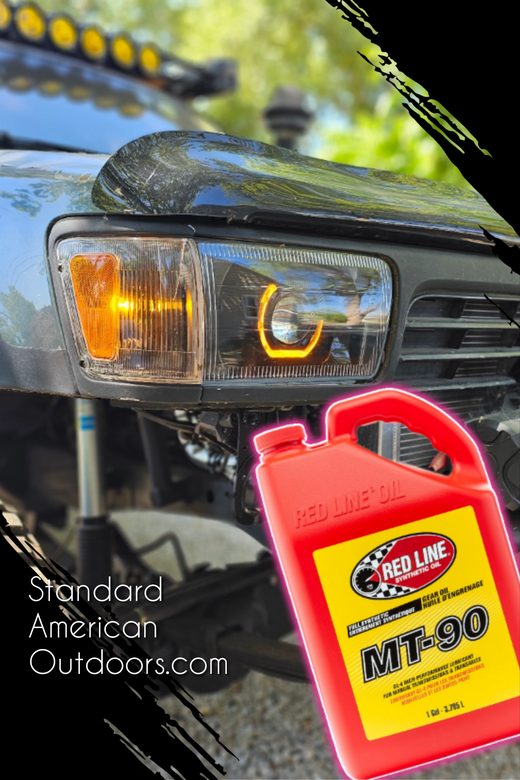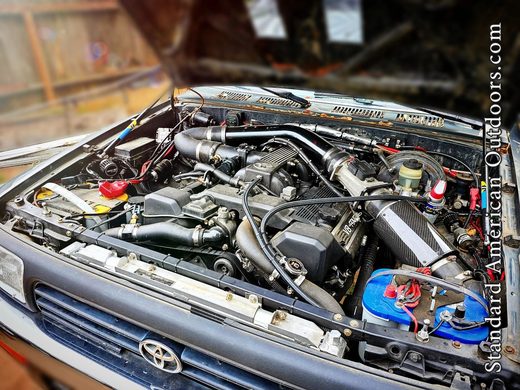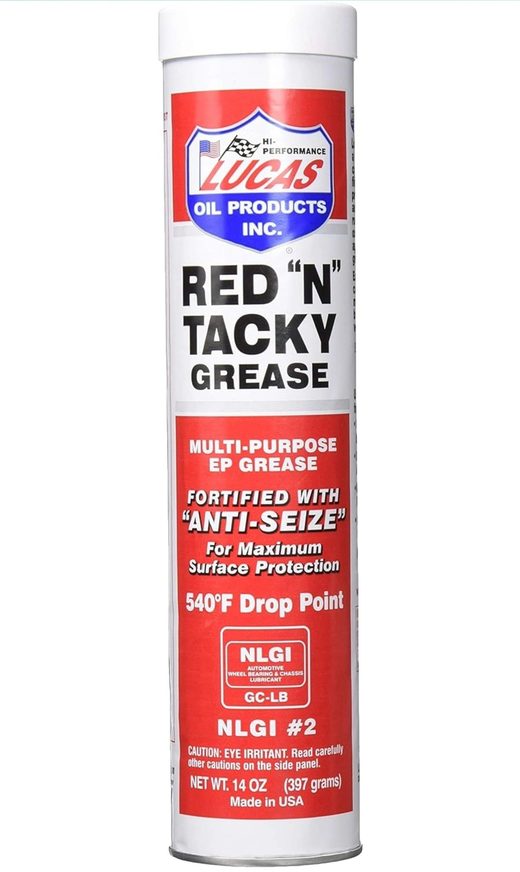
Toyota 4Runner (90-95) The DIY guide for preventative maintenance
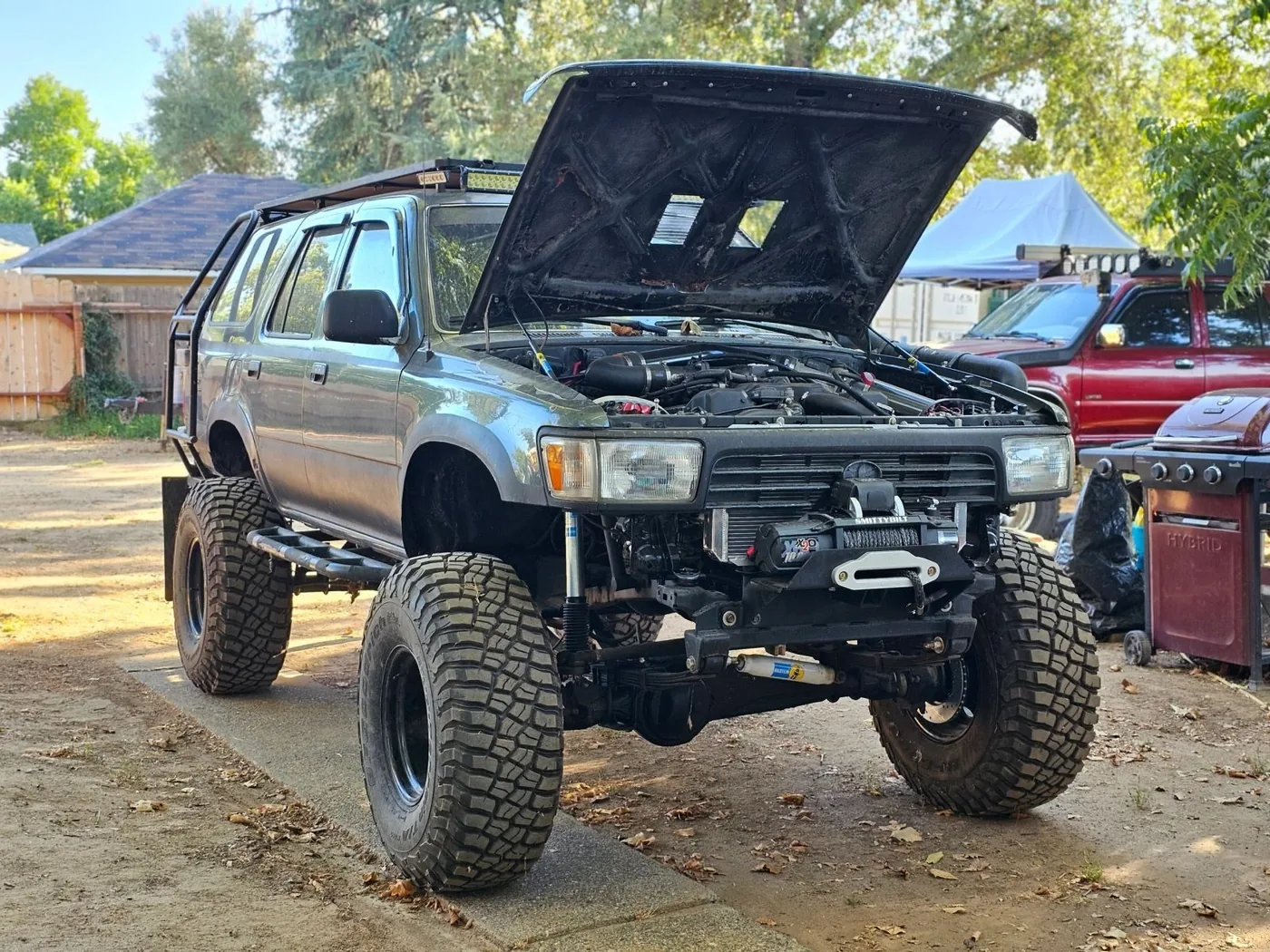
2nd gen 4runner mods, top 2nd gen 4runner mods, best 2nd gen 4runner mods
Common Problems and DIY Fixes for Your Second Generation Toyota 4Runner: A Comprehensive Guide If you're the proud owner of a second-generation Toyota 4Runner (1990-1995), you've got your hands on what many consider to be a classic piece of automotive engineering. However, like any vehicle approaching or exceeding 30 years of age, these reliable workhorses come with their own set of common issues. In this comprehensive guide, we'll explore the most frequent problems owners encounter and provide practical, cost-effective solutions you can implement yourself. Understanding Your 2nd Gen 4Runner Before diving into specific problems and fixes, it's important to understand what makes the second-generation 4Runner special. Produced between 1990 and 1995, these vehicles marked Toyota's transition from modified pickup trucks to purpose-built SUVs. They came equipped with either the 2.4L 22RE four-cylinder engine or the more powerful 3.0L 3VZ-E V6, both paired with either manual or automatic transmissions. 1. Head Gasket Issues: The Most Common Concern One of the most frequently reported problems with second-generation 4Runners, particularly in the 1993 and 1995 models, involves head gasket failure. This issue is especially prevalent in the 3.0L V6 engine. Signs of Head Gasket Failure: - White exhaust smoke - Coolant loss with no visible leaks - Oil with a milky appearance - Overheating - Sweet smell from the exhaust DIY Fix: While replacing a head gasket is a complex job, it's doable for experienced DIY mechanics. Required Tools: - Head gasket set - Torque wrench - Socket set - Timing belt kit (recommended to replace while you're there) - Head bolt set - Coolant - RTV silicone Estimated Cost for DIY: $200-400 in parts Professional Repair Cost: $1,200-2,000 2. Power Steering System Problems Power steering issues are particularly common in 1991 models, but can affect all years of the second generation. Common Symptoms: - Fluid leaks - Whining noise during turning - Stiff steering - Power steering pump failure DIY Solutions: a) Power Steering Fluid Leak Repair: - Inspect all hoses and connections - Replace damaged hoses - Install new O-rings - Replace the power steering pump if necessary Required Materials: - Power steering fluid - Replacement hoses - O-ring kit - New pump (if needed) DIY Cost: $50-300 depending on the specific issue Professional Repair: $400-800 3. Suspension and Steering Components After decades of use, suspension components often need attention. Common Issues: - Ball joint wear - Tie rod end failure - Bushing deterioration - Shock absorber wear DIY Fixes: Ball Joints and Tie Rods: - Jack up vehicle safely - Remove wheel - Replace worn components - Align vehicle after repair Materials Needed: - Ball joints - Tie rod ends - Basic hand tools - Jack and jack stands Cost Comparison: DIY: $150-300 Professional: $500-800 4. Rust and Corrosion Rust is a common enemy of aging 4Runners, particularly in regions using road salt. Problem Areas: - Frame rails - Wheel wells - Rocker panels - Rear quarter panels Prevention and Treatment: - Regular underbody washing - Annual rust inspection - Immediate treatment of rust spots - Application of rust converter and prevention products DIY Rust Repair: - Wire brush or sand affected areas - Apply rust converter - Prime and paint - Apply undercoating in vulnerable areas Materials: - Wire brush/sandpaper - Rust converter - Primer - Paint - Undercoating DIY Cost: $100-200 for materials Professional Treatment: $500-2,000+ depending on severity 5. Electrical System Issues Aging electrical systems can develop various problems.
Common Issues: - Faulty alternator - Battery problems - Corroded connections - Failed sensors DIY Solutions: Battery and Connections: - Clean battery terminals - Check alternator output - Inspect and clean ground connections - Replace worn components Required Tools: - Multimeter - Wire brush - Battery cleaner - Dielectric grease Cost: DIY: $20-300 depending on components needed Professional: $200-600 6. Cooling System Maintenance Proper cooling system maintenance is crucial for preventing engine damage. Common Problems: - Radiator leaks - Thermostat failure - Water pump wear - Cooling fan issues DIY Fixes: Cooling System Flush: - Drain old coolant - Flush system - Replace thermostat - Install new coolant - Check for leaks Materials Needed: - Coolant - Thermostat - Gaskets - Flush solution - Basic tools DIY Cost: $75-150 Professional Service: $300-500 7. Transmission Issues Both manual and automatic transmissions can develop problems over time. Common Symptoms: - Delayed engagement - Rough shifting - Slipping - Fluid leaks DIY Maintenance: Automatic Transmission: - Regular fluid changes - Filter replacement - Adjust bands (where applicable) - Replace pan gasket Manual Transmission: - Fluid change - Clutch adjustment - Shifter bushing replacement Materials: - Transmission fluid - Filter kit - Gaskets - Basic tools DIY Cost: $100-300 Professional Service: $300-1,000+ 8. Fuel System Problems Fuel system issues can affect performance and reliability. Common Issues: - Fuel pump failure - Injector clogging - Fuel filter restriction - Tank rust DIY Solutions: Preventive Maintenance: - Regular fuel filter replacement - Fuel system cleaning - Injector service - Tank inspection Required Materials: - Fuel filter - Fuel system cleaner - Basic tools - Safety equipment DIY Cost: $50-200 Professional Service: $200-600 9. Brake System Maintenance Proper brake maintenance is crucial for safety. Common Problems: - Worn pads and rotors - Master cylinder leaks - Brake line corrosion - ABS issues (if equipped) DIY Repairs: Brake Service: - Replace pads and rotors - Bleed brakes - Replace brake fluid - Inspect lines and hoses Materials Needed: - Brake pads - Rotors - Brake fluid - Basic tools DIY Cost: $150-400 Professional Service: $400-800 10. Engine Performance Issues Various engine-related problems can develop over time. Common Problems: - Vacuum leaks - Sensor failures - Timing chain wear - Valve adjustment needs DIY Solutions: Basic Engine Maintenance: - Valve adjustment - Vacuum leak detection - Sensor testing and replacement - Timing chain inspection Required Tools: - Feeler gauges - Vacuum gauge - Basic hand tools - Diagnostic tools DIY Cost: $50-300 Professional Service: $200-1,000+ Preventive Maintenance Tips To keep your second-generation 4Runner running smoothly: 1. Regular Oil Changes: - Every 3,000-5,000 miles - Use high-quality oil - Replace filter at every change 2. Fluid Checks: - Weekly coolant level inspection - Monthly brake fluid check - Regular power steering fluid inspection - Transmission fluid condition monitoring 3. Regular Inspections: - Monthly belt check - Tire rotation every 5,000 miles - Brake inspection every 10,000 miles - Annual suspension check 4. General Maintenance: - Keep undercarriage clean - Address rust promptly - Regular chassis lubrication - Maintain proper tire pressure Long-term Ownership Considerations For those planning to keep their 2nd gen 4Runner for the long haul: 1. Parts Availability: - Stock up on common wear items - Identify reliable parts sources - Consider OEM vs. aftermarket options - Join owner forums for parts leads 2. Upgrades and Modifications: - Consider reliability improvements - Research common upgrades - Document all modifications - Keep original parts when possible 3. Value Preservation: - Maintain service records - Store vehicle properly - Address issues promptly - Preserve original features 4. Community Resources: - Join owners' clubs - Participate in online forums - Share knowledge and experiences - Network with other owners Conclusion The second-generation Toyota 4Runner represents a sweet spot in Toyota's SUV evolution, combining capability with relative simplicity. While these vehicles do have their common issues, most are manageable with basic mechanical skills and proper maintenance. By addressing problems promptly and maintaining a regular service schedule, you can keep your 4Runner running reliably for many years to come. Remember that while DIY repairs can save money, some jobs require professional expertise. Always prioritize safety and don't hesitate to seek professional help for complex repairs. With proper care and attention, your second-generation 4Runner can continue to be a dependable vehicle for both daily driving and off-road adventures. This guide serves as a starting point for understanding and addressing common issues with your 2nd gen 4Runner. As with any vehicle maintenance, always consult your owner's manual and service documentation for specific procedures and specifications. Regular maintenance and prompt attention to developing issues will help ensure your 4Runner remains a reliable companion for years to come. [End of Article]
Google keywords: 4Runner mods. 2gen 4runner mods. 2nd gen 4Runner roof rack. 2nd gen 4Runner snorkel. 2nd gen 4Runner Lift. 2nd gen 4runner lifted. 4Runner 3 inch lift before and after. 2nd gen 4Runner. 1uzfe 4Runner swap. 2nd gen 4Runner headlights. 1995 4Runner led headlights. 2nd gen 4Runner builds. 95 4runner headlight. 4Runner mods 2nd gen.Top 4Runner mods. 4Runner builds. 2nd gen 4Runner mods. 4Runner 2nd gen mods. Toyota 4Runner modifications. 4Runner motor swap. 2nd gen 4Runner spark plug replacement. 2nd gen 4Runner overland build. 2nd gen 4Runner engine swap. Coolest 4Runner mods. 2nd gen 4Runner for sale. 2nd gen 4Runner problems. 90-95 4Runner. 2nd gen 4Runner common problems.