2nd Gen 4Runner MPG: Real-World Numbers & What Actually Helps
The honest numbers
Let's set expectations like owners actually report them: a healthy 3VZE automatic sees roughly 12–15 mpg around town and high teens on the highway; a well-driven manual can nudge into the low 20s on a flat freeway cruise. A 22RE four-cylinder does a little better in town. If you bought a 2nd gen for fuel economy, we have some difficult news — you bought it for everything else, and that was the right call.
The useful question isn't "how do I make it a Prius," it's "is mine performing where a healthy one should?" A truck getting 9–10 mpg has a problem worth finding, not a personality.
What actually helps
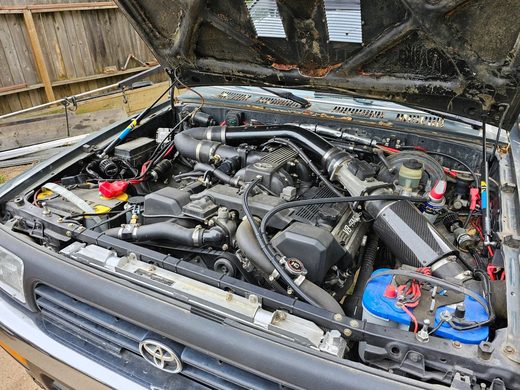
Basics first, because on engines this age they're usually overdue: fresh plugs, non-leaking wires, a clean cap and rotor, correct base timing, a fresh O2 sensor, and unclogged air filter. Each one is small; together they're the difference between 11 and 14.
Tires and dragging brakes matter more than any bolt-on: verify pressure weekly and make sure a lazy caliper isn't quietly costing you two mpg. Cracked intake plumbing leans on the O2 sensor and hurts drivability — the 3VZ's aging factory intake pipe is a known offender when it splits.
Driving style is the last free upgrade: these engines like momentum, not throttle. Gentle roll-ins and looking two lights ahead beats any gadget.
What doesn't
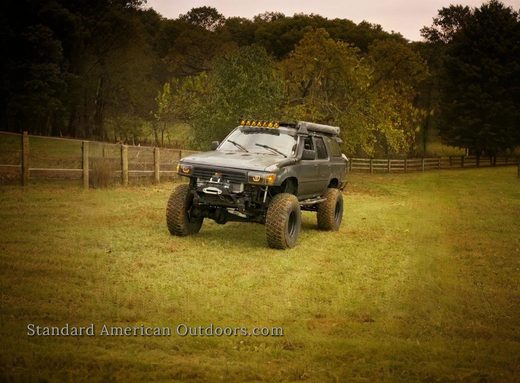
Fuel magnets, pills, "chips" for OBD-I trucks, and oversized throttle bodies. And know the honest costs of the good stuff: bigger tires, a lift, and a loaded roof rack all tax mpg — worth every tenth, but count them with eyes open.
The manual’s mpg edge is one more reason the 4 wheel drive stick shift trucks are the ones to grab when they surface.
What actually moves the number
These are heavy, boxy, thirty-year-old four-wheel-drive trucks with aerodynamics best described as optimistic. Nothing turns one into an economy car. But the spread between a well-sorted 2nd gen and a neglected one is real, and most of it comes from a short list.
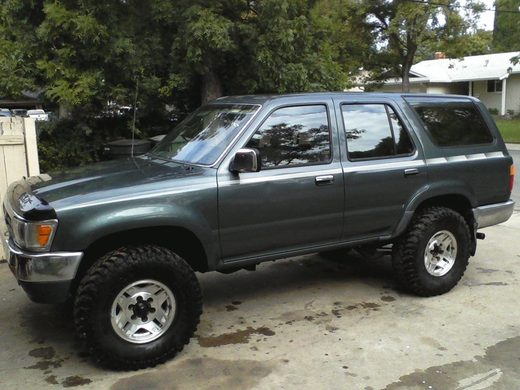
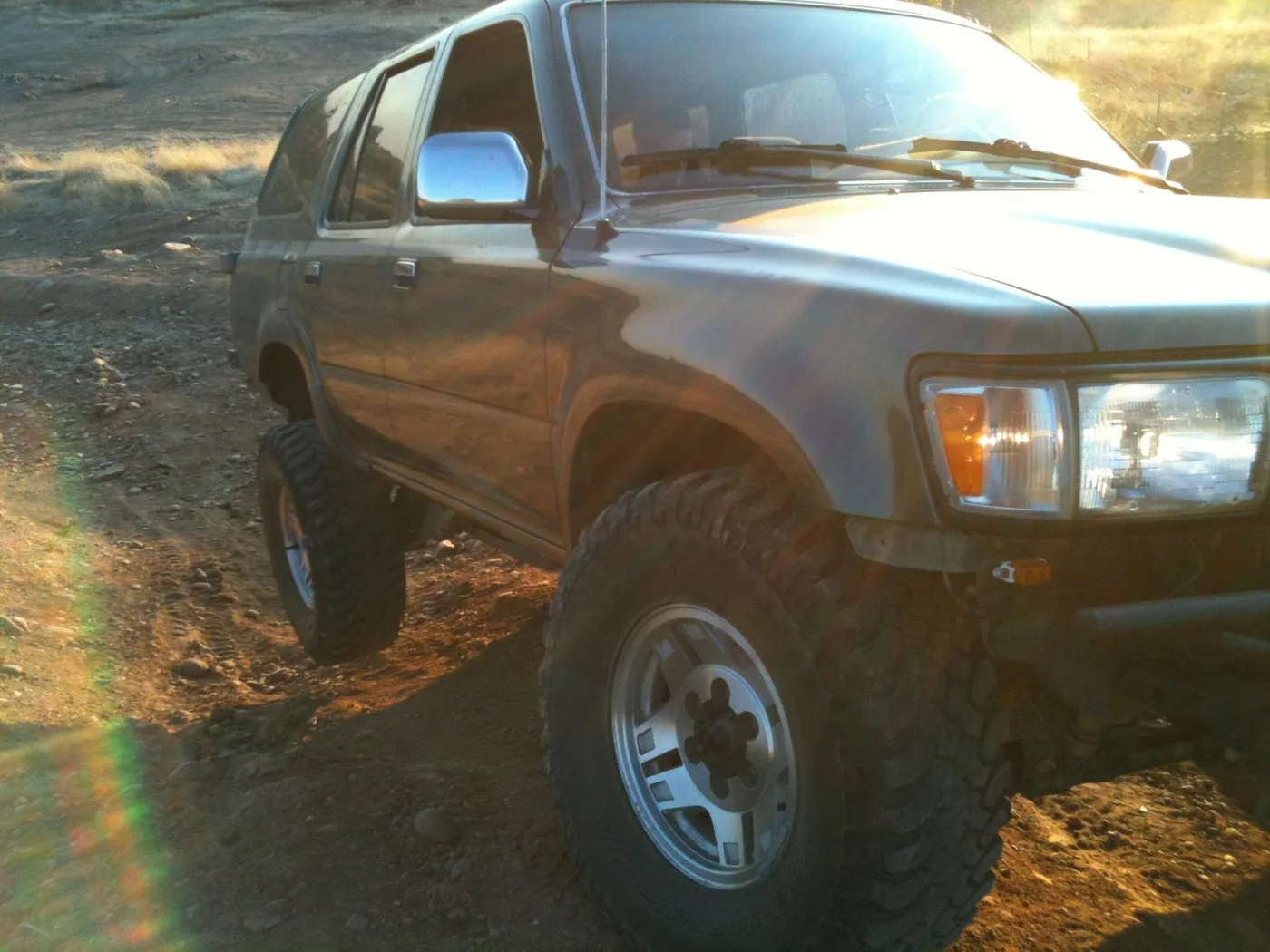
Tire size and weight. The biggest single lever most owners pull, and usually in the wrong direction. Larger, heavier, more aggressive tires cost fuel every mile — and if you went bigger without correcting the speedometer, your calculated mileage is wrong too.
Roof load. Anything on the roof costs highway mileage. That's physics, and it's the honest trade for carrying a tent and gear.
Tune-up state. Old plugs, wires, cap and rotor, a dirty air filter, a lazy oxygen sensor — none dramatic alone, all cumulative.
Dragging brakes and worn wheel bearings. Silent fuel thieves that owners rarely suspect.
Right foot. Unglamorous and the truest of all.
Measure it properly
Don't trust a trip computer these trucks don't have. Fill the tank, zero the trip meter, drive normally for a full tank, then fill again and divide miles by gallons added. Do it three tanks in a row before you believe any number, because one tank tells you about one fill-up, not about your truck.
If you've changed tire sizes without correcting for it, your odometer is lying, and so is your math.
The honest framing
People shopping a 2nd gen sometimes ask whether it can be made efficient. The realistic answer is no — it can be made consistent. A truck that's healthy, correctly geared for its tires, and not dragging anything will return what it returns, reliably. Chasing much beyond that means giving up the things you bought the truck for.
The better economic argument for these trucks was never fuel. It's that they keep running, parts are available, and you can fix them yourself.
Frequently asked questions
Does re-gearing improve mileage after bigger tires?
It restores the engine to a workload it was designed for, which usually helps both drivability and economy compared to running tall tires on stock gears. It won't beat the stock setup.
Is the four-cylinder more economical than the V6?
Generally yes on paper — but a four-cylinder worked hard hauling a loaded truck closes the gap more than people expect.
Will a new exhaust or intake help?
Treat any mileage claim there with skepticism. Fix what's broken first; that's where the actual gains hide.
New guides, first look at new parts
We publish a guide most weeks and build parts for one truck. If you own a 2nd gen, put your email in and you’ll get both. No filler.
One email at a time, unsubscribe in a click.