The Ultimate Guide to 2nd Gen 4Runner Roof Rack Options....
The Ultimate Guide to 2nd Gen 4Runner Roof Rack Options: Upgrading from Factory Limitations
In the world of classic SUVs, the 2nd generation Toyota 4Runner (1989-1995) remains a beloved icon for outdoor enthusiasts and off-road adventurers. However, as these vehicles age, owners face increasing challenges with original equipment—particularly the factory roof rack system. With a mere 100 lbs weight limit, the OEM roof rack is becoming a significant pain point for modern adventurers who need more capacity for their outdoor gear.
Understanding the Factory Roof Rack Limitations
The 2nd gen 4Runner came equipped with a factory roof rack that, while adequate for its time, was designed with a modest 100-pound weight capacity. This limitation severely restricts what modern outdoor enthusiasts can safely transport. Whether you're planning an overlanding expedition or simply need to haul camping equipment, the factory rack's weight restriction can quickly become problematic. More concerning is that these factory racks are now 30+ years old. Time, weather exposure, and regular use have taken their toll on these systems. Many 2nd gen 4Runner owners report concerning issues:
- Mounting points rusting and weakening
- Crossbars developing stress cracks
- Rubber gaskets deteriorating, leading to roof leaks
- Hardware loosening or breaking during use
The aging process has rendered many factory racks unsafe for carrying even their rated capacity. This deterioration presents not just a convenience issue but a genuine safety concern for drivers and their passengers.
Best Roof Rack for 2nd Gen 4Runner: Aftermarket Solutions
When searching for the best roof rack for 2nd gen 4Runner models, owners should consider several factors:
- Weight capacity improvements
- Full-length coverage options
- Mounting system integrity
- Material durability
- Compatibility with accessories
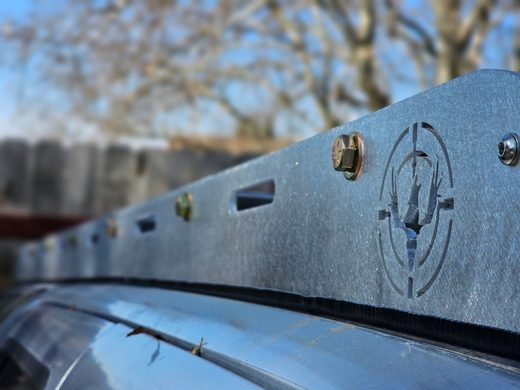
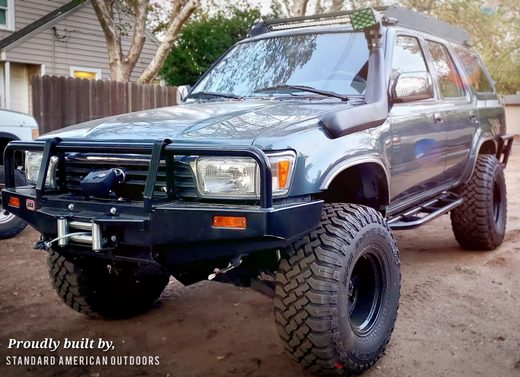
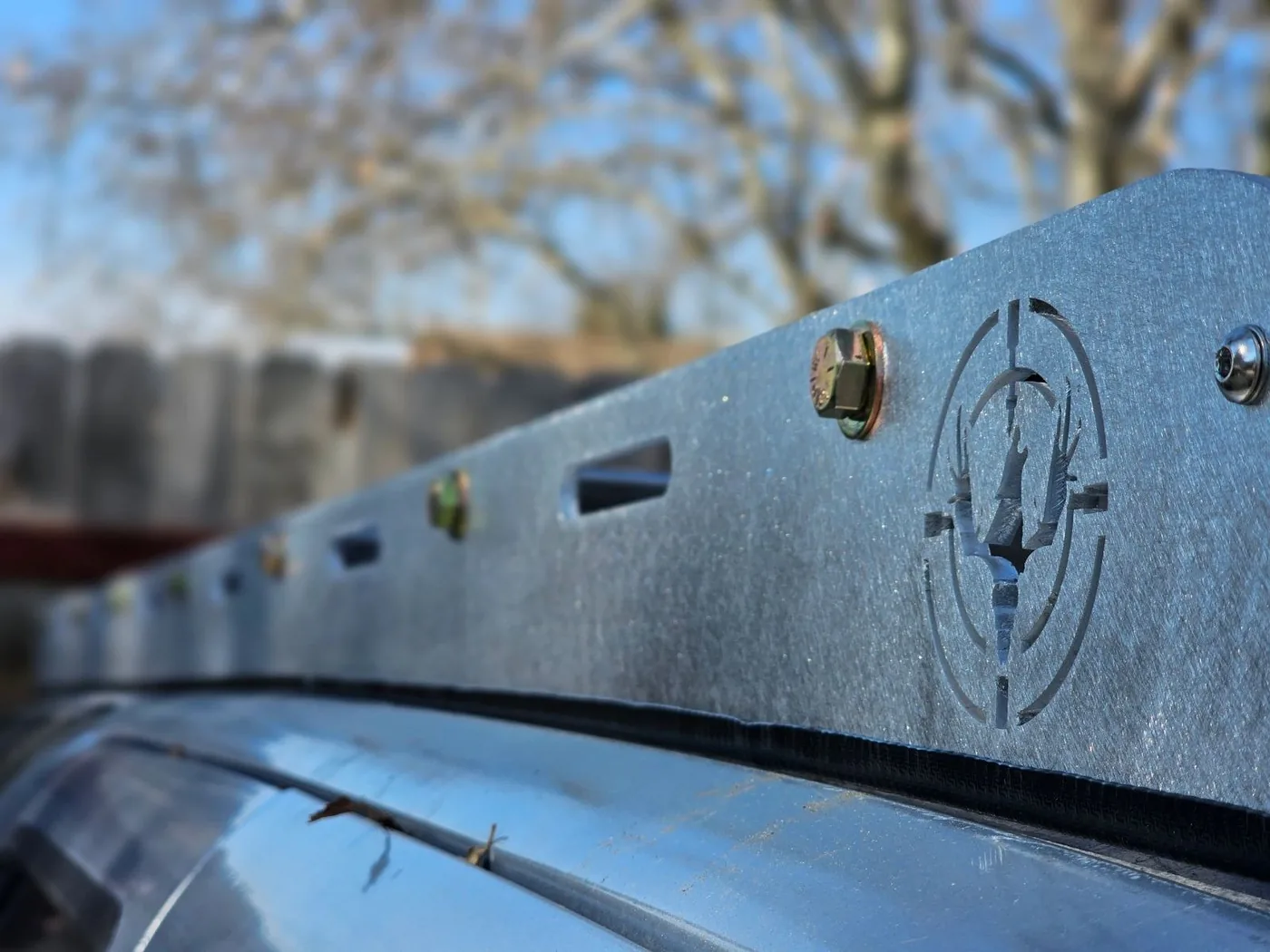
While several companies offer partial solutions, Standard American Outdoors.com stands out by providing one of the only full-length roof rack systems specifically engineered for the 2nd gen 4Runner. Their system addresses the critical weaknesses of the factory rack while significantly increasing load capacity.
2nd Gen 4Runner Roof Rack Options: What's Available?
The market for 2nd gen 4Runner roof rack options has historically been limited, with most solutions falling into three categories:
1. Factory Replacement Parts
Some owners attempt to replace damaged components of their original rack. While this maintains the vehicle's stock appearance, it does nothing to address the fundamental 100-pound weight limitation. Additionally, finding new old stock parts is increasingly difficult as these vehicles age.
2. Universal Fit Systems
Universal roof rack systems can be adapted to fit the 2nd gen 4Runner, but often require drilling or modifications that may compromise roof integrity. These systems typically offer improved weight capacity but sacrifice the clean, integrated look of a purpose-built solution.
3. Custom Fabricated Racks
Some enthusiasts turn to custom fabricators for one-off rack systems. While these can be excellent, they're typically expensive and vary dramatically in quality, design, and safety testing.
4. Purpose-Built Full-Length Systems
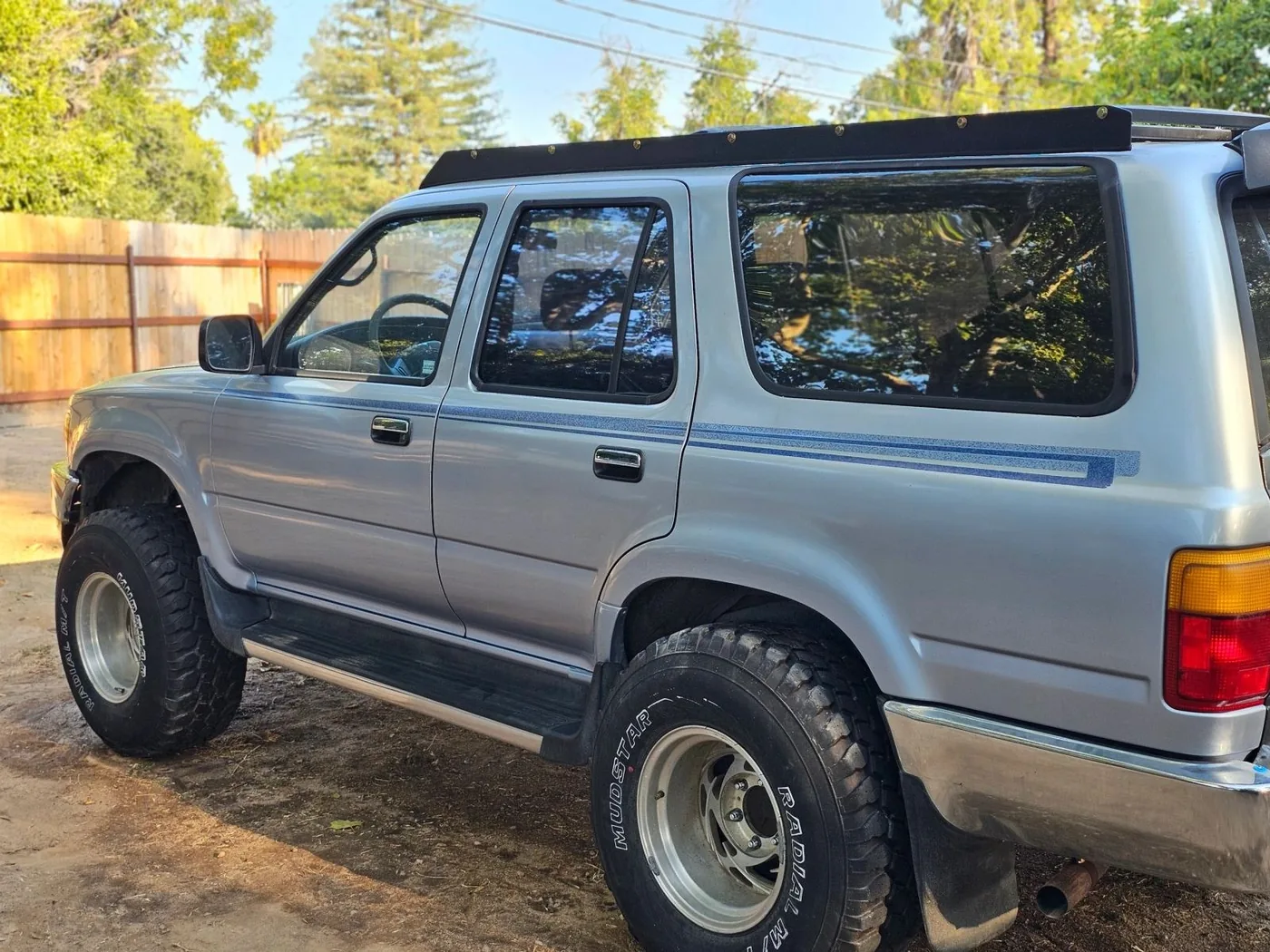
The most comprehensive solution comes from companies like Standard American Outdoors.com, which offers a purpose-designed, full-length roof rack system specifically engineered for the 2nd gen 4Runner. These systems provide superior weight distribution, multiple mounting points, and compatibility with modern accessories.
Breaking the 2nd Gen 4Runner Roof Rack Weight Limit
Understanding the 2nd gen 4Runner roof rack weight limit is crucial for safe vehicle operation. The factory 100-pound restriction severely limits utility, especially when considering that many common items quickly exceed this capacity:
- A pair of kayaks: 80-120 pounds
- Roof-top tent: 120-200 pounds
- Mountain bikes with mounts: 60-100 pounds
- Expedition gear in cargo box: 100+ pounds Modern aftermarket solutions can significantly increase this capacity, with quality systems offering 300+ pound dynamic (moving) weight ratings and even higher static (parked) ratings.
This expanded capacity transforms what's possible with your classic 4Runner.
Signs Your Factory Rack Is Failing
Many 2nd gen 4Runner owners continue using factory racks without realizing they may be compromised. Watch for these warning signs:
- Visible rust or corrosion at mounting points
- Excessive movement or wobbling when loaded
- Creaking or unusual noises when driving
- Water leaks around rack mounting points
- Crossbar deformation or sagging
If you observe any of these symptoms, it's time to seriously consider upgrading your roof rack system before a catastrophic failure occurs.
Why Full-Length Racks Matter for the 2nd Gen 4Runner
The full-length roof rack design offered by Standard American Outdoors.com provides several advantages over partial systems:
- Better Weight Distribution : Load is spread across more mounting points, reducing stress on any single area of the roof.
- Increased Usable Space : The entire roof becomes usable cargo area, not just the space between factory mounting points.
- Improved Versatility : Full-length systems accommodate more accessories and cargo configurations.
- Enhanced Structural Integrity : With more attachment points to the vehicle, these systems provide greater stability and security.
- Protection for Aging Roofs : A properly designed full-length system can actually help protect the roof from further deterioration.
Installation Considerations for New Rack Systems
When upgrading from the factory rack, consider these important factors:
- Does the new system use existing mounting points, or require new ones?
- Will installation require permanent modifications to your vehicle?
- Is specialized equipment needed for proper installation?
- Does the manufacturer provide detailed instructions?
- What is the warranty coverage for the new system?
Maximizing Your New Roof Rack Investment
After upgrading to a higher-capacity roof rack system, maximize its utility by:
- Installing proper tie-down points and cargo management accessories
- Adding auxiliary lighting mounts for improved visibility
- Considering wind deflectors to reduce noise and improve fuel economy
- Investing in quality cargo bags or boxes designed for outdoor use
- Adding specialized mounts for sports equipment like bikes, kayaks, or skis
Conclusion: Embracing Modern Capability with Classic Style
The 2nd generation Toyota 4Runner continues to be a capable and beloved adventure vehicle, but its factory roof rack system represents a significant limitation that worsens with age. By upgrading to a modern, full-length system like those offered by Standard American Outdoors.com, owners can dramatically increase carrying capacity while ensuring safety and reliability. For those serious about outdoor adventures with their classic 4Runner, investing in a quality roof rack system isn't just about convenience—it's about expanding possibilities while preserving the vehicle you love for many more years of exploration and adventure.
Which SAO rack: Light Duty, Medium Duty or V3 HD
If you've settled on an SAO rack, here's how the Light Duty, Medium Duty and V3 HD compare, taken straight from their product pages. Each one is full-length and listed for the 1990–1995 2nd gen 4Runner, and each page notes Surf owners have confirmed fit on the JDM Hilux Surf (N130).
| Light Duty | Medium Duty | V3 HD | |
|---|---|---|---|
| Mounting points | 6 steel rivnuts | 8 steel rivnuts | 14 steel rivnuts |
| Drilling required | Yes, 6 rivnut holes | Yes, 8 rivnut holes | Yes, 14 rivnut holes |
| Roof height added | 2.25 inches | 2.25 inches | 2.25 inches |
| Roof top tent (RTT) rated | No | No | Yes |
| What the page says it's for | Gear, cargo boxes, traction boards, everything short of a roof top tent | More mounting points than the Light Duty, for heavier loads | Roof top tents |
| Siding | Black coated or raw aluminum, no extra cost | Black coated or raw aluminum, no extra cost | Black coated or raw aluminum, no extra cost |
| Wind deflector | Optional (+$59.99) | Optional (+$59.99) | Optional (+$59.99) |
| Price | $979.99 | $979.99 | $979.99 |
| Shipping (lower 48) | $119.99 | $119.99 | $119.99 |
Price, roof height and siding choices are the same on all of them, so the decision comes down to the tent and the drilling: if a roof top tent is going up there, the V3 HD is the only one of these that's RTT-rated. Without a tent, the Light Duty needs the fewest holes, and the Medium Duty adds mounting points for heavier loads without the fourteen-hole commitment of the V3.
Roof Racks parts for the 2nd gen
Built for the 1990–1995 4Runner. See all roof racks parts and guides →
 2nd gen 4runner Medium Duty Roof Rack
New guides, first look at new parts
We publish a guide most weeks and build parts for one truck. If you own a 2nd gen, put your email in and you’ll get both. No filler.
One email at a time, unsubscribe in a click.