Why Your 2nd Gen 4Runner Sags in the Rear (And the Fix)
The slow slouch
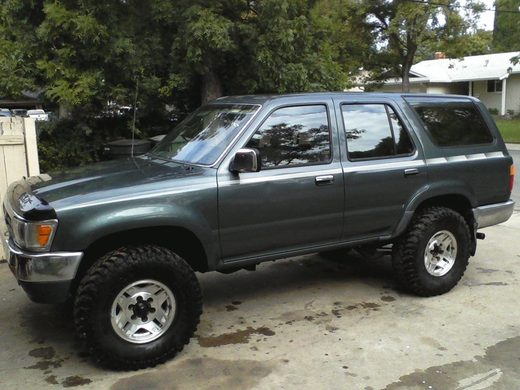
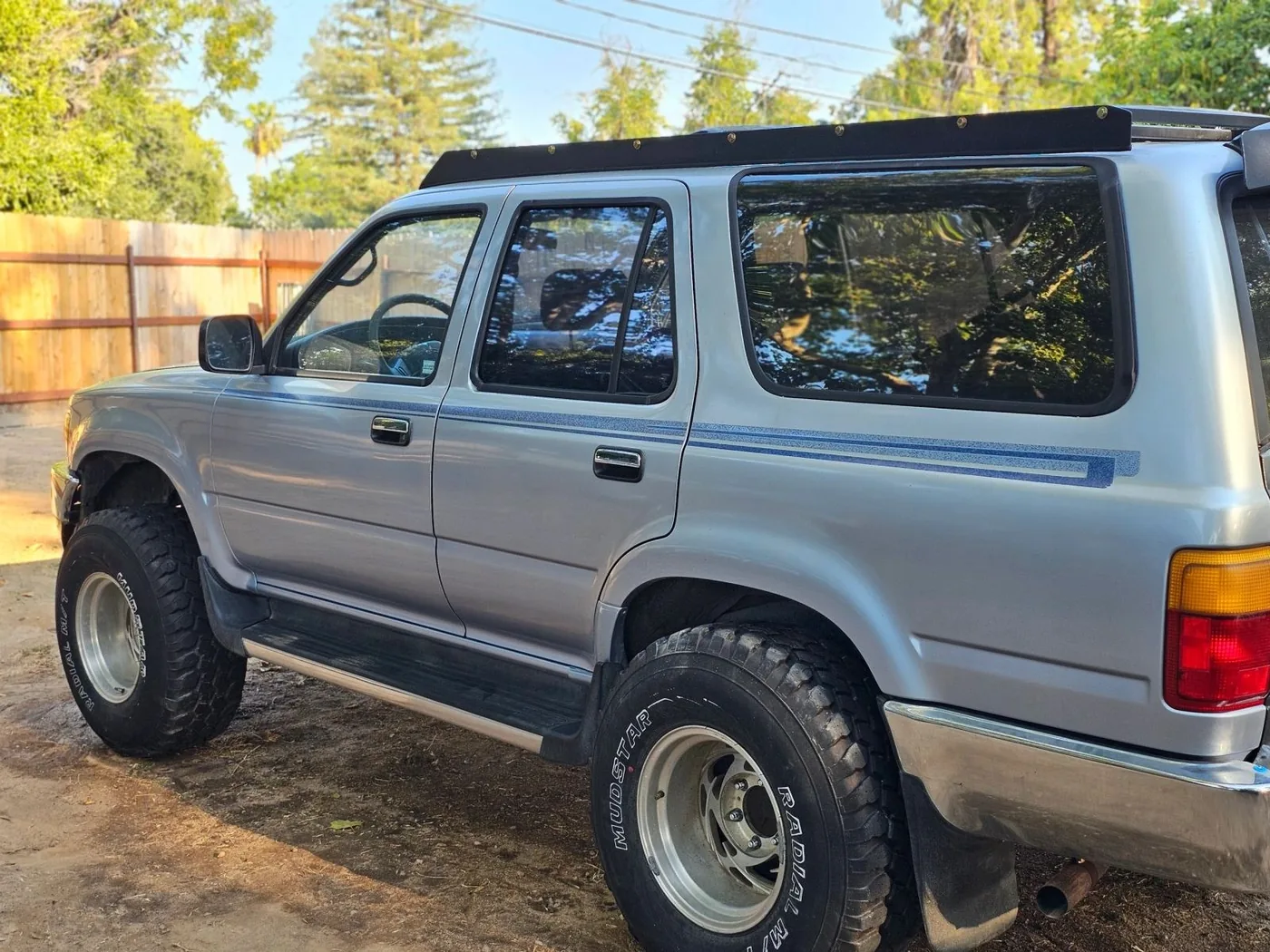
Park a stock-height 2nd gen on level ground and look at it from the side. Odds are the tail sits low — not dramatically, just tired. Rear coil springs that have carried camping gear, dogs, firewood, and thirty years of gravity lose free height slowly enough that owners never notice the day it happened.
The tells: rear tires tucked higher into the wheel wells than the fronts, headlights aiming at the treetops and getting flashed at night, a floaty porpoise over dips, and bottoming out on driveways that never used to touch.
What sag actually costs you
It's not just looks. A saggy rear changes the driveline angles, unsettles braking balance, and kills the composed feel these trucks had when new. Load it up for a trip and everything gets worse — the suspension is riding near the bottom of its travel before you've hit the first bump.
Airbag helpers and spacer band-aids exist, but they treat the symptom. The spring is a wear item that wore out. Replace it like one.
The right fix
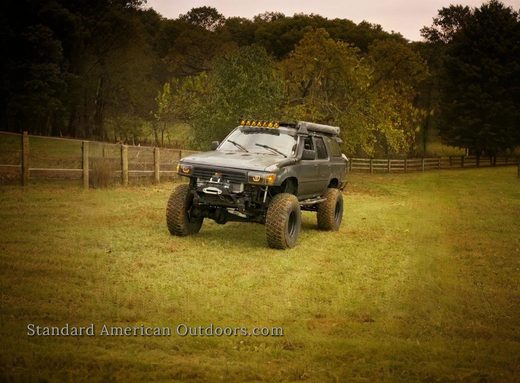
Fresh coils restore ride height, travel, and load capacity in one move — and since you're replacing springs anyway, this is exactly why most 2nd gen owners go to a mild lift at the same time: new springs all around, matched shocks, restored geometry, and room for the 31s or 33s the truck always deserved. A complete 3" kit does it as one coordinated package instead of a pile of mismatched parts.
Whichever route you take: springs in pairs (or all four), shocks at the same time, and an alignment after. And on a solid-axle rear with a lift up front, remember the panhard bar conversation — centered axles track straight.
Springs sorted? Fold it into the bigger plan with the 2nd gen 4Runner off road complete guide.
How to measure it instead of guessing
Eyeballing a sag is unreliable, especially on your own truck, which you see every day. Measure instead.
Park on level ground with the tank at a normal level and nothing heavy in the back. Measure from the center of each wheel hub straight up to the fender lip, on all four corners. Write the numbers down.
Compare left to right first — a side-to-side difference on the same axle points at one tired spring or a broken leaf rather than general age. Then compare front to rear against what these trucks looked like new. A rear that sits noticeably lower than the front is the classic tired-coil signature.
Doing this before and after any suspension work is also the only honest way to know what you actually got.
What sagging springs do to everything else
Ride height isn't a cosmetic setting. Drop it and you change several things at once:
- Headlight aim goes up. That's why you're getting flashed. It's also why your own night visibility feels worse — the beam is landing past where you're looking.
- Bump stop contact. Riding low means less travel before you hit the stops, which is what turns a comfortable truck into a harsh one.
- Driveline angles change, which can introduce vibration that owners chase for months in the wrong places.
- Braking balance shifts as weight transfers differently.
Fix the ride height and a surprising number of unrelated-seeming complaints go away.
Helper springs and spacers: when they're actually fine
The honest version: airbags and spacers aren't wrong, they're just a different tool. If your springs are healthy and you occasionally tow or haul heavy, a helper is a reasonable answer to an occasional load.
What they can't do is restore a worn-out spring's travel or damping. If the coil itself is done, adding a spacer just moves the truck up while leaving the tired spring underneath. It looks fixed and rides the same.
Frequently asked questions
Do I need new shocks when I replace springs?
Usually yes, and not as an upsell. Shocks wear on roughly the same timeline, and pairing fresh springs with thirty-year-old shocks wastes most of what you just paid for.
Will new springs change my alignment?
Changing ride height changes suspension geometry, so plan on an alignment afterward. Budget for it up front rather than discovering it later.
Can I do one corner at a time?
Replace springs in pairs, per axle. Mixing a new spring against a worn one is how you build a truck that leans.
Lighting parts for the 2nd gen
Built for the 1990–1995 4Runner. See all lighting parts and guides →
 The "ATOM" LED projector headlight. Exclusively for $524.99
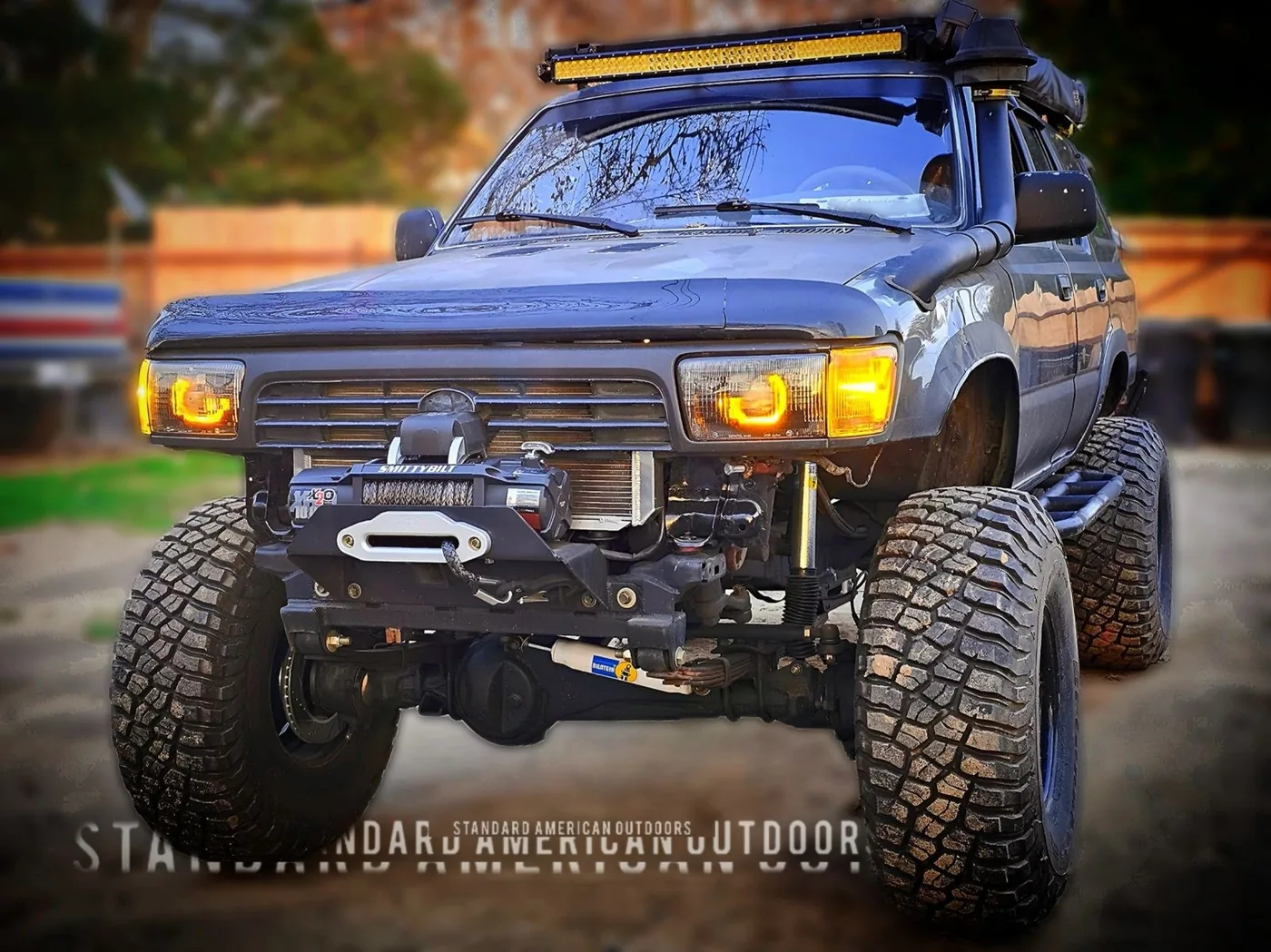 LED Projector headlights! "Sinister"$524.99
New guides, first look at new parts
We publish a guide most weeks and build parts for one truck. If you own a 2nd gen, put your email in and you’ll get both. No filler.
One email at a time, unsubscribe in a click.