2nd Gen 4Runner Years to Avoid (and the Best Year to Buy)
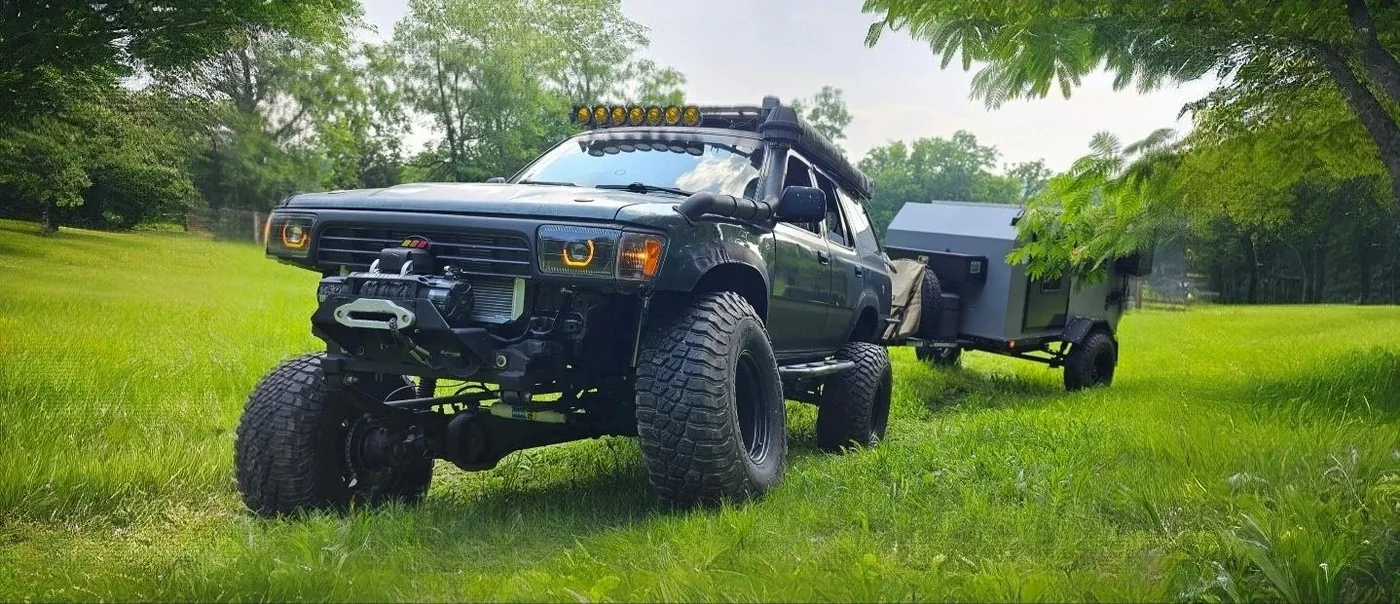
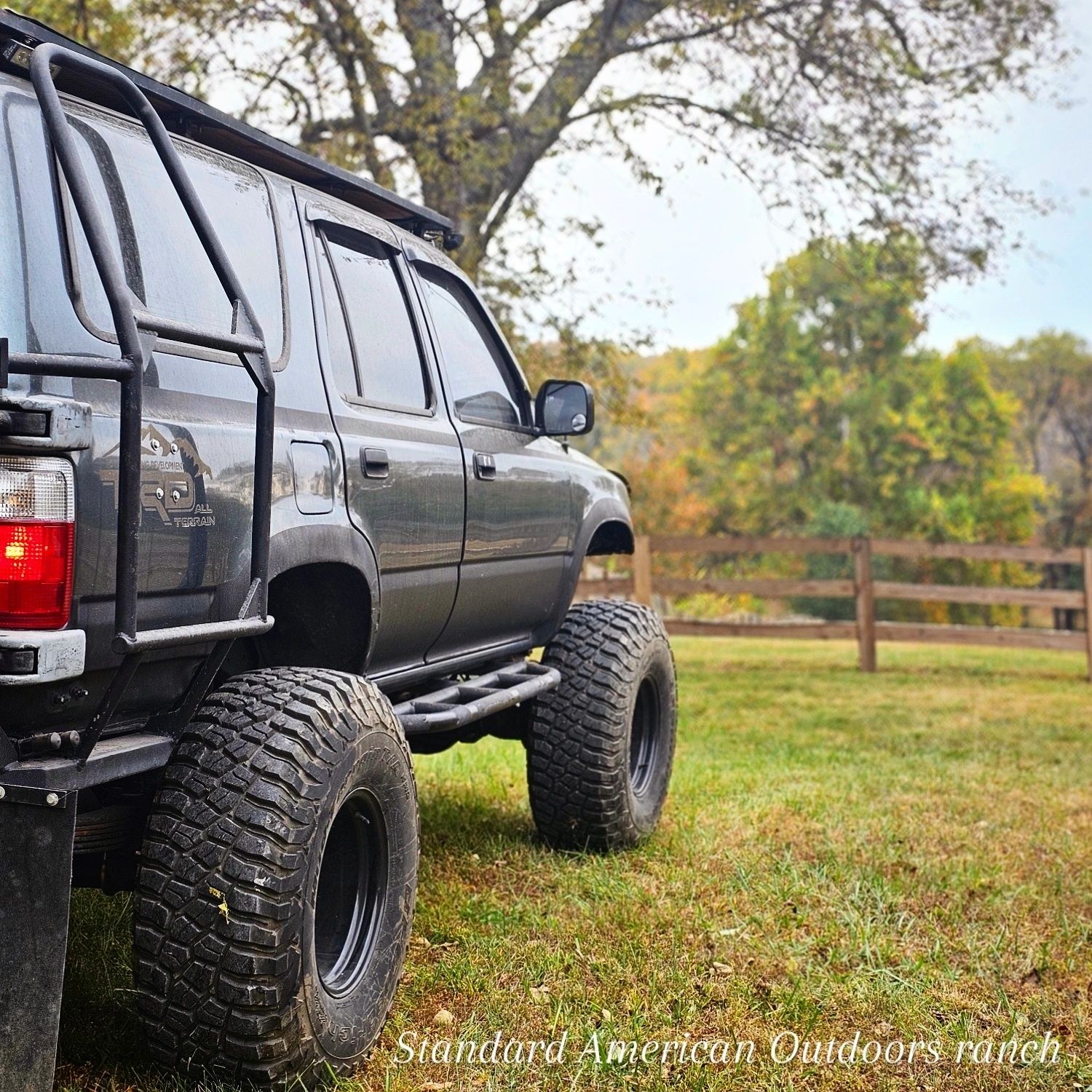
Here's the refreshing truth about the 2nd gen 4Runner (1990–1995): there is no disaster year. Toyota didn't build a lemon in the run. But the years are not identical, and if you're shopping, the differences — and one engine-specific caveat — should shape which truck you chase.
The Short Version
Best years to buy: 1994–1995, the most refined end of the run, with the '95 as the collector-grade pick. Years to be most careful with: 1990–1991 V6 trucks — not because the trucks are bad, but because the earliest 3.0L engines are the least likely to have had a proper head gasket job done under Toyota's old campaign, and 35 years of unknown history is the real risk. Condition beats year on every one of these trucks.
The 3.0L Head Gasket Caveat, Honestly
The 3VZ-E V6's head gasket reputation is the only 'avoid' factor in the generation, and it applies to the engine, not a model year. The failure causes are understood, the fix is permanent when done with quality gaskets, and a documented repair makes a V6 truck a great buy. When shopping any V6 year, the question isn't 'which year avoided it' — none did — it's 'has this specific truck's gasket history been handled.' The 22RE four-cylinder sidesteps the issue entirely at the cost of power.
What Actually Separates Good Trucks From Bad Ones
At this age, rust and maintenance history matter ten times more than the model year on the title. A rust-free 1990 with records beats a crusty 1995 every single time. Walk away from frame rot regardless of year. Prioritize documented cooling-system care and timing-belt service on V6 trucks, and a tight front end on all of them — or budget for the idler arm and ball joints that virtually every unsorted 2nd gen needs.
Our Pick
A 1994–1995 V6 5-speed with a documented head gasket job and a dry frame is the sweet spot of the entire generation — the most refined truck, the strongest drivetrain combination, and the best long-term value. Read our 1995 owner's guide and our complete 1990–1995 inspection guide before you go look at one, and you'll shop smarter than 90% of buyers.
Carrying gear up top? We build the V3 full-length roof rack for the 90–95 trucks.
Condition beats model year, every time
Here's the thing most "years to avoid" articles get wrong: on a truck this old, the individual example matters far more than the model year. A well-kept 1991 will outlast a neglected 1995 without trying. Thirty years of ownership history swamps whatever changed between production runs.
So use year to know what questions to ask — not to filter listings.
What actually varies across the run
Engine. The 3.0L V6 and the 2.4L four have genuinely different ownership stories. The V6 carries the head gasket history, serious enough that Toyota ran a Special Service Campaign covering roughly 1990 through early 1995. The four-cylinder trades power for durability and wants its timing chain watched.
Front end. Early and later trucks differ in front suspension design, which affects ride, lift options, and parts availability. Worth knowing which you're looking at before you plan a build.
Trim and features. Later trucks generally picked up refinements. Nice to have, not decisive.
Headlights. A practical one people don't think about until later: the 92–95 trucks take a different headlight than the 90–91. If aftermarket lighting is part of your plan, that changes what's available to you — ask before you buy anything.
The questions that actually matter
Ask these instead of asking about the year:
- Where has it lived, and can I see the frame?
- Has the head gasket work been done, and is there paperwork?
- When was the cooling system last serviced?
- Has it been lifted, and by whom?
- Does the tailgate window work? (A cheap fix, but a tell about deferred maintenance.)
- What's leaking, and how long has it been leaking?
So what's the best one?
The best 2nd gen 4Runner is a rust-free one with records. That's not a dodge — it's the entire answer. Buy the body and the history; everything mechanical is fixable and most of it is documented by a community that's been keeping these alive for decades.
Frequently asked questions
Is there a year I should genuinely avoid?
Less than the internet suggests. Any V6 truck with no head gasket history deserves a price adjustment regardless of year, and any truck from the salt belt deserves a hard look underneath regardless of year.
Manual or automatic?
Both hold up. Manuals are simpler and often preferred for trail use; automatics are easier to live with daily. Neither is a mistake.
How many miles is too many?
The wrong question on these trucks. A 250,000-mile truck with records beats a 130,000-mile truck with none.
New guides, first look at new parts
We publish a guide most weeks and build parts for one truck. If you own a 2nd gen, put your email in and you’ll get both. No filler.
One email at a time, unsubscribe in a click.