2nd Gen vs. 3rd Gen 4Runner: Which Should You Buy? (Comparison)
2nd Gen vs. 3rd Gen 4Runner: Which Should You Buy? (Honest Comparison)
It's one of the most debated questions in the Toyota world: 2nd gen or 3rd gen 4Runner? Both are legendary, both will outlast almost anything else on the used market, and both have devoted followings. But they're meaningfully different trucks, and the right one for you depends on what you value. Here's an honest, head-to-head breakdown to help you decide.
The Quick Answer
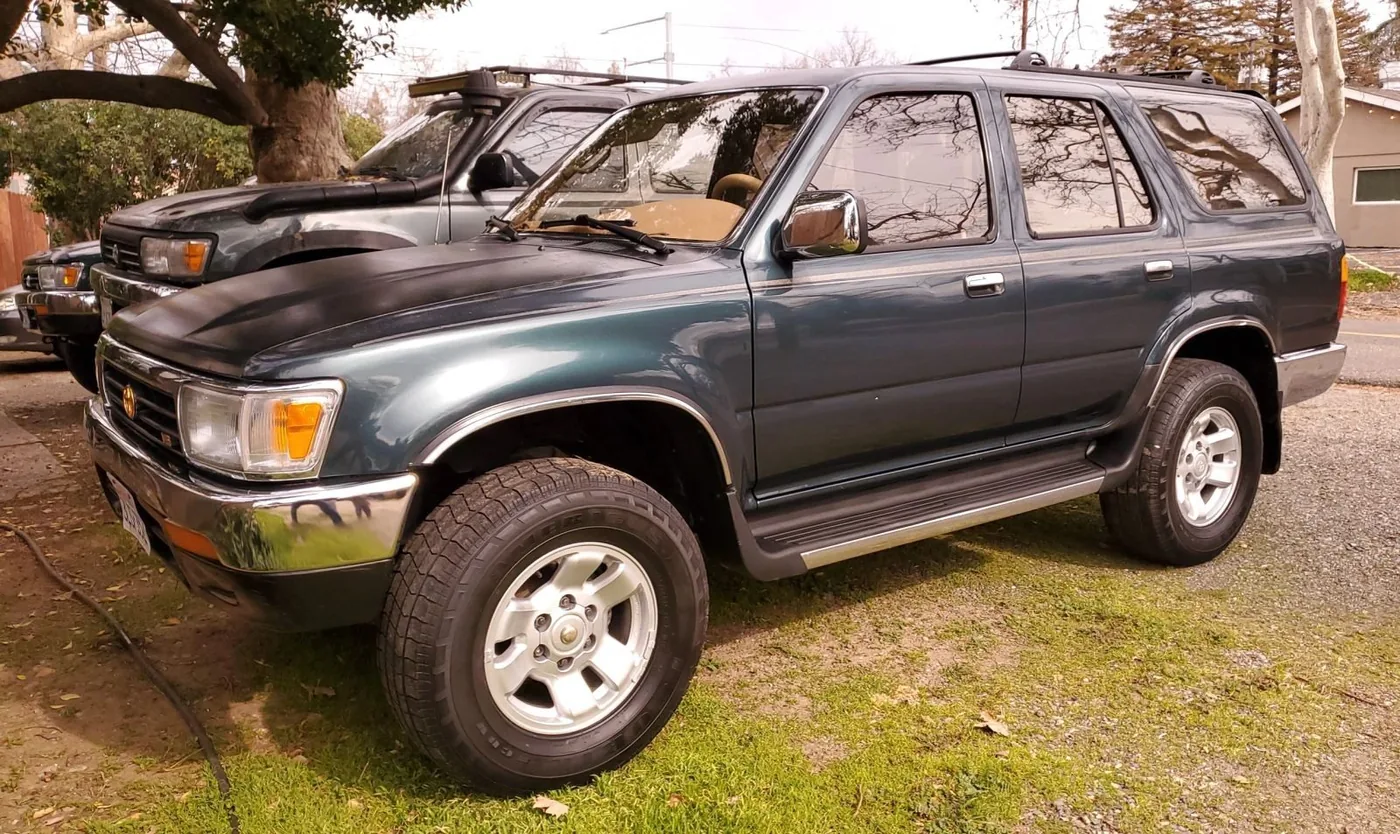
If you want a rugged, simple, characterful classic that's a joy to work on and build — and you love the boxy, old-school look — the 2nd gen (1990–1995) is the truck. If you prioritize more power and a slightly more refined, modern-feeling drive, the 3rd gen (1996–2002) makes a strong case. Both are excellent. Let's get into why.
Engines: The Heart of the Debate
This is where the two generations differ most.
2nd gen came with the 2.4L 22RE four-cylinder or the 3.0L 3VZE V6. The 22RE is famously simple and durable but modestly powered. The 3.0L V6 makes more power but carries a well-known reputation for head gasket issues — a real consideration, though one that's manageable and well understood once you know the causes (and a properly rebuilt 3.0L is a dependable motor). Many enthusiasts also love the 2nd gen specifically because it's a prime candidate for engine swaps, including the legendary all-aluminum Lexus 1UZ V8.
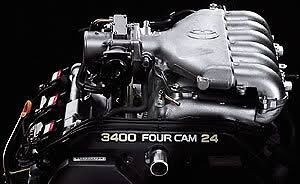
3rd gen introduced the 3.4L 5VZ-FE V6, and this engine is a big part of why the 3rd gen is so beloved. The 5VZ is widely regarded as one of the most reliable V6 engines Toyota ever built — known to run essentially forever with basic maintenance, and notably stronger than some of the engines that followed it. If outright engine reputation is your top priority, the 3.4L is the 3rd gen's trump card.
The honest take: the 3.4L is the more powerful and more universally praised engine. But the 2nd gen's simpler engines (and its swap-friendly nature) are part of its rugged, back-to-basics appeal, and plenty of high-mileage 3.0L trucks are still going strong.
Chassis and Design
The 2nd gen is built on Toyota's older, Hilux-derived truck architecture — proven, tough, and mechanically straightforward. The 3rd gen moved to an all-new chassis (shared with the J90-series Land Cruiser Prado), which gave it a more sophisticated platform and a more comfortable on-road ride.
Both use a solid rear axle and front independent suspension, and both are seriously capable off-road. The 2nd gen's appeal is its simplicity and that unmistakable squared-off, vintage look. The 3rd gen feels a step more modern from behind the wheel.
Reliability: Both Win, Differently
Neither generation is a reliability gamble — these are Toyotas, and a well-maintained example of either will routinely surpass 200,000–250,000 miles. But each has its known weak points:
- 2nd gen: the 3.0L head gasket reputation is the headline concern, along with the usual age-related wear (front-end ball joints, idler arm, cooling system) you'd expect on any 30-plus-year-old truck.
- 3rd gen: the standout known issue is lower ball joint wear, which is a safety-relevant item to stay on top of. The 3.4L engine itself is exceptionally solid.
For both generations — and really every 4Runner generation — the single biggest long-term enemy is rust. On any used example, the frame and undercarriage condition matters more than almost anything else, so a clean, rust-free truck from a dry climate is worth paying up for regardless of which generation you choose.
Age, Price, and Availability
The 2nd gen is older, increasingly collectible, and prices for clean examples have been climbing as enthusiasts recognize them as future classics. The 3rd gen is newer, often available with more creature comforts, and tends to offer more truck-for-the-money on higher-mileage examples. If you want the lowest cost of entry into a capable 4Runner, a 3rd gen is often the value play; if you want a characterful classic that's appreciating, the 2nd gen is the enthusiast's pick.
Front suspension: torsion bars vs coils
The 2nd gen runs a torsion bar front suspension. It is durable and simple, and it rides like a truck. Lifting one usually means cranking the torsion bars or adding ball joint spacers, which stiffens the ride further. Plenty of owners like it exactly that way.
The 3rd gen moved to a coil-over front, which is most of why it feels like a modern SUV on pavement. Lifting a 3rd gen is a simpler parts exercise with more coil and shock options.
Tailgate vs liftgate
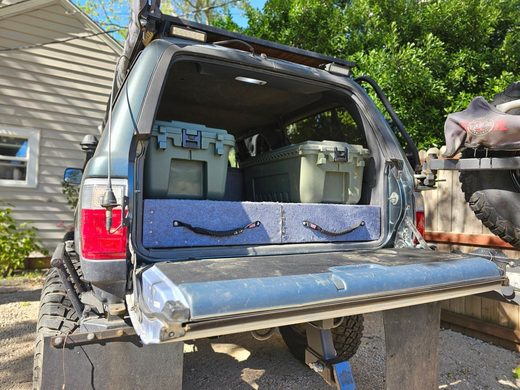
- 2nd gen tailgate. A truck-style drop-down gate. Roll the rear window down first, then drop the gate, and you have a bench to sit on in boots or a workbench at camp. Owners who have had one tend not to give it up.
- 3rd gen liftgate. A one-piece gate that swings up. The rear window still rolls down and the open gate gives you a roof in the rain, which is better for groceries. You lose the tailgate porch.
What goes wrong on each, side by side
| Area | 2nd Gen (1990–95) | 3rd Gen (1996–2002) |
|---|---|---|
| Engine | 3.0L 3VZ-E head gasket | “Pink milkshake” — radiator trans-cooler failure mixing coolant and ATF |
| Suspension | Sagging rear coils | Lower ball joint failure |
| Body and frame | Rear window motor; frame rust at the rear suspension mounts | Frame rot in the rear sections, worst in salt states |
| Interior | Cracked dash | Worn leather |
So, Which Should You Buy?
Choose the 3rd gen if your priorities are maximum engine reputation, a bit more power, and a slightly more refined daily-driving experience.
Choose the 2nd gen if you want a simpler, tougher, more characterful classic — one that's incredibly satisfying to maintain and build, holds a special place in the enthusiast community, and rewards you with that timeless, boxy look nothing else has. For owners who love wrenching on their truck, customizing it, and owning a genuine piece of Toyota history, the 2nd gen is hard to beat.
If the 3rd gen wins for you, our sister shop 3G 4R Offroad Co. covers those trucks: start with its 3rd gen buyer's guide and pre-purchase checklist and its take on 5VZ-FE reliability.
Building Your 2nd Gen 4Runner
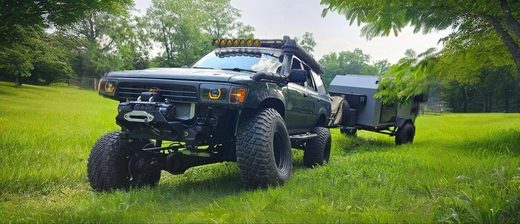
If the 2nd gen is calling your name — and for a lot of enthusiasts, it does — the good news is that it's one of the most rewarding platforms to build. From suspension and tires to roof racks and lighting, the right upgrades transform these trucks into capable, head-turning trail rigs.
At Standard American Outdoors, we're the premier one-stop shop dedicated entirely to the 2nd gen Toyota 4Runner. Our lineup includes the Complete 3" Lift Kit, V3 Roof Rack, LED Projector Headlights, and Power Steering Idle Up Valve Delete Kit. Browse the full lineup at standardamericanoutdoors.com and sign up for the newsletter for new guides and a first look at new parts.
New guides, first look at new parts
We publish a guide most weeks and build parts for one truck. If you own a 2nd gen, put your email in and you’ll get both. No filler.
One email at a time, unsubscribe in a click.