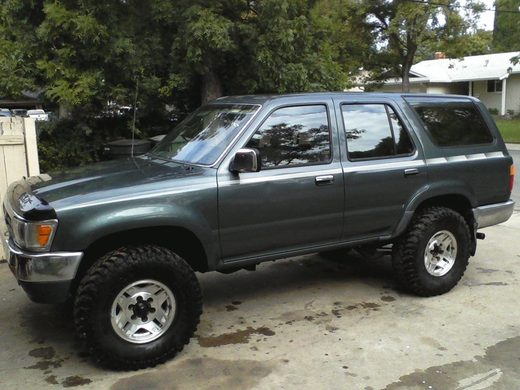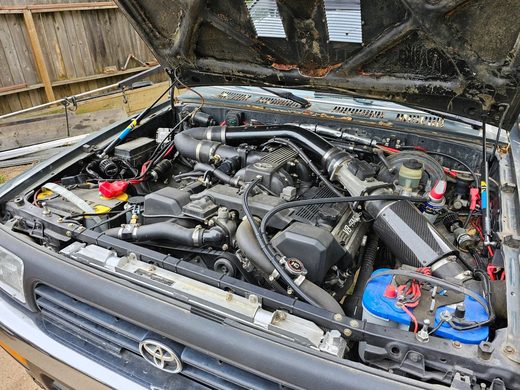
Turbocharging the 3VZE: What Boost Actually Does to Toyota’s Slow V6
The 3VZE's nickname is the 3-Slow, and the internet's answer is always the same: swap it. But there's a smaller, stranger, more fun answer that a stubborn minority keeps proving out: low boost. A few pounds of turbo transforms the character of this engine — and it's not theory to us — we run a turbocharged 22RE in the shop (that build is its own guide). Different engine, same physics, and the lessons about fueling boost on a 30-year-old Toyota carry straight across.
Why the 3VZE responds to boost
The engine's problem was never durability — it's breathing and compression tuned for 1990 emissions, delivering torque with all the urgency of a diesel tractor. Forced induction attacks exactly that: even modest boost fills the cylinders the factory intake never could, and the transformation is felt everywhere the engine was soft. The low-compression, understressed nature that makes it slow stock is precisely what makes it tolerant of mild boost — this is the rare engine where its weakness is the safety margin.
Low boost is the whole religion
Everything good about this project lives at a handful of psi. Modest boost on the stock bottom end, with detonation respected as the only real enemy: quality fuel, conservative tuning, and an ear (better: a gauge set) always on knock. Chasing big numbers on a 35-year-old emissions V6 is how the swap crowd gets to say told-you-so. Wideband air-fuel monitoring isn't optional equipment on a project like this — it's how you know today's pull isn't tomorrow's teardown.
Fuel is where these projects live or die
Boost without fuel is a lean disaster on a timer, and the stock 3VZE fuel system was sized for 1990 ambitions. The lesson from our own turbo 22RE build applies to any boosted Toyota of this era: pressure isn't volume — a regulator can show you a healthy number on the gauge while the pump behind it runs out of actual flow under load. That's the failure that reads as "it falls flat up top" and gets misdiagnosed as timing or turbo sizing for months. Supporting fuel first, boost second, is the build order — and the fuel pump and filter job is where a 3VZE build starts.
The honest comparison to swapping
A swap (the 5VZ path, the 1UZ dream) buys more total power with more total project. Turbocharging keeps your running, registered, sorted engine and changes its personality for a fraction of the teardown — but it demands tuning discipline a swap doesn't. Character versus catalog. Some of us just like making the slow engine everyone mocks get up and move.
Frequently asked questions
Can the 3VZE handle a turbo?
At low boost with honest tuning, its low-compression, understressed design is genuinely tolerant — the same traits that make it slow stock are the margin that makes mild boost work. Detonation control is the entire game.
How much boost is safe on a stock 3VZE?
Think in terms of "a few psi and a conservative tune," not a number off a forum — every truck's fuel, timing, and health differ. Wideband monitoring and knock vigilance define safe, not a universal figure.
What breaks first on a turbo 3VZE?
Nothing mechanical, usually — lean fueling does the breaking. An undersized pump that can't match the new airflow is the classic project-killer, which is why fuel supply gets upgraded before boost gets turned up.
Turbo the 3VZE or just swap it?
Swap for maximum power and a bigger project; turbo to transform the engine you already have sorted. The turbo path costs less teardown but demands more tuning discipline.
3VZ-E Engine parts for the 2nd gen
Built for the 1990–1995 4Runner. See all 3vz-e engine parts and guides →
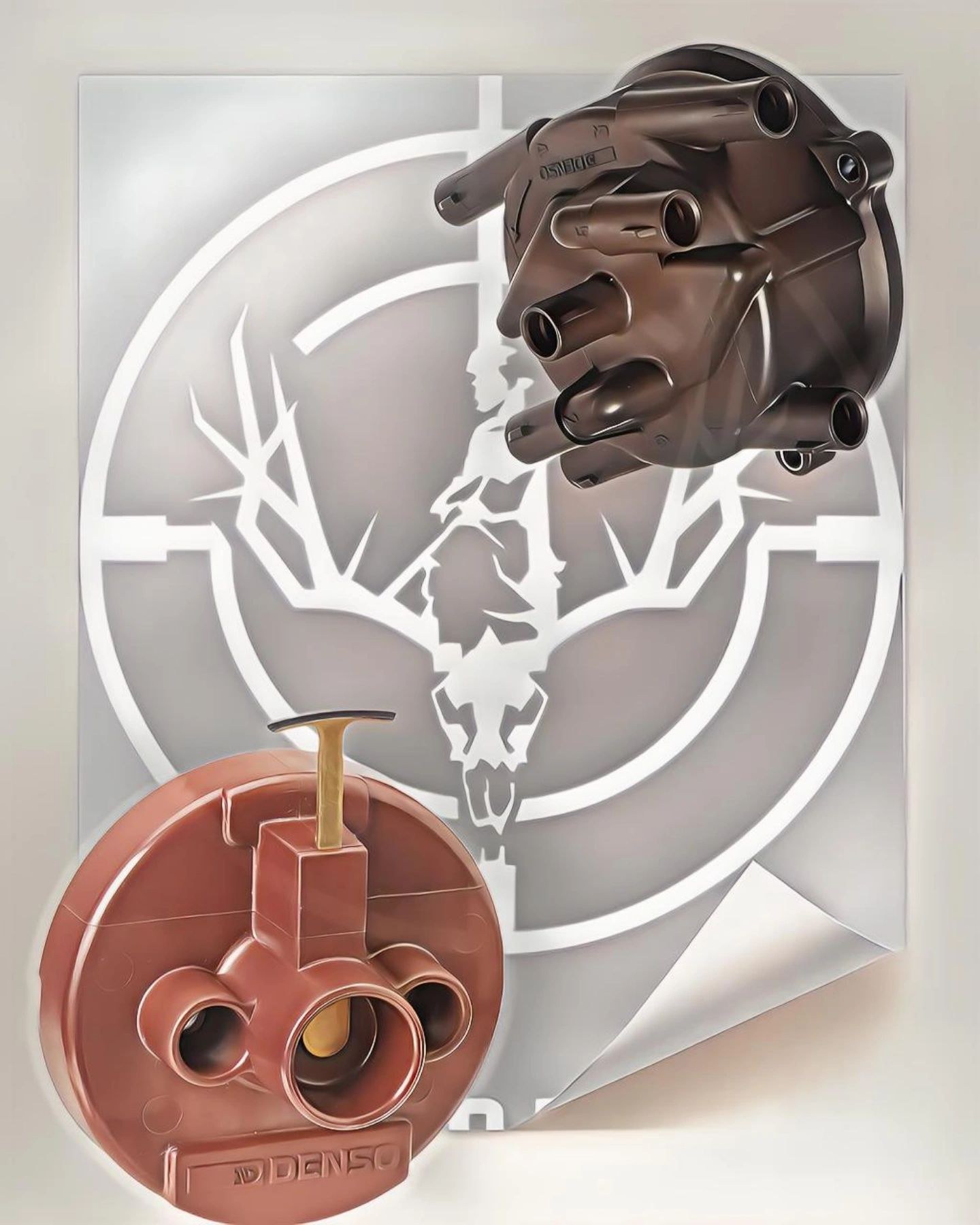 Denso Cap & Rotor — 3VZ-E$84.99
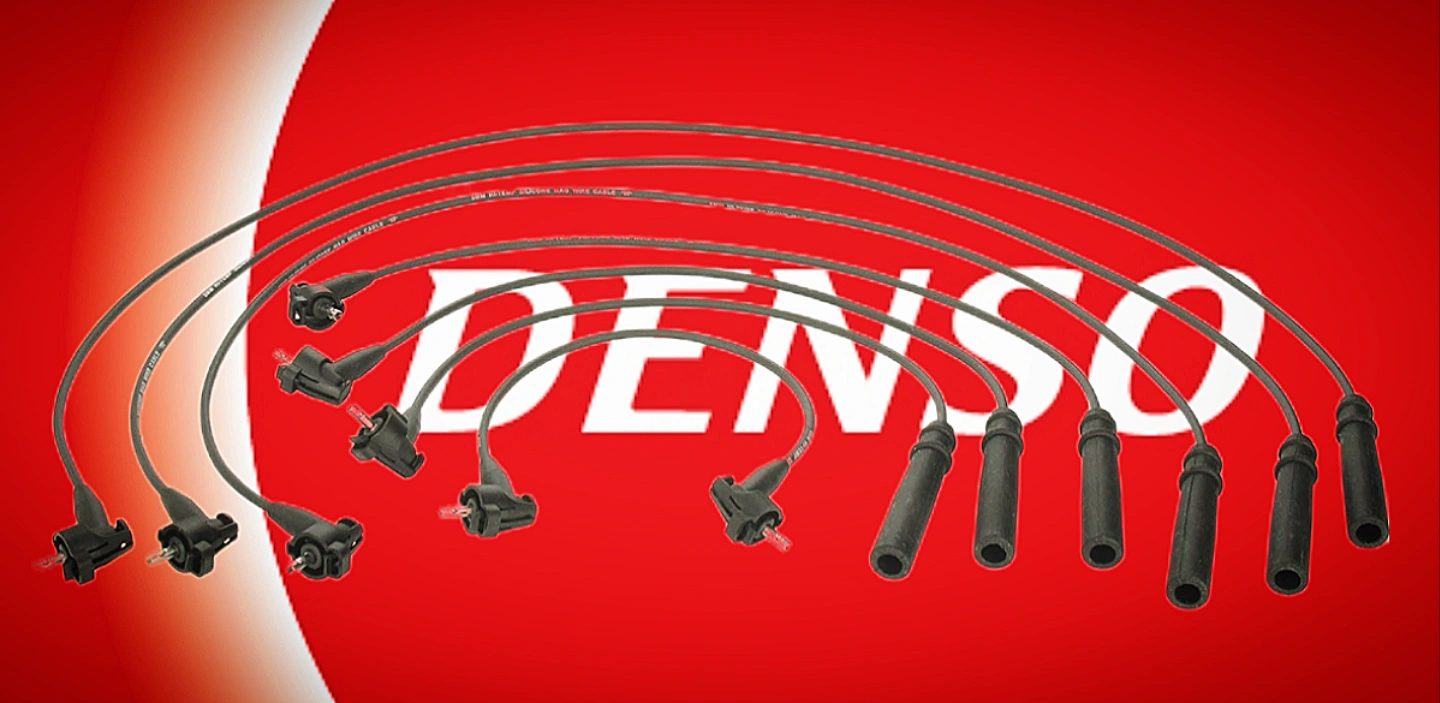 Denso Plug Wire Set — 3VZ-E$74.99
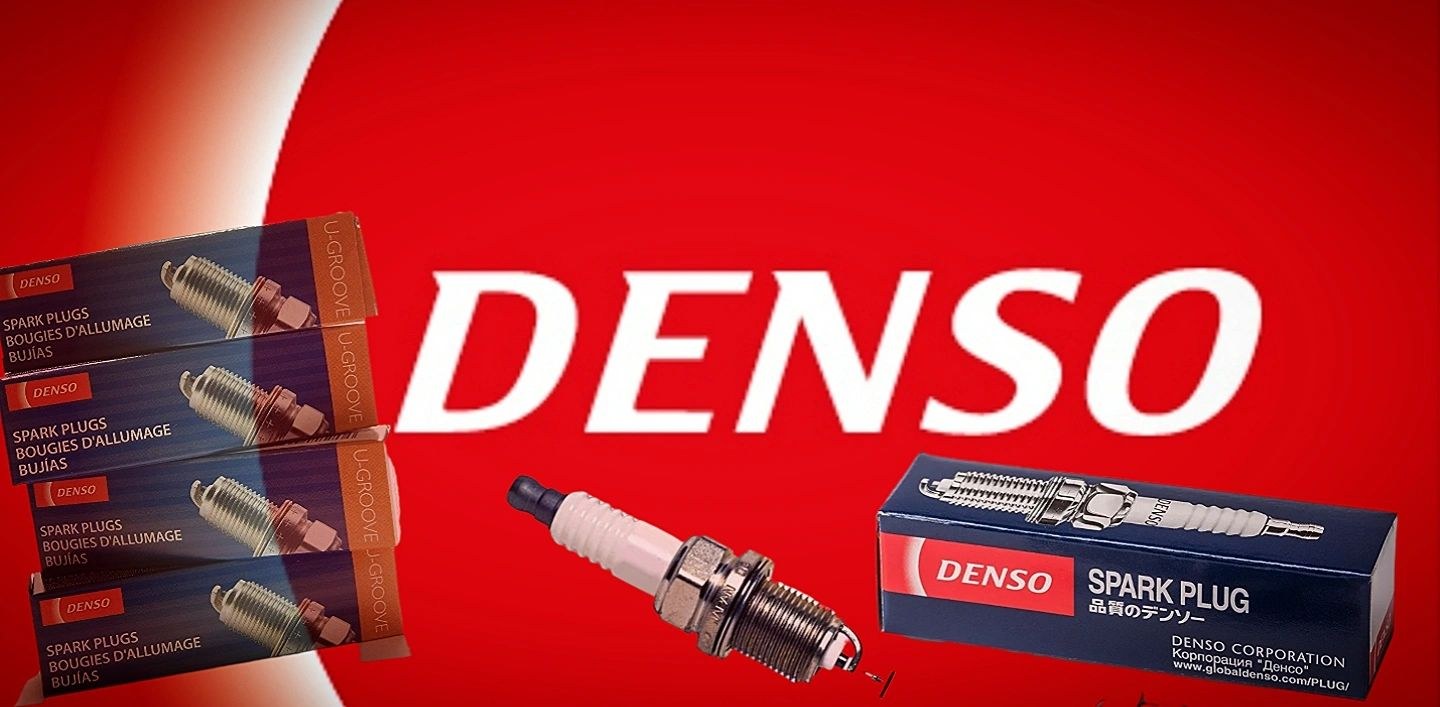 Denso Spark Plugs — 3VZ-E, Set of 6$47.99
New guides, first look at new parts
We publish a guide most weeks and build parts for one truck. If you own a 2nd gen, put your email in and you’ll get both. No filler.
One email at a time, unsubscribe in a click.