2nd Gen 4Runner vs. 1989–1995 Toyota Pickup: What Parts Actually Interchange
By Jay — 2nd gen 4Runner owner & builder, Standard American Outdoors
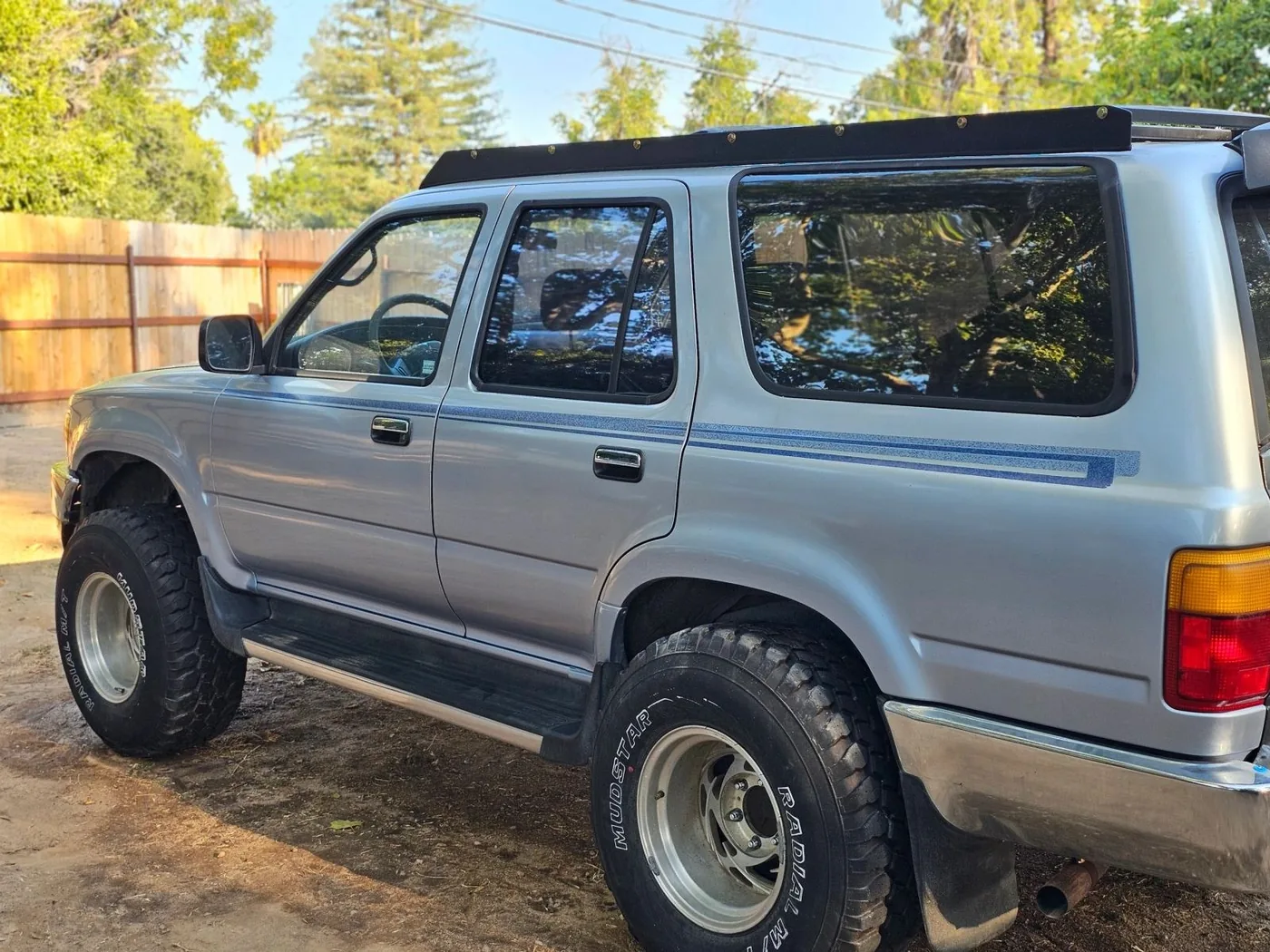
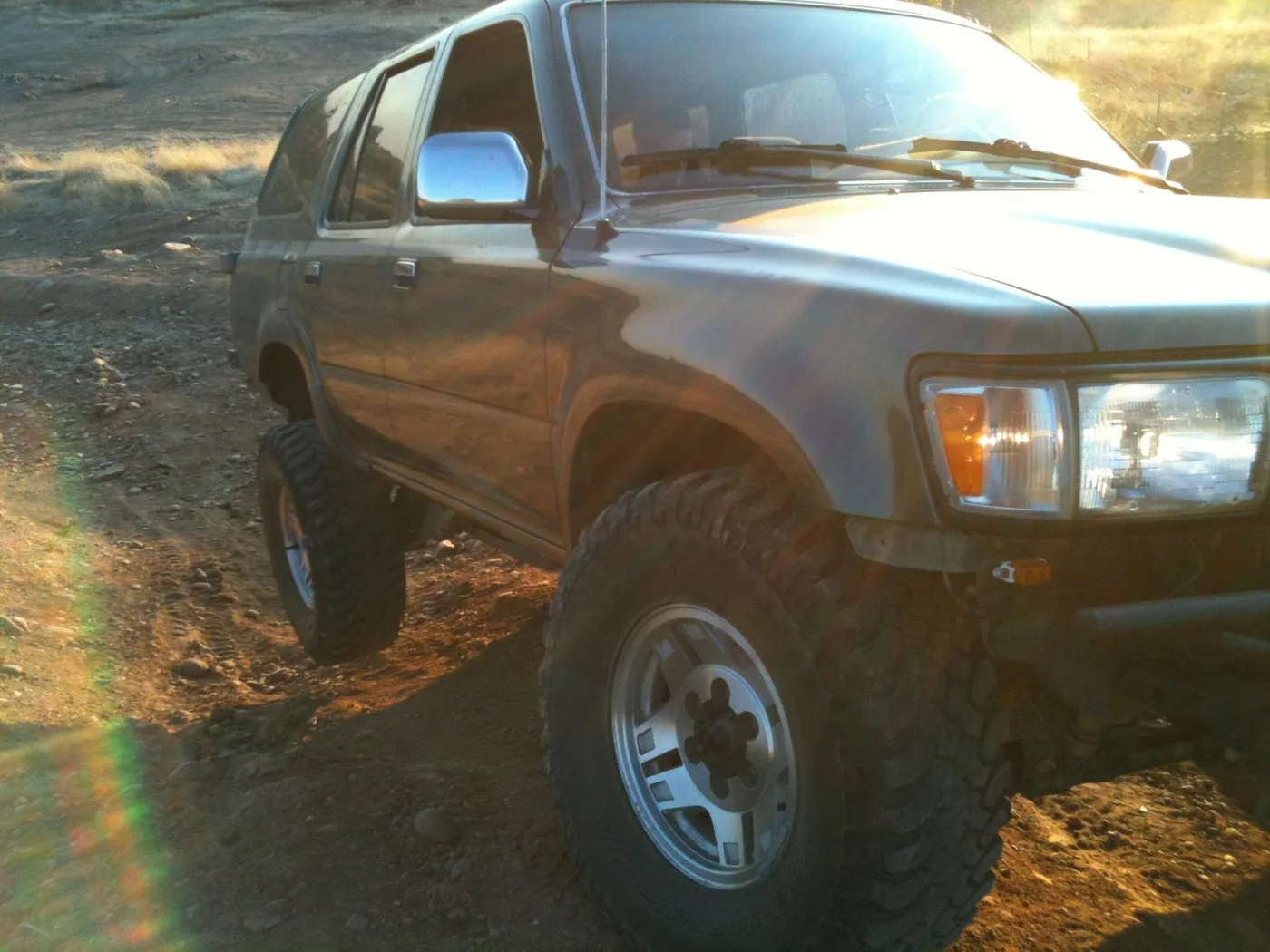
The 2nd gen 4Runner (1990–1995) isn't a separate vehicle from the Toyota pickup Toyota was selling in the same years — it's built on the same platform, sharing the same cab, the same frame heritage, and most of the same running gear. Toyota took the pickup, grafted an SUV body and rear cargo area onto it, made a few running-gear changes, and called it the 4Runner. That shared history is why parts interchange as much as they do between the two trucks.
If you're cross-shopping a 4Runner and a pickup, restoring either one, or picking through a pickup at the yard for parts to keep your 4Runner running, here's the real breakdown of what genuinely interchanges and what doesn't.
Same cab, same platform
Both trucks share the same front clip, cab structure, dash, and front suspension design. The 4Runner's frame carries the pickup's frame heritage, with reinforcement and geometry changes in the rear to carry the SUV body and its rear leaf spring mounts. Up front, they're built the same way.
What interchanges
- Engines — the 22RE four-cylinder and the 3VZE V6 were both available across the 4Runner and the pickup during this era, and the engines themselves are shared between the two trucks.
- Transmissions and transfer cases — the same manual and automatic transmission options, and the same part-time transfer case, were used across both trucks and are largely interchangeable between them.
- Front and rear axle components — differentials, locking hub design, and axle architecture are shared. If you're chasing axle parts, a pickup donor of the right year and drivetrain is a legitimate source.
- Front suspension — torsion bars, control arms, and steering knuckles are common between the two on 4WD models of the same years.
- Brakes — calipers, rotors, and wheel cylinders are shared in most cases, since the suspension and axle setup underneath is the same.
- Dash, gauges, and a lot of the interior — because the cab is the same structure, the dash pad, instrument cluster, and HVAC components largely carry over.
What doesn't interchange
- Body panels — the SUV body, roof, rear quarters, and tailgate or liftgate are 4Runner-specific. There's no getting around this one.
- Rear suspension specifics — the 4Runner's rear leaf springs and mounts are set up differently than the pickup's to handle the SUV body and cargo area, so don't assume a straight swap without checking.
- Driveshaft length and some chassis-mounted brackets — wheelbase and frame differences between the 4Runner and a long-bed or short-bed pickup mean some drivetrain and chassis parts need the correct application, not just the correct year.
- Cab-specific trim — door panels, seat mounts, and rear interior trim differ where the two trucks' interior layouts diverge. A regular cab or Xtracab pickup interior isn't the same as a 4Runner's.
- Bumpers, grille, and exterior trim — styled and mounted differently between the two even where the frame underneath is shared.
A note on SAO parts and fitment
This post is platform education, not a parts pitch. Every product we build — the lift kit, the roof racks, the headlights, all of it — is designed, built, and tested specifically for the 2nd gen 4Runner. We haven't verified fitment on the 1989–1995 pickup, and we don't sell parts for it. If you're hoping to run our gear on a pickup because the platforms are related, don't assume it bolts on. Confirm it yourself before you buy, or ask us before you assume.
Frequently asked questions
Are the 2nd gen 4Runner and the same-years Toyota pickup basically the same truck?
Underneath, yes — same cab, same frame heritage, same engine and drivetrain options. The 4Runner adds an SUV body and cargo area on top of that shared platform.
Can I use pickup parts on my 4Runner?
For a lot of drivetrain, suspension, and interior components, yes, matched to the same year and configuration (2WD or 4WD, engine type). Body panels and some rear-specific chassis parts are the exceptions.
Do SAO products fit the 1989–1995 Toyota pickup?
No, not that we've verified. Our products are designed and tested for the 2nd gen 4Runner specifically. Don't assume fitment on a pickup without confirming it yourself.
What's the easiest way to tell if a part will interchange?
Match year and drivetrain configuration first (2WD vs. 4WD, engine type), then check whether the part is body-mounted or frame and drivetrain-mounted. Frame and drivetrain parts interchange far more often than anything bolted to the body.
New guides, first look at new parts
We publish a guide most weeks and build parts for one truck. If you own a 2nd gen, put your email in and you’ll get both. No filler.
One email at a time, unsubscribe in a click.