2nd Gen 4Runner Wheel Bearing Replacement Guide: Front & Rear
2nd Gen 4Runner Wheel Bearing Replacement Guide: Front & Rear
Front and rear wheel bearings fail the same way but get serviced completely differently on this platform. Here's both.
Front and rear wheel bearings on a 90-95 Toyota 4Runner are different jobs with different tools. How to diagnose and replace both.
The 2nd generation Toyota 4Runner is a beloved vehicle among enthusiasts and daily drivers alike, renowned for its durability and off-road capabilities. However, even the most reliable vehicles require routine maintenance to stay in peak condition. One critical component that often needs attention is the front wheel bearings. If you're experiencing unusual noises or vibrations, it might be time to inspect and possibly replace your front wheel bearings. This guide will help you understand how to check for wear and tear, why Japanese-made wheel bearings are preferred, and how you can easily replace them with minimal tools.
Identifying Worn-Out Wheel Bearings
Before diving into the replacement process, it's essential to determine whether your wheel bearings are indeed in need of replacing. The simplest way to check this is through a physical inspection. To do this, follow these steps:
1. Raise the Vehicle: Use a jack to lift the front of your 4Runner off the ground. Ensure the vehicle is securely supported with jack stands.
2. Check for Play: Grasp the wheel at the 12 o'clock and 6 o'clock positions. Try to move the wheel back and forth. If you notice any significant movement or hear a clicking noise, it indicates that the wheel bearings may be worn out.
3. Spin the Wheel: Additionally, spin the wheel and listen for any grinding or humming noises. These sounds are often a sign of deteriorated bearings.
Why Japanese Wheel Bearings?
When it comes to replacement parts, not all wheel bearings are created equal. Japanese-made wheel bearings, such as those from NSK or Koyo, are often recommended for their superior quality and longevity. These bearings are manufactured to precise standards and are known for their reliability, making them the best choice for your 2nd Gen Toyota 4Runner.
Tools You Will Need
One of the benefits of this maintenance task is that it doesn't require a vast array of tools. Here’s a list of what you’ll need:
- Jack and jack stands
- Lug wrench
- Socket set
- Bearing puller
- Hammer
- Torque wrench
- Grease
Step-by-Step Replacement Process
While a detailed step-by-step guide can be found in various repair manuals, the process can be summarized as follows:
1. Remove the Wheel: Start by removing the wheel to gain access to the brake caliper and rotor.
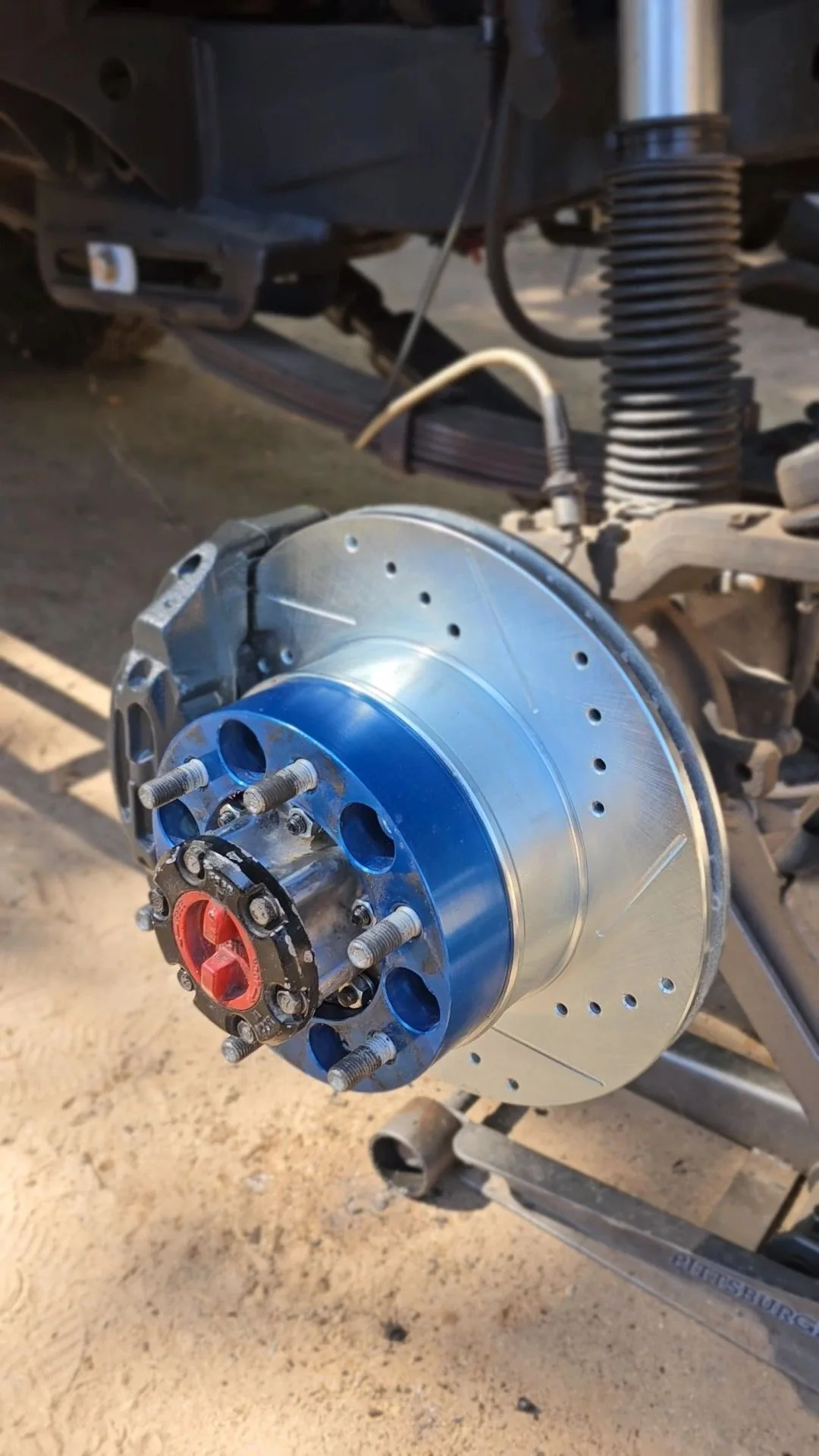
2. Remove the Brake Caliper and Rotor: Unbolt the brake caliper and secure it out of the way. Next, remove the rotor to expose the wheel hub.
3. Access the Wheel Bearings: Remove the dust cap, cotter pin, and locking nut to access the wheel bearings.
4. Remove the Old Bearings: Use a bearing puller to remove the old bearings from the hub.
5. Install the New Bearings: Grease the new Japanese wheel bearings thoroughly before installing them. Press them into the hub using a bearing installer or hammer and socket.
6. Reassemble: Reassemble the components in reverse order, ensuring all bolts are torqued to the manufacturer’s specifications.
Visual Aid
For those who prefer visual instructions, Standard American Outdoors has an excellent video on their YouTube channel. This tutorial provides a comprehensive, step-by-step guide on how to change a wheel bearing on a 2nd gen Toyota 4Runner. Watching this video can be incredibly helpful, especially if you are undertaking this task for the first time.
Conclusion
Maintaining your 2nd Gen Toyota 4Runner by periodically checking and replacing the front wheel bearings can significantly enhance your vehicle's performance and safety. With the right tools and high-quality Japanese wheel bearings, this task is straightforward and can be completed with minimal hassle. Remember to consult visual aids like the video from Standard American Outdoors for additional guidance and confidence as you work on your 4Runner.
Rear Wheel Bearings Are a Different Job
Everything above is the front. The rear is a different animal on this platform: the 90–95 4Runner runs a solid rear axle, and the rear wheel bearing is pressed onto the axle shaft itself rather than serviced inside a hub. You can't just pull a dust cap and repack it — the axle shaft has to come out of the housing, the old bearing has to come off the shaft (usually with a slide hammer/bearing splitter setup, not a puller kit from a socket set), and the new one has to be pressed back on. That last part needs a hydraulic press. It's a real driveway job for someone who already owns or can borrow the right pullers, and a fair one to hand to a shop otherwise — there's less room to improvise than there is up front.
How the symptoms differ: a bad front bearing usually gets louder or changes pitch when you turn, because turning changes the load on each front hub differently. A bad rear bearing hums or growls with road speed and doesn't change much with steering input — if the noise is constant regardless of which way you're turning, look to the rear axle before you assume it's a front hub. The same jack-it-up-and-check-for-play test from the front section still applies; grip the rear wheel at 12 and 6 and feel for movement.
Same rule as the front on bearing quality — don't go cheap on the part that's now pressed on and hard to get back to. The labor to redo it if a budget bearing fails early costs more than the money a name-brand one would have saved.
How to video here.
how to change a wheel bearing. 4runner wheel bearing.
Sorting the stance? We build the complete 3" lift kit for the 90–95 trucks.
New guides, first look at new parts
We publish a guide most weeks and build parts for one truck. If you own a 2nd gen, put your email in and you’ll get both. No filler.
One email at a time, unsubscribe in a click.