How Many Miles Will a 95 4Runner Last? 300,000+
How Many Miles Will a 95 4Runner Last? 300,000+ Miles (1990–1995)
The 2nd gen Toyota 4Runner is famous for going the distance — but a 30-plus-year-old truck doesn't stay reliable by accident. The difference between a 4Runner that nickel-and-dimes you and one that cruises past 300,000 miles comes down to consistent, informed maintenance. This guide walks through everything that keeps a 2nd gen healthy, the intervals that matter most, and the known weak points to stay ahead of. Bookmark it as your ongoing maintenance reference.
The Big Picture: Why These Trucks Last
The 2nd gen was overbuilt by design, with simple, robust mechanicals that respond well to basic care. The trucks that fail early almost always fail from neglect — skipped fluid changes, ignored cooling systems, or deferred maintenance that snowballs. Stay ahead of the wear items and your 4Runner will reward you with the legendary longevity these trucks are known for.
Engine Oil: The Foundation
Nothing protects your engine like clean oil changed on schedule. On a high-mileage 2nd gen, regular oil and filter changes are the single most important habit you can build. Use a quality oil of the correct weight for your climate, don't stretch the intervals, and check your level regularly — these older engines can consume a little oil between changes, and running low is far more damaging than the cost of topping off.
Cooling System: Critical, Especially on the 3.0L
If there's one system that deserves obsessive attention on a 2nd gen, it's cooling — particularly on the 3.0L V6, which is sensitive to overheating and where an overheating event can lead to the head gasket failures these engines are known for.
Stay on top of it: replace your coolant on schedule (and use the correct type — the wrong coolant can erode gaskets over time), inspect the radiator, hoses, and water pump for leaks and age, and replace the thermostat if there's any doubt. Watch your temperature gauge religiously and address any creeping temps immediately. A healthy cooling system is the best insurance you can give either engine, and it's cheap compared to what overheating costs.
Timing Belt vs. Timing Chain: Know Which You Have
This is a crucial distinction on the 2nd gen, because the two engines are different:
- The 2.4L 22RE four-cylinder uses a timing chain, replaced every 90,000–100,000 miles. Toyota doesn't print a hard interval the way it does for a belt, but the plastic guides harden and crack with age — and a broken guide lets the chain saw through the timing cover into a coolant passage. Listen for a rattle on cold start.
- The 3.0L 3VZE V6 uses a timing belt, which must be replaced on schedule — every 90,000–100,000 miles. This matters: because it's an interference engine, a snapped belt can cause serious internal engine damage. Always replace the water pump at the same time as the belt, since you're already deep into the front of the engine and the labor overlaps almost entirely. Doing both together is standard practice and saves you from repeating the job.
If you own a 3.0L and don't know when the belt was last done, treat it as due. It's the kind of deferred maintenance that turns into a destroyed engine.
Transmission and Driveline Fluids
Fresh fluid keeps your drivetrain alive. Service the automatic transmission fluid (and filter) to keep shifts crisp and the transmission cool — and use the correct ATF type, taking care not to overfill. Don't forget the often-neglected fluids: the front and rear differentials, the transfer case, and (on manual trucks) the transmission gear oil. These are cheap to service and catastrophic to ignore. If your off-road or tow your 4Runner, service these more often, since hard use and water crossings accelerate contamination.
Front-End and Steering Components
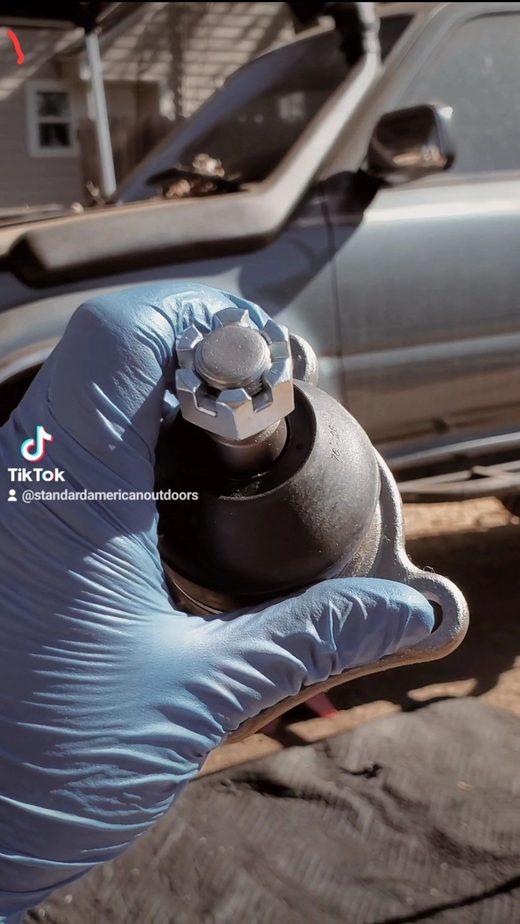
The 2nd gen's front suspension has a few known wear points that affect both safety and how the truck feels on the road. Ball joints, tie rod ends, idler and pitman arms, and the steering rack bushings all wear gradually enough that you stop noticing — the truck just feels vague, wanders a little, and you adapt to it. Get it on a lift once a year and have someone actually check for play. A worn front end also eats tires, so the parts often pay for part of themselves.
Same story with CV axles: inspect the boots. A torn boot slings its grease, takes in grit, and turns a cheap rubber part into a clicking axle replacement. Catch it while it is still a boot.
The head gasket question — and the campaign most owners do not know about
If you have the 3.0L V6, the head gaskets are the elephant in the room. What a lot of owners do not know is that Toyota ran a Special Service Campaign on this engine — the V06 campaign — covering roughly 1990 through early 1995 trucks, 4Runners and T100s, replacing head gaskets whether or not they were currently leaking.
That matters for two reasons. If you are shopping for a truck, a Toyota dealer can check by VIN whether the campaign work was ever performed. And if you already own one with no record of it, treat the gaskets as unknown and price your plans accordingly. The cooling system advice above stops being general maintenance and becomes the thing standing between you and a head job.
The 22R-E cold start rattle is not cosmetic
On the four-cylinder, the timing chain guides are plastic, and after decades they wear. The symptom is a rattle for a second or two on cold start that goes away once oil pressure comes up. It is easy to live with, and that is the trap.
A loose chain eventually wears into the timing cover, and behind that cover is a coolant passage. Once the chain gets through, you have coolant in your oil — and a routine timing chain job has become an engine job. If your 22R-E rattles on startup, put a chain kit with steel-backed guides on the calendar rather than on the someday list.
Rust is what actually kills these trucks
More 2nd gens have died from rust than from every mechanical failure on this page combined. The drivetrain will happily run to 300,000 miles. The question is whether the body and frame come along for the ride.
Check every year, and check honestly:
- Frame rails — especially on any truck that lived where roads get salted
- Rear wheel arches and quarter panels — the classic 2nd gen rust spot
- The tailgate, particularly around the window mechanism
- Body mounts
If you are buying: a rusty truck with a tired engine is a worse deal than a clean truck with a blown head gasket. Engines can be fixed. The frame is the truck.
If you are keeping: wash the underside after winter, fix paint chips before they spread, and put a yearly underbody look-over on the calendar the same way you would an oil change.
The tailgate power window
The famous 2nd gen quirk. Before assuming the worst, check the simple things: the rear wiper needs to be fully parked, the child-lock button needs to be off, and the fuse needs to be good. When it is a genuine failure, it is most often the relay or the window motor — both fixable, both well documented by owners who have been there.
The maintenance item nobody counts as maintenance
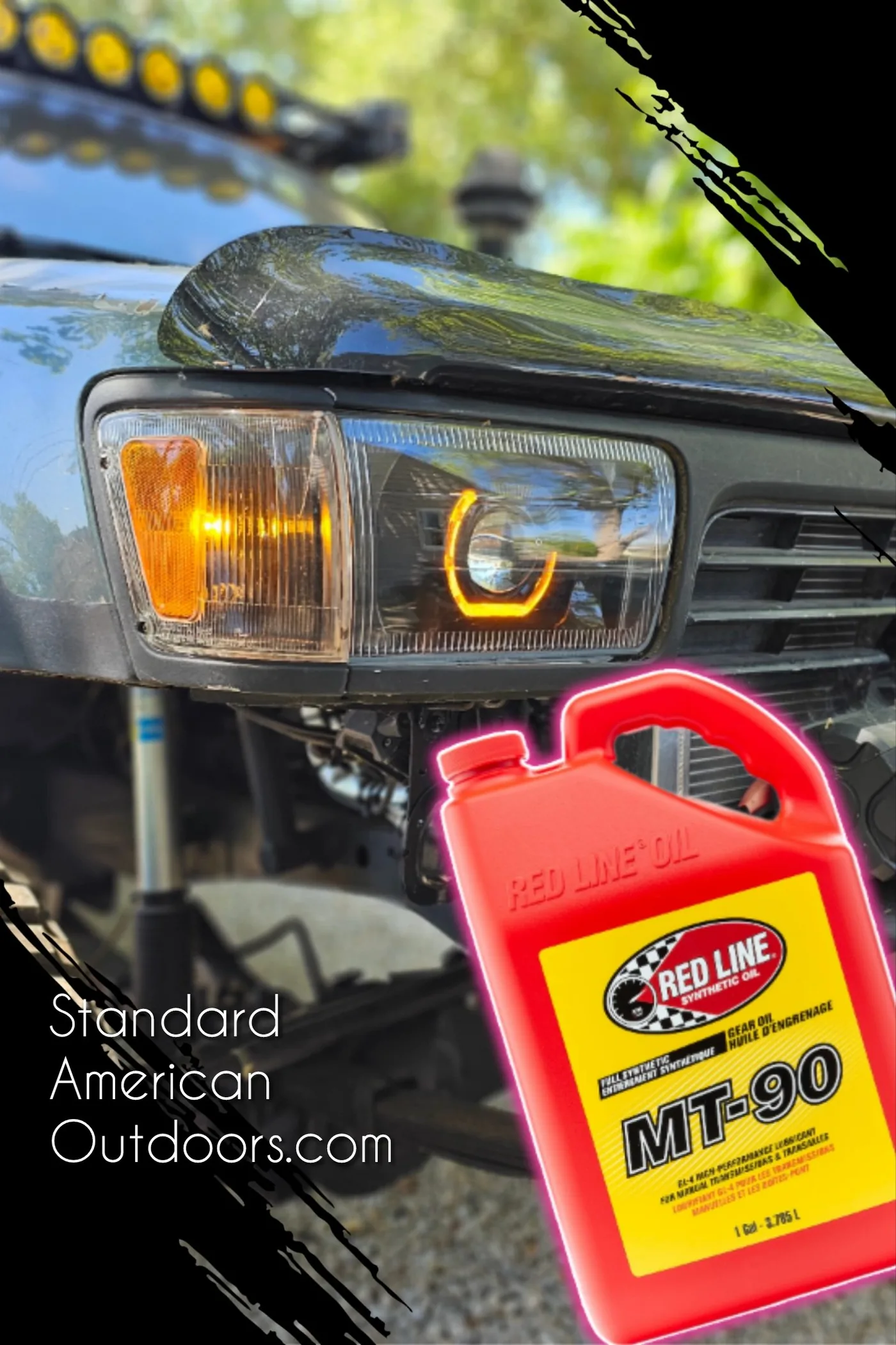
The factory lighting on these trucks was marginal when they were new, and thirty years of hazing and corrosion have not helped. If you drive your 2nd gen at night, headlights are a safety item before they are a style item — which is exactly why we started building LED projector headlights for them. Those fit 92–95; if you have a 90 or 91, message us before buying anything.
The mindset
Trucks that reach 300,000 miles are not the ones that never broke. They are the ones whose owners fixed small things while they were still small. A torn CV boot ignored becomes an axle. A skipped coolant flush becomes a head gasket. A cold start rattle ignored becomes a timing cover. The 2nd gen will give you 300,000 miles — it just makes you earn it a few hundred dollars at a time instead of all at once.
Working through one now and have a question about yours? Get in touch. Fitment answers and honest opinions are free.
Frequently asked questions
Are parts still available for the 2nd gen 4Runner?
Better than you would expect for a 30-year-old truck. Toyota still supports a surprising amount, the aftermarket covers most of the rest, and small shops build what nobody else makes anymore.
Which engine should I look for when buying?
If you want maximum simplicity and do not mind modest power, the 22R-E is about as durable as four-cylinders get once the timing chain is sorted. If you want the V6, look for a truck with documented head gasket work — campaign or otherwise — and price accordingly when there is no record. There is no wrong answer here, only unserviced examples of both.
Is the 2nd gen a good overlanding platform?
One of the best budget platforms there is: simple, fixable anywhere, and sized right for trails that full-size rigs cannot run. Our build guide walks the progression from stock.
How do I install a roof rack on one?
We wrote the full step-by-step, including drilling, rivnuts and sealing: how to install a roof rack on a 2nd gen 4Runner.
What about the automatic transmission?
It's one of the tougher parts of the truck, but not invincible — see our automatic transmission care guide for the warning signs worth knowing before they become a rebuild.
22RE Engine parts for the 2nd gen
Built for the 1990–1995 4Runner. See all 22re engine parts and guides →
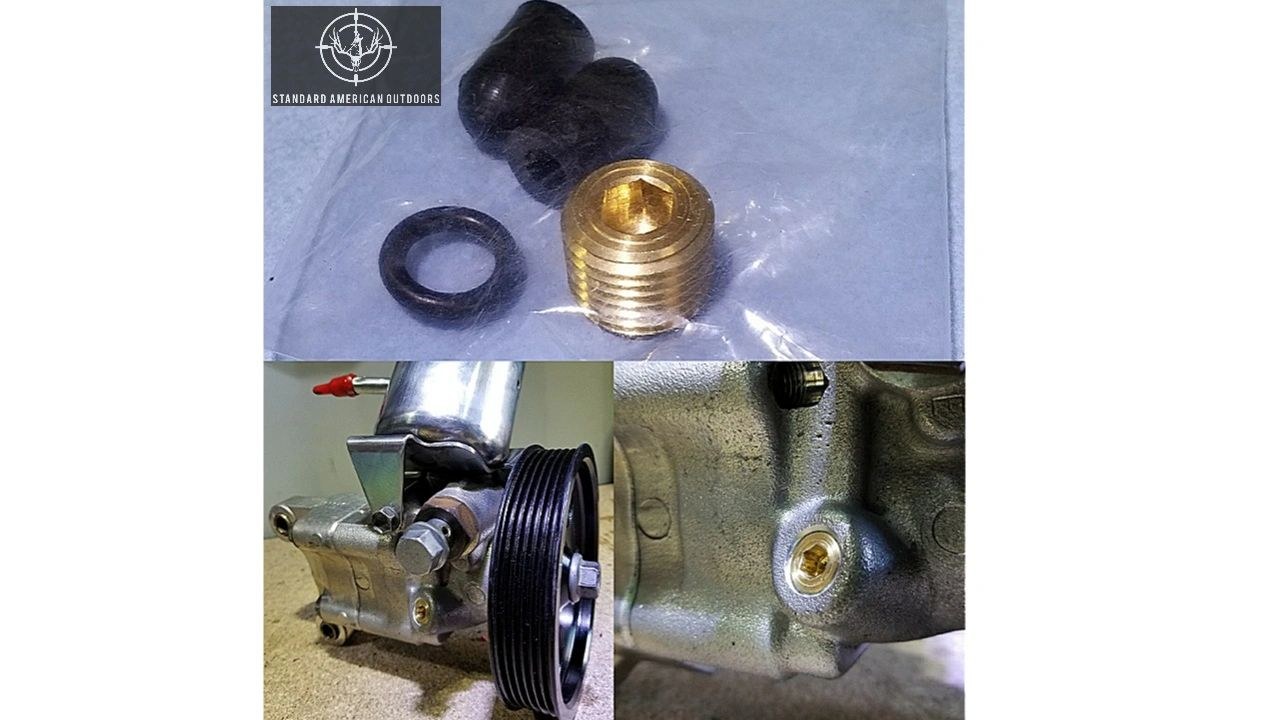 Power Steering Idle Up Valve Delete Kit for 3VZ, 22R
New guides, first look at new parts
We publish a guide most weeks and build parts for one truck. If you own a 2nd gen, put your email in and you’ll get both. No filler.
One email at a time, unsubscribe in a click.