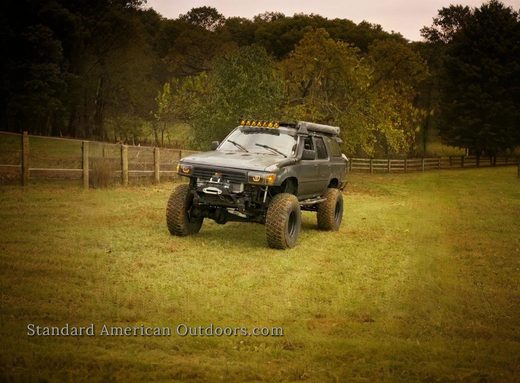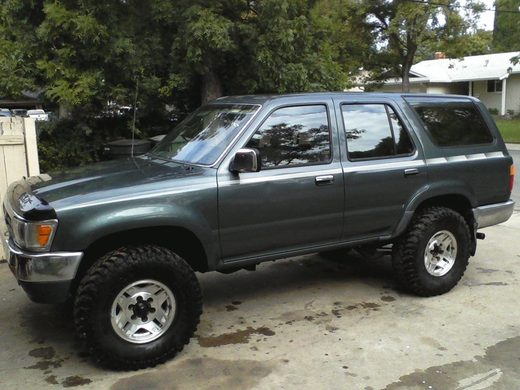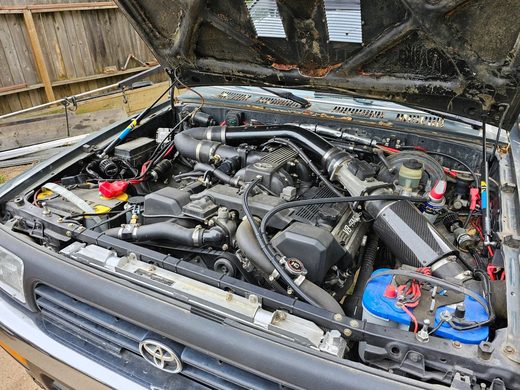
Buying a 2nd Gen 4Runner? The Rust Inspection Checklist
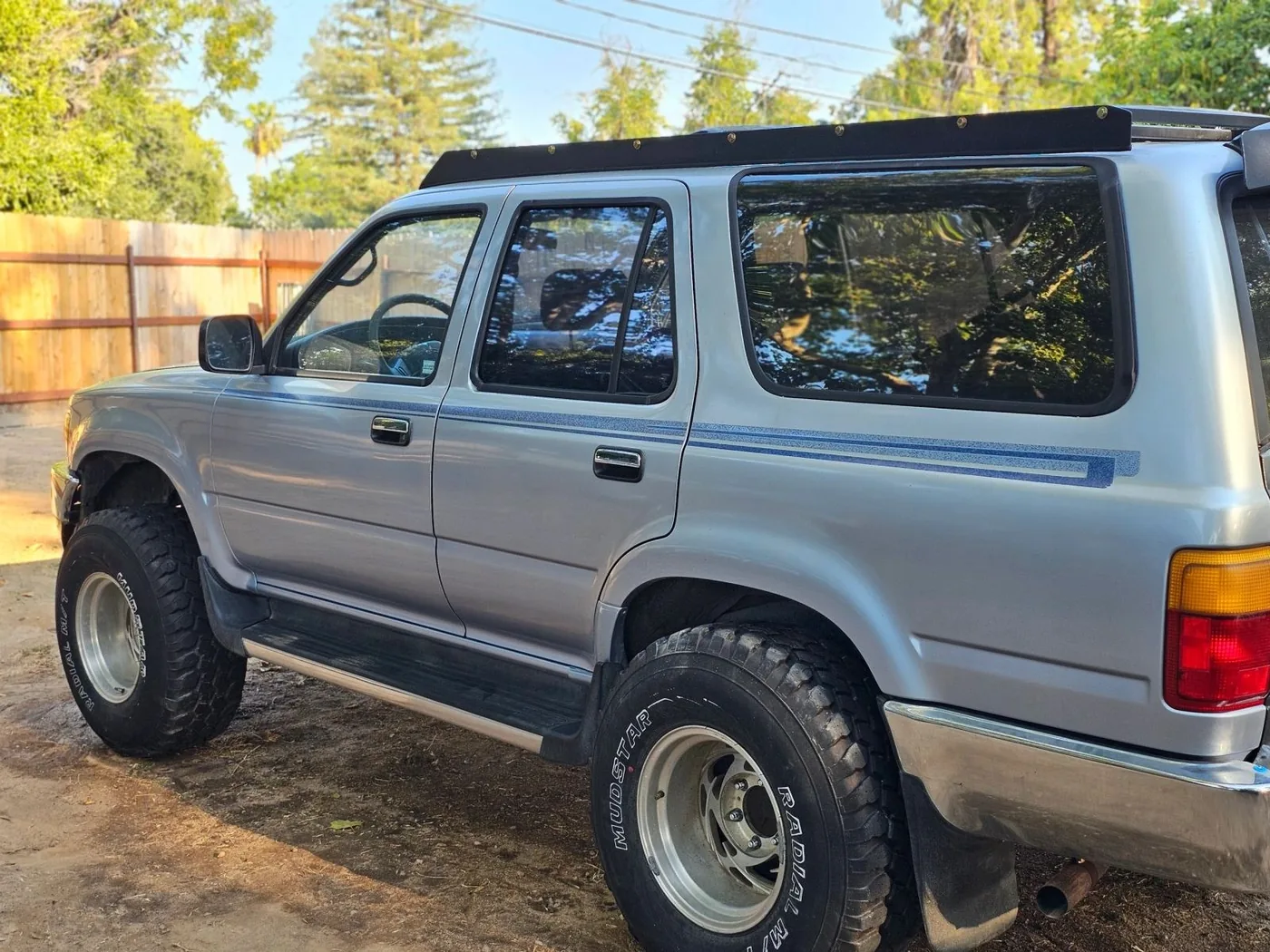
Rust decides the price
Engines can be rebuilt and interiors reupholstered, but a rotten frame turns a project into a parts truck. When you're looking at any 2nd gen, rust is the first inspection, not the last — and the seller's photos never show the spots that matter.
Bring a flashlight, wear clothes you can crawl in, and carry something to tap with. Surface scale is normal on a thirty-year-old frame; what you're hunting is flaking layers, soft spots, and holes.
The checklist, in order
Frame rails, especially the rear half: sight down each rail and tap anywhere that looks scaly. Crusty flakes that shed under a tap deserve a screwdriver poke — if it goes through, walk away or price it as a parts truck.
Body mounts and their surrounding sheet metal, where trapped mud holds moisture for decades.
Rear wheel arches and lower quarters: bubbling paint at the arch lip means it's worse underneath than on top.
The tailgate's lower seam, where drain holes clog and the gate rots from inside out — doubly annoying on a 2nd gen because the gate is half the truck's personality.
Under the battery tray (acid plus moisture), the front fender bottoms behind the mud flaps, and the spare tire crossmember.
Finally, check that the rear window drains and door bottoms are clear — clogged drains are how tomorrow's rust gets started.
Verdict framework
Clean frame with cosmetic surface rust: buy it, treat it, enjoy decades. Localized rot in bolt-on sheet metal: negotiate — panels exist. Frame perforation or crumbling mounts: it's a parts truck at parts-truck money, no matter how nice the paint is. There are still solid ones out there; patience is cheaper than welding.
Sorting the stance? We build the complete 3" lift kit for the 90–95 trucks — shipped from Delaware.
What you're actually looking for
Not all rust is the same, and knowing the difference is the whole skill.
Surface rust is orange, flat, and cosmetic. Every 30-year-old truck has it. It's not a reason to walk.
Scale is layered and flaky, and it lifts off in sheets when you tap it. It means the metal underneath has been converting for years. Worth pricing in.
Rot is soft. A screwdriver goes through it. That's not corrosion anymore, that's an absence of truck.
Bring a small flashlight, something to tap with, and a screwdriver you don't mind using as a probe. Tap, listen for a dull thud instead of a ring, and probe anything that sounds wrong.
Where the water actually sits
Rust follows water, and water follows gravity into places that never dry out. That's why the checklist is what it is — every spot on it is somewhere mud, leaves, or road spray get trapped against bare metal.
Pay attention to the difference between a truck that lived in the salt belt and one that didn't. A southern or western truck with surface scale is usually fine. A midwestern or northeastern truck with the same surface appearance may have a completely different story underneath, because the salt worked from the inside out.
The buying math
Here's the framing that keeps people out of trouble: mechanical problems have prices, rust problems have ranges.
A blown head gasket is a known job with a known cost. A rusty frame is an unknown that grows every time you touch it — the bolt you need to remove shears off, the mount you need to weld to isn't there anymore, and a weekend job becomes a month.
So a clean truck with a tired engine beats a rusty truck with a fresh one, almost every time. Buy the body, fix the mechanicals.
Frequently asked questions
Is frame rust ever repairable?
Sometimes, by someone who welds well, at a cost that often exceeds what the truck is worth. Get it assessed by a shop before you commit, not after.
How do I protect a clean one?
Wash the underside after winter, keep the drains clear, fix paint chips before they spread, and look at it once a year with a flashlight. Undercoating is a longer conversation — done badly, it traps moisture and makes things worse.
Are 4x4 trucks worse than 2WD for rust?
Not inherently — but trucks that were actually used off-road pack mud into places that hold moisture for years. Check the frame rails and body mounts hard on any truck with trail history.
New guides, first look at new parts
We publish a guide most weeks and build parts for one truck. If you own a 2nd gen, put your email in and you’ll get both. No filler.
One email at a time, unsubscribe in a click.