3VZE Running Hot? The Overheating Diagnosis Chain
Don't skip to the scary answer
Every 3VZE owner who watches the temp needle climb thinks the same two words. Sometimes it is the head gasket — but a lot of "failing gaskets" turn out to be a forty-dollar cooling part. Work the chain in order and let the evidence decide.
Step one is embarrassing but essential: is the coolant actually full, at the radiator, checked cold? The overflow tank can read fine while the radiator itself is low. If you're losing coolant with no external leak, that does point toward the gasket conversation — read our head gasket symptoms guide alongside this one.
The chain, in order
The fan clutch. With the engine off and cool, spin the fan by hand — it should resist and stop within about a turn. A fan that free-spins like a toy is done, and a dead fan clutch is one of the most common 3VZE overheat causes, showing up worst at idle and low speed with temps recovering on the highway.
The thermostat. Cheap, buried, and famous for sticking. Overheats that come on fast from cold, or wild temperature swings, smell like a thermostat. Replace with an OEM-style unit — this is not the part to save four dollars on.
The radiator. Three decades of scale narrows those cores. If the tanks show crust, the fins crumble, or the truck only overheats towing or climbing, airflow and capacity are your issue. While you're there, confirm the radiator cap holds pressure — a weak cap lowers the boiling point of the whole system and mimics bigger problems.
The timing. An engine running retarded timing runs hot. If the truck has been fiddled with, verify base timing is set to spec before condemning hard parts.
Reading the verdict
If every link in the chain checks out and the truck still loses coolant or overheats, then you've earned the gasket conversation honestly — no guessing, no parts cannon. And if a fan clutch or thermostat fixes it? You just saved four figures with an afternoon of methodical work. That's the whole 2nd gen ownership experience in one story.
Due for a tune-up? We build OEM-spec 3VZE spark plugs for the 90–95 trucks — shipped from Delaware.
Why this one matters more than any other code
On a 3VZ-E, overheating isn't a comfort issue — it's the event that takes out head gaskets. These engines had a bad enough reputation for it that Toyota ran a Special Service Campaign (V06) covering roughly 1990 through early 1995 trucks, replacing head gaskets whether or not they were leaking at the time.
If you're buying, a Toyota dealer can check by VIN whether the campaign work was ever done. If you already own one with no record, treat the cooling system as the thing standing between you and a head job — because it is.
Work it in order
Coolant level and condition first. Low is obvious; the condition tells a story. Brown, oily, or with a film on top means you may already be past a cooling problem and into a gasket problem.
Then the radiator cap. A cap that won't hold pressure lowers the boiling point of the whole system. It's the cheapest part on this list and it fails silently.
Then the thermostat. Stuck closed is the classic. If the upper hose stays cold while the temperature climbs, the thermostat never opened.
Then flow. A radiator that's clogged internally can look perfect from outside. Big temperature swings between the top and bottom of the radiator, or a truck that runs fine cold and cooks in traffic, point here.
Then the fan and clutch. If it overheats at idle or in traffic but is fine at highway speed, you're moving air poorly. A fan clutch that spins freely when the engine is hot is done.
Then the water pump. Weeping from the pump's weep hole, or noise from the front of the engine, is your answer.
Symptom patterns worth knowing
Hot in traffic, fine on the highway — airflow. Fan clutch, shroud, or a bug-packed radiator face.
Fine in traffic, hot on the highway — flow or capacity. Radiator, water pump, or thermostat.
Climbs fast from cold — thermostat stuck closed, or air trapped in the system after a recent service.
White smoke, sweet smell, or the overflow bottle filling and emptying — stop chasing the cooling system. That's combustion pressure in the coolant, and it's a gasket conversation.
Frequently asked questions
Can I just run a bigger radiator and be done?
It helps, but it isn't a diagnosis. If the actual fault is a failed fan clutch or a bad cap, more radiator just delays the same outcome.
How hot is too hot?
These trucks have a factory gauge, not a number. What matters is where your needle normally sits — learn that, and treat any lasting departure from it as urgent. Waiting for the needle to bury is waiting too long.
Should I use the green stuff or the red stuff?
Use the coolant type specified for the engine and don't mix types. The wrong coolant attacks gaskets and seals over time, which is a slow way to cause the exact failure you're trying to avoid.
3VZ-E Engine parts for the 2nd gen
Built for the 1990–1995 4Runner. See all 3vz-e engine parts and guides →
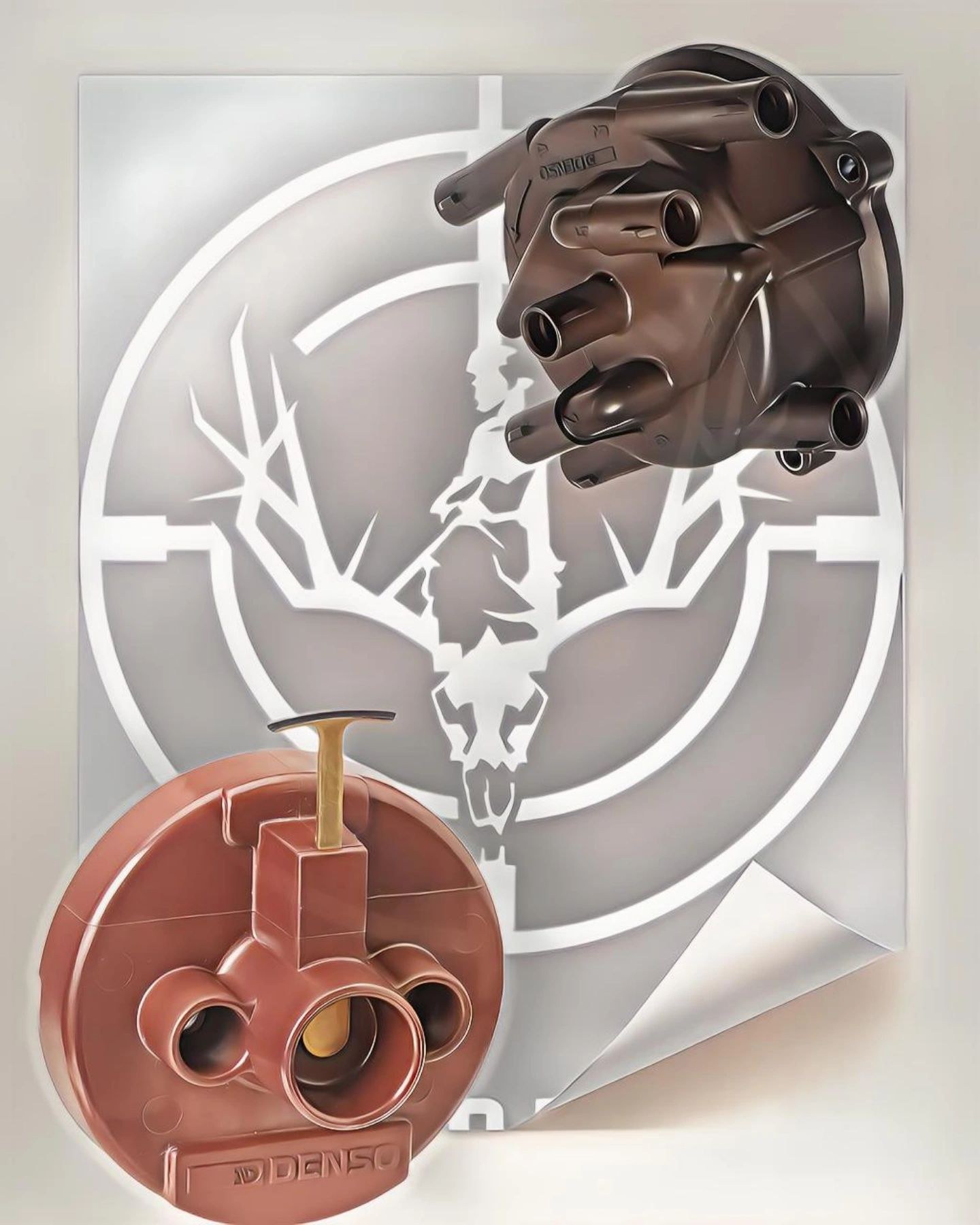 3vze Denso Distributor Cap and Rotor
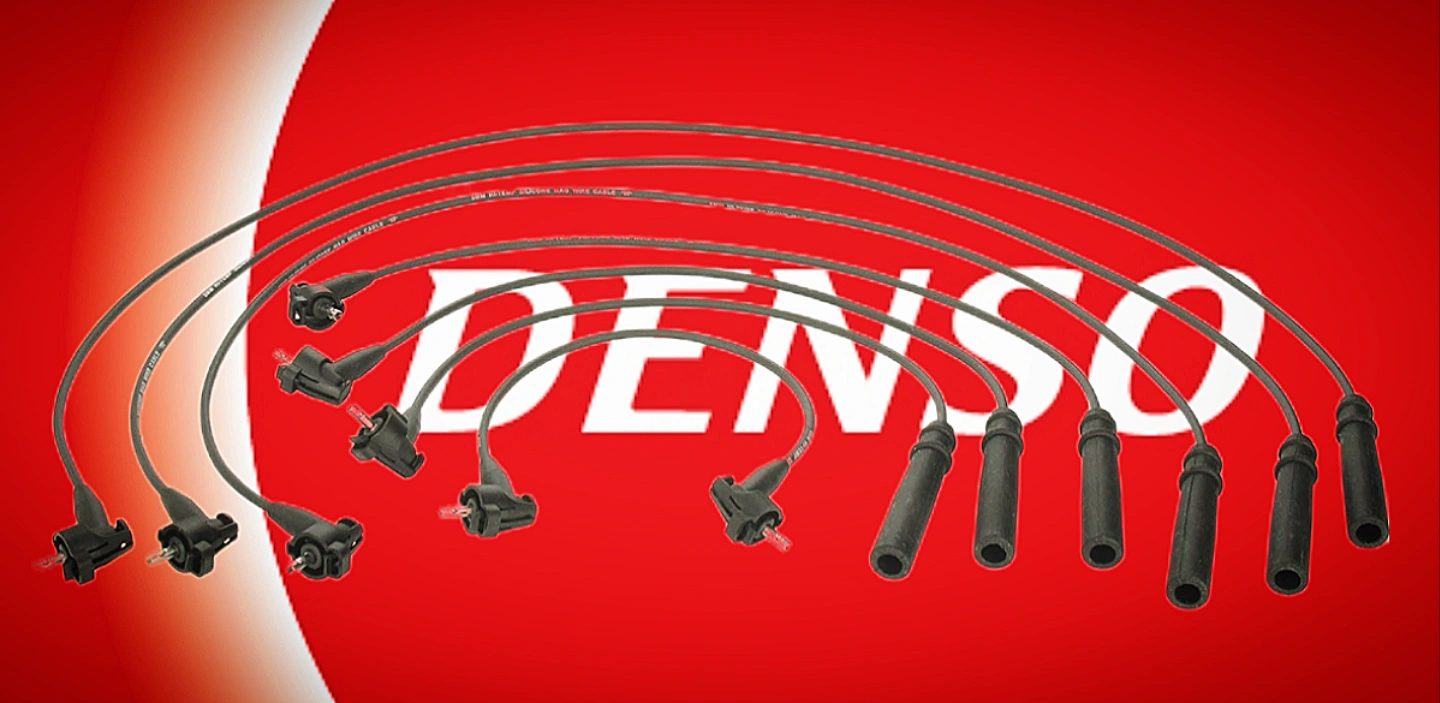 3vze v6 Denso spark plug wires
New guides, first look at new parts
We publish a guide most weeks and build parts for one truck. If you own a 2nd gen, put your email in and you’ll get both. No filler.
One email at a time, unsubscribe in a click.