22RE Timing Chain: The Rattle, the Guides, and the Job Done Right
The replacement interval: 90,000–100,000 miles
Toyota does not print a hard interval for the 22RE timing chain the way it does for a belt, which is why you will find owners on forums claiming 200,000 miles on the original. Some of them are telling the truth. But the general recommendation — and the one to plan around — is to replace the chain and guides at 90,000 to 100,000 miles.
Two things wear out, and they wear out together:
- The plastic guides. They harden, crack, and shed pieces. Once a guide breaks, the chain runs unsupported and starts slapping.
- The hydraulic tensioner. It slowly starts to fail over time. That is the part most people forget — a chain can be in decent shape and still rattle because the tensioner behind it is on its way out.
Proper oil changes help reduce the chance of that tensioner failure. A truck with a spotty oil history is far more likely to rattle early. Clean oil, on time, is the cheapest timing chain insurance there is.
If you are buying a 22RE truck and the seller cannot tell you when the chain was last done, assume it is due and price the job in. If you own one past 100k with no record of the job, the cold-start rattle in the next section is what you are listening for.
The 22RE has exactly one famous weakness, and this is it. The timing chain itself is stout — it's the plastic chain guides that age, crack, and break, and when the driver's-side guide lets go, the chain slaps the timing cover until it wears through into the coolant passage. That's the whole 22RE horror story: a cheap plastic part, ignored, turning into coolant in the oil.
The sound that starts it
A worn chain announces itself as a rattle on cold start — a few seconds of clatter from the front of the engine before oil pressure tensions everything, fading as it warms. Early on it's seconds; later it's constant. A steady death-rattle at idle means a guide has likely already broken and the chain is riding metal. The sooner you act after the first cold rattle, the more this stays a maintenance job instead of a rescue.
Why the guides fail
Heat cycles make the factory guide plastic brittle over decades, and a slightly stretched chain whips harder against them. Stretched chain plus brittle guides is the failure pair — which is why the job is always chain, guides, and tensioner together. Replacing any one piece around old partners is how the rattle comes back.
Single-row vs dual-row, honestly
The aftermarket sells dual-row conversion kits with steel-backed guides, and the community argument for them is durability. The honest notes: quality matters more than row count — a good single-row kit with steel guides outlasts a bargain dual-row — and dual-row kits raise clearance questions at the cover that people search about constantly, so dry-fit and verify before final assembly. Either path beats what's in there now.
The access question everyone asks
The most-searched version of this job is "timing cover without removing the oil pump or water pump" — and the honest answer is that shortcuts here have a cost. The cover, pump surfaces, and oil pan all share sealing edges, and the ugly failure mode of a hurried job is a fresh chain behind a leaking cover. If the water pump and front seals are old, they're staring at you with everything apart; the labor is already paid. Do the region once.
While the front of the engine is open
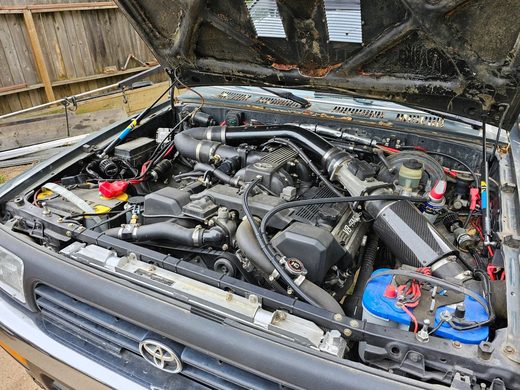
Inspect the cover's inside face for chain wear grooves (deep grooves near the coolant passage = you caught it in time or barely), replace the front crank seal, and look hard at the coolant pipes living in the same neighborhood. This whole job slots into baseline maintenance before any build spending — same philosophy as the 300,000-mile playbook.
Frequently asked questions
How urgent is a cold-start rattle on a 22RE?
Treat it as a countdown. A few seconds of cold rattle means wear; constant rattle means a guide is likely broken and the chain can wear into the coolant passage. Sooner is dramatically cheaper.
Can I just replace the broken guide?
No — a stretched chain broke that guide and will break the next one. Chain, guides, and tensioner are one job, always together.
Is a dual-row conversion worth it?
Kit quality beats row count. Steel-backed guides are the real upgrade either way, and dual-row kits require verifying cover clearance during assembly.
What happens if I ignore it?
The chain saws through the timing cover into the coolant passage — coolant in the oil, possible overheating, and a repair bill several times the chain job. It's the 22RE's one classic catastrophic failure.
22RE Engine parts for the 2nd gen
Built for the 1990–1995 4Runner. See all 22re engine parts and guides →
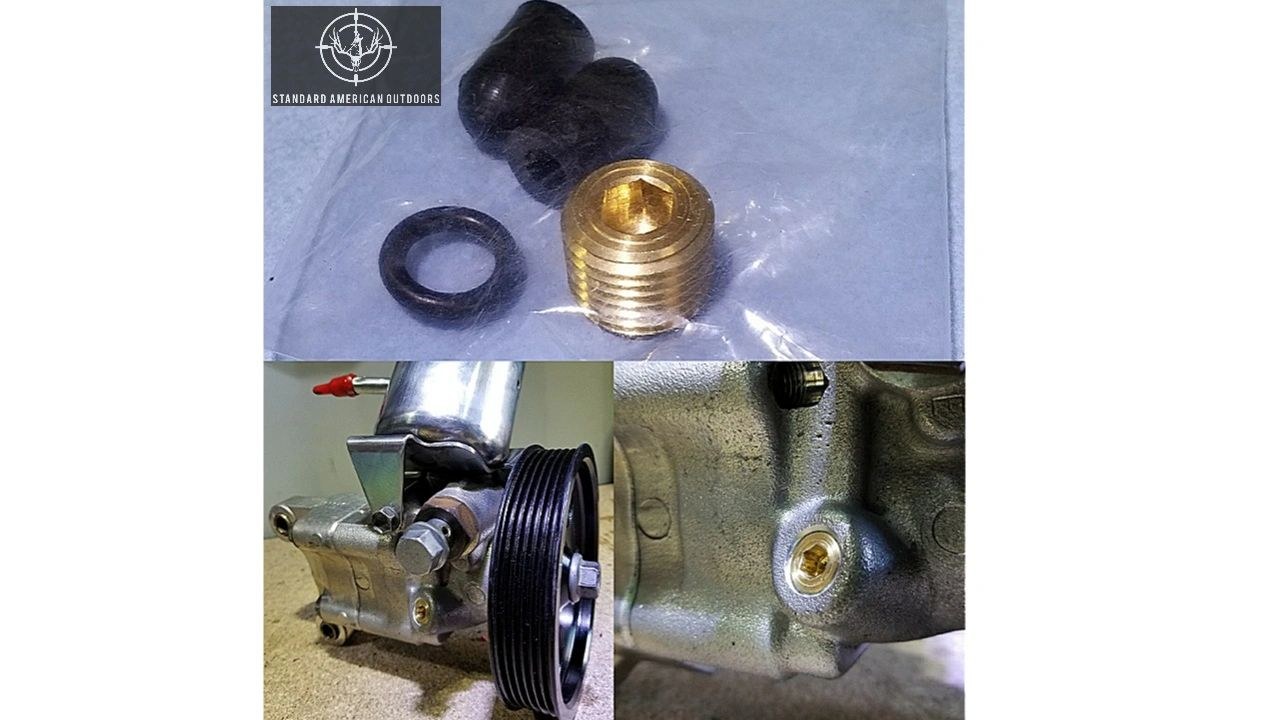 Power Steering Idle Up Valve Delete Kit for 3VZ, 22R
New guides, first look at new parts
We publish a guide most weeks and build parts for one truck. If you own a 2nd gen, put your email in and you’ll get both. No filler.
One email at a time, unsubscribe in a click.