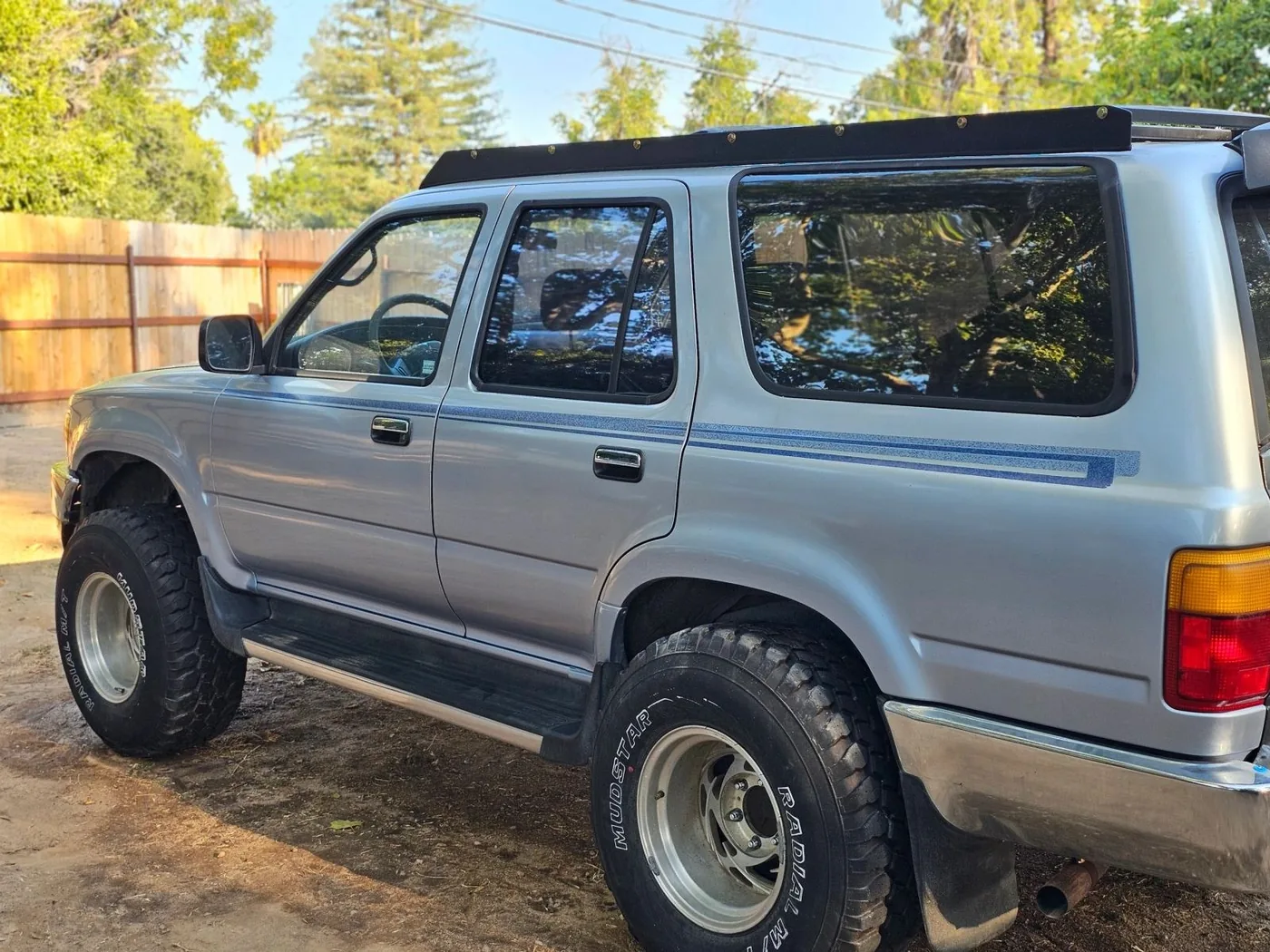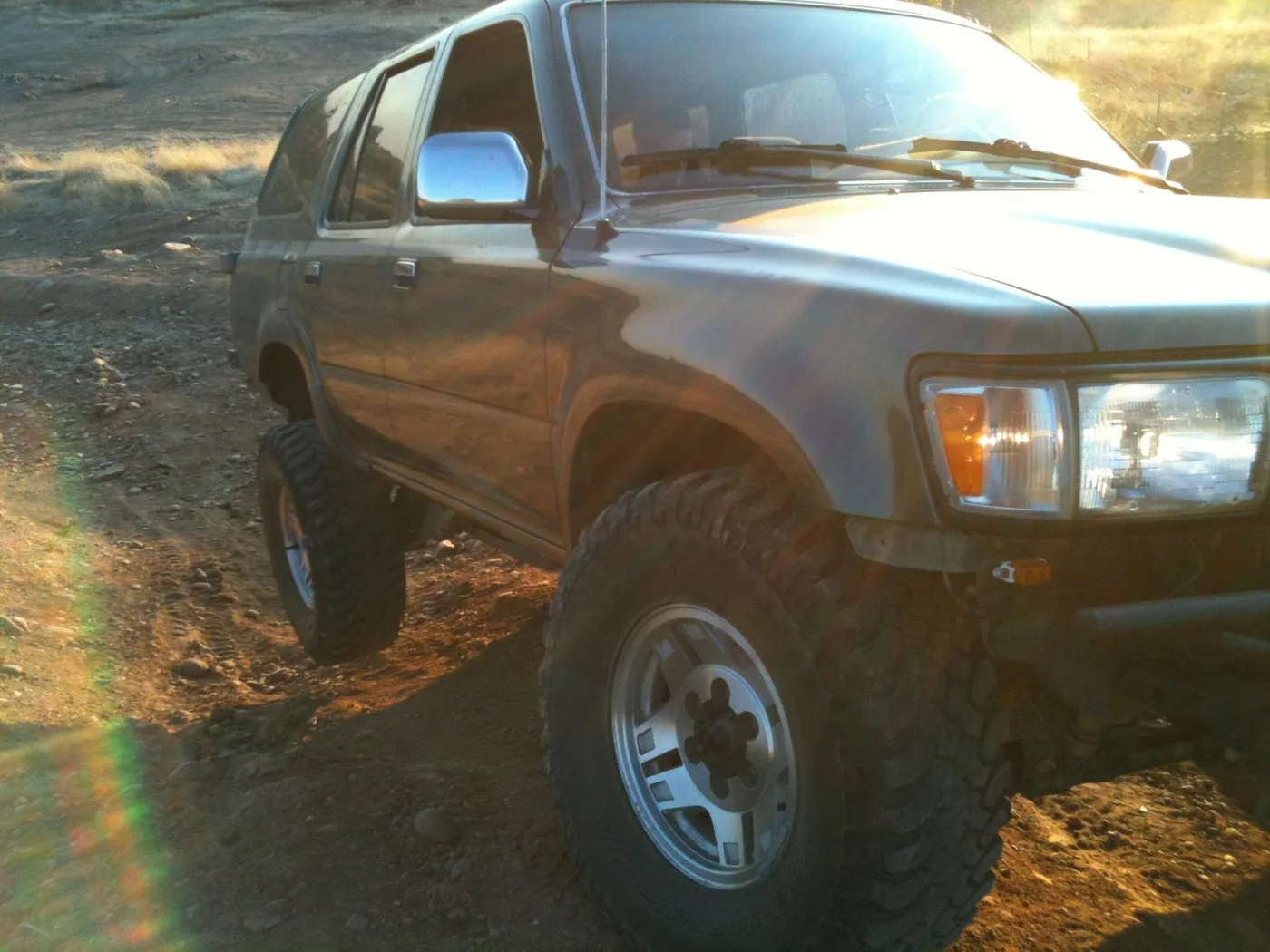
2nd Gen 4Runner Smog Check Guide: OBD1 Testing, EGR Mods & What Fails
Every 2nd gen 4Runner (1989–1995) predates OBD-II, which the US didn't require until the 1996 model year. There's no standardized 16-pin port under the dash and no generic scan tool that talks to it the way it would to a newer truck — codes come out as check-engine-light blinks, counted by hand, not a plug-in readout.
Why these trucks test differently than anything built after 1996
Because of that, most state and county programs can't run the same test on a 2nd gen 4Runner that they run on a 1996-and-up vehicle. Instead, a truck this old is typically tested one of two ways: a tailpipe test on a dyno (two-speed idle or ASM, measuring what actually comes out of the exhaust under load) and, alongside or instead of it, a visual and functional inspection of the emissions equipment itself. Which method applies, and whether both are required, depends entirely on your state and county program — there's no single national answer, so this is the first thing worth confirming locally before you assume either way.
What the visual/functional check actually looks for
An inspector confirms the factory emissions equipment is present, connected, and functioning the way it left the factory: the catalytic converter, the EGR valve and its plumbing, the air injection (smog) pump if the truck has one, the gas cap, the PCV system. On a program that runs this check, a piece of equipment that's obviously missing, blocked off, or disconnected is commonly an automatic fail on its own — separate from whatever the tailpipe numbers would have shown.
A check engine light that's on is its own problem, too. On most functional-check programs it's a fail by itself, regardless of what's actually setting it. A 3VZE throwing code 71 for a dirty EGR passage and a 3VZE throwing a code for something unrelated get treated the same way at the test: light on, no pass.
The most common reasons a 2nd gen 4Runner fails
In roughly the order we see people run into them:
- EGR system missing, blocked, or disconnected. Deleting it is illegal for a street-registered vehicle and will fail emissions testing anywhere a visual/functional check applies. If yours is throwing a code instead of missing outright, that's usually a cleaning job, not a removal job — see our 3VZE EGR code guide and 22RE EGR cooler cleaning guide for the actual fix.
- A decatted exhaust, or an aftermarket catalytic converter without the right certification. A missing cat is an obvious visual fail almost everywhere. An aftermarket cat that isn't certified for the application (in California, that means a CARB Executive Order number) can fail the same way even though a cat is physically present.
- A disconnected air injection (smog) pump on trucks that came with one — same visual-fail logic as the EGR system.
- The check engine light, for any reason. Chase down whatever's actually setting it before test day, even if it feels unrelated to emissions.
- Aftermarket intake or headers without matching certification in a state that checks for it — more on this below.
Good news: a lot of states now exempt vehicles this old
A 1995 4Runner turns 31 this year, and a 1989 turns 37. A number of state and county programs run a rolling age exemption — commonly somewhere in the 20–25-year range — past which a vehicle stops being tested at all. If your state has one, every 2nd gen 4Runner now clears it, which is worth checking before you assume you're stuck testing a 30-year-old truck forever.
It isn't universal, and it's easy to assume it applies when it doesn't. California is the clearest example: there's no broad rolling exemption for a truck this recent — only vehicles from model year 1975 and earlier are exempt outright, which a 2nd gen 4Runner doesn't come close to. Since this genuinely varies by state (and sometimes by county within a state), the only reliable answer is your own state DMV or environmental agency's vehicle emissions page, not a general rule.
If you've modified your truck
A truck running aftermarket intake, headers, or exhaust can still be street-legal and still fail a smog check if the parts aren't recognized by your state's program. California's version of this is the CARB EO (Executive Order) number — a certification tag or number the part is supposed to carry showing it's approved for street use on your specific application. States that follow California's emissions rules often lean on the same system; others don't check aftermarket parts this closely at all. If your truck has a real mix of modifications and you're not sure where it stands, California (and states that follow its program) also has a referee/certification process for exactly this situation — a way to get non-standard equipment evaluated and certified rather than guessing at the test.
Frequently asked questions
Do I need to plug in a scan tool before I go?
No. These are OBD-I trucks, so there's no standardized 16-pin port for a generic scan-tool test the way a 1996+ vehicle gets. Most programs test a truck this old with a tailpipe/idle test plus a visual and functional check of the emissions equipment itself.
Will removing my EGR system make me fail?
In any program that does a visual or functional check, yes — missing or disconnected emissions equipment is typically an automatic fail on its own, separate from tailpipe numbers. If the light's on because the EGR system is dirty rather than removed, our EGR guides above cover the actual fix.
Does my state even test vehicles this old?
Maybe not. A number of states exempt vehicles past a rolling age cutoff — often somewhere around 20–25 years — which would now cover every 2nd gen 4Runner. It's not universal: California, for example, doesn't exempt by age for trucks this recent, only vehicles from 1975 and earlier. Check your own state or county program before assuming either way.
New guides, first look at new parts
We publish a guide most weeks and build parts for one truck. If you own a 2nd gen, put your email in and you’ll get both. No filler.
One email at a time, unsubscribe in a click.