3VZE EGR Codes Explained: Why Code 71 Keeps Coming Back
What the truck is telling you
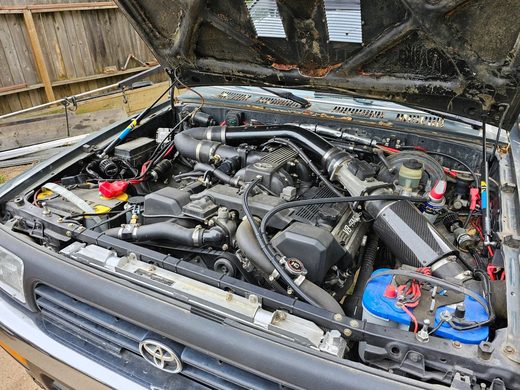
Pull codes on a check-engine-lit 3VZE (the paperclip-and-count-the-blinks ritual on these OBD-I trucks) and code 71 — EGR system malfunction — is one of the most common answers. The EGR system recirculates a measured dose of exhaust back into the intake to cool combustion, and the 3VZE's version involves a vacuum-operated valve, a vacuum modulator, a temperature sensor that reports whether flow actually happened, and passages that spend their lives bathed in carbon.
Thirty years of soot means those passages narrow, the valve sticks, the little vacuum hoses crack, and the sensor lies. The computer notices the temperature sensor didn't see the heat it expected, and the light comes on.
The fix order
Start with the vacuum lines — every small hose in the EGR circuit, checked for cracks and correct routing (the underhood vacuum diagram sticker is your friend if previous owners have been creative). This is free and fixes a surprising share of code 71s.
Next, pull the EGR valve and look: a carbon-caked valve that won't hold vacuum or won't seat is your answer. Clean it and the passages it feeds — the carbon in the pipe and ports matters as much as the valve itself. Stubborn clogs in the EGR pipe respond to soaking and patience.
Then the EGR temperature sensor: carbon-coated sensors read slow and low. Cleaning helps; a failed one needs replacement. Last, the vacuum modulator up top, whose little filter clogs quietly.
One honest note: simply unplugging or blocking the system to silence the light isn't a fix — it changes combustion temperatures the engine was designed around and it's not the move for a truck you care about (or one that has to pass inspection). The system cleans up; let it do its job.
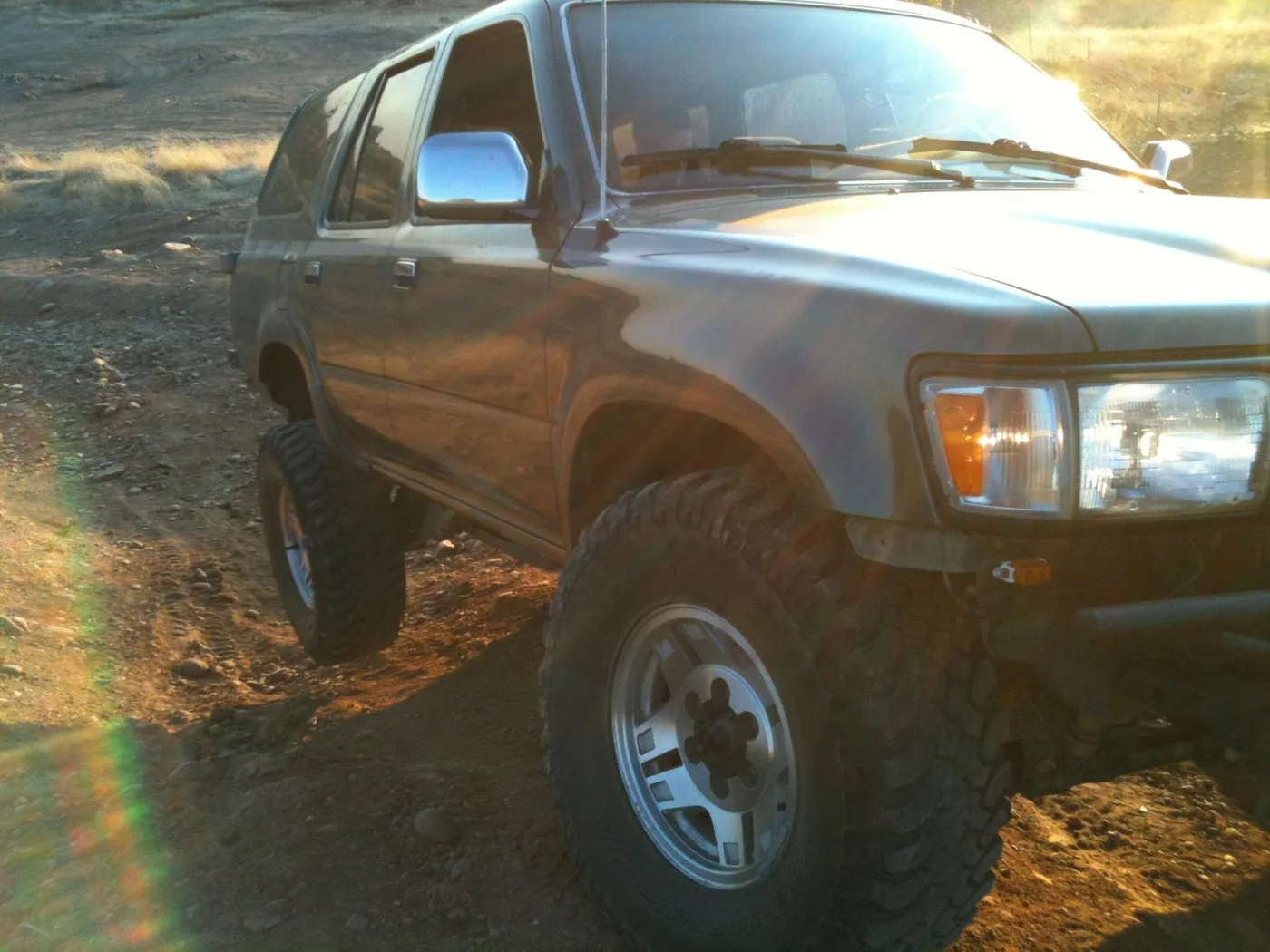
Sorting the stance? We build the complete 3" lift kit for the 90–95 trucks — shipped from Delaware.
Reading the codes in the first place
These are OBD-I trucks, so there's no plugging in a scanner from the parts store. The check engine light talks in blinks.
The procedure is to jumper the correct two terminals in the diagnostic connector under the hood with the key on, then count the flashes of the check engine light. Long flashes are the tens digit, short flashes the ones. Code 71 is seven long, one short.
Get the sequence wrong and you'll chase a code you don't have, so count it twice before you buy anything. The terminal layout is printed on the underside of the connector's cover on most trucks.
Why it comes back after you "fixed" it
This is the part that frustrates people. You clean the valve, clear the code, and it returns a week later. Almost always one of three things:
You cleaned the valve but not the passages. The valve is the visible part; the carbon that actually blocks flow is often further down the pipe and in the ports. Clean the valve alone and flow is still restricted.
The vacuum side is still leaking. Thirty-year-old rubber cracks where you can't see it — at the ends, under the clamps, behind other components. One weak hose and the valve never opens properly no matter how clean it is.
The temperature sensor is lying. If the sensor that reports EGR flow has failed, the system can work perfectly and still throw the code. This is the one people arrive at last, after replacing everything else.
What EGR problems feel like to drive
Often, nothing. A code 71 with no drivability complaint is common, and that's part of why they get ignored for years.
When symptoms do show up, a stuck-open valve gives you a rough idle and stumbling at low speed, because exhaust is being fed in when the engine doesn't want it. A stuck-closed valve usually feels normal and just fails emissions. Neither will hurt the engine quickly, but a light that's always on means you won't notice the next code behind it.
Frequently asked questions
Can I just delete the EGR system?
It's illegal for street-registered vehicles and will fail emissions testing anywhere it's required. It also won't turn the light off on its own. We don't recommend it and won't walk you through it.
Will code 71 hurt my engine?
Not directly or quickly. The bigger cost is a permanently lit check engine light hiding the next problem from you.
Is it worth cleaning versus replacing the valve?
Try cleaning first — many valves come back fine and it costs you an afternoon. If it won't hold vacuum or won't seat properly after cleaning, it's done.
3VZ-E Engine parts for the 2nd gen
Built for the 1990–1995 4Runner. See all 3vz-e engine parts and guides →
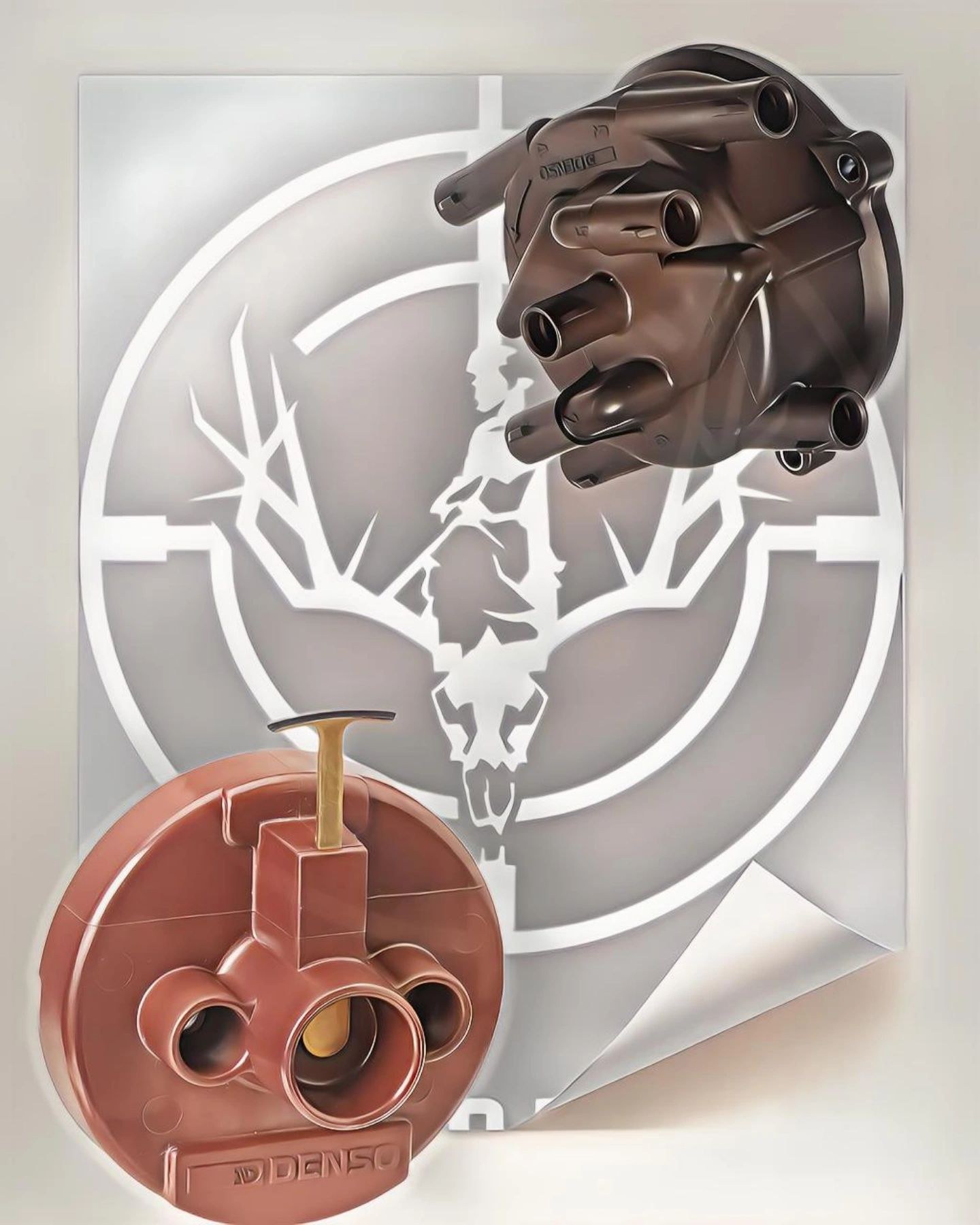 3vze Denso Distributor Cap and Rotor$84.99
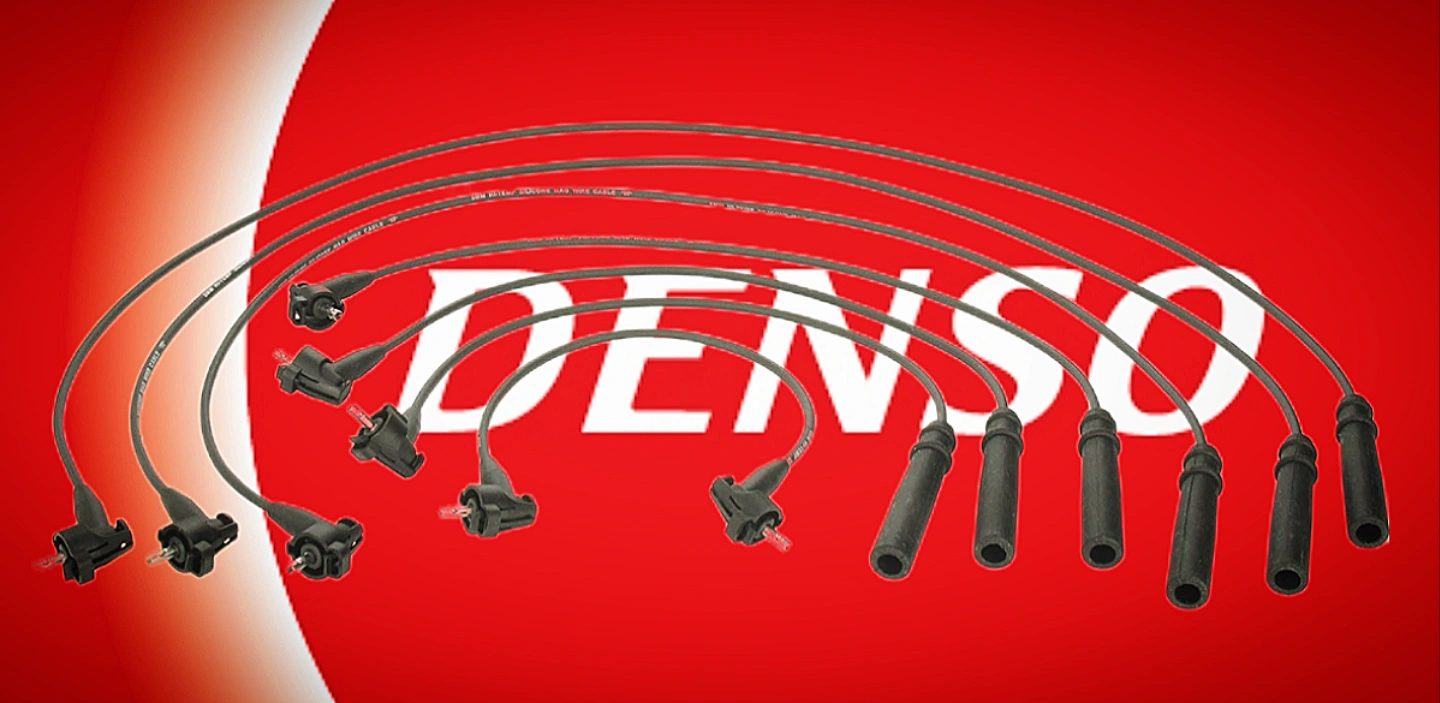 3vze v6 Denso spark plug wires$74.99
 3vze oem spark plugs 6ct.$47.99
New guides, first look at new parts
We publish a guide most weeks and build parts for one truck. If you own a 2nd gen, put your email in and you’ll get both. No filler.
One email at a time, unsubscribe in a click.